
Last updated November 17, 2026







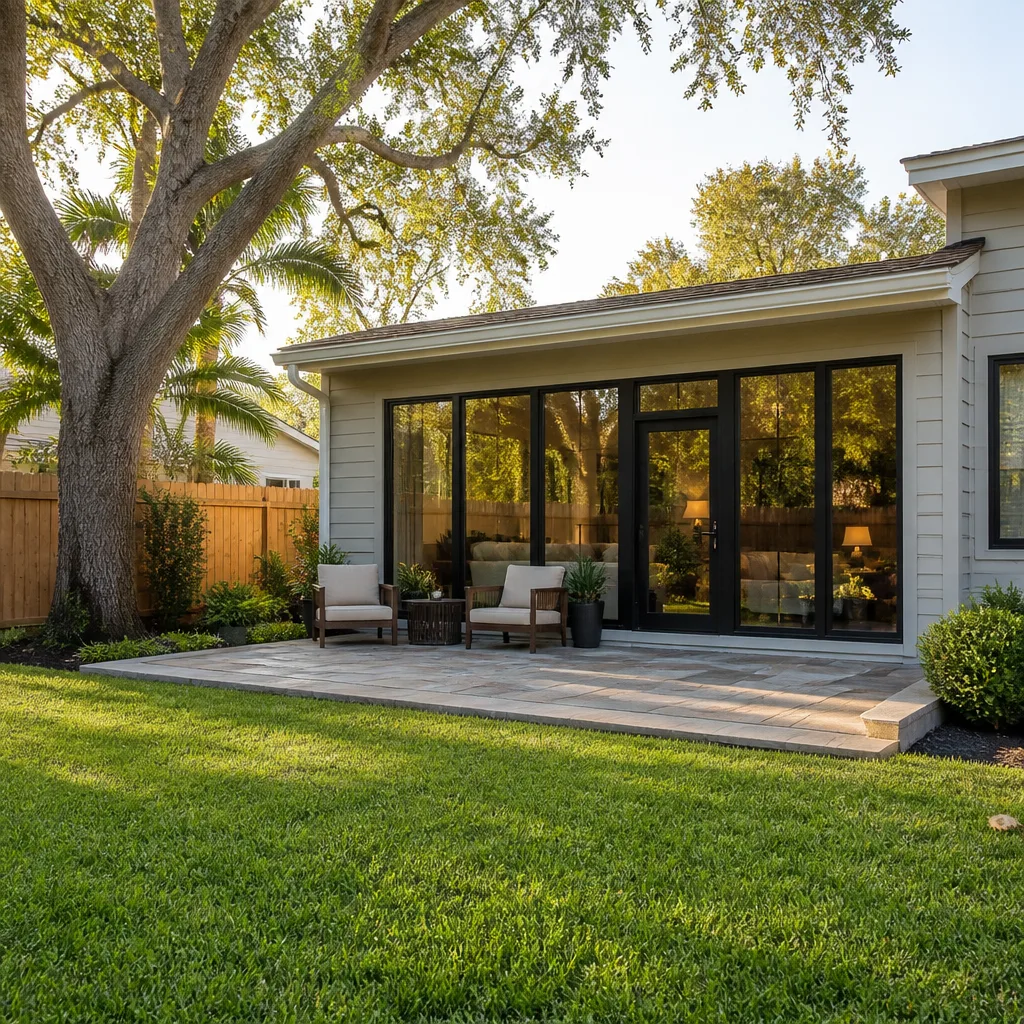
Free written scope consultation - allowances, timeline, and change-order rules on paper before a single trade is scheduled
The Complete Guide to Construction in Spring Valley
Spring Valley isn’t a city. It’s an unincorporated census-designated place in Clark County, which means your remodel answers to Clark County Development Services, not a city building department. Most homeowners learn this after they’ve already submitted paperwork to the wrong office, waited three weeks, and gotten it kicked back. This guide maps the actual landscape: how permitting runs for a Spring Valley address, when Nevada requires a licensed general contractor and when you can self-permit, how HOA approval stacks on top of county permits in neighborhoods like Rhodes Ranch and Summerlin-adjacent communities, and why the desert itself changes what gets built here. You’ll finish knowing which rules apply to your address before anyone pulls a permit.
Quick Answer
Construction in Spring Valley, NV is governed by Clark County Development Services because Spring Valley is unincorporated, not a city with its own building department. Most structural, electrical, plumbing, and mechanical work requires a county permit and a Nevada-licensed contractor, and master-planned communities add a separate HOA architectural review on top. Desert conditions – extreme heat cycling, caliche soil, stucco over wood frame – shape both the permit details and the construction methods that hold up here.
Styles & brands we work with
- Kitchen remodeling
- Bathroom remodeling
- Home additions & ADU
- Roofing
- Windows & doors
- Driveway & pavers
- Fence
Table of Contents
- Why Spring Valley Addresses Route Through Clark County Development Services
- When Nevada Requires a Licensed General Contractor (and When You Can Self-Permit)
- How HOA Approval Layers on Top of County Permits
- Desert Construction Realities: Heat, Caliche, and Stucco
- What Remodels Actually Cost in Spring Valley
- Why a Written Price Protects You When Scope Changes
- A Realistic Permit and Construction Timeline
- Common Mistakes to Avoid
Why Spring Valley Addresses Route Through Clark County Development Services
Here’s the rule that trips up more Spring Valley homeowners than any other: there is no City of Spring Valley building department. Spring Valley is an unincorporated town within Clark County, and building permits, inspections, and code enforcement all run through Clark County Development Services. If you live near the 215 Beltway in Rhodes Ranch, or off Flamingo and Durango, your permit still starts at the county counter, not a city hall.
What that means in practice:
- One authority, not two. You don’t coordinate between a city and a county. All permits, plan reviews, and inspections route through Clark County.
- Plan review timelines apply. Simple interior work often clears review faster than structural changes or additions that require engineered drawings.
- Inspection scheduling matters. County inspectors cover a large unincorporated footprint, so booking inspections early keeps a job from stalling between phases.
- Code editions are county-adopted. The building codes Spring Valley projects follow are the versions Clark County has adopted, which can differ from what you’d find in a neighboring city.
We’ve watched homeowners lose weeks because they assumed a Spring Valley address meant a local municipal permit office. It doesn’t. Before any work begins on a major project, confirm which jurisdiction your parcel sits in and what the county requires for your specific scope. Our general contractor in Spring Valley page walks through how we handle that permitting step on every project.
When Nevada Requires a Licensed General Contractor (and When You Can Self-Permit)
Nevada takes contractor licensing seriously, and the line between “hire a licensed pro” and “you can pull this yourself” is clearer than most people expect. The short version: licensed contractors are required for most work over a modest dollar threshold and for anything touching structural, electrical, plumbing, or mechanical systems. A homeowner can often self-permit cosmetic work on their own primary residence, but the moment the job involves structural changes or regulated trades, the state expects a licensed contractor.
As a practical sorting rule:
- Cosmetic, non-structural work on your own home – paint, flooring, cabinet refacing – is often something a homeowner can handle without a licensed contractor, though permits may still apply depending on scope.
- Structural changes – removing walls, adding openings, altering load paths – require permits and, in practice, a licensed general contractor and often engineered drawings.
- Electrical, plumbing, and mechanical work requires licensed specialty trades. This isn’t a gray area in Nevada.
- Anything you plan to sell the home with should be permitted and inspected. Unpermitted work surfaces during a sale and can stall a closing.
The self-permit option is real, but it comes with responsibility: you become the one scheduling inspections, meeting code, and owning any corrections. For anything beyond surface work, a licensed contractor carries that burden – and the liability – for you. On kitchen and bath projects, that difference is significant. Our kitchen remodeling in Spring Valley page shows what a fully permitted project looks like from the homeowner’s side.
How HOA Approval Layers on Top of County Permits
In Spring Valley’s master-planned communities, a county permit is only half the approval. Most HOAs require their own architectural review before exterior changes begin, and that review runs on a separate clock from the county’s plan check. You can hold a valid county permit and still be stopped cold by an HOA that hasn’t signed off on your project.
What HOA review typically covers:
- Exterior color and material changes – stucco color, roofing material, window styles, and door replacements usually need HOA sign-off.
- Additions and structural exterior work – patio covers, room additions, and anything visible from the street.
- Landscape and hardscape in some communities, including front-yard changes.
- Setbacks and design guidelines that can be stricter than county code.
The sequencing matters. Get HOA approval and county permits moving in parallel where the community allows it, but never start exterior work on the assumption that one approval implies the other. In our experience across Spring Valley’s planned neighborhoods, the projects that run smoothly are the ones where the HOA packet and the county submittal were assembled at the same time.
Desert Construction Realities: Heat, Caliche, and Stucco
Spring Valley’s climate does things to buildings that a guide written for a temperate market won’t mention. Three factors drive most of the construction decisions here.
Heat expansion and contraction. Summer highs routinely push past 110°F, and the daily swing between day and night stresses materials. Exterior caulk joints, stucco cracks, and tile grout all move with that cycling. We specify flexible sealants and expansion joints where a cooler climate wouldn’t need them, because rigid assemblies crack here.
Caliche soil. Much of the Las Vegas Valley sits on caliche – a cemented, calcium-carbonate layer that’s notoriously hard to dig through. It affects foundation work, slab prep, and any project that involves trenching for plumbing or drainage. Budget and schedule both change when caliche shows up under a slab.
Stucco over wood frame. Most Spring Valley homes are wood-frame construction finished in stucco, and that combination has real moisture behavior. Stucco needs proper weep screeds and drainage detailing so trapped moisture can escape. We pay close attention to the substrate – the layer behind the stucco – because that’s where failures start. (Cement board substrate is the moisture-resistant layer behind tile, the same principle applied indoors.)
None of this is exotic. It’s just the local reality that a remodel has to account for, and it’s the reason we don’t treat Spring Valley projects like a generic job.
What Remodels Actually Cost in Spring Valley
Real numbers help more than “prices vary.” Here are the ranges we see for Spring Valley projects, driven by layout, materials, and the condition behind the walls:
- Bathroom remodel: typically $9,000 – $28,000 depending on size, tile, and whether plumbing is relocated.
- Kitchen remodel: typically $18,000 – $55,000, with cabinet line and countertop material moving the number most. We install Cambria, Silestone, and Caesarstone quartz, Kohler and Moen fixtures, and KraftMaid and Wellborn cabinetry – brand choices that carry their own warranties alongside ours.
- Whole-home remodel: varies widely with square footage and scope, from targeted multi-room updates to full gut renovations.
What drives the number up or down in Spring Valley specifically: wall condition once drywall comes down, whether structural changes trigger engineered drawings, caliche at the foundation, and code upgrades discovered during inspection. Every one of those can be anticipated in a written scope – or left as an ugly surprise. Our bathroom remodeling in Spring Valley page breaks the bathroom range down line by line.
Why a Written Price Protects You When Scope Changes
Clark County allows amendment permits, which means a project’s scope can legally change after work starts – and that’s exactly where verbal bids fall apart. A contractor who gave you a ballpark can revise the number once the permit is amended and the walls are open. A written price, in contrast, is something you can hold a company to.
The Kingswell Way puts it plainly: say the price before the work, show up in the window we gave, leave the place cleaner than we found it. On every Penhallow Remodeling Spring Valley project, you get a written price before any work starts – not an estimate range, not a verbal number. If scope genuinely changes because of something found behind the drywall, that change is documented and agreed before it’s billed. And behind the whole job is the 365-Day Done Right Promise: if the work fails inside the guarantee period, we come back and fix it at no charge, in writing, on every project.
That structure matters more in a county that allows amendment permits than it would elsewhere, because the legal mechanism for changing scope exists. The written price is what keeps that mechanism from becoming a surprise invoice.
A Realistic Permit and Construction Timeline
Here’s how a typical Spring Valley project moves, from first call to final inspection:
- Scope and written price. We walk the space, define what’s included, and put the price in writing before anything proceeds.
- HOA submittal (if applicable). For exterior work in planned communities, the HOA packet goes in early so it runs alongside county review.
- County permit application and plan review. Submit to Clark County Development Services; review time depends on scope and whether engineered drawings are needed.
- Construction. Work proceeds in phases with inspections scheduled at the required points – rough framing, electrical, plumbing, and final.
- Final inspection and walkthrough. The county signs off, and we walk the finished job with you against the written scope.
Interior cosmetic projects typically move faster than structural work or additions, and HOA review can add time in master-planned neighborhoods. A realistic schedule accounts for all three clocks: HOA, county, and construction.
Common Mistakes to Avoid
- Submitting to a city that doesn’t exist. Spring Valley has no building department. Sending paperwork anywhere but Clark County Development Services wastes weeks.
- Skipping HOA review until after the county approves. These run on separate clocks, and exterior work can be halted by an unapproved HOA change even with a valid county permit.
- Self-permitting work that requires a licensed contractor. Nevada draws a clear line around structural, electrical, plumbing, and mechanical work. Crossing it creates problems at inspection and at resale.
- Accepting a verbal bid in a county that allows amendment permits. A number that isn’t written down is a number that can move once scope is amended.
- Ignoring caliche at the budgeting stage. Hard soil under a slab changes excavation cost and schedule. It’s better priced up front than discovered mid-job.
- Assuming stucco is maintenance-free. Cracked stucco and failed caulk joints let moisture in. Spring Valley’s heat cycling makes those cracks routine, and small ones get bigger.
- Leaving the repair guarantee vague. If a contractor won’t put the guarantee in writing, you don’t have one.
See the difference
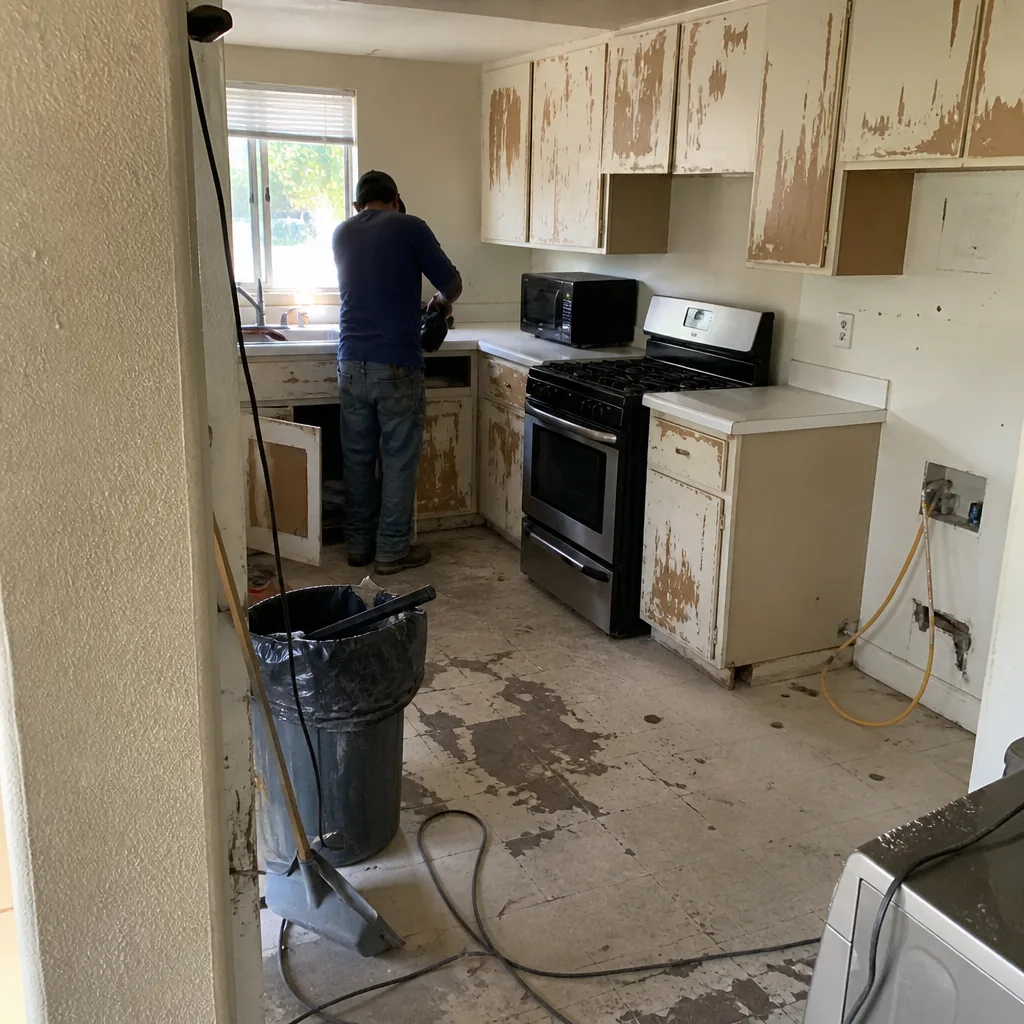 Before
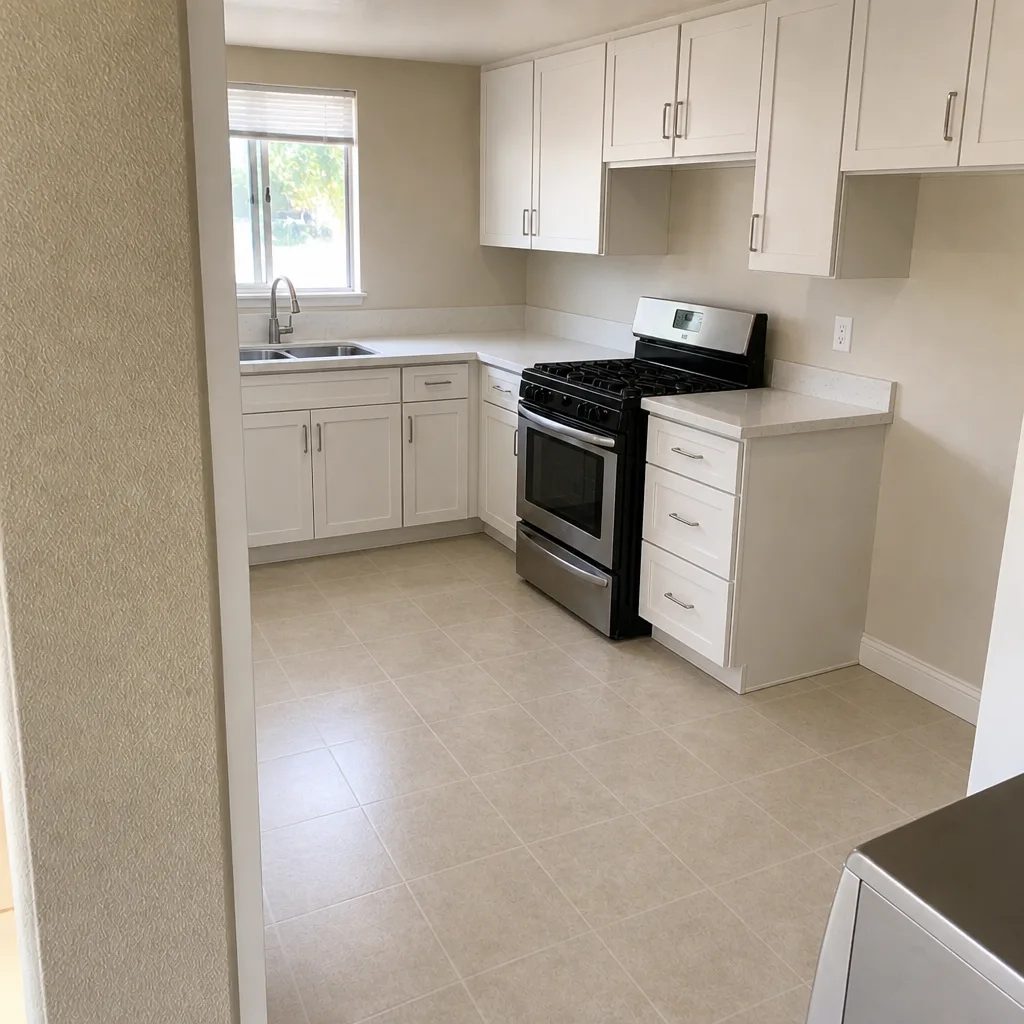 After
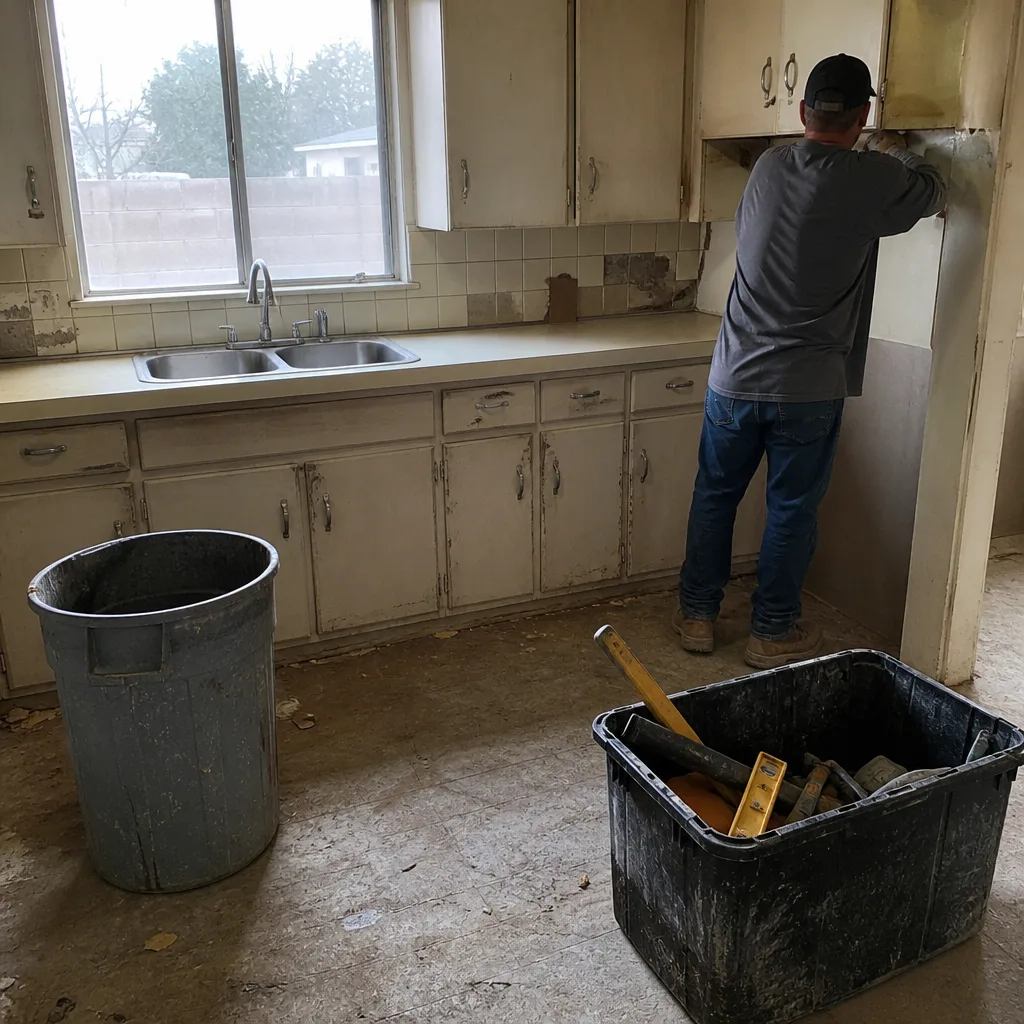 Before
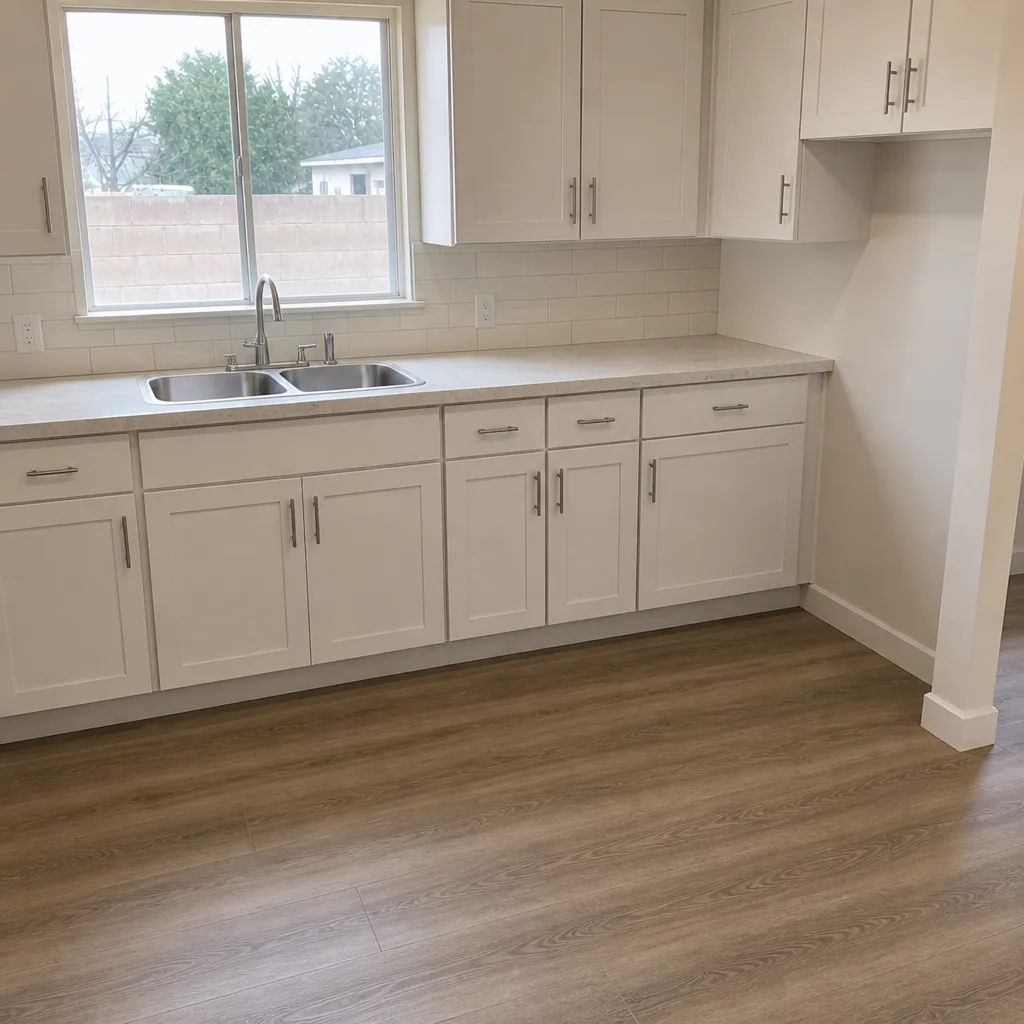 After
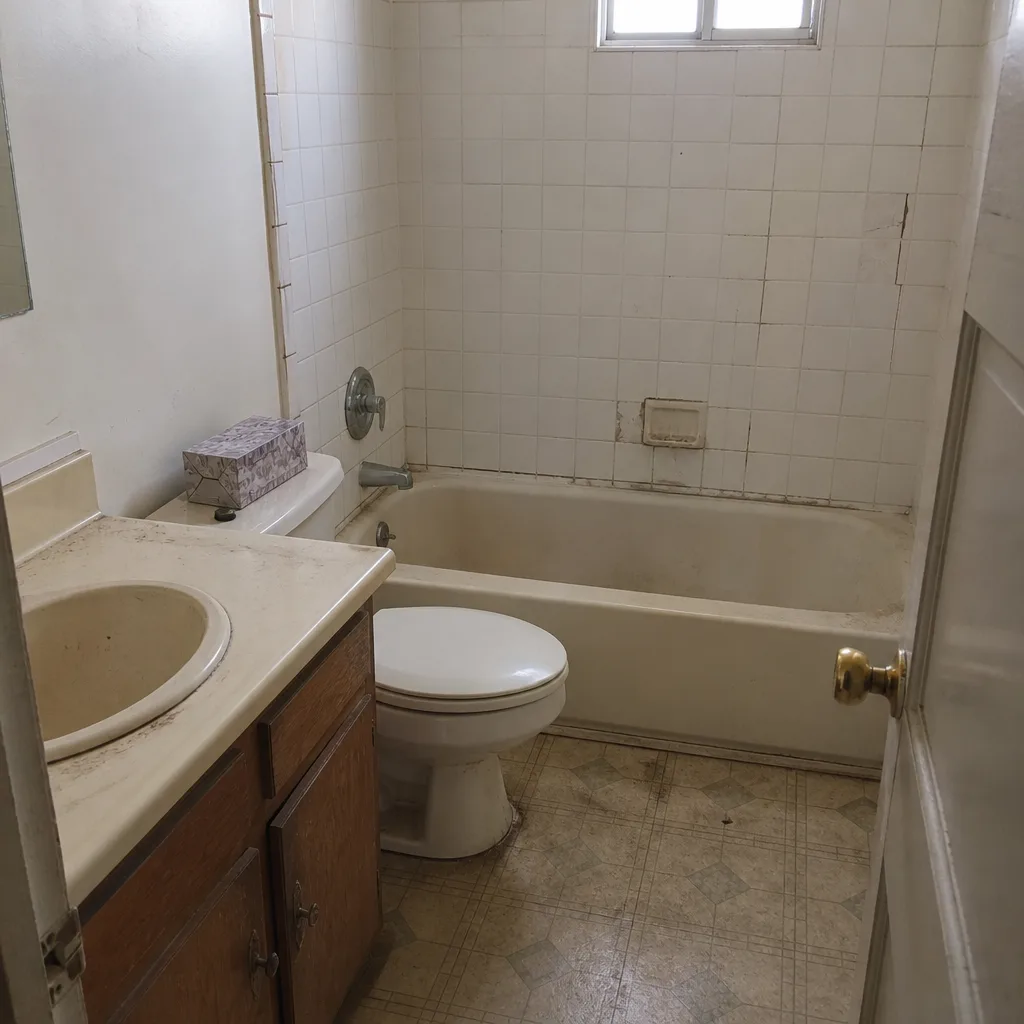 Before
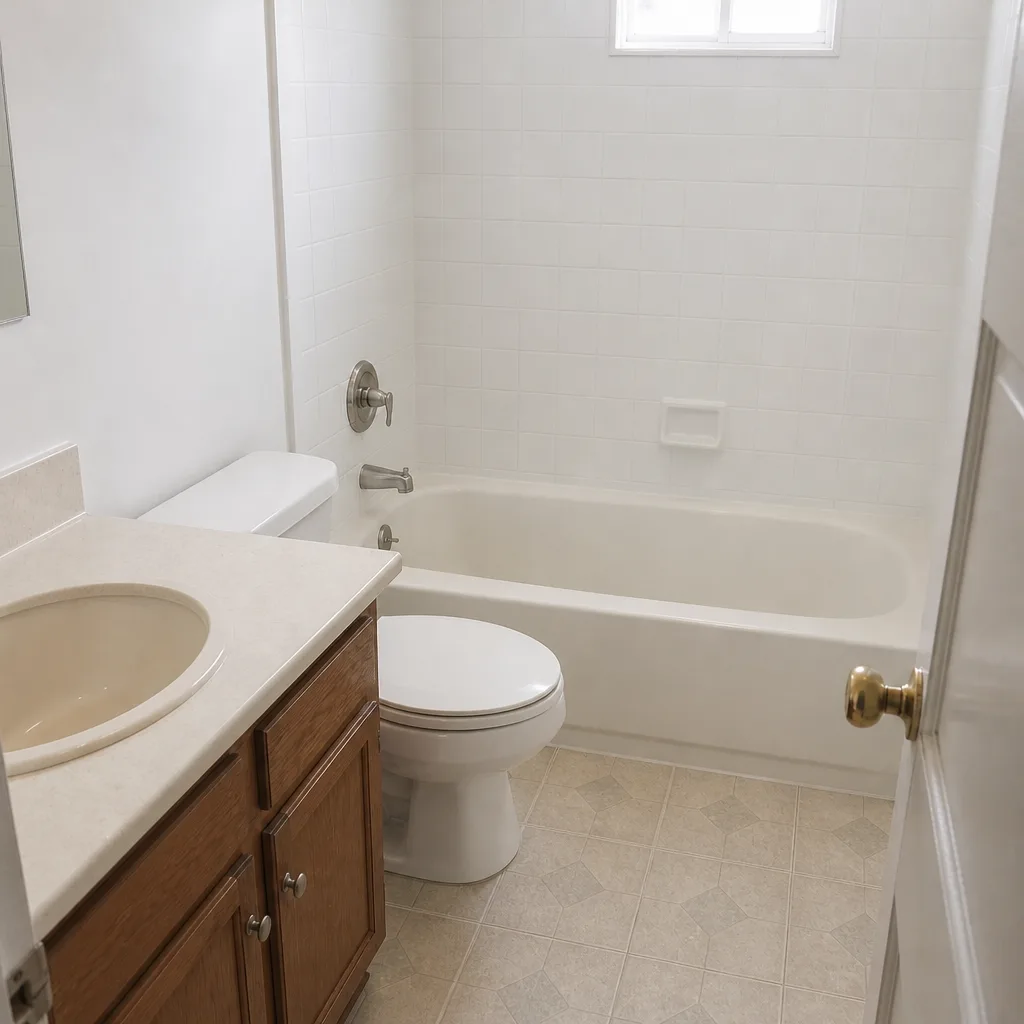 After
When to Call a Professional
Some projects are genuinely DIY-friendly; others aren’t. Call a professional when the work touches structural systems, when it involves electrical, plumbing, or mechanical trades, when your HOA requires architectural review, or when a permit is required and you don’t want to own the inspection process yourself. Call, too, when a repair has failed more than once – repeat failures usually mean the underlying cause wasn’t addressed the first time. Penhallow Remodeling Spring Valley offers free estimates in Spring Valley – call (844) 797-3346. Our technicians bring up to 22 years of experience, arrive background-checked and in uniform, and every project gets a written price and a written guarantee before work starts. You can start from our Penhallow Remodeling Spring Valley home page or call directly to schedule.
Frequently Asked Questions

No. Spring Valley is an unincorporated census-designated place within Clark County, so building permits and inspections run through Clark County Development Services rather than a city building department. That single fact determines where your paperwork goes for any permitted remodel.
For most structural, electrical, plumbing, and mechanical work, yes – Nevada requires a licensed contractor. Cosmetic, non-structural work on your own primary residence can sometimes be self-permitted. When in doubt, confirm the requirement for your specific scope before work begins. Call (844) 797-3346 for a free estimate if you’d rather have a licensed contractor own the process.
Not necessarily before, but you need HOA approval in addition to the county permit for exterior changes in most master-planned communities. The two run on separate timelines, so line up both before starting exterior work.
Caliche is a hard, cemented soil layer common in the Las Vegas Valley, and it makes excavation and trenching slower and more expensive. It affects foundation prep and plumbing work, and it’s one reason Spring Valley project budgets should account for soil conditions up front.
Clark County allows amendment permits, so scope can legally change mid-project – which is why a written price matters. With a written price, any genuine scope change is documented and agreed before it’s billed. Call (844) 797-3346 for a free estimate and a written number you can hold us to.
Interior cosmetic projects typically finish faster than structural work or additions, and HOA review can add time in planned communities. A realistic schedule accounts for county plan review, HOA approval where applicable, and construction phases. Call (844) 797-3346 for an estimate and a clear timeline for your scope.
The Bottom Line
Spring Valley construction runs on Clark County rules, not a city’s – that’s the foundation everything else builds on. Licensed contractors are required for structural and regulated trade work; HOAs add a second approval layer in master-planned communities; and desert conditions from caliche to heat cycling shape what holds up here. A written price, agreed before work starts, is your best protection against the amendment-permit surprises that catch homeowners elsewhere. Penhallow Remodeling Spring Valley puts that price and a written guarantee in front of you before any work begins – backed by the 365-Day Done Right Promise and a live person answering the phone around the clock. Call (844) 797-3346 for your free estimate.
Written by the team at Penhallow Remodeling Spring Valley.