Last updated November 17, 2026






Free written scope consultation - allowances, timeline, and change-order rules on paper before a single trade is scheduled
The Complete General Contractor Guide for Spring Valley Homeowners
Most general contractor guides were written for someone in Ohio. Spring Valley sits in a Mojave basin where summer slab temperatures climb past 150°F and caliche can stop a shovel cold, and neither detail shows up in the national advice. That matters more than you’d think: the soil under your lot, the summer heat that warps cheap materials, and the Clark County permit calendar all change how a remodel should be priced, sequenced and guaranteed. This guide walks Spring Valley homeowners through hiring a general contractor with those local conditions baked in, from the first site walk to the final inspection.
Quick Answer
To hire a general contractor in Spring Valley, verify the contractor’s Nevada license classification on the NSCB site, get a written price before any work starts, confirm how they handle caliche and expansive soil on your lot, and build the Clark County permit timeline and HOA architectural approval into your schedule as two parallel tracks. The right contractor gives you a number you can hold them to, a defined arrival window, and a written guarantee on the finished work.
Styles & brands we work with
- Kitchen remodeling
- Bathroom remodeling
- Home additions & ADU
- Roofing
- Windows & doors
- Driveway & pavers
- Fence
Table of Contents
- Why Spring Valley Remodels Are Their Own Animal
- Clark County Permit Timelines and How to Plan Around Them
- Caliche, Expansive Soil, and What a Site Walk Should Catch
- HOA Architectural Approval: The Parallel Track Most People Forget
- What a Written Price Up Front Actually Protects You From
- Nevada License Classifications and How to Verify Them
- How to Hire a General Contractor in Spring Valley: 7 Steps
- What Belongs in the Contract Before Demo Day
Why Spring Valley Remodels Are Their Own Animal
Spring Valley is an unincorporated community in Clark County, wedged between the Strip and the Spring Mountains, and the conditions here shape almost every decision a general contractor makes. Summer high temperatures sit in the triple digits for weeks. Slab surfaces on a west-facing lot can exceed 150°F, which is brutal on exterior finishes, sealants and anything stored outside during a job. Winter nights drop near freezing, and that daily swing stresses materials that were never specified for a desert.
The soil is the other half of the story. Much of the Las Vegas Valley sits on caliche, a calcium-carbonate layer that behaves like low-grade concrete. A shovel bounces off it. Trenching for a new gas line or digging footings for an addition can turn into a jackhammer job. Expansive clay soils, meanwhile, swell when wet and shrink when dry, and that movement shows up as cracks in slabs, sticking doors and tile that pops loose years after a cheap install.
In our experience across Spring Valley, the difference between a smooth remodel and a nightmare usually comes down to whether the contractor planned for the heat and the soil before quoting, or discovered them after demo. A general contractor who works this valley regularly will walk your lot, probe the ground, look at how the existing slab has behaved, and price accordingly. If you’re planning a larger project, our Penhallow Remodeling Spring Valley home page covers how we approach the basics.
Clark County Permit Timelines and How to Plan Around Them
Clark County permit timelines run longer than the national averages quoted in most guides, and the delays compound in summer when construction demand peaks. A kitchen remodel that moves a wall or adds a sink needs a building permit and a plumbing permit. An addition needs plan review. None of that happens overnight.
Here’s how to build the buffer into your contract instead of discovering it mid-project:
- Ask who pulls the permit. A licensed general contractor should pull permits in their name and include the cost in the written price. If a homeowner is asked to pull their own permit, that’s a warning sign.
- Get a permit timeline in writing. Ask for a realistic estimate of plan review and inspection scheduling, and have the contract state that the schedule starts after permit issuance, not at signing.
- Run HOA approval at the same time. Don’t wait for the permit to clear before starting the architectural review. More on that below.
- Schedule inspections into the sequence. Rough framing, electrical, plumbing and final inspections all need to be booked, and a missed inspection can stall a crew for days.
When you get a quote from a general contractor in Spring Valley, ask specifically whether the timeline includes Clark County review and inspection windows. A number that assumes instant approval is a number that will move.
Caliche, Expansive Soil, and What a Site Walk Should Catch
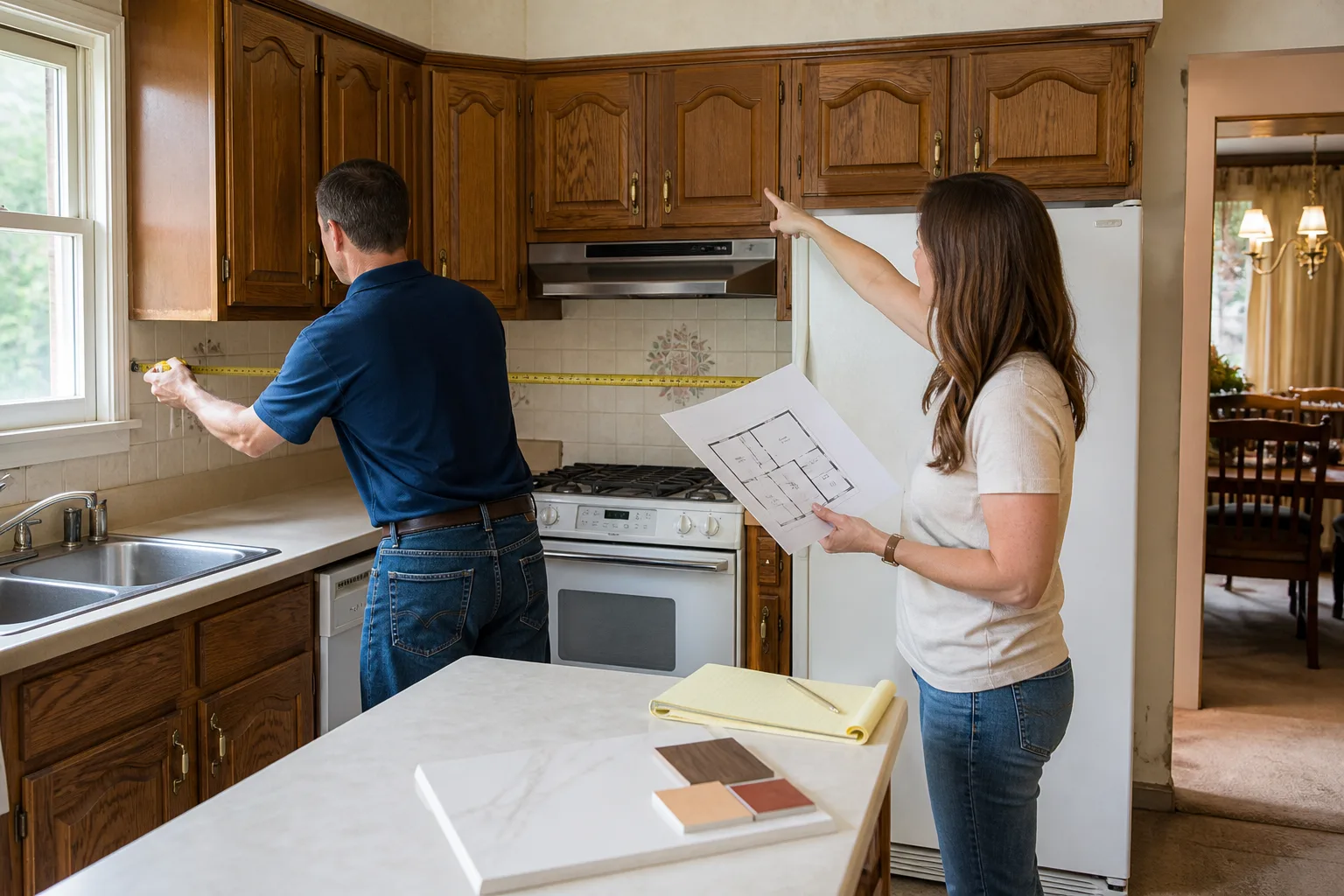
A site walk is where a local contractor earns their keep. Anyone can measure a kitchen. The questions that matter in Spring Valley are about what’s under the floor and how the existing structure has handled the climate.
Here’s what a contractor who knows this valley should be checking on the walk:
- Caliche depth. Probing the ground where footings, trenches or a new slab will go tells you whether excavation will need a jackhammer and a bigger labor line.
- Existing slab condition. Cracks that run through tile, doors that stick seasonally, and gaps at baseboards all point to soil movement.
- Drainage and grading. Water pooling near the foundation is the fastest route to expansive-soil trouble. A desert lot still needs to shed monsoon rain.
- Sun exposure. Which walls face west and take the afternoon heat affects material choices for siding, windows and exterior finishes.
- Attic and roof condition. Summer heat ages roofing and insulation faster here. A contractor should note what they see before it becomes a surprise line item.
An out-of-town contractor who quotes from photos and a phone call misses all of this. A local general contractor catches it on the walk, prices it up front, and doesn’t hand you a change order after demo. That single habit is worth more than any bid comparison. If you’re remodeling a bathroom, the substrate behind the tile matters enormously in this climate; our Bathroom Remodeling in Spring Valley page explains why cement board backing isn’t optional here.
HOA Architectural Approval: The Parallel Track Most People Forget
Spring Valley has a heavy concentration of HOAs, and almost every exterior change, from a new roof color to a patio cover to an addition, needs architectural committee approval. This is a separate track from the county permit, and it’s the one that quietly costs homeowners six weeks.
The mistake is treating HOA approval as something you do after the permit. In practice, both should run at the same time. Here’s the sequence that works:
- Get the HOA’s architectural guidelines before you finalize design. Approved color palettes, fence heights and material restrictions are all in there.
- Submit the architectural application with drawings and material samples at the same time your contractor submits for the county permit.
- Track both approvals and hold the construction start date until both are in hand.
- Keep the approved documents on file so inspections and future resale go smoothly.
A general contractor who’s worked in Spring Valley will already know which HOAs move quickly and which ones take their time. Ask about it during your estimate. The answer tells you a lot about whether they’ve actually worked here or just driven through. And when you’re planning a kitchen project, that same sequencing applies; our Kitchen Remodeling in Spring Valley guide walks through how to line it up.
What a Written Price Up Front Actually Protects You From
In a market where material costs swing with summer construction demand, a verbal estimate is a guess dressed up as a number. Cabinetry, countertops, siding and fixtures all move with supply and labor availability. A written price before any work starts protects you from every one of those swings, because the number you signed is the number on the invoice.
Here’s what we mean by a real written price, and what it should include:
- Line-item materials named by brand and product, not “standard grade.” Brands carry their own warranties, which stack on top of the contractor’s guarantee.
- Labor and permit fees broken out separately.
- Scope of work describing exactly what’s included and what isn’t.
- A statement that the price doesn’t change unless you approve a written change order.
Our technicians have up to 22 years of experience, and the thing they’ll all tell you is that the change-order surprise is what burns homeowners. A written price up front, backed by a written guarantee, removes that whole category of risk. We install fixtures from names like American Standard and Toto, and materials like Schluter waterproofing systems, because the products carry their own warranty alongside ours.
Nevada License Classifications and How to Verify Them
Nevada does not treat all contractors the same. The Nevada State Contractors Board (NSCB) issues licenses by classification, and a general contractor’s license is different from a specialty trade license. A general contractor holds a Class B license, which allows them to manage whole projects including the trades they subcontract. A specialty contractor, like a plumber or electrician, holds a limited classification for their trade only.
To verify a contractor in Spring Valley, do this:
- Go to the NSCB website and search the license number or business name.
- Confirm the license is active, not expired or suspended.
- Confirm the classification matches the work. A Class B for a whole remodel; the appropriate specialty classification for trade work.
- Check for any disciplinary actions or complaints on record.
- Confirm the business carries general liability insurance and workers’ compensation.
It takes about five minutes and it’s the most valuable five minutes in the whole hiring process. A general contractor in Spring Valley should expect you to check and offer the license number up front without being asked.
How to Hire a General Contractor in Spring Valley: 7 Steps
This is the sequence that keeps a Spring Valley remodel on track from first call to final inspection:
- Define the project and a realistic budget range. Know whether you’re doing a kitchen, a bath, or a whole-home remodel, and have a range in mind. A kitchen remodel typically runs $18,000 to $55,000 depending on layout, cabinet line and countertop material. A bathroom sits in the $9,000 to $28,000 range, and a whole-home remodel runs higher. Your lot conditions will move those numbers.
- Get a site walk, not a phone quote. Insist on an on-site visit where the contractor probes the soil and looks at the existing structure.
- Verify the license on the NSCB site. Match the classification to the project.
- Get a written price with line items. Materials by brand, labor separate, permits included.
- Ask about HOA and permit sequencing. A contractor who runs both tracks in parallel saves you weeks.
- Confirm the guarantee in writing. Ask what happens if something fails in the first year, and get the answer in the contract.
- Get the schedule and arrival window in writing. The contract should state the start date, the arrival window, and the completion date.
If you want to see how a whole remodel comes together across these categories, our General Contractor in Spring Valley page covers the full scope.
What Belongs in the Contract Before Demo Day
Before a single cabinet comes out, the contract should be complete enough that both sides know exactly what’s happening. Here’s what we put in writing on every project, and what you should expect from any general contractor in Spring Valley:
- The written price, line-itemed, with a statement that it doesn’t change without an approved change order.
- The scope, naming what’s included and what isn’t.
- The schedule, with a start date, arrival window and completion date.
- Who’s responsible for the permit and the HOA application, with both in the timeline.
- Who’s on site: background-checked, uniformed technicians, and no substitutions without notification.
- The guarantee: a written promise covering the work, with the remedy spelled out.
- The payment schedule, tied to milestones and never front-loaded.
If it isn’t in the contract, it isn’t a promise. A contractor who’s confident in their work will put all of this in writing without being pushed. That’s not a sales pitch; it’s the difference between a business that respects your time and money and one that doesn’t.
Common Mistakes to Avoid
- Accepting a verbal estimate. A ballpark on the phone has no ceiling and no recourse. Insist on a written number before any materials are ordered.
- Forgetting the HOA architectural application. In Spring Valley’s dense HOA neighborhoods, skipping this step can stall your project for weeks and force changes after demo.
- Hiring an out-of-town contractor who quotes from photos. They can’t see caliche depth or slab cracks, and the change order shows up after demo.
- Letting material costs float. Desert summer construction demand moves prices on cabinets, countertops and siding. A fixed written price protects you; a “we’ll see what it comes to” doesn’t.
- Skipping the NSCB license check. Five minutes on the board site saves you from hiring an unlicensed contractor with no recourse.
- Skipping substrate and waterproofing. Desert heat and soil movement will find every shortcut behind a tile wall. Cement board and a good waterproofing system are not optional.
- Choosing the cheapest bid. The low bid usually excludes something that shows up later. Compare line items, not totals.
See the difference
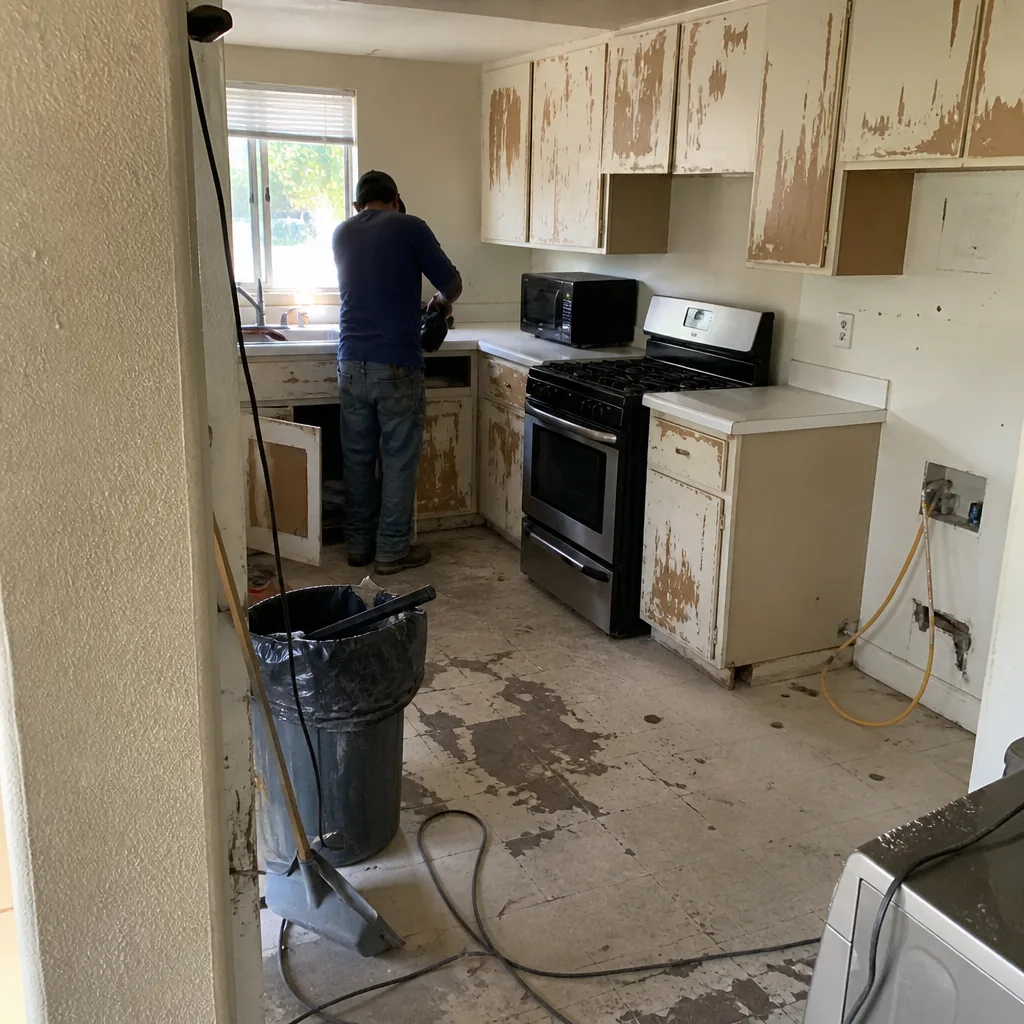 Before
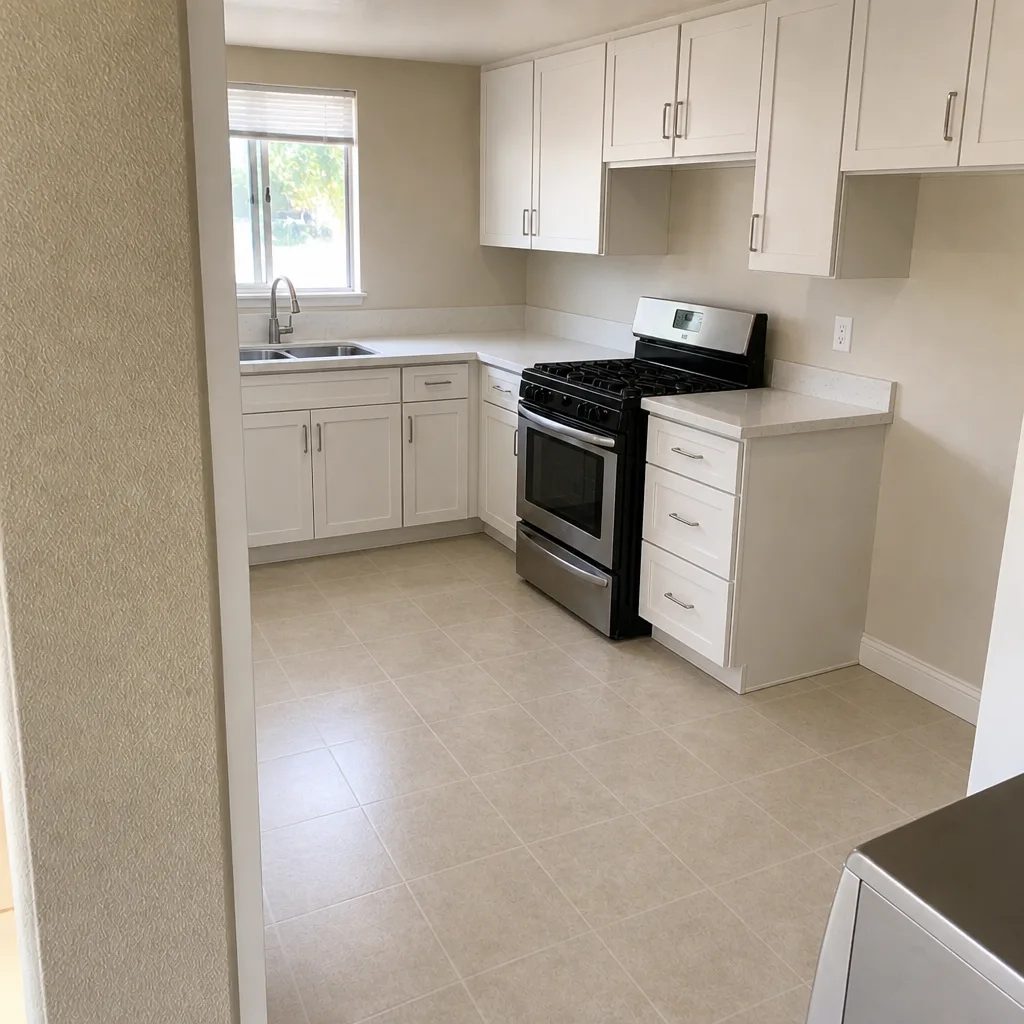 After
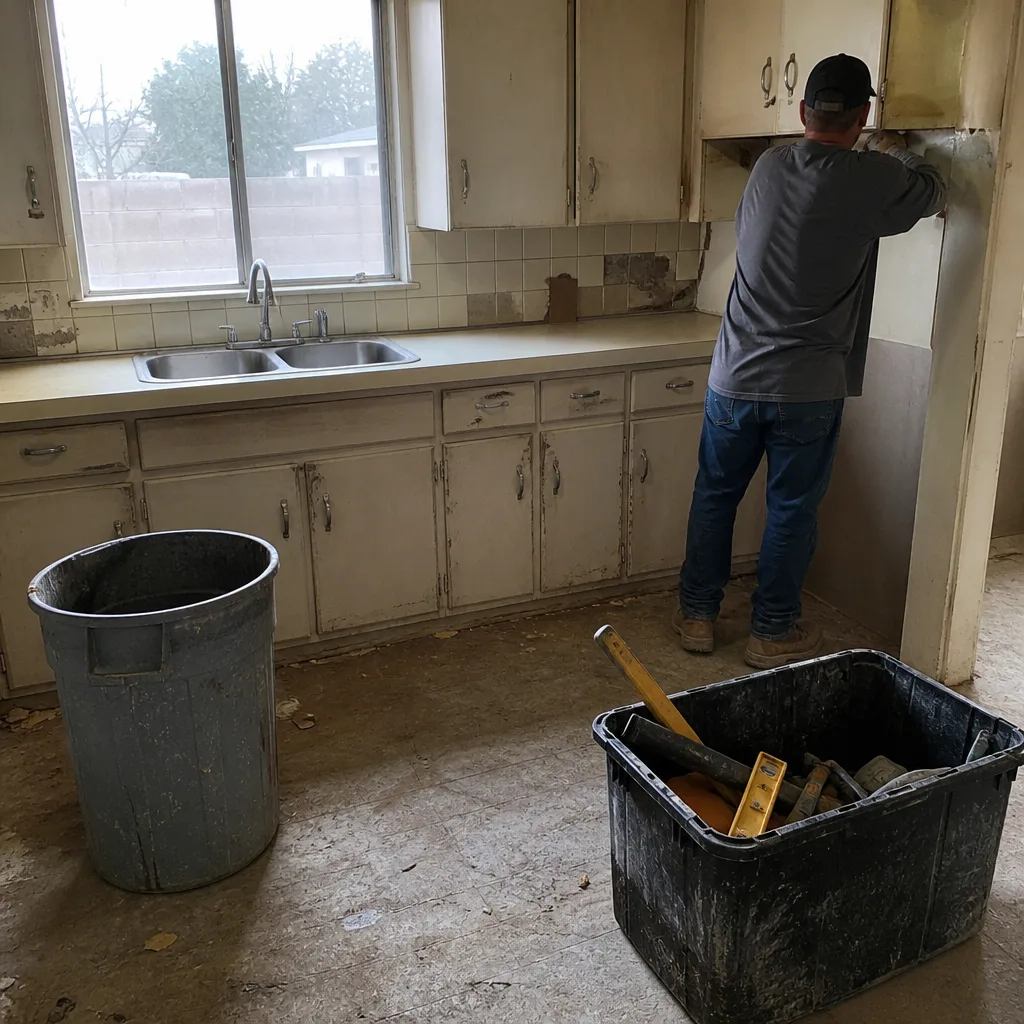 Before
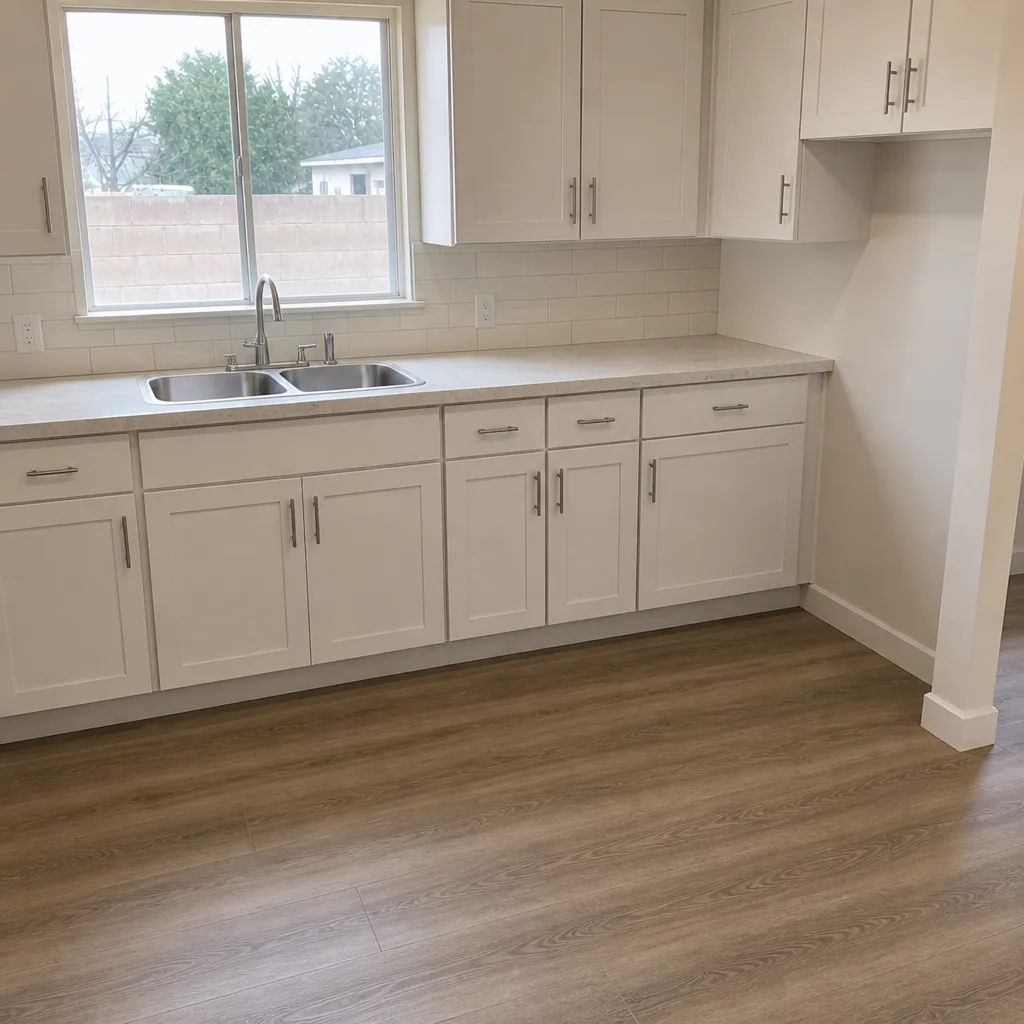 After
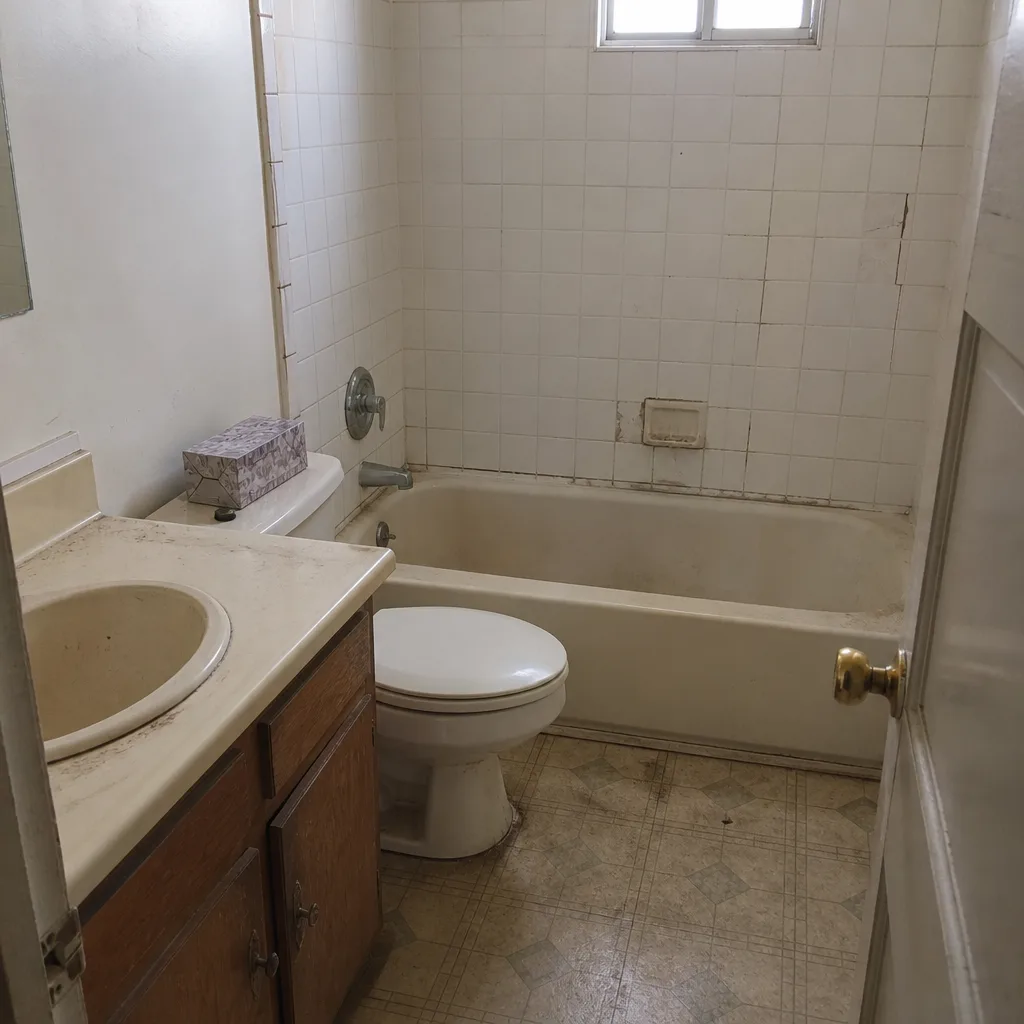 Before
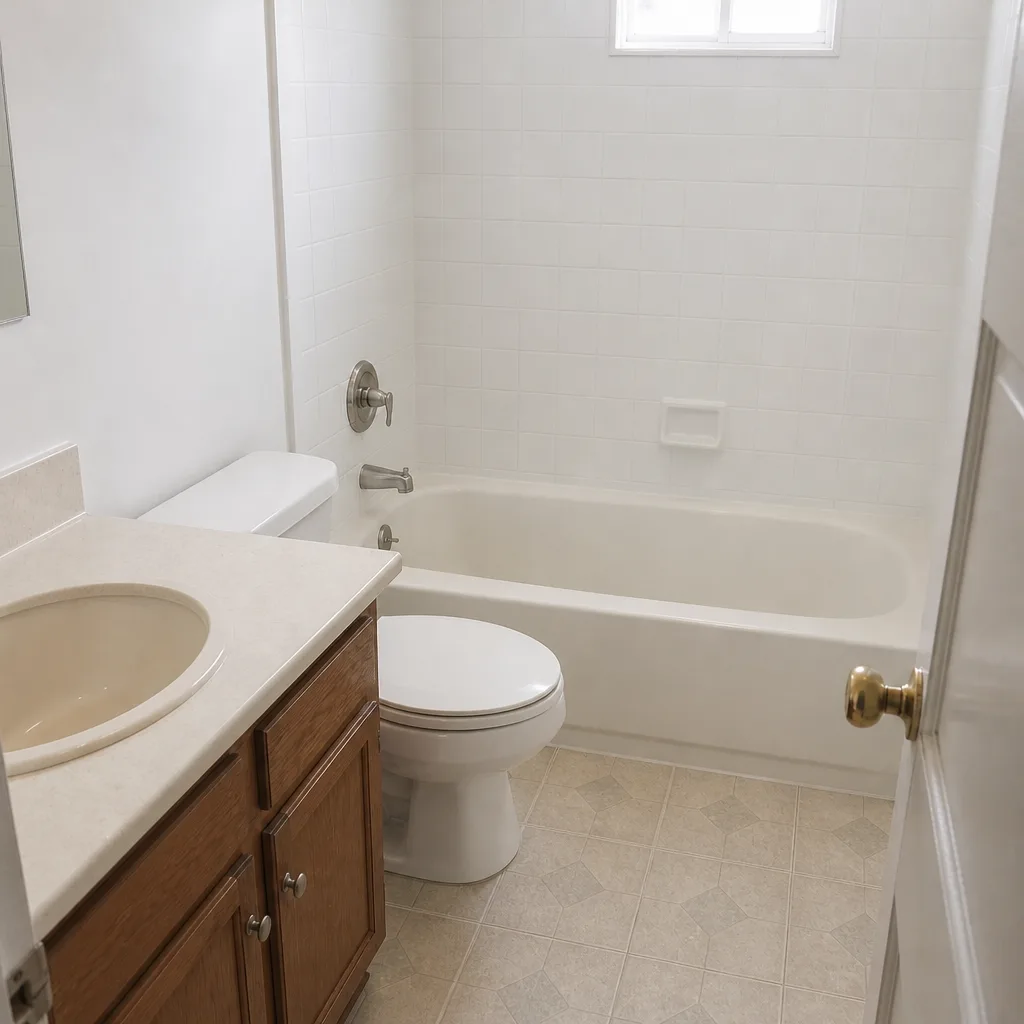 After
When to Call a Professional
Some jobs are genuinely dangerous to do yourself. Cutting into a load-bearing wall, moving a gas line, running new electrical circuits, or climbing a steep roof to fix flashing all carry real risk of injury or expensive failure. Caliche excavation and footing work for an addition fall in the same category. And any remodel that touches a permit or an HOA application needs a licensed general contractor to keep the approvals and the schedule aligned. If your project involves moving walls, changing plumbing, or a whole-room remodel, call a professional before demo day. Penhallow Remodeling Spring Valley offers free estimates in Spring Valley. Call (844) 797-3346 to schedule yours. We give a written price before any work starts and back every project with our 365-Day Done Right Promise and a written guarantee.
Frequently Asked Questions

A kitchen remodel in Spring Valley typically runs $18,000 to $55,000 depending on layout, cabinet line and countertop material. Caliche excavation and any HOA-related exterior change can add to that. Call (844) 797-3346 for an exact quote; estimates are free.
No, not if it’s a real written price. Our price doesn’t change unless you approve a written change order. That’s the difference between a contract and a bad surprise. Call (844) 797-3346 to get your written price.
Yes. We pull the Clark County permits in our name and include the fees in the written price. Ask any contractor you hire who’s responsible, and make sure it’s in the contract.
A bathroom remodel typically takes 2 to 4 weeks and a kitchen 4 to 8 weeks, assuming HOA and permit approvals are in hand before work starts. Building HOA and permit time into the schedule up front is how you avoid a stalled project.
If something we install fails within 365 days of completion, we come back and fix it at no charge. It’s a written guarantee on every job, and a free second visit if a repair fails, with no service call fee.
Search the contractor’s name or license number on the Nevada State Contractors Board website. Confirm the license is active and that the classification matches your project. It takes five minutes and it’s the most important check you’ll make. Our team answers the phone 24/7 at (844) 797-3346 if you have questions.
The Bottom Line
Hiring a general contractor in Spring Valley comes down to four things: a written price you can hold them to, a real site walk that accounts for caliche and expansive soil, permits and HOA approval running on parallel tracks, and a written guarantee that survives the first year. The climate and the soil here are unforgiving, but they’re predictable if a contractor plans for them. Pick the contractor who puts it all in writing before a single cabinet is pulled. That’s the whole game, and it’s the difference between a remodel you enjoy and one you survive.
Written by the team at Penhallow Remodeling Spring Valley.