







Free written scope consultation - allowances, timeline, and change-order rules on paper before a single trade is scheduled
Styles & brands we work with
- Kitchen remodeling
- Bathroom remodeling
- Home additions & ADU
- Roofing
- Windows & doors
- Driveway & pavers
- Fence
See the difference
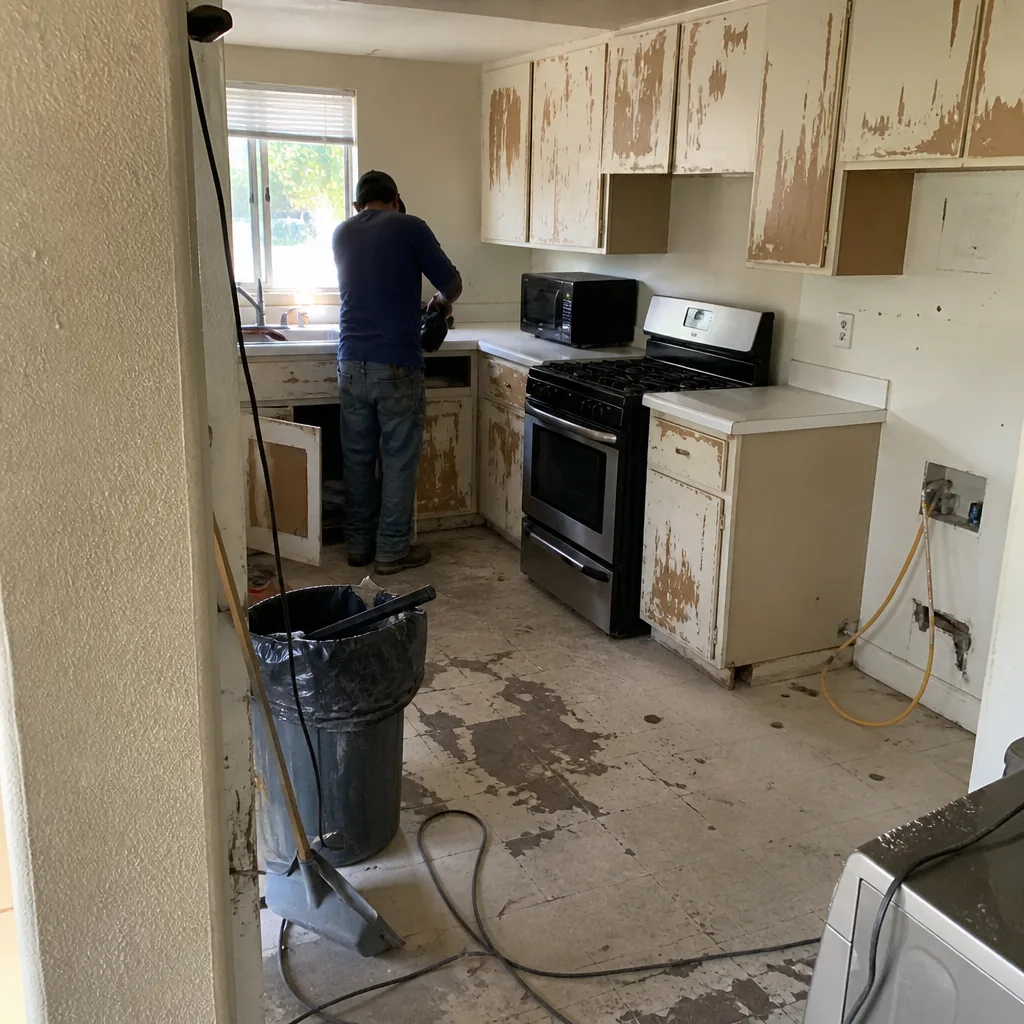 Before
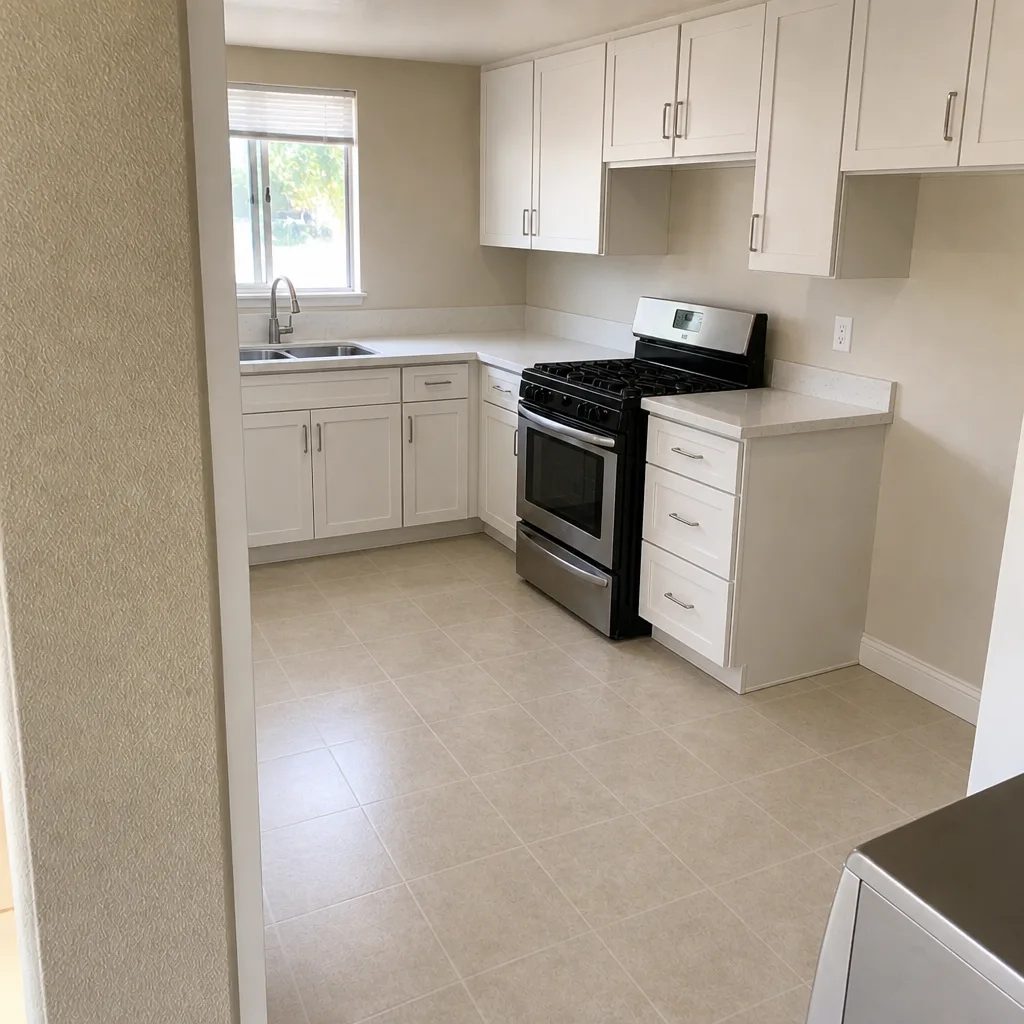 After
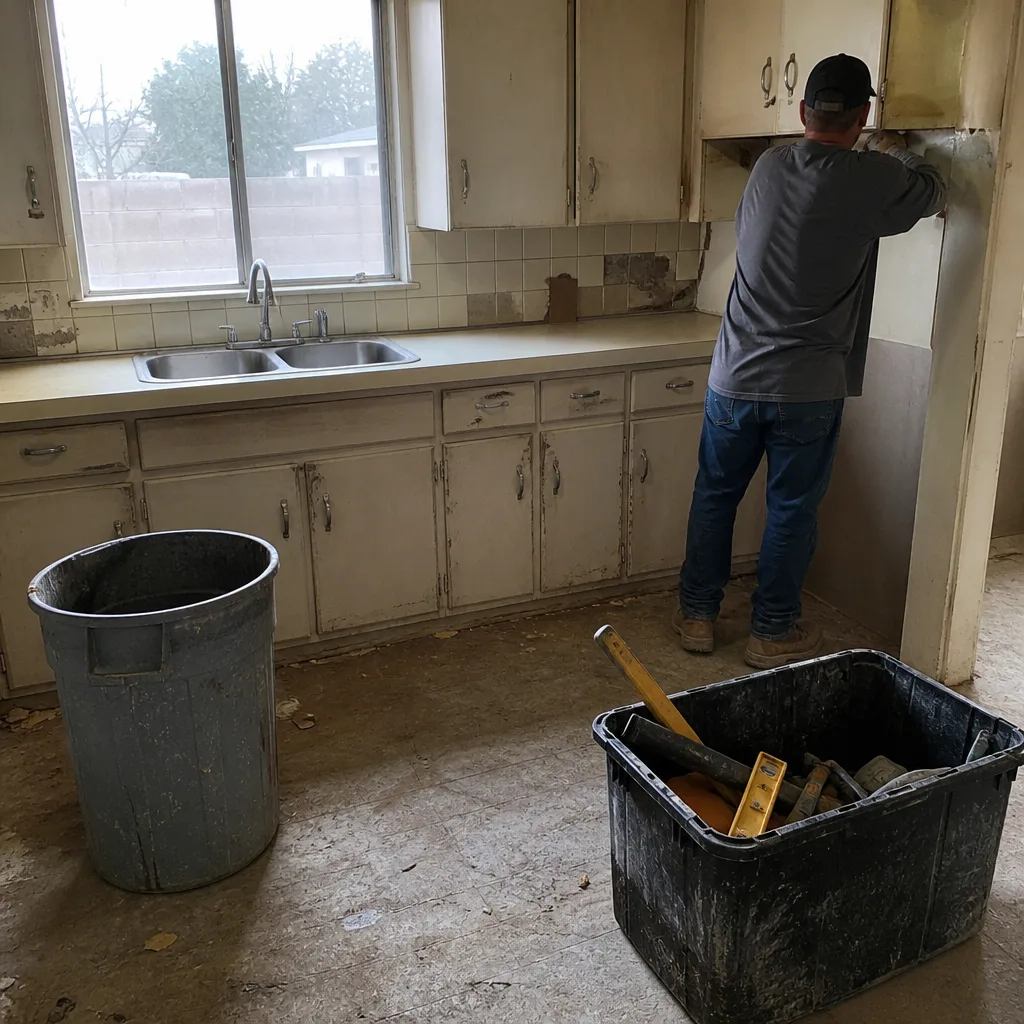 Before
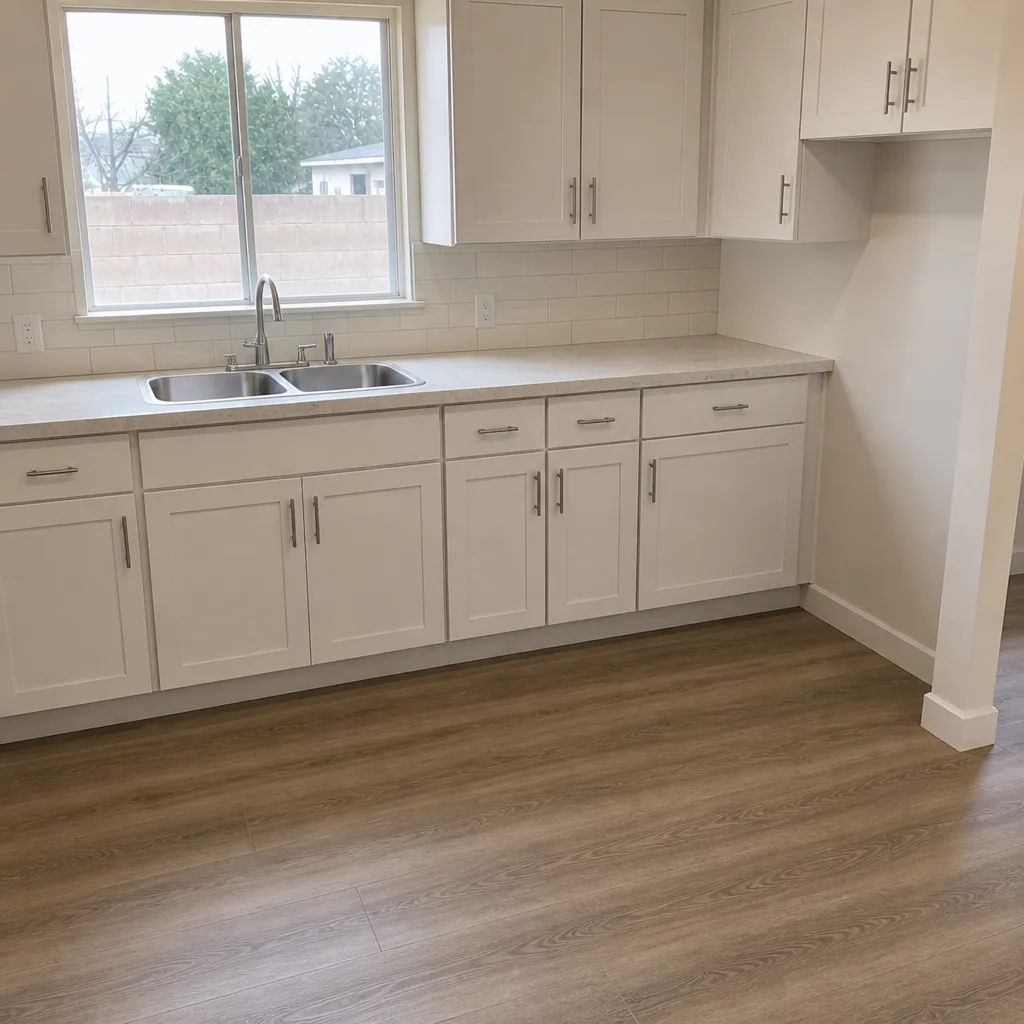 After
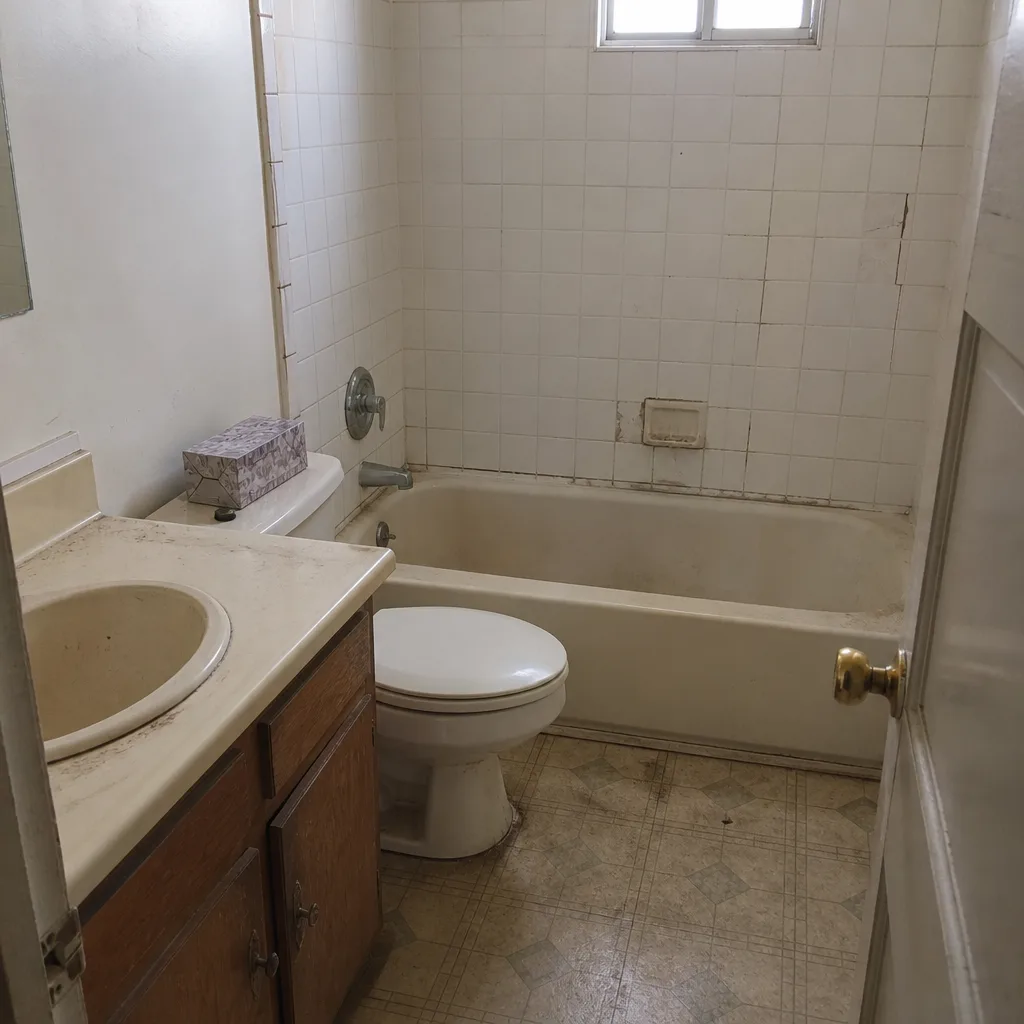 Before
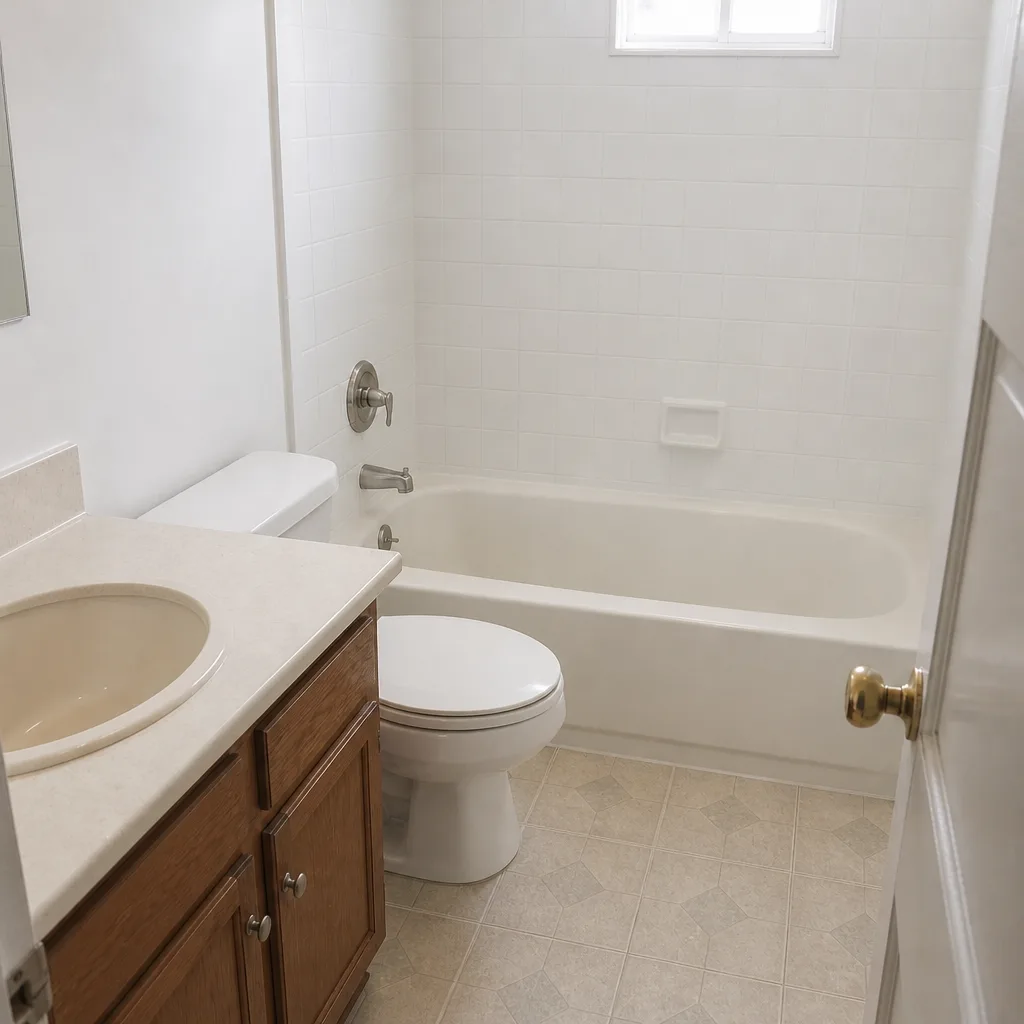 After
What Does a General Contractor Do in Spring Valley, NV? The Answer Isn’t the Textbook One
A general contractor in Spring Valley is the licensed party who owns your whole remodel: the site assessment, the Clark County permit application, the HOA architectural submittal, the subcontractor schedule, the rough-in inspections before drywall closes, and the final sign-off. In a township built out almost entirely on 1970s-to-2000s tract housing, that coordination load is far heavier than a checklist suggests. Call (844) 797-3346 and a real person answers, day or night.
Here’s what most homeowners don’t fully grasp when they sign: the GC is not swinging a hammer all day. The GC is absorbing the invisible work that collapses a project the moment nobody owns it.

The Real Work Starts Before a Single Cabinet Comes Out
When you hire a GC for a Spring Valley addition or remodel, you aren’t only buying labor and materials. You’re buying someone who already knows the Clark County Building Department’s current permit queue, what your HOA’s architectural review committee wants to see in a submittal, and the likelihood that the trench for your new cleanout line will hit caliche and need a jackhammer rather than a trencher.
Spring Valley is unincorporated Clark County, not its own city. Construction here runs on county building permits and Nevada State Contractors Board licensing, with HOA architectural review layered on top. That structure shapes every job. A pre-job site walk on a Spring Valley property routinely includes:
- Checking caliche depth where footings, patios or new plumbing will go, because the cemented calcium-carbonate hardpan under southwest valley lots can stop a trencher cold.
- Reading the drainage grade, since monsoon-season microbursts and flash flooding expose grading problems the day the first storm hits.
- Confirming the home’s age against the permit record, because a 1979 ranch and a 2003 two-story stucco have very different rough-in realities once you open a wall.
- Pulling the county fee schedule and confirming HOA requirements before a number gets written down.
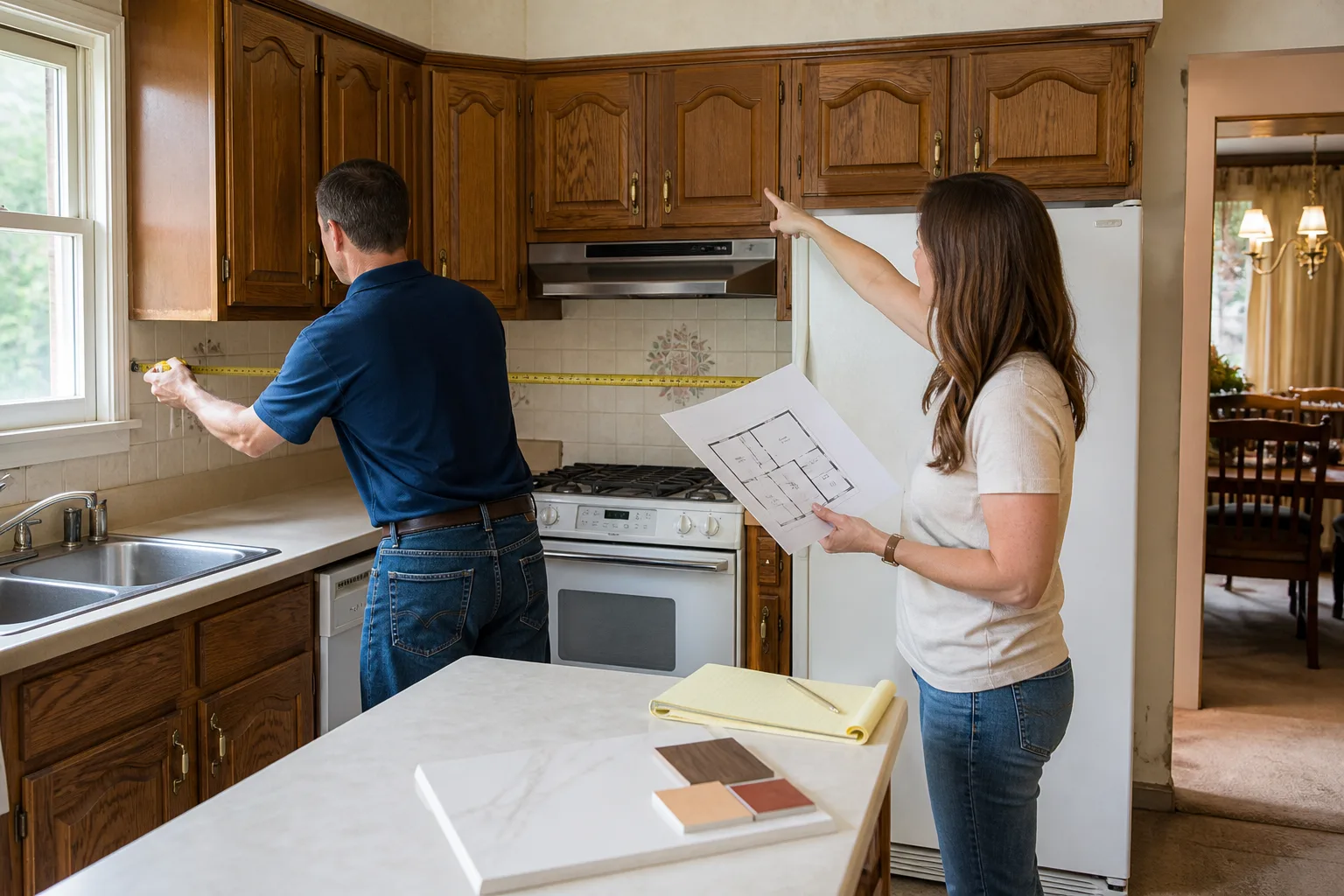
That last point matters more than it sounds. A written price before work starts isn’t a ballpark someone scribbled on a napkin. It’s a deliverable that requires the walk, the fee schedule, the HOA confirmation and the material lead times to already be in hand. Penhallow Remodeling Spring Valley won’t put a number in writing until that work is done, which is exactly the point.
Why the Permit Inspection Sequence Is the Backbone of the Job
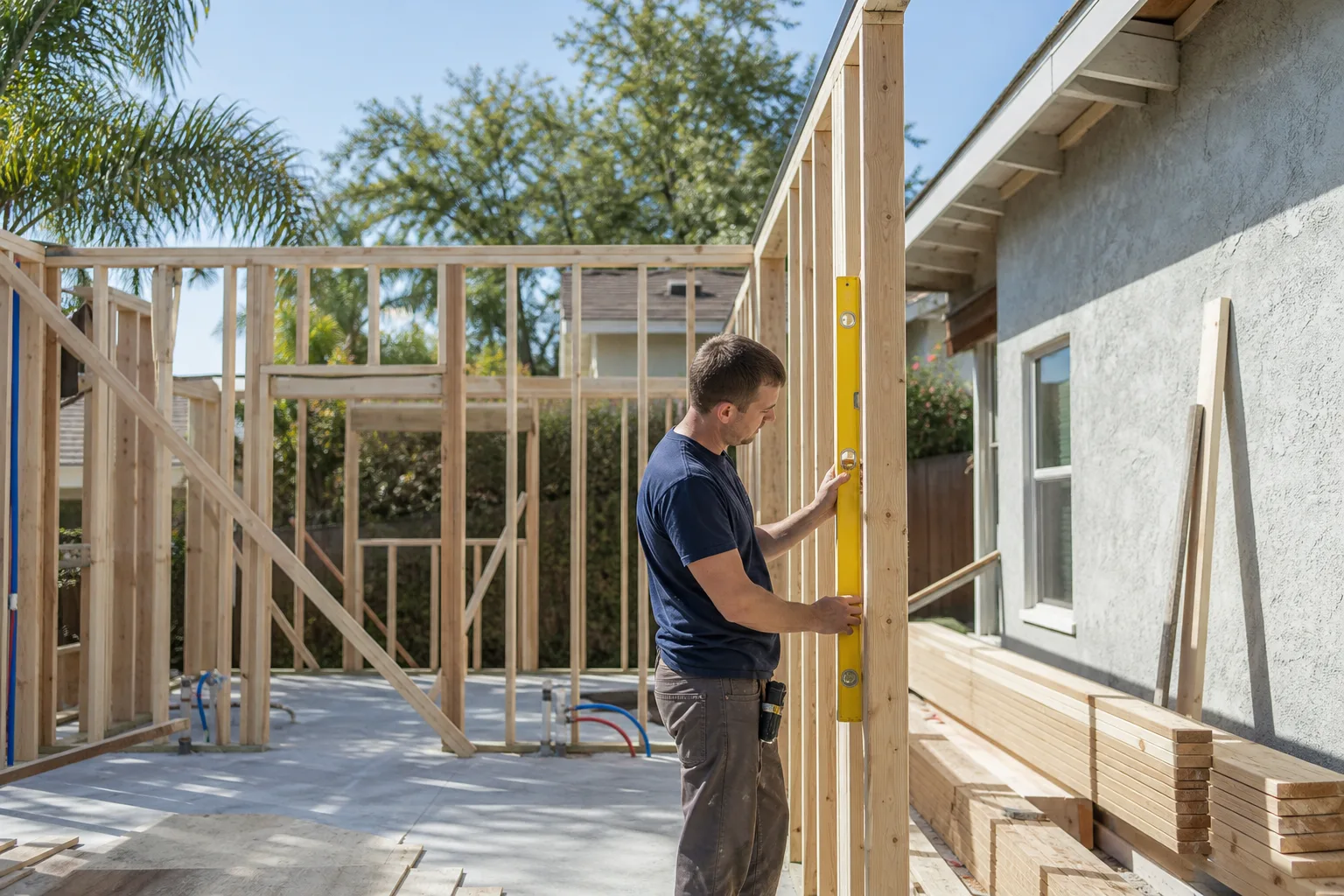
Clark County requires rough-in inspections for framing, plumbing and electrical before drywall closes. A GC who skips those inspections to save a week on the calendar creates a paper trail problem at resale that the homeowner inherits, not the contractor. This is the part of the job homeowners never see and rarely think to ask about.
The GC’s actual calendar is built backward from those inspections. Subcontractors get sequenced around them: the framer finishes, the rough plumbing and electrical go in, the inspection gets called and passed, then the drywall crew moves. Push one trade out of order and the whole chain waits. In Spring Valley, where so much work is lot-by-lot infill and remodel on lots that were built out decades ago, that sequencing gets tighter because the existing structure rarely matches the drawings until walls come down.
Who actually holds the license and the bond?
In Nevada, the GC holds the license and the bond, and the subcontractors work under that umbrella. When something fails, the licensed GC is the accountable party, not the tile setter who has already moved on to the next job. That single fact is why choosing a GC is a decision about accountability, not price alone.
What “Written Price Before Work Starts” Means Operationally
Every homeowner who has been burned by a price that ballooned after demo day asks the same thing: how do I know the number won’t change? The honest answer is that the number doesn’t change when the GC has done the work before writing it. The site walk is done, the county fees are pulled, the HOA requirements are confirmed and the material lead times are priced. That’s a written number you can hold someone to.
Here’s what actual Spring Valley remodels run, so you can calibrate any bid you receive against the local market:
| Project | Typical Spring Valley Range |
|---|---|
| Kitchen remodel | $14,000-$45,000 |
| Small kitchen remodel | $9,000-$20,000 |
| Bathroom remodel | $9,000-$28,000 |
| Walk-in shower installation | $4,500-$12,000 |
| Tub-to-shower conversion | $3,500-$10,000 |
| Home addition | $45,000-$130,000 |
| Garage conversion | $30,000-$80,000 |
Where a project lands inside those ranges depends on layout, cabinet line, countertop material and how much surprises the walls hold. An older Spring Valley ranch with original 1980s plumbing will price differently than a 2001 townhome, even for the same-sized bathroom. The written price captures that difference up front instead of discovering it on demo day.
Extreme desert heat also shapes scheduling. Concrete pours and exterior work get moved away from peak summer temperatures, and near-zero humidity plus intense UV punish stucco, seals and exterior finishes, so materials get specified for that environment rather than the generic builders’-grade equivalent.
What the 365-Day Promise Actually Changes Behind the Scenes
A GC who stands behind a year-long guarantee has a financial reason to spec the right materials and inspect subcontractor work carefully, because a callback inside that window costs the contractor real money. That’s the operational logic behind using named-brand products rather than unspecified equivalents. We install KraftMaid and Wellborn cabinetry, Cambria, Silestone and Caesarstone countertops, and Kohler and Moen fixtures, all brands that carry their own manufacturer warranties alongside ours. The guarantee on every repair is written, and if a repair fails inside the 365-day window, we come back and fix it at no charge, with a free second visit and no service call or re-inspection fee.
The other half of that promise is simpler. Say the price before the work. Show up in the window we gave. Leave the place cleaner than we found it. That’s The Kingswell Way, and it’s what the written guarantee is built on. Technicians arrive background-checked and in uniform, so you know exactly who is walking into your home.
What Does a GC Do That a Handyman Doesn’t?
A handyman can swap a fixture. A general contractor takes legal responsibility for the whole project: the permit, the inspections, the subcontractors, the schedule and the warranty. That’s a different job, and it’s the reason the answer to “what does a general contractor do” comes down to coordination and accountability rather than a list of tools. To see how we frame that responsibility across every project type, start on our home page.
Nevada’s licensing and bonding requirements exist because that responsibility has real teeth. When a project goes sideways, the homeowner needs a licensed party to hold accountable, not a phone number that stops working.
FAQs About General Contractors in Spring Valley
You need one any time the work touches permits, multiple trades, or structural, plumbing or electrical systems. A kitchen or bath remodel in Spring Valley that requires Clark County rough-in inspections and HOA architectural review is a GC job, full stop. Small cosmetic swaps that need no permit can be handled by a handyman.
Expect the county’s permit queue plus inspection scheduling to add real time before any construction starts, and the GC is the one managing that calendar. The exact window shifts by project type, and a GC who has done the site walk and confirmed HOA requirements can give you a realistic schedule rather than a guess. For an exact timeline on your project, call (844) 797-3346.
Yes, and it can affect the budget and schedule for footings, patios and new plumbing runs. Caliche is the cemented calcium-carbonate hardpan common under southwest valley lots, and it can stop a trencher or auger cold, which is why excavation crews here budget for jackhammering where contractors elsewhere just dig. A GC who has walked your lot before quoting can flag that risk up front instead of springing it on you after work starts.
The general contractor is. In Nevada, the GC holds the license and the bond, and the subs work under that umbrella. That’s why the written guarantee and the 365-Day Done Right Promise cover the whole job, not just one trade’s piece of it, and why a failed repair gets a free return visit with no service call fee.
If you’d rather have it looked at, Penhallow Remodeling Spring Valley offers a no-pressure assessment in Spring Valley. We’ll walk the site, check for caliche and drainage issues, confirm your HOA requirements, and put a written price in front of you before any work starts. Call (844) 797-3346 for a free estimate. Our technicians have up to 22 years of experience, and a real person answers the phone whenever you call.
Written by the team at Penhallow Remodeling Spring Valley, serving Spring Valley, NV.