
Last updated November 17, 2026


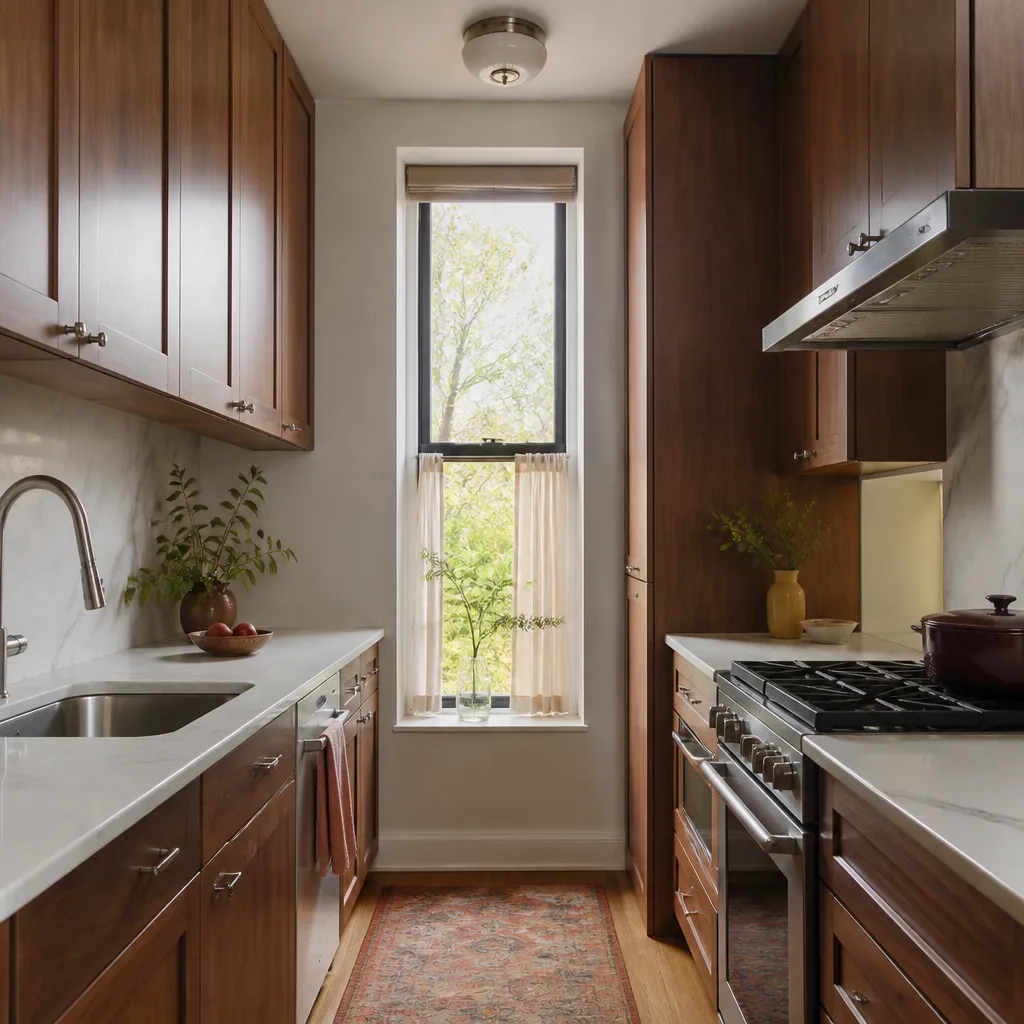





Free written scope consultation - allowances, timeline, and change-order rules on paper before a single trade is scheduled
Construction Permits, Codes & Inspections in NV: What You Need to Know
Here’s the part most homeowners learn too late: in Nevada, a permit isn’t a piece of paper you get to skip if the job “looks small.” When unpermitted work surfaces during a home-sale inspection in Clark County, the buyer’s lender can require you to demolish it before closing – and the contractor who built it is often long gone. We’ve watched Spring Valley homeowners eat that cost on decks, garage conversions, and even a second-story bathroom. This guide walks through which projects need a Clark County permit, how the inspection sequence actually runs for a kitchen or bathroom remodel, what “code compliant” means under the 2021 International Building Code as Nevada adopted it, and how unpermitted work touches title insurance, claims, and resale disclosure. By the end you’ll know who should pull the permit, what to keep in your file, and when to hand the paperwork to a licensed pro.
Quick Answer
Nevada licenses contractors at the state level through the Nevada State Contractors Board, but construction permits are issued and inspected locally – so a Spring Valley remodel is governed by Clark County building codes and inspectors, not a single statewide permit office. Structural, electrical, plumbing, and HVAC work almost always requires a permit and inspections; cosmetic swaps like paint, flooring, and cabinet fronts generally don’t. The homeowner can act as their own “owner-builder” and pull the permit, but for most remodels it’s safer to require your licensed contractor to pull it under their license, because that keeps the liability on them.
Styles & brands we work with
- Kitchen remodeling
- Bathroom remodeling
- Home additions & ADU
- Roofing
- Windows & doors
- Driveway & pavers
- Fence
Table of Contents
- Why Permits in Nevada Are State-Licensed but Locally Enforced
- Which Projects Always Require a Clark County Permit
- What’s Genuinely Exempt (and What Isn’t)
- Homeowner-Builder vs. Contractor-Pulled Permits
- The Clark County Inspection Sequence for a Kitchen or Bath Remodel
- What “Code Compliant” Actually Means in Nevada
- How Unpermitted Work Hits Title, Insurance, and Resale
- Common Mistakes to Avoid
Why Permits in Nevada Are State-Licensed but Locally Enforced
Nevada splits responsibility in a way that trips people up. The state, through the Nevada State Contractors Board, licenses and regulates the contractor. But the building code itself – how a wall is framed, how a drain is vented, how many amps a kitchen circuit needs – is adopted and enforced by the local jurisdiction. For Spring Valley, that means Clark County’s building department issues the permit and sends the inspector. The state’s job is to make sure the person swinging the hammer is licensed; the county’s job is to make sure the wall is built to code. Two different systems, two different failure points.
Because of that structure, “my contractor said it’s fine” carries no weight with a county inspector. Only the signed-off inspection record does. Spring Valley sits in unincorporated Clark County, so residential remodels route through Clark County’s permitting process rather than an independent city department. When we scope a job, we pull the correct jurisdiction first – getting that wrong delays the whole schedule before the first nail is set. If you’re early in planning, our overview of being a general contractor in Spring Valley explains how a full project is sequenced from permit to final walkthrough.
Which Projects Always Require a Clark County Permit
Some work always needs a permit and an inspection. If a project touches the structure, the power, the water, or the air, assume it’s permitted until the county tells you otherwise. In our experience the four categories below are the ones homeowners most often assume are “no big deal” and most often get flagged for.
- Structural: removing or adding walls, cutting new openings, new beams, raising a ceiling, adding a room, converting a garage, or building a deck, patio cover, or block wall over the height threshold. Load path changes are the core reason structural permits exist.
- Electrical: new circuits, panel upgrades, added outlets and lighting, and any change to a kitchen or bathroom circuit. If the panel cover comes off, the county wants to see it.
- Plumbing: moving or adding a drain, water line, or fixture, and re-piping. A relocated toilet or sink means new drain geometry – that’s a permit.
- HVAC: new units, ductwork changes, and adding a mini-split. Even a swap can require a mechanical permit and an inspection of the connections.
In a typical Spring Valley kitchen remodel, that means the permit covers cabinetry tied to structural changes, the electrical for new appliances and outlets, the plumbing for a relocated sink, and any hood or venting work. Cosmetic finishes on top – paint, tile, hardware – don’t each need their own permit, but they sit on top of permitted work. Our kitchen remodeling in Spring Valley page shows how the trades stack in a real project. For wet-area work, the bathroom remodeling in Spring Valley guide covers shower pans and venting, two of the most common inspection failures.
What’s Genuinely Exempt (and What Isn’t)
The gray area is where people get hurt. Here’s the useful split: pure finish work is usually exempt, and anything with a hidden system behind it is usually not. Use this as a starting point, then verify with the county – the codes have thresholds, and a good contractor will confirm the current number before the saw comes out.
- Typically exempt: interior and exterior paint, replacing flooring, swapping cabinet fronts, replacing a faucet with the same size valve in the same spot, replacing a countertop with no plumbing or electrical change, and replacing a light fixture on an existing circuit.
- Typically NOT exempt: replacing a water heater, adding an outlet, moving a drain, reconfiguring a wall, finishing a garage, or adding a gas line.
Here’s the deeper point: “exempt from permitting” is not the same as “exempt from code.” An un-permitted but code-compliant vanity swap still has to be code-compliant – you just don’t get the county’s sign-off to prove it. That matters at sale, because a buyer’s inspector can’t tell if your drain was done right by looking at a finished cabinet. A late-1990s Spring Valley home may still have the original plumbing behind a now-tiled vanity, and a homeowner who never thought to permit the swap has no paper trail either way.
Homeowner-Builder vs. Contractor-Pulled Permits
You can pull your own permit. Nevada allows a homeowner to act as their own “owner-builder” on their primary residence, which means you apply for the permit, receive the inspections, and sign the paperwork. But there’s a catch that surprises people: as an owner-builder, the license and the responsibility are yours, not the contractor’s. If the inspection fails, the fix is on you to arrange – and if the work is defective and the contractor refuses to return, you’re navigating it alone.
When your licensed contractor pulls the permit under their own license, the structure changes in a way that protects you:
- The county knows who’s responsible. The permit is tied to a licensed contractor who has a legal relationship with the jurisdiction. If work is defective, there’s a license and a real entity on record.
- The inspections fall to the right party. The contractor schedules them; you don’t spend a morning on the phone trying to reach an inspector.
- The sign-offs are in the contractor’s file as well as yours. At resale your paperwork is complete, and the contractor is still reachable if something’s questioned.
- You keep the liability off your name. An owner-builder permit can shift accountability for code failures to the homeowner.
We pull permits under Penhallow Remodeling’s licensing on every job, and we hand the sign-off paperwork to the homeowner when we close out. That’s part of the Kingswell standard: the price is in writing before work starts, and so is the record of what was inspected. If you’re planning a whole-home project, our main Penhallow Remodeling Spring Valley home page lays out the full scope and the 365-Day Done Right Promise that covers every job.
The Clark County Inspection Sequence for a Kitchen or Bath Remodel
The sequence isn’t a mystery, but it’s the part homeowners are least prepared for. Based on how a typical Spring Valley kitchen or bathroom remodel runs, here’s the order and what triggers each inspection. Exact wait times vary with the county’s volume, so treat the timing windows as a planning range, not a guarantee.
- Rough-in inspection. After framing, plumbing, electrical, and mechanical are installed but before drywall goes up. This is the biggest single checkpoint.
- Electrical rough and/or panel inspection. If the panel changed or new circuits were run, the electrical rough is checked separately from the other trades.
- Plumbing and mechanical rough. Drain, water, and vent work plus any duct or refrigeration line is checked before it’s closed in.
- Framing inspection. For structural changes, the county checks the framing and load path before insulation and drywall.
- Insulation and drywall. Once those pass, the walls can close – and not before, or you’ll be opening them back up.
- Final inspection. After finishes, fixtures, and appliances are in, the county verifies the work matches the approved plans and everything is operational.
A typical kitchen remodel might see three to five separate inspections, and each one can swallow a day or more of the schedule just waiting on availability. That’s why we schedule the inspection calls as early as the county allows, before demo even starts. In our experience, planning for inspection windows upfront keeps the kitchen from sitting half-finished for an extra week while you wait on a re-inspection.
What “Code Compliant” Actually Means in Nevada
“Code compliant” means the work matches the building code that the jurisdiction has adopted at the time of permitting. Nevada adopted the 2021 International Building Code with state amendments – and the 2021 International Residential Code for one- and two-family homes – so a permit issued now is measured against that edition, not the one from a decade ago. Two homeowners looking at the same wall can face different requirements depending on when their permit is pulled.
Practically, the code covers a few things homeowners care about most:
- Structure: how load is carried, how framing is sized, and how connections are made so the house stays standing.
- Electrical: wiring methods, circuit sizing, grounding, and the number of circuits a kitchen requires (small-appliance and GFCI rules are strict).
- Plumbing: drain slope, venting, and materials approved for potable water.
- Energy: insulation and window ratings, which in a Spring Valley climate matter as much for cooling as for comfort.
The state amendments layer on top of the base code, so the practical answer to “is this compliant?” is always “compliant with the amendment to the 2021 code as currently adopted.” We check current requirements at the county level before submitting plans, because adoption updates happen and a plan built to last cycle’s rules gets sent back. This is also where material choice earns its keep – a James Hardie siding install has a documented compliance path that a no-name panel doesn’t, and materials from recognized brands like those carry their own installation standards that line up cleanly with the county’s expectations.
How Unpermitted Work Hits Title, Insurance, and Resale
This is the section to read twice. Unpermitted work rarely costs you at the time it happens – it costs you when you least want a problem: at a sale, at a claim, or when a buyer’s inspector writes the word “unpermitted” on a report.
- Title insurance. Standard title policies cover ownership and liens, not code compliance. Unpermitted work doesn’t get cured by title insurance; it can actually delay closing when a buyer’s lender demands verification.
- Homeowner’s insurance. A claim arising from unpermitted work can be disputed or denied. The insurer can argue the damage traces to work that wasn’t inspected or approved – and the adjuster will ask for the permit record.
- Resale disclosure. Nevada requires sellers to disclose known conditions and work. An unpermitted addition or remodel that surfaces in an inspection has to be disclosed, and a buyer can demand it be corrected or the price adjusted.
- The demolition risk. A stop-work or demolition order on unpermitted work discovered during a sale inspection is a real outcome in Clark County – and there’s no contractor left to hold accountable if the job was done under the table.
The pattern we see in Spring Valley: a previous owner added a deck, finished a garage, or reworked a shower without a permit, and the current owner inherits the problem ten years later. The fix is always easier before the sale is in escrow. If you suspect unpermitted work on a home you’re considering, walk away or negotiate a credit for correction – and get it in writing.
Common Mistakes to Avoid
- Assuming “small job” means “no permit.” Moving a drain or adding a circuit is small to you and a permit to the county – skip it and you’ve built the problem you’ll pay to fix at resale.
- Letting the contractor talk you out of the permit. “We do this all the time without one” is a red flag that shifts liability onto you. A licensed contractor who resists permits is telling you something about how they operate.
- Pulling an owner-builder permit to save a little paperwork. The permit is a small fee compared to the liability you take on if the work fails inspection and the contractor disappears.
- Closing up walls before the rough inspection. Drywall over un-inspected plumbing or electrical is the single most expensive mistake on this list – it means reopening the wall.
- Losing the sign-off paperwork. Keep the permit record and inspection cards together. If you sell, that file is your proof; without it, a buyer’s inspector treats the work as unpermitted.
- Building to last cycle’s code. The 2021 code with state amendments is what’s enforced now. Plans built to an old edition get sent back and cost you time.
- Skipping the contractor’s license check. The state licenses the contractor and the county permits the work – verify the license number independently on the Nevada State Contractors Board lookup before you sign anything.
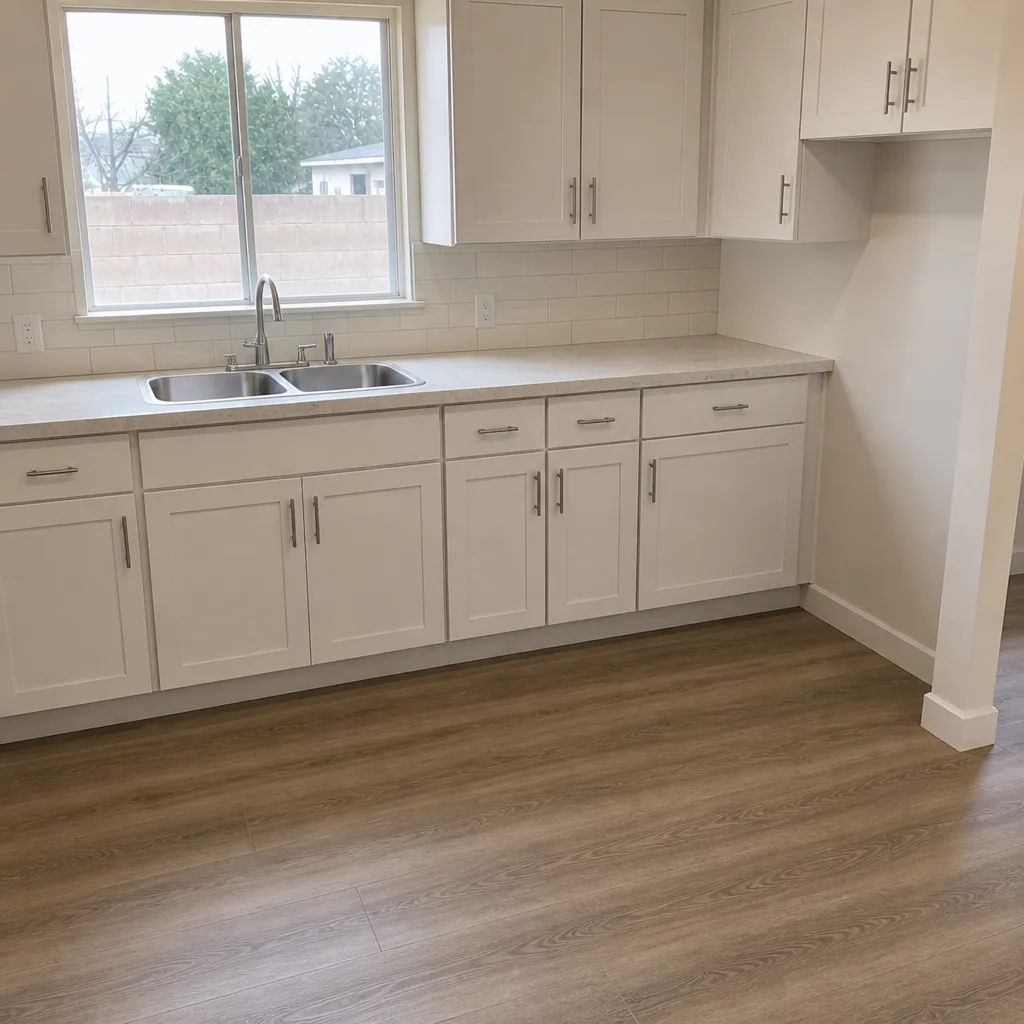
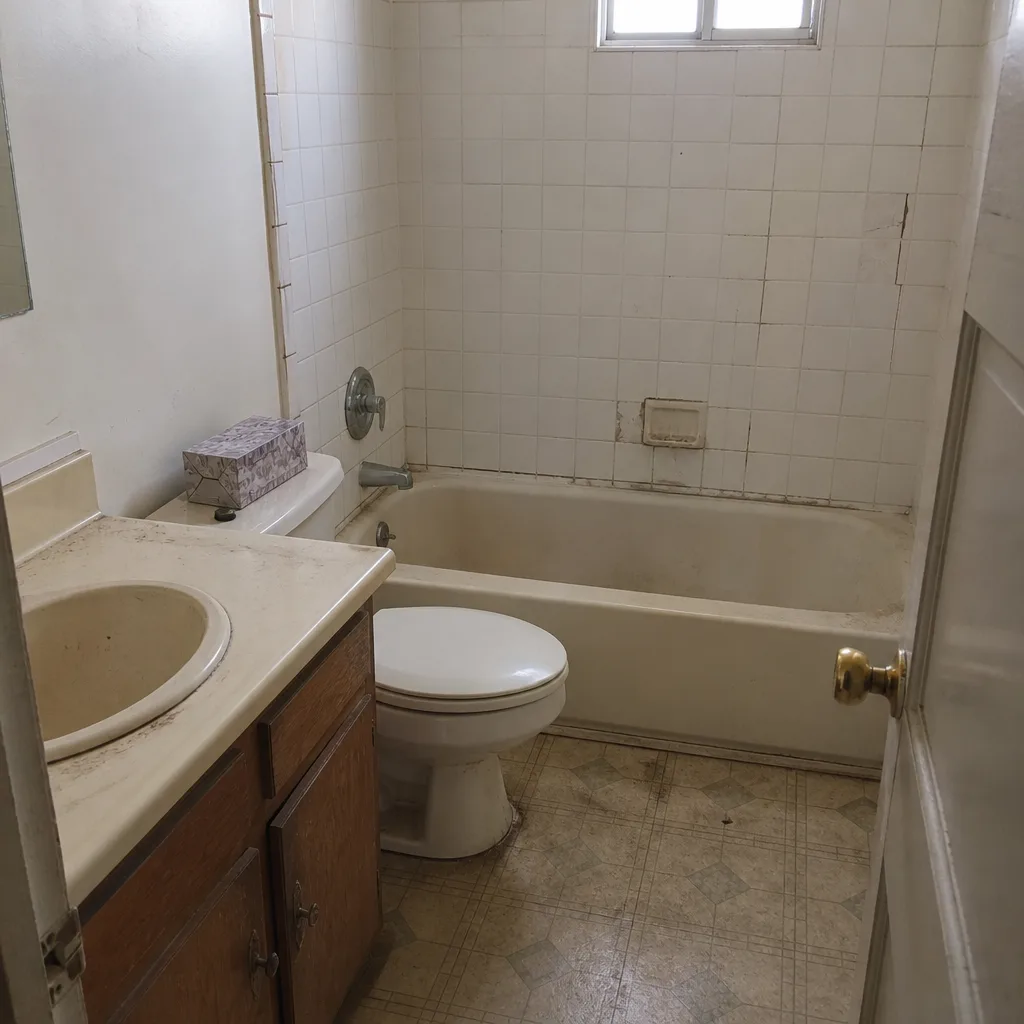
See the difference
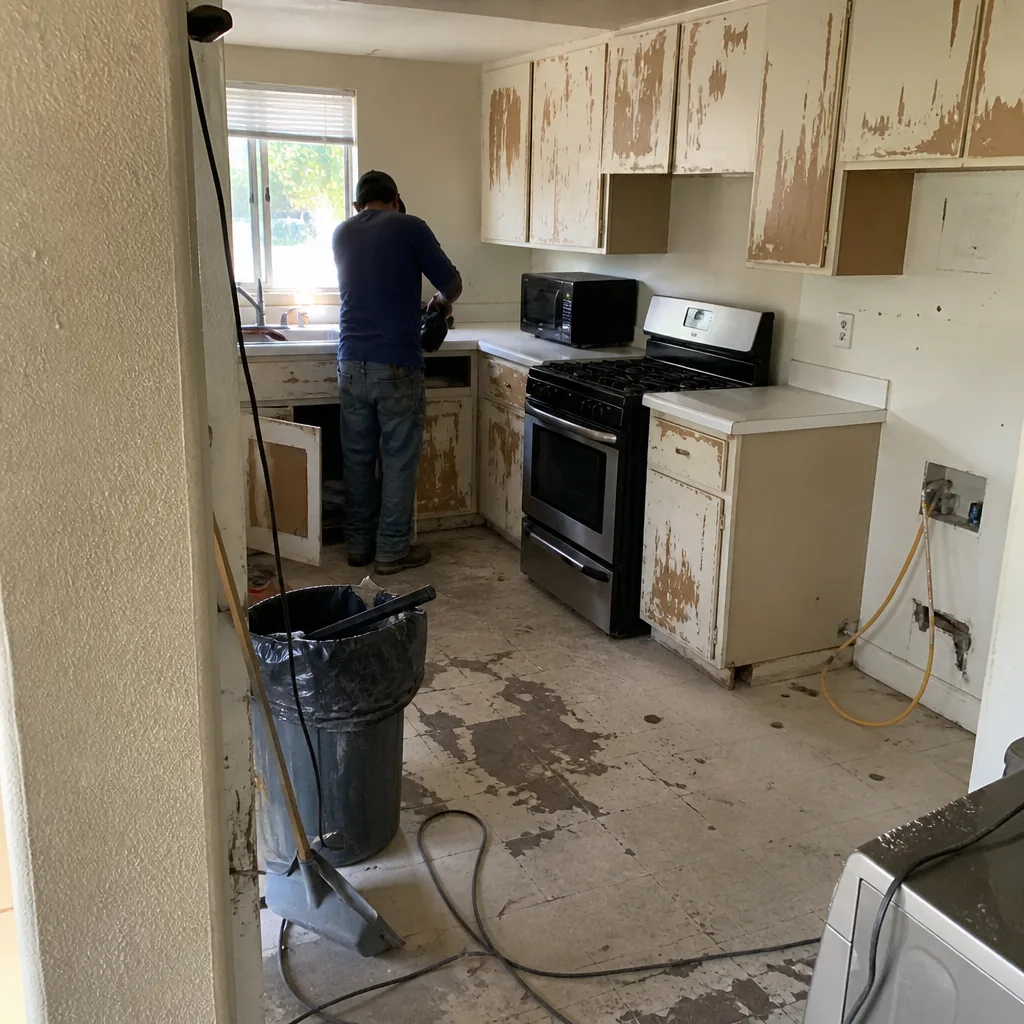 Before
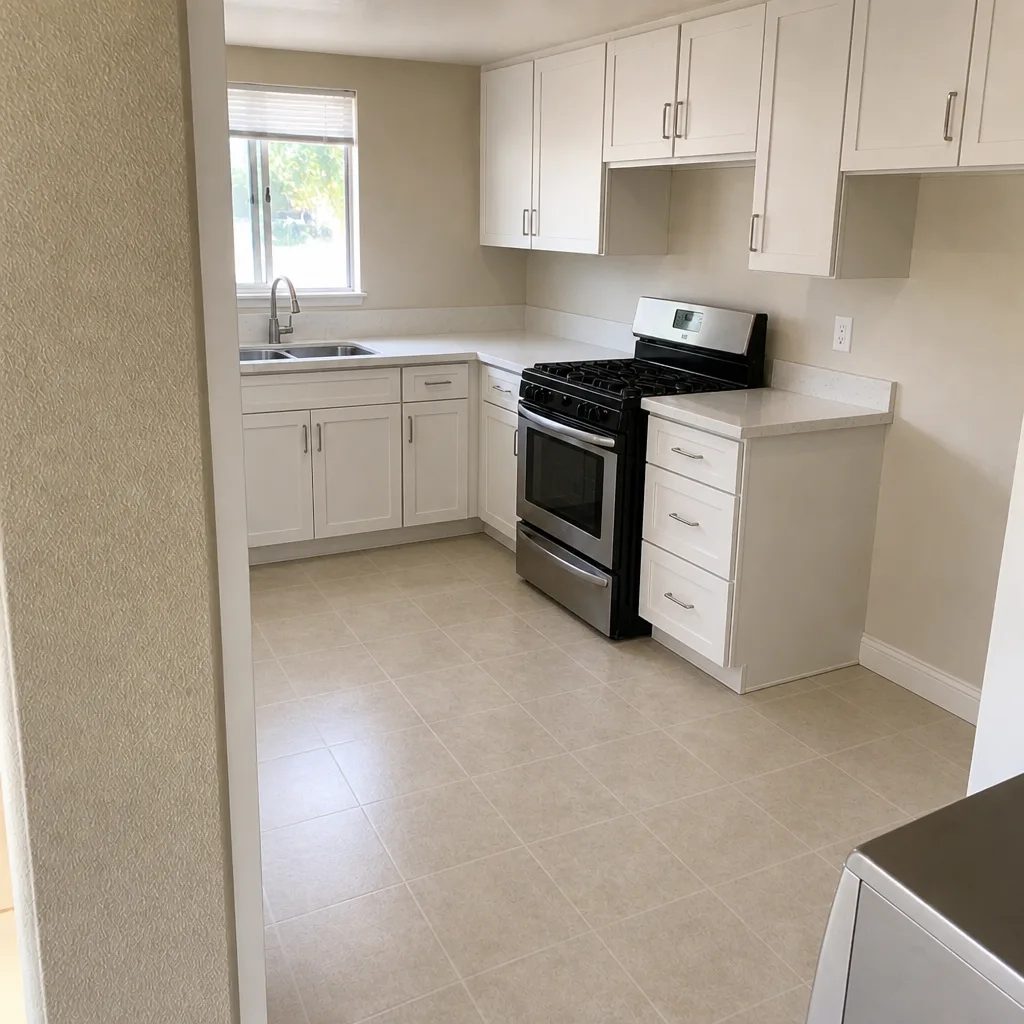 After
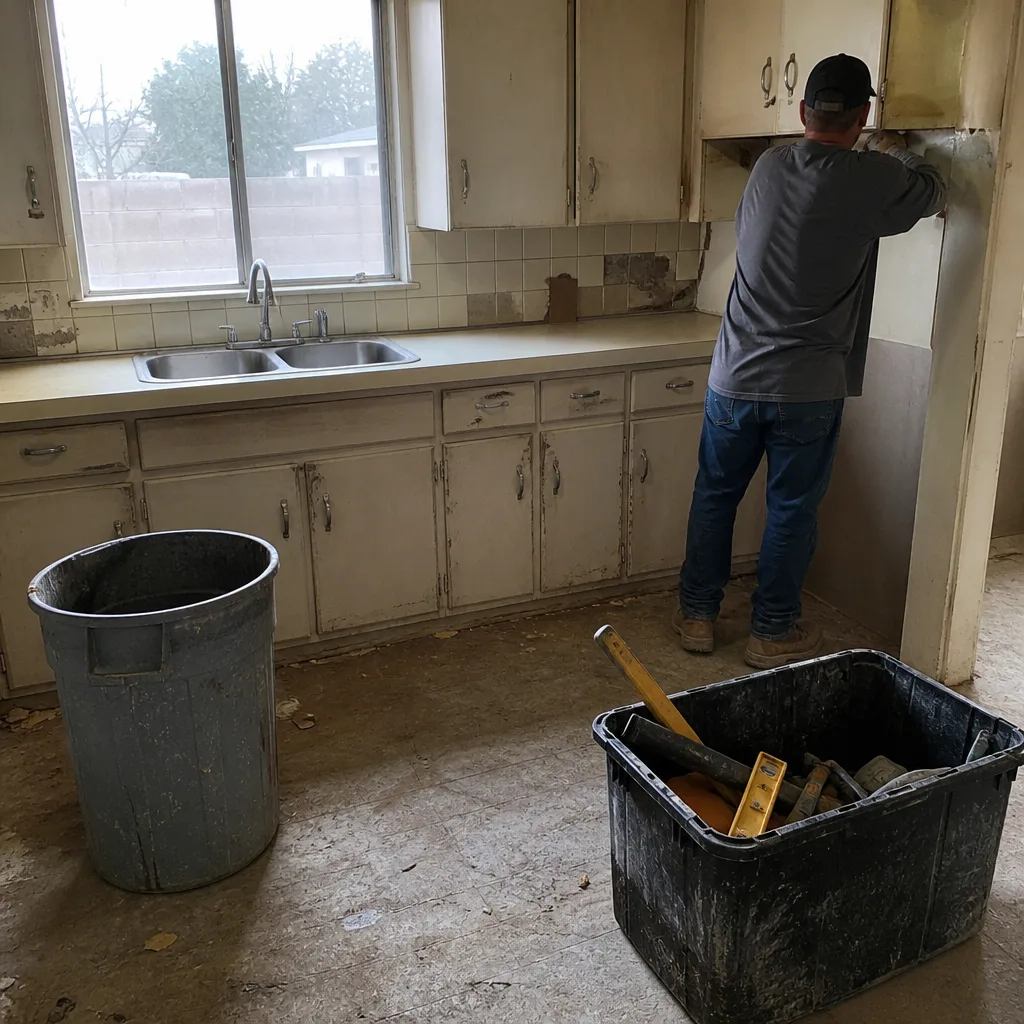 Before
 After
 Before
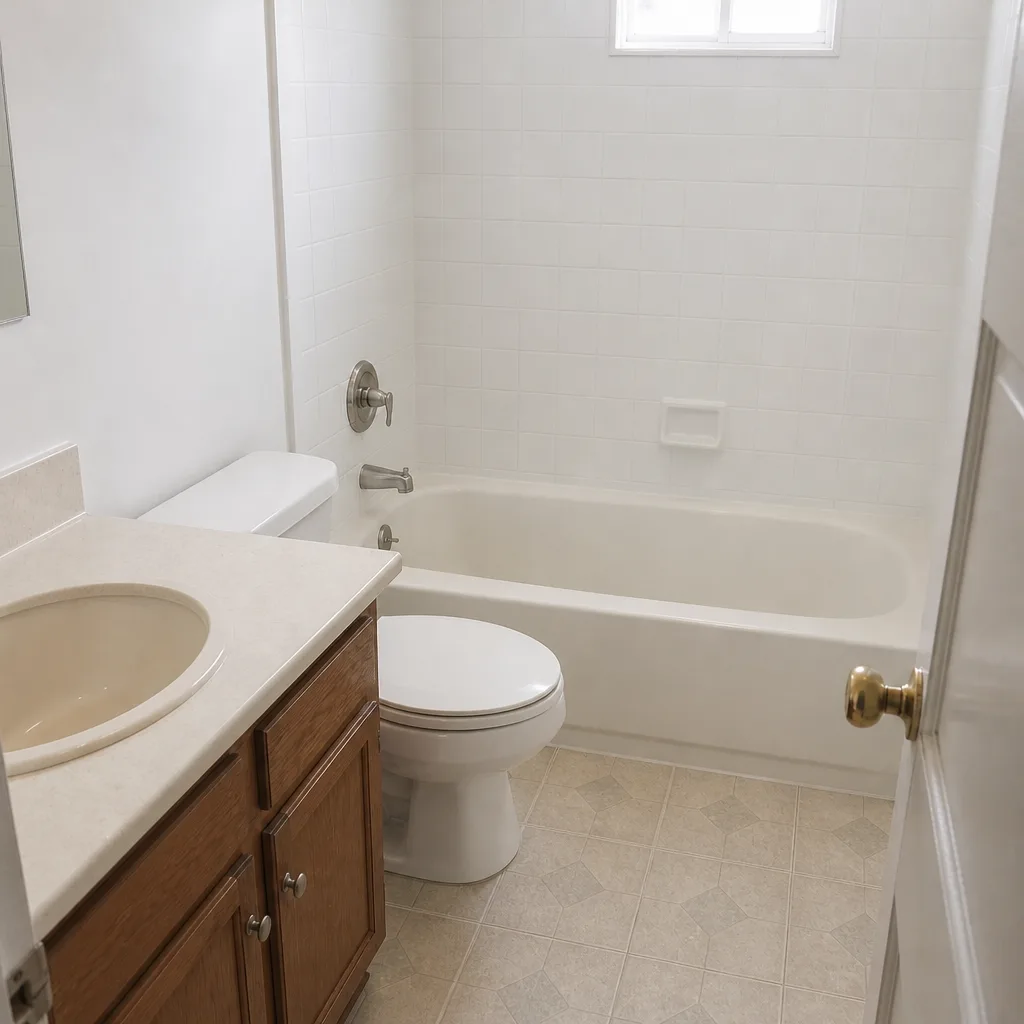 After
When to Call a Professional
Call a contractor when the project touches structure, power, water, or air – and call before demo, not after. Specifically: any wall removal or addition, a bathroom or kitchen reconfigure, a panel upgrade, a plumbing relocation, a garage conversion, or any job where the permit was never pulled and you need to correct it. If you’re buying a Spring Valley home and the inspection report flags unpermitted work, that’s a call too. We’ve spent up to 22 years on jobs exactly like these, and our technicians are background-checked and arrive in uniform, so you know who’s in your home. Penhallow Remodeling Spring Valley offers free estimates in Spring Valley – call (844) 797-3346 to schedule yours. Every project comes with a written price before work starts and our 365-Day Done Right Promise in writing.
Frequently Asked Questions

Yes, if the work touches plumbing, electrical, or structural. Moving a drain or adding a circuit in a Spring Valley bathroom requires a permit and inspections; a pure cosmetic refresh like paint, tile, and a fixture swap in the same location usually doesn’t. When in doubt, verify with the county before demo – and call (844) 797-3346 for a free estimate that includes permit scope.
You can act as your own “owner-builder” on your primary residence and pull the permit yourself. But doing so puts the license and the liability on you, not the contractor, which is why we recommend requiring the contractor to pull it under their license. Call (844) 797-3346 and we’ll explain exactly which approach fits your project – the estimate is free.
Wait times vary with the county’s volume, so plan for days rather than hours and schedule each inspection as soon as the prior one clears. A typical kitchen remodel needs three to five separate inspections, and each scheduling gap adds to the timeline. Call (844) 797-3346 for a realistic schedule for your project – the price and window are in writing up front.
It can. Insurers may deny or dispute a claim that traces to work that was never inspected or approved, and the adjuster will ask for the permit record. That risk is one reason we pull permits on every job we do. Call (844) 797-3346 to talk through a correction – estimates are free.
Nevada adopted the 2021 International Building Code with state amendments, and the 2021 International Residential Code for one- and two-family homes. A permit issued now is measured against that edition, not an older one, so plans built to a previous cycle can get sent back. Call (844) 797-3346 and we’ll confirm current requirements for your Spring Valley job before we pull anything.
The permit fee itself is a small piece of the total – the bigger cost is the time added by inspections, which a realistic schedule accounts for. Skipping the permit can actually cost more at resale if the work is flagged. Call (844) 797-3346 for a free estimate with the permit and inspection timeline built into the number.
The Bottom Line
Nevada’s permit system is state-licensed but locally enforced, which means your Spring Valley remodel is reviewed by Clark County inspectors against the 2021 code with state amendments – and the permit record is your proof of compliance. Always permit structural, electrical, plumbing, and HVAC work; require your contractor to pull it under their license rather than taking on owner-builder liability; plan the inspection sequence in upfront; and keep the sign-off paperwork forever. Unpermitted work doesn’t save money – it moves the cost to your closing table, your insurance claim, or your resale disclosure. The right contractor puts the price in writing before work starts and stands behind it. Penhallow Remodeling Spring Valley offers free estimates and written quotes with every project, backed by the 365-Day Done Right Promise. Call (844) 797-3346 to schedule yours.
Written by the team at Penhallow Remodeling Spring Valley.