Last updated November 17, 2026







Free written scope consultation - allowances, timeline, and change-order rules on paper before a single trade is scheduled
Home Remodeling Maintenance Schedule: What to Do and When
Most maintenance guides tell you to “inspect annually.” That’s not a schedule, that’s a suggestion. A remodeled home in Spring Valley’s desert climate has specific, time-sensitive checkpoints that generic calendars ignore entirely. Fresh caulk, new grout, settling substrates, and newly installed mechanical systems all behave differently in the first year than they will in year ten. The heat cycling here alone – 100°F afternoons dropping into the 70s at night for months at a stretch – works on new materials faster than any national average predicts.
This guide gives you a real schedule: a 30/90/365-day protocol for the first year after a remodel, a room-by-room calendar for every year after that, and a clear breakdown of which tasks protect your warranty and which ones forfeit it. You’ll also see exactly where our 365-Day Done Right Promise ends and your maintenance responsibility begins.
Quick Answer
After a remodel, inspect caulk, grout, and mechanical systems at 30, 90, and 365 days – sooner in Spring Valley, where extreme summer heat cycling causes sealant and grout to fail faster than manufacturer guidelines assume. Then follow a room-by-room annual calendar: reseal grout and caulk every 12-18 months in wet areas, check cabinet hardware and door alignment yearly, and service HVAC, plumbing shutoffs, and exhaust fans once a year. Skipping grout sealing or caulk checks can void manufacturer warranties on tile, cabinetry, and fixtures.
Styles & brands we work with
- Kitchen remodeling
- Bathroom remodeling
- Home additions & ADU
- Roofing
- Windows & doors
- Driveway & pavers
- Fence
Table of Contents
- Why Post-Remodel Maintenance Is Different
- The First-Year Protocol: 30, 90, and 365 Days
- How Spring Valley’s Climate Changes the Schedule
- Kitchen Maintenance Calendar
- Bathroom Maintenance Calendar
- Whole-Home Systems and Exterior
- Your Warranty vs. Your Maintenance Responsibility
- Common Mistakes to Avoid
Why Post-Remodel Maintenance Is Different
General home maintenance assumes materials that have been in place for years. Post-remodel maintenance deals with materials that are still settling in. That distinction matters more than most homeowners realize.
New caulk shrinks as it cures. Fresh grout releases moisture for weeks after installation. Wood cabinets adjust to indoor humidity through their first full seasonal cycle. Subfloors and framing settle under new tile and countertop loads. None of that is a defect – it’s normal behavior that a 10-year-old kitchen has already finished doing. The first year is when you catch problems while they’re still small and cheap to correct.
There’s a second reason the post-remodel schedule differs: warranty terms. Manufacturers of tile, grout, cabinetry, and plumbing fixtures attach conditions to their coverage. Cambria quartz, Silestone, and Caesarstone countertops carry their own warranties alongside the installation guarantee, and those warranties generally require basic care – no abrasive cleaners, no unprotected heat exposure, proper sealing where the product calls for it. Miss those steps and the warranty can be declined when you need it.
We’ve walked into Spring Valley homes two years after a remodel where a single failed caulk line behind a kitchen sink had wicked water into the cabinet base. A $15 tube of sealant and five minutes at month 12 would have prevented a repair that ran into four figures. That’s the whole case for a real schedule: maintenance protects the remodeling dollars you’ve already spent.
The First-Year Protocol: 30, 90, and 365 Days
The first year after any remodel is the highest-stakes window. Materials are settling, sealants are curing, and small issues are still small. Here’s the protocol we recommend for every Spring Valley project we complete.
Day 30: The Settling Check
- Walk every caulk line in the kitchen and bathroom. Look for gaps, pulls, or cracks at the wall-to-counter and wall-to-tub junctions.
- Open and close every cabinet and drawer. Note any that have shifted, rub, or stopped latching cleanly. Hinges settle in the first month.
- Check grout lines in the shower and backsplash for hairline cracks. Fresh grout can crack as the substrate finishes drying.
- Test every plumbing shutoff valve under sinks and behind toilets. Open and close each one once so they don’t seize.
- Run the exhaust fans in the bathroom and kitchen and confirm they pull air strongly. Feel for airflow at the grille.
Day 90: The Seasonal Transition Check
- Re-inspect all caulk and grout, especially on exterior walls where temperature swings hit hardest.
- Check door and window operation through the full range. Newly installed units like CWS or ES Windows should open, close, and lock smoothly; if they’ve tightened up, that’s worth a call.
- Look under every sink for moisture, staining, or soft wood. Run water and watch the trap and supply connections.
- Confirm cabinet doors still align. Adjust as needed – most hinges have a simple adjustment screw.
- Check the water heater, HVAC filter, and any newly installed appliance for normal operation.
Day 365: The Full Anniversary Inspection
- Reseal grout in all wet areas if the tile line calls for it (more on this below).
- Re-caulk any line that has pulled, cracked, or shrunk through the first full year of heat cycling.
- Have the HVAC system serviced, including the new ductwork or register locations if the remodel touched them.
- Inspect the exterior for any siding, trim, or flashing issues around new penetrations. James Hardie siding is durable, but the sealant around windows and vents still needs a look.
- Test every GFCI outlet in the kitchen and bathroom. Press the test button; the outlet should trip and reset.
How Spring Valley’s Climate Changes the Schedule
National maintenance calendars assume moderate temperature swings and average humidity. Spring Valley doesn’t have those. Summer afternoons routinely climb past 105°F, and the overnight drop can run 30 degrees or more. That daily expansion-and-contraction cycle works on sealant, grout, and caulk joints constantly, and it’s why we shorten the standard inspection intervals for every Spring Valley home.
Here’s what the climate changes in practice:
- Caulk and grout fail faster. Where a national guide says “reseal every 2-3 years,” Spring Valley conditions often call for 12-18 months in wet areas and sun-exposed exterior joints. Grout in a shower that gets daily use may need annual sealing rather than biennial.
- Exterior sealant around windows and doors needs yearly attention. UV exposure breaks down caulk on south- and west-facing walls faster than on shaded sides. Check those elevations first every spring.
- Low humidity hides water problems. A slow leak under a sink evaporates quickly here, so you may not see standing water – you’ll see staining or soft wood instead. Check with your hand, not just your eyes.
- Dust and grit accumulate. Spring Valley’s wind carries fine dust that works into window tracks, door slides, and cabinet hinges. Wipe and lubricate moving parts annually.
- HVAC runs hard for eight months. Filters clog faster than the manufacturer’s “every 90 days” label suggests for this climate. Check monthly in summer and replace as needed.
If your remodel included windows, the exterior sealant check matters most. Products from ECO Window Systems, Mr-Glass, and similar manufacturers are built for desert conditions, but the installation sealant is still a wear item. A failed seal at a window frame lets in both water and dust, and both cause problems behind the wall.
Kitchen Maintenance Calendar
The kitchen takes more daily wear than any room in the house, and a remodeled kitchen has more surfaces to maintain. Here’s the calendar we recommend for Spring Valley homeowners. If you’re planning a kitchen project and want to understand what goes into the build itself, see our guide to Kitchen Remodeling in Spring Valley.
Monthly
- Wipe cabinet fronts with a damp cloth and mild soap. Avoid abrasive cleaners on KraftMaid and Wellborn finishes – they dull the surface and can void the finish warranty.
- Check under the sink for moisture or staining.
- Clean the range hood filter.
- Run the garbage disposal with cold water and a citrus peel to keep it fresh.
Every 3-6 Months
- Inspect caulk at the counter-to-backsplash joint. In Spring Valley’s heat, this line often needs attention sooner than national guides suggest.
- Tighten cabinet hardware. Knobs and pulls work loose with daily use.
- Check door hinges and adjust if doors have dropped or rub.
- Pull the refrigerator out and vacuum the coils if it’s accessible.
Annually
- Reseal grout in the backsplash if the tile line requires it.
- Deep-clean the oven, dishwasher filter, and range hood.
- Inspect the dishwasher supply line and drain hose for cracking or wear.
- Test the GFCI outlets.
- Check that the countertop seams are still tight. Cambria, Silestone, and Caesarstone are non-porous and don’t need sealing, but the seams between slabs can open if the cabinets below have settled.
Bathroom Maintenance Calendar
Moisture is the enemy in any bathroom, and a newly remodeled one is where the stakes are highest – fresh tile, new fixtures, and cured sealant all need consistent care to last. Our Bathroom Remodeling in Spring Valley projects always come with a written maintenance checklist for this reason.
Monthly
- Run the exhaust fan during and after every shower. Wipe down walls and glass to reduce standing moisture.
- Check the caulk line at the tub and shower base for cracks or lifting.
- Test the GFCI outlet.
- Check the toilet for running or rocking. A rocking toilet stresses the wax seal.
Every 6 Months
- Inspect grout lines in the shower, floor, and backsplash. Hairline cracks need sealing before water gets behind the tile.
- Clean the exhaust fan grille and confirm airflow. A clogged fan lets moisture build up in the walls.
- Check the shower door and tub surround for loose sealant or hardware.
Annually
- Reseal grout in the shower and floor. This is the single most important maintenance task for a tiled bathroom, and in Spring Valley’s climate it’s often a yearly job in daily-use showers.
- Inspect and replace the toilet flapper and fill valve if they’ve degraded.
- Check under the vanity for moisture and soft wood.
- Inspect Kohler and Moen fixtures for mineral buildup. Spring Valley’s water is hard; a vinegar soak on showerheads and faucet aerators keeps flow strong.
Whole-Home Systems and Exterior
Whole-home remodels touch the systems that keep everything else running, and those need their own calendar. If your project included structural or mechanical work, our team at Penhallow Remodeling as your General Contractor in Spring Valley can walk you through what was changed and what needs eyes on it.
Mechanical Systems – Annually
- HVAC service in spring, before the cooling season. In Spring Valley, summer is the season that matters; get ahead of it.
- Water heater flush to remove sediment. Hard water accelerates buildup.
- Test smoke and carbon monoxide detectors.
- Inspect the electrical panel for signs of heat, scorching, or tripped breakers that keep tripping. Electrical work is not a DIY job – call a licensed electrician.
Exterior – Spring and Fall
- Walk the perimeter and check sealant around every window and door. Products like Therma-Tru entry doors and James Hardie siding hold up well, but the sealant joints around them are wear items.
- Inspect the roof, especially around any new penetrations from a remodel.
- Check gutters and downspouts for debris.
- Re-seal exterior wood trim if it’s showing wear.
Seasonal Notes for Spring Valley
- Spring: Check exterior sealant and window operation after winter. Clean dust from window tracks.
- Summer: HVAC filter monthly, grout and caulk inspection as heat peaks.
- Fall: Reseal exterior joints before the temperature swings. Check that windows still seal tightly.
- Winter: Inspect under-sink plumbing and test shutoff valves. This is the calmest season for interior maintenance.
Your Warranty vs. Your Maintenance Responsibility
This is the section most homeowners never get from their contractor, and it’s the one that matters when something goes wrong. Our 365-Day Done Right Promise covers our workmanship: if a repair or installation fails inside the guarantee period, we come back and fix it at no charge. That’s a written commitment, backed in writing on every project. But that guarantee and your maintenance responsibility are two separate lanes, and it helps to understand exactly where each one runs.
What we cover under the 365-Day Done Right Promise:
- Installation defects – a tile that lifts, a cabinet door that fails, a fixture that leaks at a fitting we installed.
- Caulk and sealant failures attributable to installation, within the guarantee window.
- Anything that was done wrong on our side of the work.
- A free return visit if a repair fails. No service call fee, no re-inspection charge.
What falls on you as the homeowner:
- Routine maintenance – resealing grout, checking caulk, cleaning filters, lubricating hinges.
- Damage from neglect – a failed caulk line that went unchecked for a year and rotted the cabinet base underneath.
- Manufacturer warranty conditions – most tile, cabinet, and countertop warranties require documented care. Skip the grout sealing a warranty specifies and that warranty can be declined.
- Normal wear and settling after the first year.
The clearest way to think about it: our guarantee protects you from our mistakes, and your maintenance protects you from everything else. The two work together. If you keep the schedule above and something still fails, call us – that’s exactly what the promise is for. If you skip a year of grout sealing and the shower starts leaking behind the tile, the repair is on your side of the line.
Also worth knowing: your manufacturer warranties layer on top of ours. Cambria quartz carries its own lifetime warranty, and Kohler and Moen fixtures carry their own finish and function warranties. Those are separate from our 365-day promise, and each has its own care conditions. Keep your receipts and any care documentation, and it’s much easier to make a claim if you ever need to. For the broader picture of how we organize projects at Penhallow Remodeling Spring Valley home, see our main page.
Common Mistakes to Avoid
- Skipping the 30-day check. The first month is when settling issues are cheapest to fix. Ignore it and a $15 caulk line becomes a $400 cabinet repair.
- Using abrasive cleaners on new cabinets. KraftMaid and Wellborn finishes are durable, but abrasive pads and harsh sprays can dull the surface and void the finish warranty. Stick to mild soap and a soft cloth.
- Assuming Spring Valley grout will last like the label says. Manufacturer guidelines often assume moderate climates. Here, daily-use showers may need annual resealing, not the biennial schedule on the bottle.
- Waiting to see if a window tightens up. If a new window sticks or won’t seal after three months, that’s usually an adjustment issue, not something that resolves itself. Call about it while it’s still under warranty.
- Ignoring a running toilet. The wax seal under a rocking toilet is a slow leak waiting to happen, and in Spring Valley’s dry heat you won’t see water – you’ll see a stain.
- Cleaning grout with vinegar or acid. Mild cleansers only. Acidic cleaners etch grout and can damage tile glaze, and they cancel some manufacturer warranties outright.
- Skipping the annual exterior sealant check. UV exposure on south- and west-facing walls ages caulk fast. A five-minute check each spring saves a flashing repair each fall.
See the difference
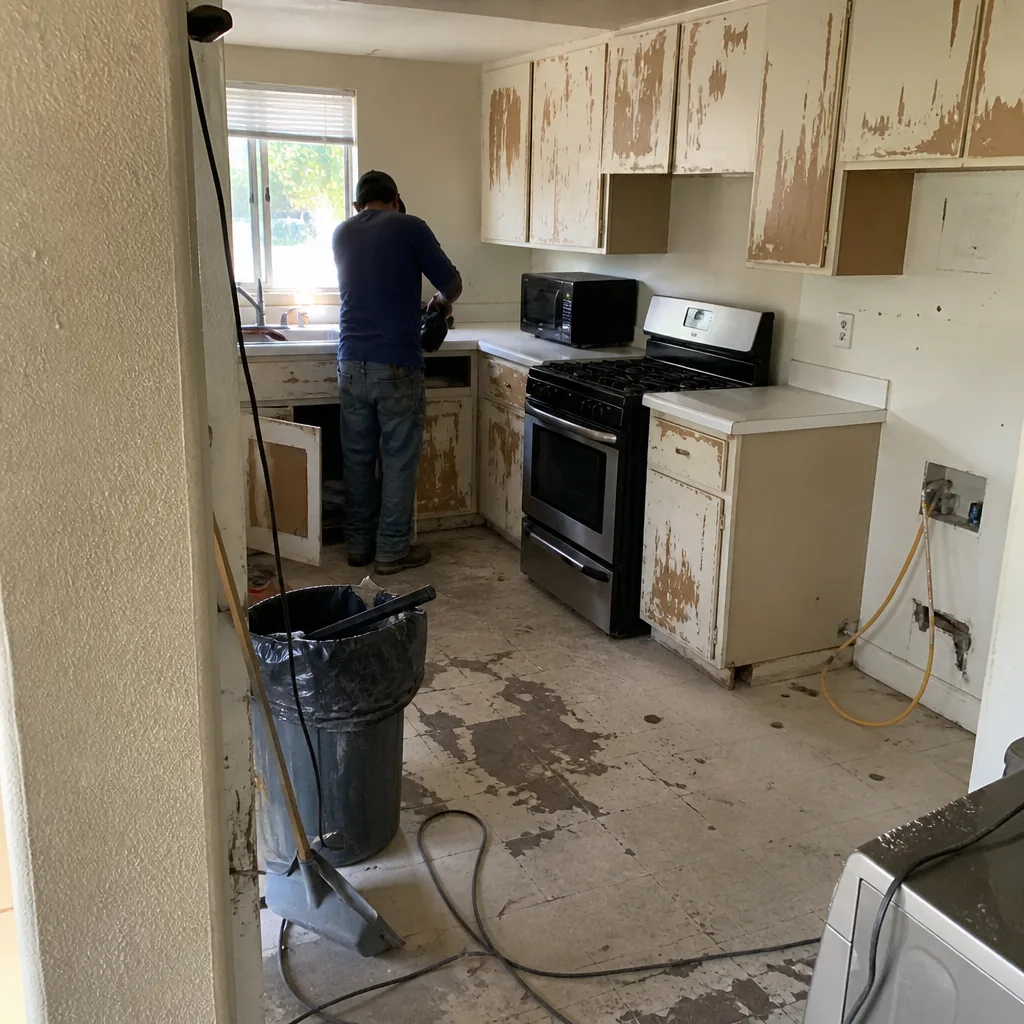 Before
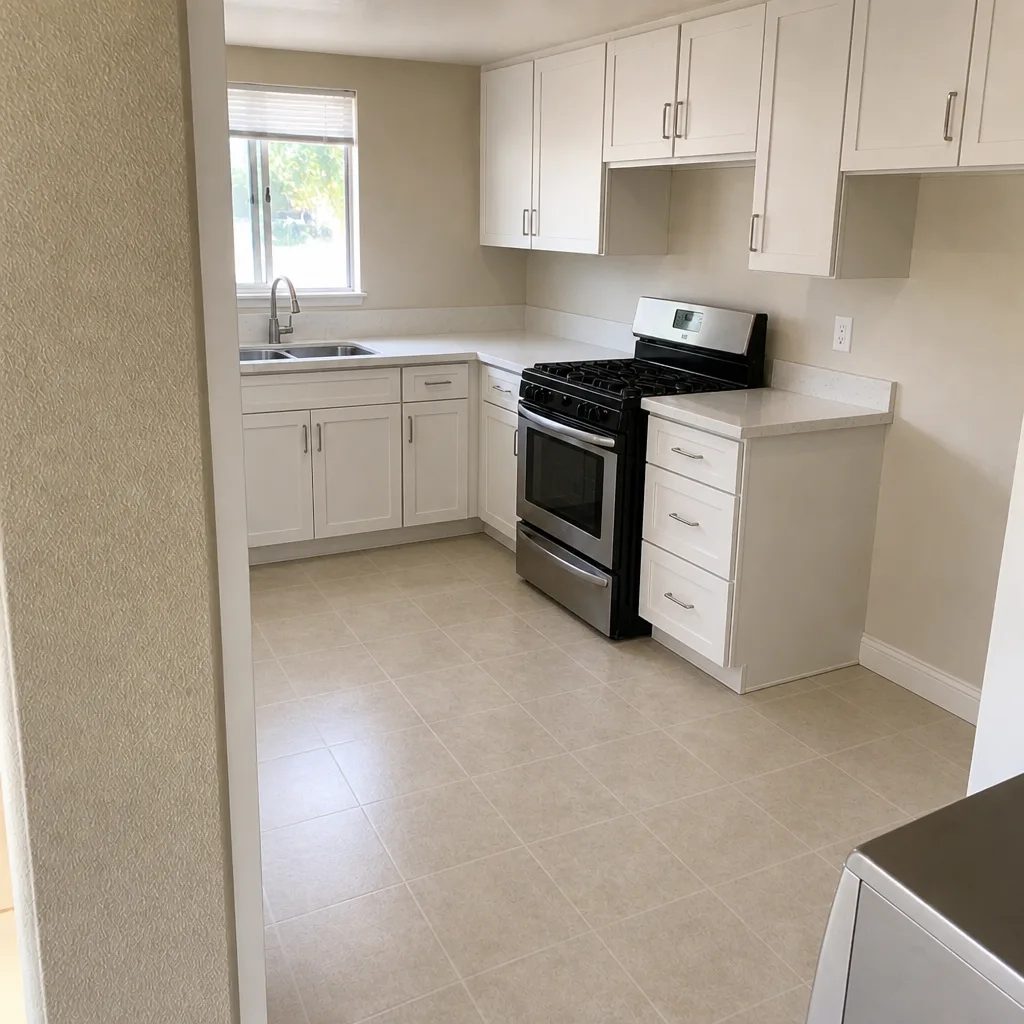 After
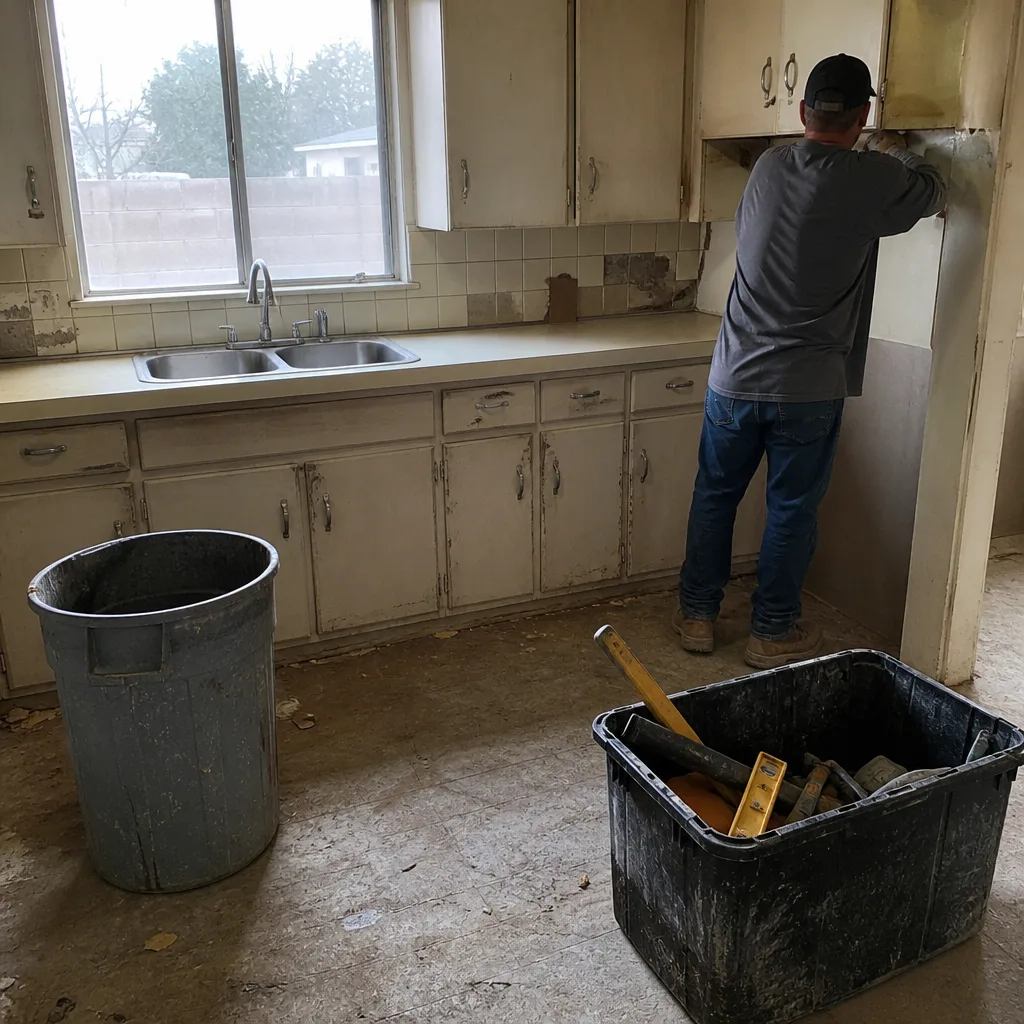 Before
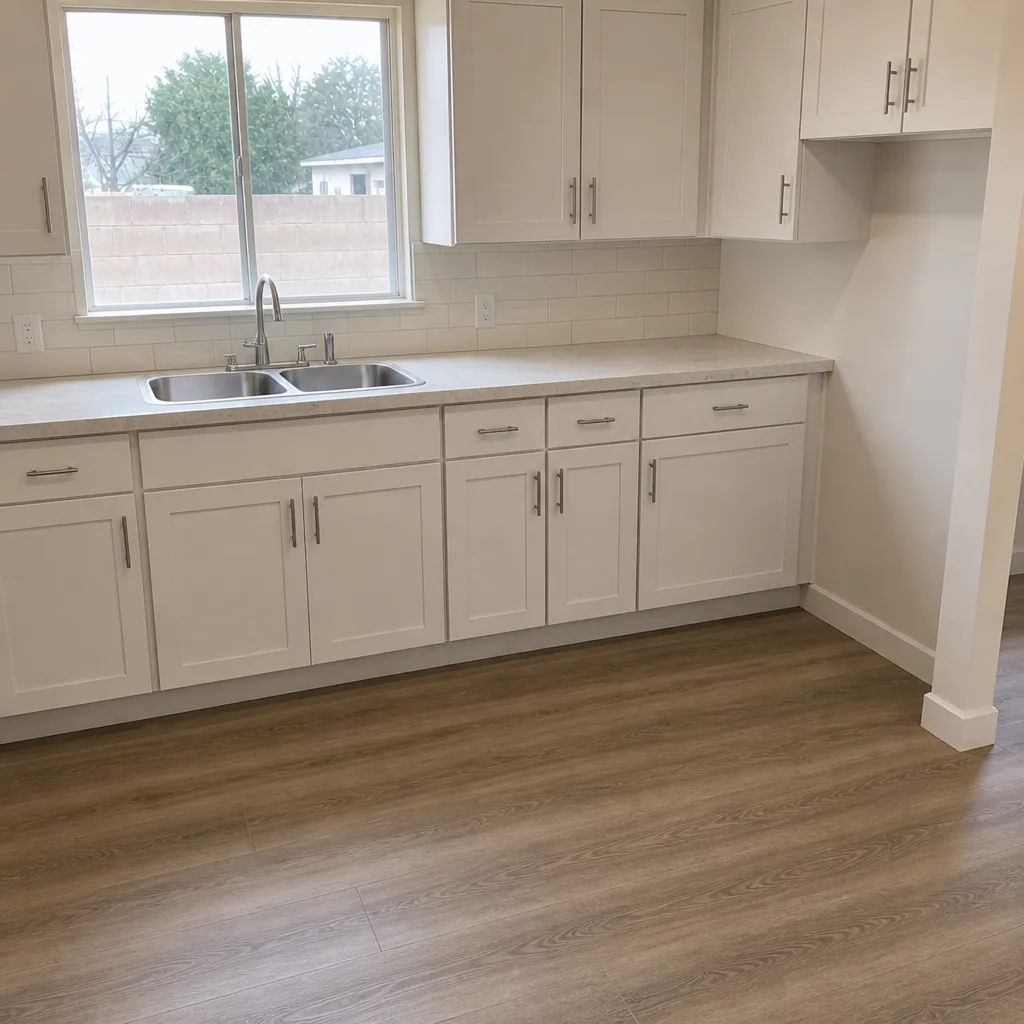 After
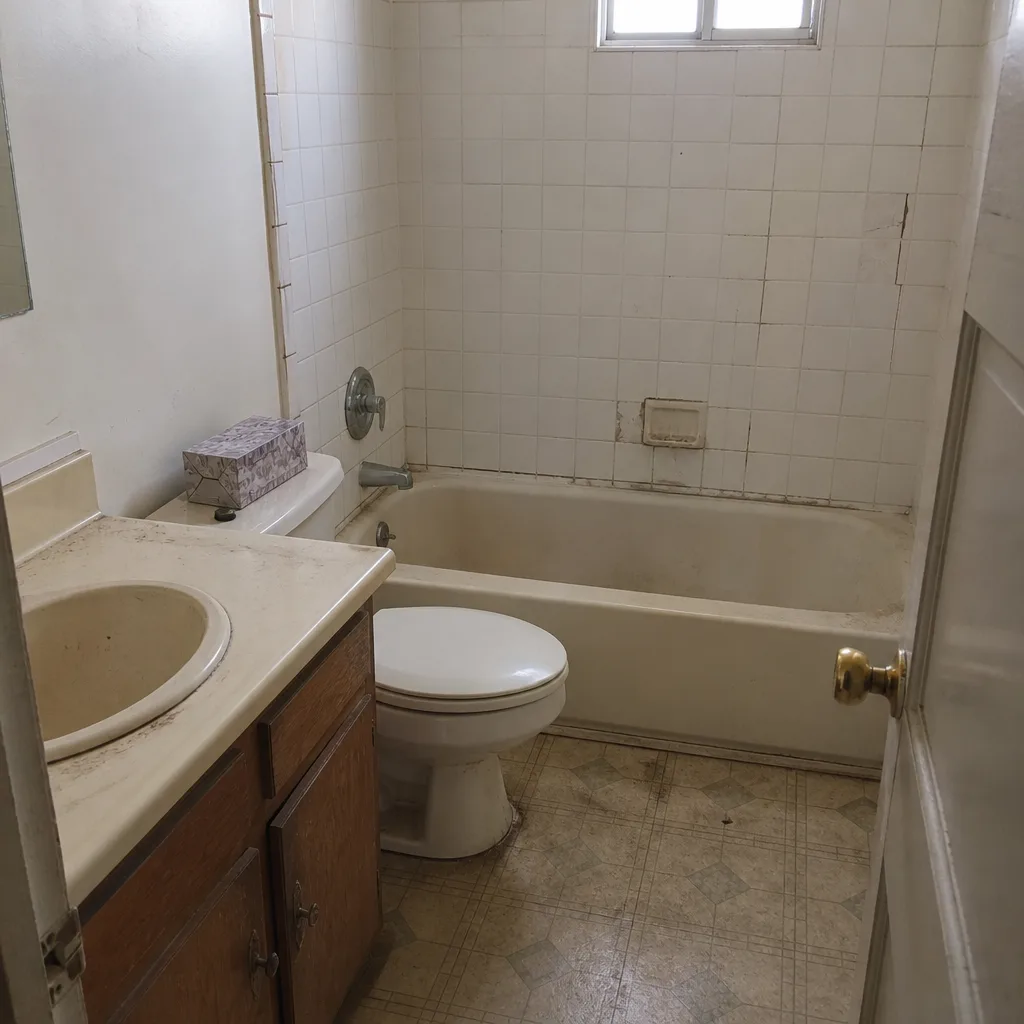 Before
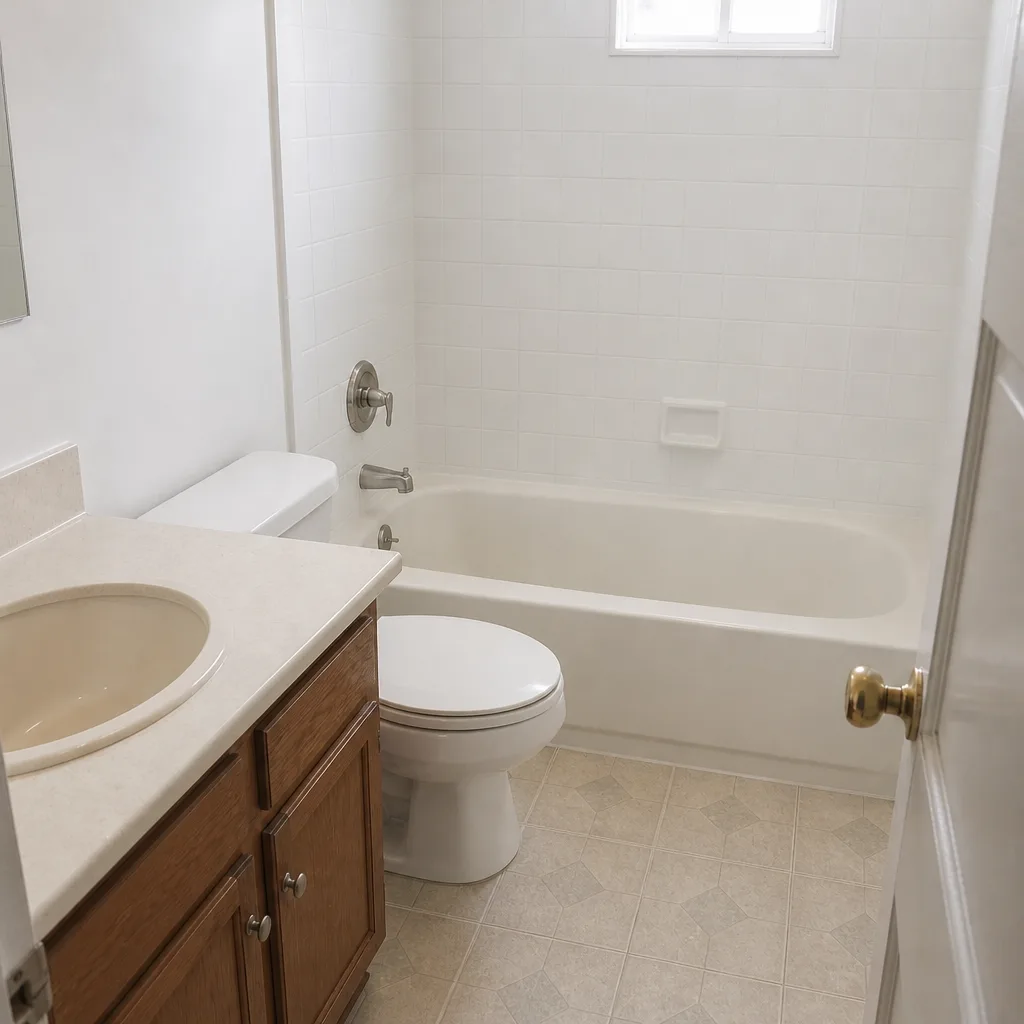 After
When to Call a Professional

Some tasks belong on your calendar and some belong in a professional’s hands. Call us when a grout line has cracked wide enough to see through, when caulk pulls away from a tub or counter and won’t hold a new bead, when a cabinet door has dropped and won’t adjust back into line, or when you find moisture, staining, or soft wood under any sink. Call when a newly installed window or exterior door won’t seal or operate smoothly. Call when a shower or tub has started to leak, or when you notice water staining on a ceiling below a bathroom – that’s never a wait-and-see situation. And call if a mechanical system in a remodeled space is behaving oddly; electrical and plumbing issues are not DIY work.
Penhallow Remodeling Spring Valley offers free estimates in Spring Valley – call (844) 797-3346 to schedule yours. We answer the phone 24/7 with a real person, and every project comes with a written price before any work starts.
Frequently Asked Questions
In Spring Valley’s desert climate, plan on resealing grout in daily-use showers and bathroom floors once a year, and in kitchen backsplashes every 12-18 months. Manufacturer labels often suggest 2-3 years, but the daily heat cycling here breaks down sealant faster than those guidelines assume. If water beads on the grout, it’s still sealed; if it darkens or absorbs, it’s time to reseal.
It can, yes. Our 365-Day Done Right Promise covers installation defects, and it doesn’t cover damage from neglected maintenance. Manufacturer warranties on tile, cabinets, and fixtures usually require documented care. If a tile line specifies sealing and you skip it, the manufacturer can decline a claim. Keep the schedule and keep your paperwork, and you’ll be protected on both sides.
At 30 days, check every caulk line in the kitchen and bathroom for gaps or pulls, open and close all cabinet doors and drawers to catch settling, look at grout lines for hairline cracks, test every plumbing shutoff valve, and confirm exhaust fans pull air strongly. The first month is when fresh caulk and new hinges finish settling, and it’s the cheapest time to catch problems.
Once a year in spring, and pay special attention to south- and west-facing walls. Spring Valley’s UV exposure breaks down exterior sealant on those elevations first. If you see cracking, pulling, or a gap at the frame, reseal before summer. Products like CWS and ECO Window Systems are built for desert conditions, but the installation sealant around them is a wear item regardless of the window brand.
Yes – that’s exactly what our 365-Day Done Right Promise is for. If a repair or installation fails inside the guarantee period, we come back and fix it at no charge, and there’s no service call or re-inspection fee for the return visit. The promise is in writing on every project. If you’re not sure whether an issue is covered or falls under routine maintenance, call (844) 797-3346 and we’ll tell you straight.
Replacing HVAC filters, wiping cabinets, cleaning exhaust fan grilles, and lubricating hinges are all reasonable DIY tasks. Grout resealing is doable with care but easy to get wrong. Anything involving plumbing supply lines, electrical outlets, water intrusion behind tile, or a window that’s out of adjustment belongs with a professional. When in doubt, call us – a free estimate costs you nothing and a misdiagnosis can cost plenty.
The Bottom Line

A maintenance schedule is the quiet half of any remodel. The build gets the attention, but the calendar keeps the finish. Check at 30, 90, and 365 days in the first year, then move to a room-by-room annual rhythm: grout and caulk in wet areas every 12-18 months in Spring Valley’s heat, cabinet hardware and door alignment yearly, exterior sealant every spring, and mechanical systems once a year. Keep your manufacturer paperwork current so your product warranties stay valid. Our 365-Day Done Right Promise handles our side; your schedule handles the rest. If you’re planning a Spring Valley remodel and want to see how the whole process runs, our Bathroom Remodeling in Spring Valley and General Contractor in Spring Valley guides walk through it step by step.
Call (844) 797-3346 to schedule your free estimate with Penhallow Remodeling Spring Valley. Every project gets a written price before work starts, a real arrival window, and a written guarantee on the finished job.
Written by the team at Penhallow Remodeling Spring Valley.