Last updated November 17, 2026

Free written scope consultation - allowances, timeline, and change-order rules on paper before a single trade is scheduled
Construction Cost Breakdown: The Spring Valley Homeowner’s Reference for 2026
The national average for a kitchen remodel gets quoted at $27,000 so often that homeowners start treating it as a real number. In Spring Valley it isn’t. Between ceiling duct layouts in the valley’s tract homes, a tight Clark County labor market, and permit fees that vary by project type, the true floor here runs higher, and the gap between a low bid and a real one is usually in the line items nobody reads. This guide breaks down what construction actually costs in Spring Valley in 2026: labor rates by trade, permit costs, desert-specific material requirements, and how to read an estimate so you can spot an allowance that was set low on purpose.
Quick Answer
Construction costs in Spring Valley in 2026 run roughly 8-15% above the national median for comparable work, driven by Clark County trade labor rates, desert-rated materials (radiant barriers, UV-stable exterior products, matched stucco), and permit fees that add $400-$2,200 depending on project type. A mid-range kitchen remodel here typically lands between $32,000 and $68,000, a full bathroom between $14,000 and $34,000, and a room addition between $180 and $320 per square foot before finishes.
Styles & brands we work with
- Kitchen remodeling
- Bathroom remodeling
- Home additions & ADU
- Roofing
- Windows & doors
- Driveway & pavers
- Fence
Table of Contents
- Why Spring Valley Construction Costs Differ From National Averages
- Spring Valley Labor Rates by Trade in 2026
- What Clark County Permit Fees Add to Common Projects
- Why Desert Construction Adds Cost in Spring Valley
- How to Read a Written Estimate Line by Line
- The Real Cost of Scope Creep
- What Major Projects Cost in Spring Valley This Year
- Common Mistakes to Avoid
Why Spring Valley Construction Costs Differ From National Averages
The national remodeling cost indexes are built from metro averages that smooth out exactly the variables that drive cost in Spring Valley. Three things push local numbers above the national median, and none of them show up on a generic calculator.
The first is labor. Clark County has a large but stretched pool of licensed trades, and the best tile setters, electricians, and plumbers command rates that reflect a market where new construction and remodeling compete for the same crews. When builders are pulling labor toward new subdivisions, remodel schedules and prices both tighten.
The second is housing stock. A big share of Spring Valley’s homes went up as tract construction, and tract construction means repeating ceiling duct layouts, framed soffits, and standard ceiling heights. Any remodel that touches the kitchen ceiling, adds a range hood that vents outside, or moves a wall usually runs into HVAC rerouting. That rerouting is code-required, not optional, and it adds real dollars before a single cabinet goes in.
The third is climate. Spring Valley sits in a desert basin where summer highs regularly pass 105°F and UV exposure is severe year-round. Materials that hold up elsewhere fail here early. Radiant barriers, UV-stable exterior coatings, and correctly matched stucco aren’t upgrades in Spring Valley; they’re baseline requirements if you want the work to last. We see plenty of remodels that skipped these steps and are back for repair within a few summers.
None of this means Spring Valley is a bad place to build. It means the national average is a starting point, and the real number lives in local line items. For a broader look at how we approach full projects here, see our Penhallow Remodeling Spring Valley home page.
Spring Valley Labor Rates by Trade in 2026
Labor is usually 40-55% of a remodel budget, and in Spring Valley the spread between a fair rate and a cheap one tells you a lot about what you’re buying. These are the ranges we see in current Clark County market conditions for licensed, insured trade work on residential remodels.
- Tile setting: $9-$16 per square foot installed, labor only. Large-format tile, mosaic patterns, and shower waterproofing push toward the top of that range.
- Framing: $8-$14 per square foot for structural framing on additions and wall moves, depending on span and header requirements.
- Electrical: $85-$135 per hour for a licensed electrician, or $1,800-$4,500 for a typical kitchen circuit upgrade including panel work if needed.
- Plumbing: $95-$150 per hour, with rough-in for a bathroom relocation running $2,200-$5,500 depending on how far the drains move.
- Drywall and finish: $2.50-$5.50 per square foot installed, taped, and textured to match.
- Cabinetry installation: $1,400-$4,200 for a standard kitchen, more for custom layouts with fillers and crown.
A bid that undercuts the low end of these ranges by a wide margin usually means one of three things: unlicensed labor, a scope that quietly leaves work out, or a change order waiting to happen after demo. Spring Valley homeowners have seen all three. The written price matters more than the low number.
What Clark County Permit Fees Add to Common Projects
Permits are a real line item and skipping them is a mistake that surfaces at resale. Clark County fees scale with project valuation, so the number moves with the job. Here’s roughly what homeowners in Spring Valley should expect in 2026.
- Bathroom remodel: $400-$900 in permit fees, more if plumbing or electrical is relocated and separate trade permits are triggered.
- Kitchen remodel: $500-$1,200, with the higher end covering gas line, electrical, and mechanical permits together.
- Room addition: $1,400-$2,200 for a typical 400-square-foot addition, plus plan review.
- Structural changes (wall removal, header install): $350-$800 including engineering review where required.
Plan review timelines in Clark County run roughly 2-4 weeks for straightforward residential work and longer for anything structural or on a corner lot. Budget the time along with the money; a project scheduled to start the week after signing is a red flag, because the permit hasn’t cleared yet. We pull permits and pass inspections as a standing part of every project, and we list permit costs as their own line so you can see exactly what the county charged.
Why Desert Construction Adds Cost in Spring Valley
The desert is unforgiving in ways that show up on invoices years later if you don’t handle them upfront. Three items are consistently specific to Spring Valley builds.
Radiant barriers. When a remodel opens up attic or roof space, adding or replacing a radiant barrier runs $1.50-$3.50 per square foot. It’s not glamorous, but it cuts attic heat load dramatically and makes the HVAC work you’re already paying for function properly. Skipping it is a false saving.
Low-VOC exterior products that hold up to UV. Standard exterior paint and caulk break down faster in Spring Valley’s UV. UV-stable coatings and elastomeric sealants add $800-$2,500 to an exterior scope but usually double the lifespan before recoating. James Hardie siding, which we install, is engineered for this climate and holds color far longer than wood or vinyl alternatives.
Stucco repair matching. Most Spring Valley homes are stucco, and matching a repair to existing stucco color and texture is skilled work. Expect $600-$1,800 for repairs above 50 square feet, more if the color match has to account for years of sun fading. A patch that doesn’t match is a permanent reminder you didn’t get it done right the first time.
Entry doors fall into the same category. We install Therma-Tru fiberglass entry doors on Spring Valley exteriors because they resist sun damage and heat cycling better than wood, and the exterior door you choose will be tested by more than a thousand days of direct sun before the warranty runs out.
How to Read a Written Estimate Line by Line
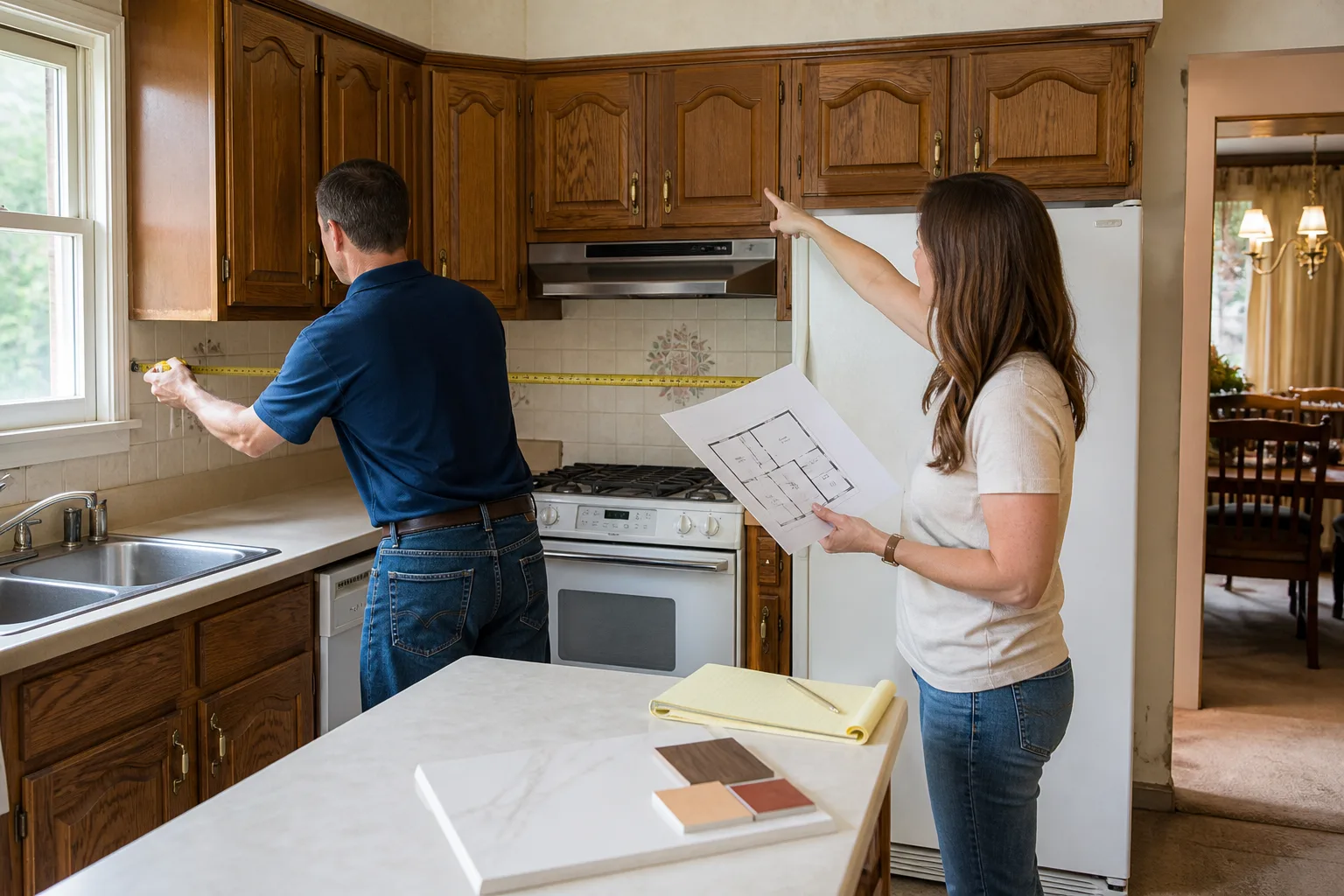
The single most useful skill a homeowner can build before signing anything is how to read an estimate. A fair estimate tells you what’s covered, what it costs, and what triggers a change order. A weak one leaves gaps a bidder can exploit later.
- Read every allowance number and check it against reality. An allowance is a placeholder dollar amount for a selection you’ll make later, like tile or lighting. A $600 tile allowance on a 90-square-foot bathroom floor works out to about $6.60 per square foot, which buys builder-grade material only. That allowance is set low to win the bid, and you’ll pay the difference at selection.
- Check what’s excluded. A written estimate should list exclusions plainly: no demo of load-bearing walls without engineering, no asbestos or lead abatement if discovered, no landscape repair. Exclusions aren’t dishonest; they’re the map of where extra cost could come from.
- Look for permit and inspection line items. If permits aren’t listed, ask who’s pulling them. “We’ll handle it” isn’t a line item.
- Confirm labor, materials, and disposal are separated. Bundled single-line estimates make it impossible to see where the money is going, which is exactly why some contractors write them that way.
- Match the scope to what you asked for. A bathroom estimate without waterproofing detail or a kitchen without a ventilation plan is a red flag, not a bargain.
Every Penhallow estimate is written line by line, with real allowances, a written price before any work starts, and no change orders unless you approve them in writing. That’s the Kingswell standard: say the price before the work, show up in the window we gave you, and leave the place cleaner than we found it.
The Real Cost of Scope Creep
The estimate you sign and the invoice you pay diverge for one reason: scope creep. It’s the slow expansion of a project past what was originally priced, and in our experience it’s the single biggest cause of budget upset in Spring Valley remodels.
Small expansions add up. Moving an outlet is $150. Moving the same outlet after drywall is $600. Deciding to replace the cabinets while the floor is open runs $8,000-$18,000. Vaulting a ceiling because the framer is already there runs $4,000-$12,000 and triggers HVAC work you didn’t plan for. Each decision feels reasonable in the moment. Together they can add 20-40% to a project.
A fixed written price protects against this in two ways. First, it locks in the scope in writing, so any addition requires a signed change order and you see the cost before you decide. Second, it puts the price on record so there’s no ambiguity about what was agreed. Change orders are fine when they’re planned and written. They’re a problem when they arrive as a surprise at the end.
The same discipline applies across project types. Our Kitchen Remodeling in Spring Valley and Bathroom Remodeling in Spring Valley pages walk through how we hold the number through construction.
What Major Projects Cost in Spring Valley This Year
Here’s the range-by-type view of what homeowners in Spring Valley should expect to invest in 2026. These are mid-range finish levels using recognized trade brands; luxury finishes push toward the top or above.
- Kitchen remodel: $32,000-$68,000. Driven by cabinet line (KraftMaid and Wellborn sit in the middle to upper range), countertop material (Cambria and Silestone run higher than laminate), and whether walls or appliances move.
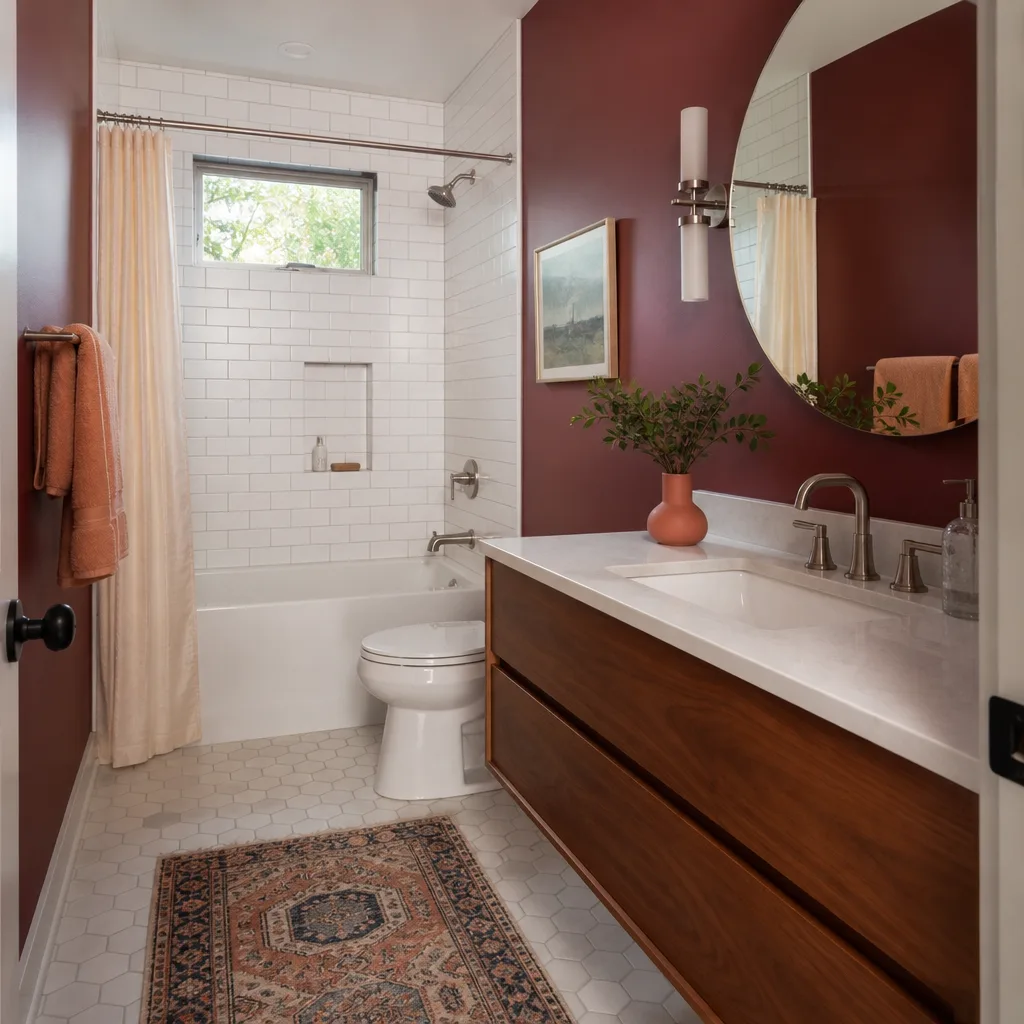
- Full bathroom remodel: $14,000-$34,000. Tile setting, waterproofing, fixture grade, and whether the layout changes. Kohler and Moen fixtures are a common middle-ground choice.
- Hall bathroom refresh (fixtures and surface only): $7,000-$14,000.
- Room addition: $180-$320 per square foot. Roughly $72,000-$128,000 for a 400-square-foot addition depending on foundation, roof tie-in, and finishes.
- Whole-home remodel: $120-$220 per square foot, or $240,000-$560,000 for a 2,000-square-foot Spring Valley home at mid-range finishes.
These numbers assume permitted work with desert-appropriate materials. They don’t assume a structural surprise, a slab issue, or a roofing overlap problem, all of which are real possibilities in Spring Valley housing stock and are why a site visit precedes any written number. Our General Contractor in Spring Valley page explains how we scope projects before pricing them.
Common Mistakes to Avoid
- Comparing bids without comparing scope. A $22,000 kitchen bid and a $34,000 bid rarely describe the same kitchen. Compare line items, not totals.
- Trusting a tile or lighting allowance set artificially low. Ask what the allowance buys at real market prices before you sign; a $600 tile allowance on a full bathroom is a guaranteed overrun.
- Skipping radiant barrier work in an attic-access remodel. Spring Valley summers punish that decision, and the HVAC bill will remind you every July.
- Assuming stucco repairs will match. Sun-faded stucco needs careful blending; a patch above 50 square feet that gets done cheaply is a permanent visual scar.
- Starting demo before the permit is issued. A Clark County stop-work order mid-project is expensive and avoidable. Wait the 2-4 weeks.
- Making changes verbally during construction. Verbal changes are how “that’ll be a little extra” turns into a five-figure surprise. Get change orders in writing.
- Skipping the exterior door upgrade. A wood entry door in Spring Valley sun will need replacement inside a decade. A Therma-Tru fiberglass door handles the heat and the UV without the same failure pattern.
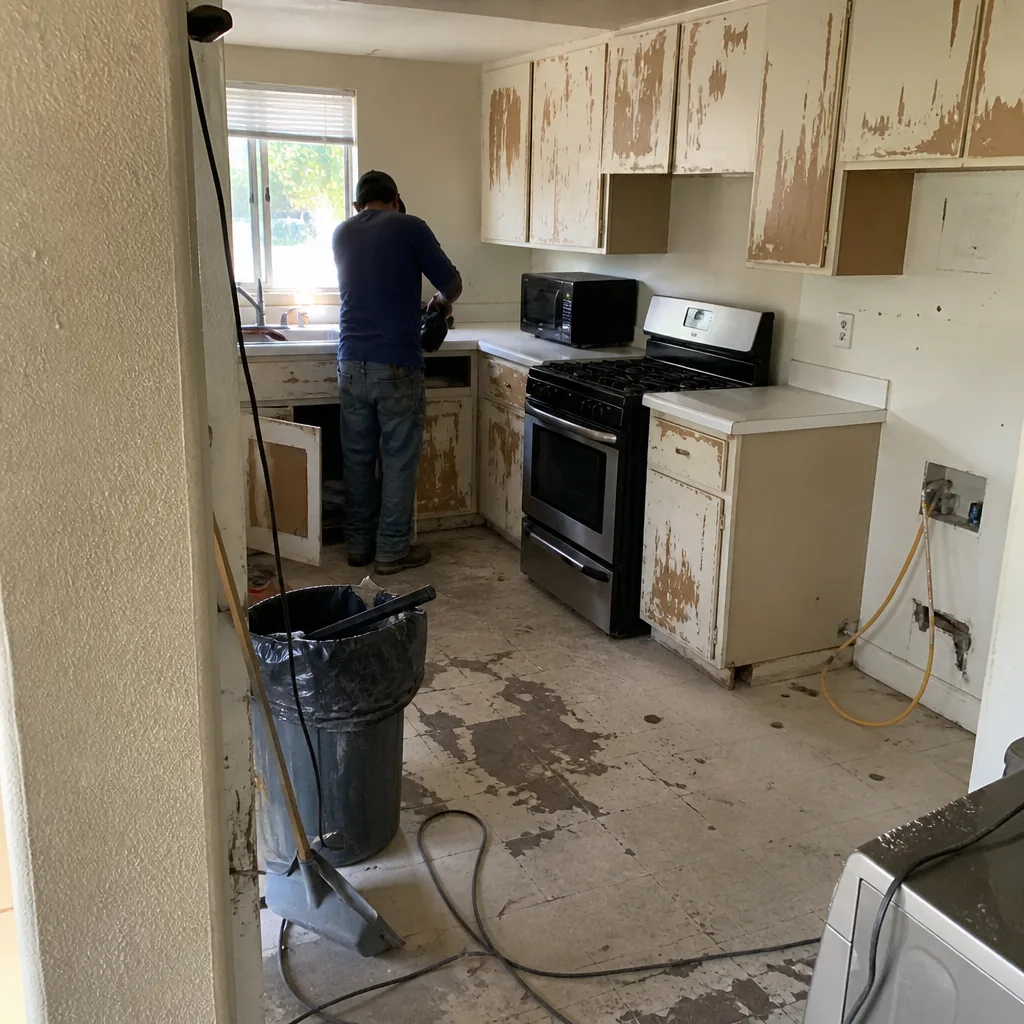
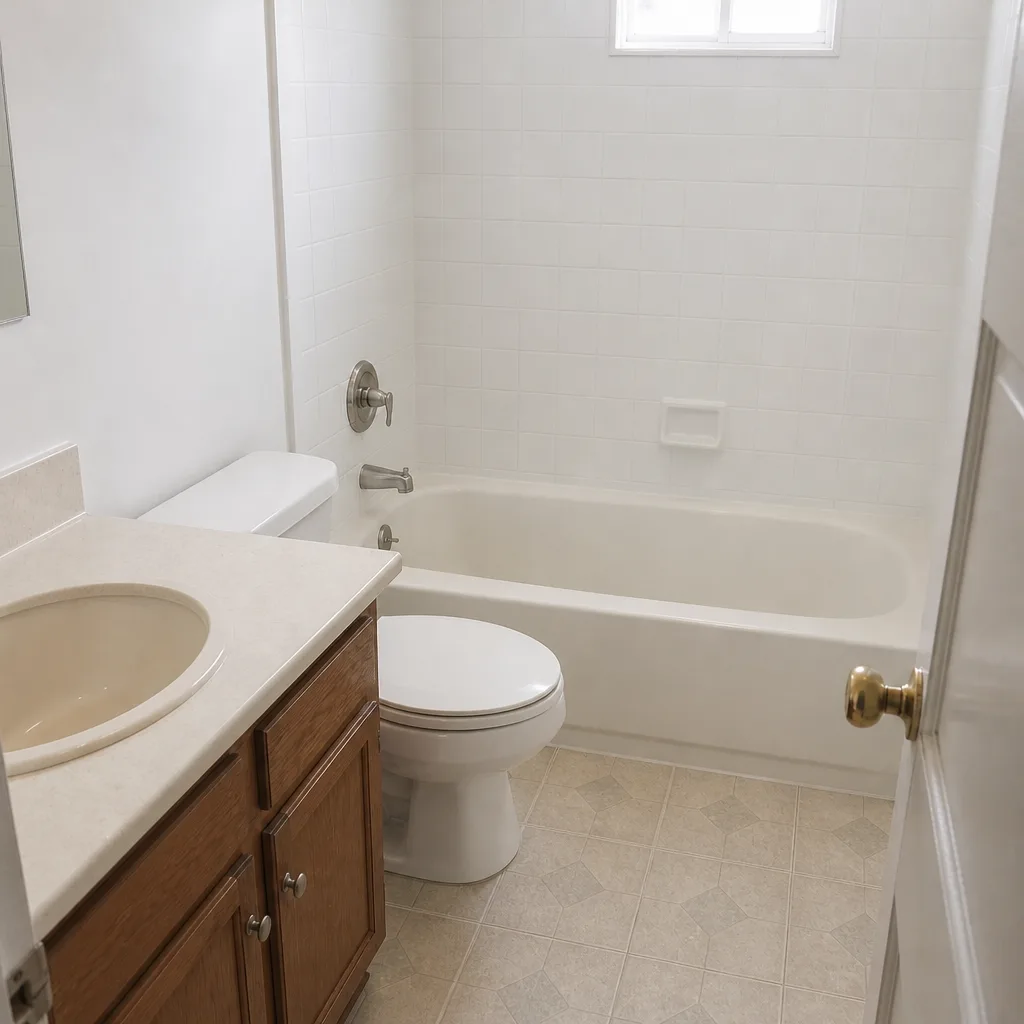
See the difference
 Before
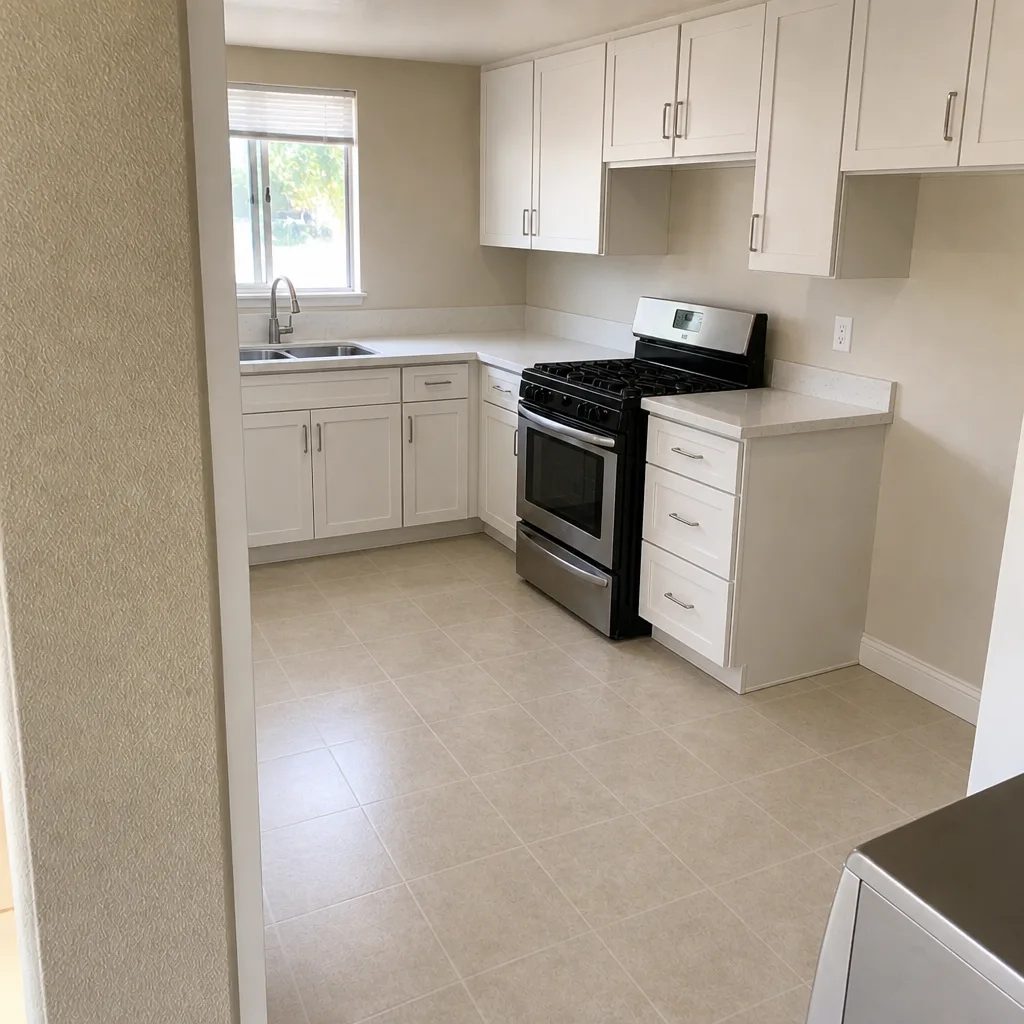 After
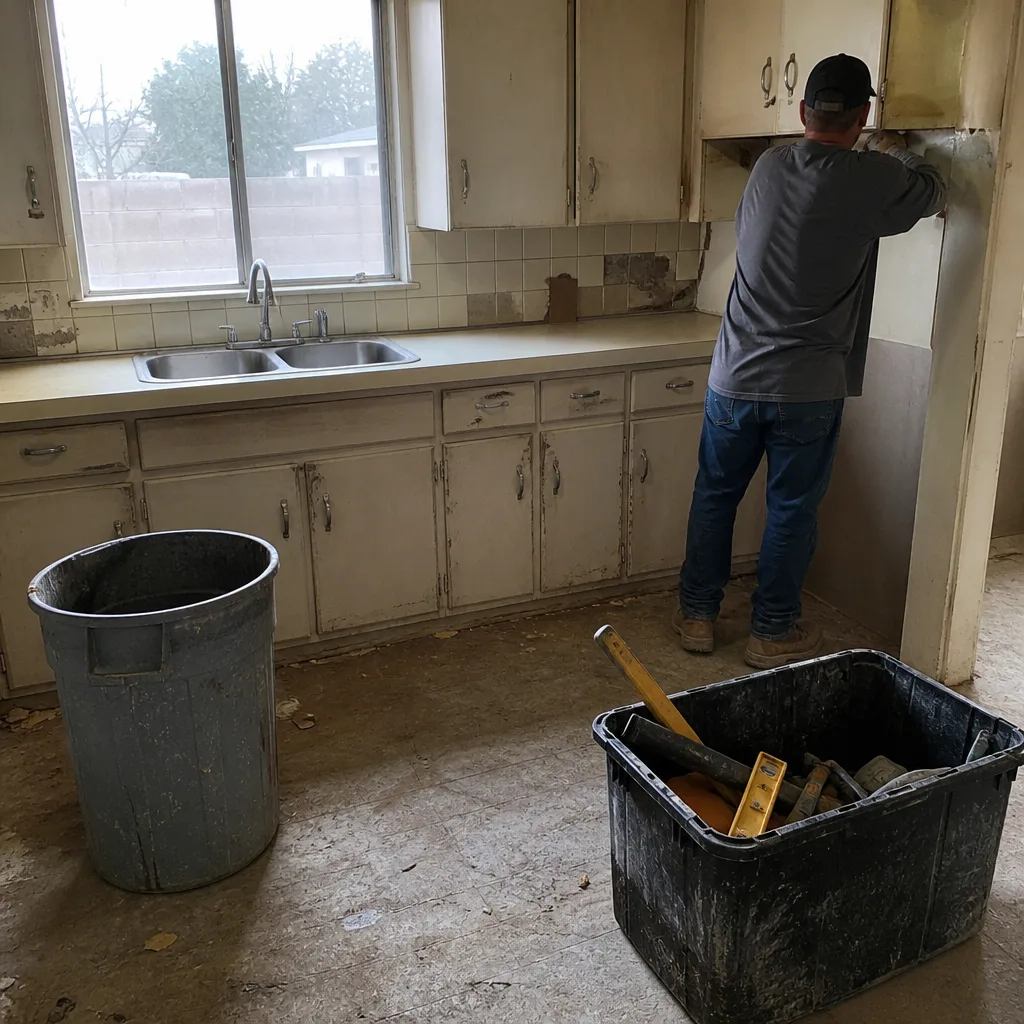 Before
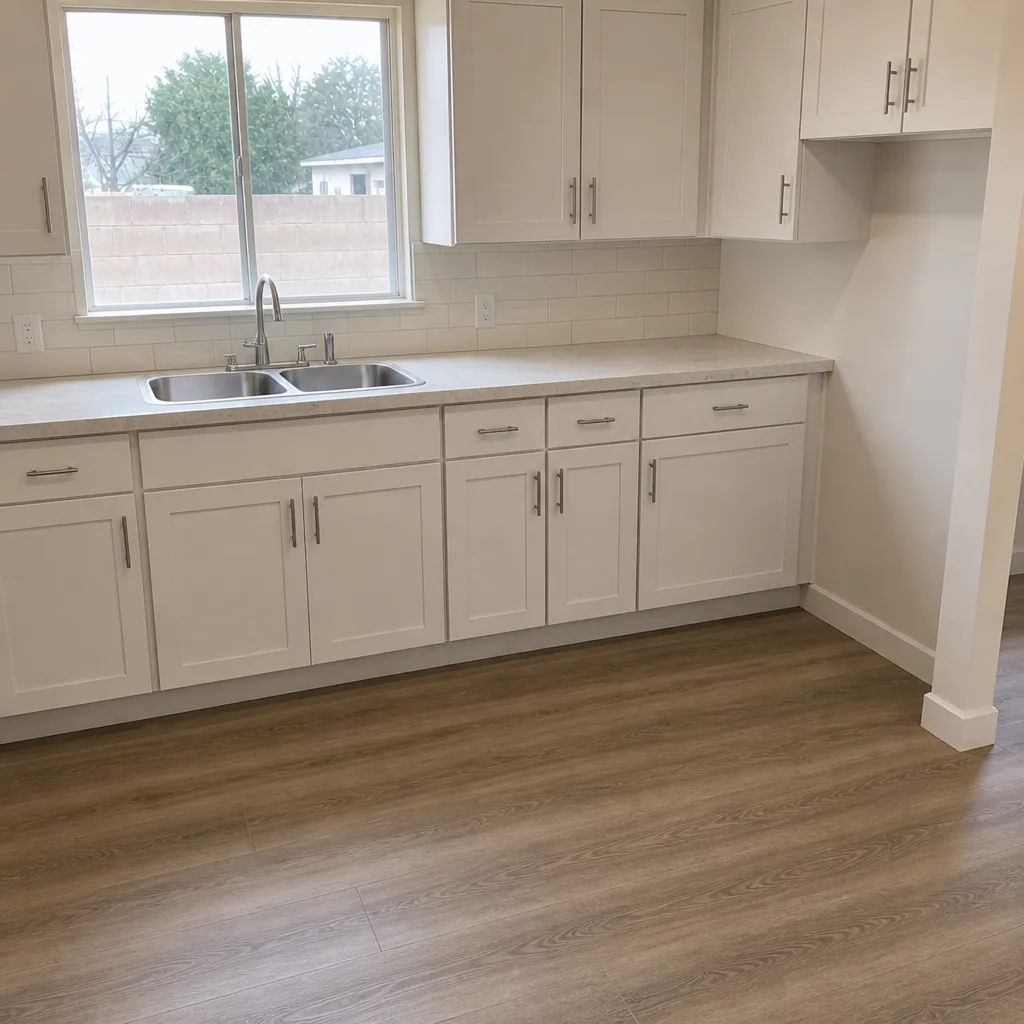 After
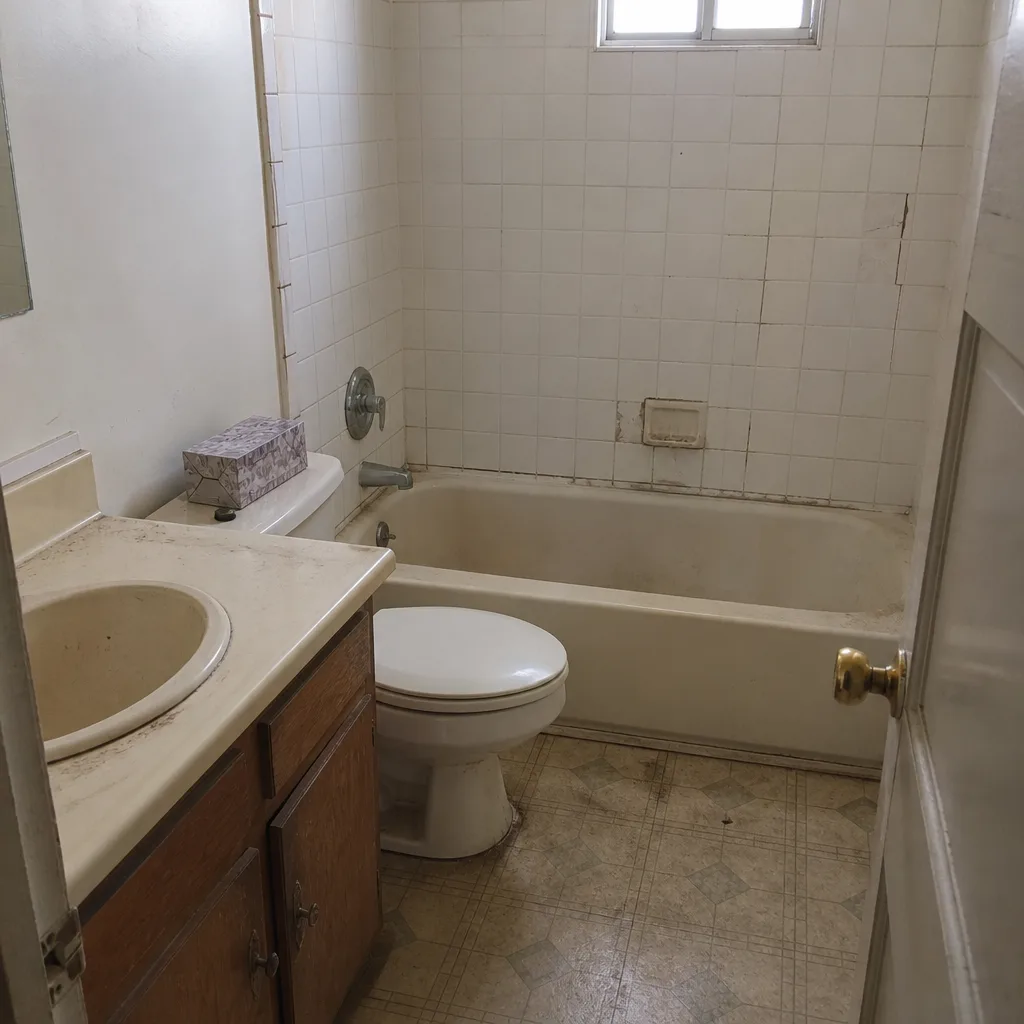 Before
 After
When to Call a Professional
Some work is fine to handle yourself. The scope that needs a licensed professional includes anything that touches HVAC rerouting, permits and inspections, structural changes, electrical panel work, plumbing relocation, and stucco matching. Those aren’t areas where the training gap gets closed by a weekend video. In Spring Valley, a permit pulled without a license gets discovered at inspection, and it costs more to fix than to do right.
If a project involves two or more of those scopes, a written professional estimate is usually cheaper than the cost of one wrong decision. We sit down before any tool comes out, explain exactly what the number covers, and put it in writing so the number on day one is the number on the invoice. Penhallow Remodeling Spring Valley offers free estimates in Spring Valley with a written price upfront. Call (844) 797-3346 to schedule yours. A live person answers, day or night.
Frequently Asked Questions
A mid-range kitchen remodel in Spring Valley runs $32,000-$68,000 in 2026, with the number driven mostly by cabinet line, countertop material, and whether HVAC rerouting is needed for the ceiling layout. Higher ranges apply when walls move or appliances relocate. Call (844) 797-3346 for a written, line-item quote after a site visit; the estimate is free.
Three local factors push costs up: tight Clark County trade labor rates, desert-specific material requirements like radiant barriers and UV-stable exterior products, and permit fees that scale with project valuation. Each adds real cost that national calculators don’t capture. Getting a local written price from a Spring Valley contractor is the only way to see what your specific project runs.
Yes, we pull permits and pass inspections as a standard part of every project. Permit fees in Spring Valley run $400-$900 for a bathroom remodel, $500-$1,200 for a kitchen remodel, and $1,400-$2,200 for a typical room addition, listed as their own line on the estimate so you can see exactly what the county charged. Call (844) 797-3346 to talk through what your project requires.
No, not without your written approval. Our written price covers the scope we agreed to, and any change requires a signed change order showing the cost before work continues. That’s the Kingswell standard and the 365-Day Done Right Promise applied to the budget as much as the work. Call (844) 797-3346 to schedule a free estimate.
A full bathroom typically takes 3-6 weeks from permit issuance to final inspection; a kitchen usually runs 6-10 weeks. Plan review adds 2-4 weeks before work begins. Build the permit timeline into your plan and you won’t be caught by it. Call (844) 797-3346 for a project-specific timeline.
If the work fails inside 365 days of completion, we come back and fix it at no charge, and the guarantee is in writing on every project. A free second visit is included if a repair fails, with no service call or re-inspection fee. The guarantee is one of the reasons we name our materials by brand: Cambria, KraftMaid, Kohler, and James Hardie each carry their own warranty, layered under ours.
The Bottom Line
Spring Valley construction costs in 2026 run 8-15% above the national median, and the reason is straightforward: Clark County labor, desert-rated materials, and permit costs. A kitchen runs $32,000-$68,000, a full bath $14,000-$34,000, and an addition $180-$320 per square foot. The number you pay is only as honest as the estimate you sign, so read every line, check every allowance, and insist on a written price before work starts. That’s the standard Penhallow Remodeling Spring Valley holds to on every project. Call (844) 797-3346 for a free estimate with a written price in hand.
Written by the team at Penhallow Remodeling Spring Valley.