Last updated November 17, 2026







Free written scope consultation - allowances, timeline, and change-order rules on paper before a single trade is scheduled
DIY vs Professional Construction: The Spring Valley Homeowner’s Decision Guide
Nevada law allows you to pull your own permits and do your own work on the home you live in. That single fact is why so many Spring Valley homeowners take on projects themselves, and it’s also why so many of them end up stuck. The moment you pay a handy friend cash to help you frame a wall or re-route a drain, you’ve hired an unlicensed contractor. Your homeowner’s policy can walk away from that work entirely. This guide sorts the projects you can genuinely handle from the ones that put your coverage and your resale at risk.
Quick Answer
In Spring Valley, the DIY-or-hire question comes down to permits and liability, not whether you can swing a hammer. Painting, landscaping, and swapping cabinet hardware are fine to do yourself. Anything that touches structure, electrical, plumbing, or gas requires a licensed contractor to pull the permit and stand behind the work, because self-performed work you can’t document or insure is a problem when you sell.
Styles & brands we work with
- Kitchen remodeling
- Bathroom remodeling
- Home additions & ADU
- Roofing
- Windows & doors
- Driveway & pavers
- Fence
Table of Contents
- What Nevada Law Says About Doing Your Own Work
- Where DIY Actually Saves Money in Spring Valley
- Where the Hidden Costs of DIY Beat the Contractor Markup
- How Desert Conditions Change the Risk on Spring Valley Projects
- Keeping Permits Valid and Inspections Passable
- The Warranty Gap: What a Written Guarantee Covers That Your Hands Don’t
- Questions to Answer Before You Pick Up a Tool
What Nevada Law Says About Doing Your Own Work
Nevada Revised Statutes draw a specific line. A homeowner may perform work on a single-family home they occupy without holding a contractor’s license. That’s a real right, and it’s why you can legally remodel your own kitchen in Spring Valley. The line moves the instant money changes hands for labor. Pay someone to help, even a neighbor for a few hundred dollars, and that person is acting as a contractor, which requires a license in Nevada for most construction work. An unlicensed person doing paid work sets off two problems at once: the work may not pass inspection, and your insurer can deny a claim tied to it.
The statutes define a contractor broadly. It covers anyone who builds, alters, repairs, or improves a structure for compensation. That includes electricians, plumbers, roofers, and drywall crews. If a job needs a permit and a paid person is doing it, they need a license and they should be pulling that permit under their own name. Hiring a licensed general contractor builds that layer in from the start, and it’s the cleanest path for anything beyond cosmetics.
Where DIY Actually Saves Money in Spring Valley
Some projects genuinely reward the homeowner who does the work. These are the jobs where the labor is simple, the materials are forgiving, and a mistake is a redo rather than a hazard. In our experience around Spring Valley, these projects give the strongest return on your own weekend time:
- Interior painting. A gallon of quality paint and a roller run a fraction of a painter’s labor. No permit, no inspection, and a botched corner is fixable in an hour.
- Cabinet hardware and fixtures. Swapping pulls or a faucet under the sink is straightforward. Shut the water off, use the right wrench, done.
- Landscaping and gravel work. Desert-friendly yard projects using materials like Cambridge Pavers or a base of Quikrete product for small paths are low-risk with a level and a tamper.
- Shelving, storage, and trim. Interior carpentry that isn’t structural and doesn’t run wires or pipe stays in safe territory.
- Pressure washing and cleanup. Prepping a surface you’ll paint or sealing a driveway is honest sweat equity with no code attached.
These projects have a real ceiling on the savings, though. Once you’re into anything structural, the math flips fast. A do-it-yourself tile job using cement board substrate (the moisture-resistant layer behind your tile) is where a lot of Spring Valley homeowners discover that water damage in a bathroom costs more to undo than the job would have cost to have done right.
Where the Hidden Costs of DIY Beat the Contractor Markup
The contractor markup you see on a bid covers more than profit. It covers permits, insurance, the cost of a mistake, and the cost of a return visit when something fails. When you do the work yourself, you take all of that risk onto your own shoulders, and the bill shows up later. Here’s where the hidden costs usually outrun the savings:
- Electrical. An electrical panel change or a new circuit is dangerous and permit-gated. A mistake can start a fire behind a wall you just closed up.
- Plumbing rough-in. A slow leak under a slab or behind tile can go unseen for months. Water damage is the most common expensive surprise we see after a Spring Valley DIY bathroom.
- Structural changes. Removing a wall or adding a beam requires an engineer’s stamp and a permit. Guessing here is how homes get condemned.
- Roof work in summer heat. Steep-roof and height work is genuinely dangerous, and Nevada summer afternoons make it worse.
- Waterproofing in wet areas. A shower that leaks past its waterproofing will rot the framing before you notice a stain.
When you hire a licensed contractor, you’re buying the permit pull, the inspection signature, the specialty trade coordination, and a written guarantee. For a bathroom or kitchen, that’s the difference between a project you can point to and one that could quietly fail behind the wall.
How Desert Conditions Change the Risk on Spring Valley Projects
Building in the Mojave means some DIY projects carry more risk than the internet tutorials account for. The dry air, the summer heat, and the intense sun all change how materials behave. In Spring Valley specifically, we regularly see these issues:
- Exterior caulking. Sun-baked stucco and trim expand and contract hard across a Nevada summer. Caulk that looks fine in Phoenix shade can crack and pull away in a few months if you skip proper prep and a flexible product.
- Roof repairs. Summer surface temperatures make roof work a genuine hazard. Ladders and heat don’t mix, and a rushed repair in triple-digit heat is how leaks get created rather than fixed.
- Concrete flatwork timing. Pouring a patio or walkway with a ready-mix bag from Sakrete or Oldcastle goes wrong fast in desert heat, because the material cures before you finish. Timing the pour and shading it matters more here than in milder climates.
- Wood and paint. Low humidity pulls moisture out of fresh wood and paint too quickly, which leads to cracking and poor adhesion if you don’t prime properly.
The desert rewards patience and the right product. It punishes shortcuts and guesswork. If you’re set on doing exterior work yourself, size the job to what you can finish before the heat peaks.
Keeping Permits Valid and Inspections Passable
A permit is only useful if the work matches it and passes inspection. This is the piece most Spring Valley DIYers underestimate. You can pull a permit yourself, but if you hire an unlicensed helper or you can’t produce the inspection sign-off, that permit does nothing for you at resale. A good contractor will structure the work so the paper trail stays clean, even on the parts you handle. Consider these steps:
- Confirm which trades in your project require a licensed contractor, then have that contractor pull the permit under their name for their scope.
- Keep your own DIY scope separate and clearly outside the permitted work, so inspections aren’t failed by work that wasn’t on the plan.
- Ask for the inspection schedule in writing, and don’t close up walls or set tile until the rough-in inspection has passed.
- Keep every permit, inspection card, and receipt in one folder. That file is what a buyer’s agent will ask for later.
- Ask the contractor to document what they did alongside your own work so the project reads as a single, clean record.
Catching a problem at the rough-in stage costs a fraction of what it costs after tile and cabinet. When permits and inspections are lined up together, you avoid the situation where your own good work gets credited to a job that fails inspection for someone else’s shortcut.
The Warranty Gap: What a Written Guarantee Covers That Your Hands Don’t
When you build it yourself, you are the warranty. That sounds fine until a shower starts leaking eleven months later or a cabinet door sags. There’s no one to call, no return visit, no paper saying the work is covered. A licensed contractor can offer something you can’t give yourself: a written guarantee on the finished work. Our 365-Day Done Right Promise means if something we did fails inside the first year, we come back and fix it at no charge. That’s in writing on every project, backed by the materials we install, from Cambria quartz countertops to James Hardie siding.
The gap is widest on the parts of a remodel a homeowner can’t easily inspect. A cabinet line like KraftMaid or Wellborn carries its own warranty, and the countertop carries another layer on top. You don’t get either layer on work you did with your own hands. When you’re comparing the cost of a Spring Valley project, add the value of that written guarantee to the department-do-it-yourself column. It’s often the number that tips the decision.
Questions to Answer Before You Pick Up a Tool
Before you choose the DIY route on any project, work through four questions honestly. Does the work require a permit? If yes, does it require a licensed contractor in Nevada? Will the work be bought or sold with the house? If so, can you produce permit records and inspection sign-offs later? And if it fails in a year, who pays to fix it? If your answers land on permits, resale, or anyone else paying to fix it, that’s your signal to hire.
There’s a middle path, too. You can do your own painting, landscaping, and finish work while a licensed contractor handles the structural, electrical, and plumbing scope. That pairing keeps the price down and the permit trail clean, and it’s how a lot of careful Spring Valley homeowners get more done without covering the risk themselves. If you want to see how that split works on a full project, look at our General Contractor in Spring Valley page for how we coordinate permitted scope with homeowner work.
Common Mistakes to Avoid
- Paying a friend cash to help. That creates an unlicensed contractor situation, and it can void your coverage for the work. It’s the single most common trap in Spring Valley.
- Pulling a permit and then hiring unlicensed help. The permit doesn’t protect you if the work fails inspection or the helper isn’t licensed.
- Doing your own electrical panel or gas line work. These are genuinely dangerous and code-gated. Hire a licensed professional.
- Closing walls before rough-in inspection. Setting tile or hanging drywall early means paying to open it back up.
- Pouring concrete in summer heat without timing the mix. A ready-mix Product like Oldcastle or Sakrete cures fast in desert sun, and a rushed pour cracks.
- Skipping a written price before work starts. Whether you hire or self-perform, get the scope and number in writing so there’s nothing to argue about later.
- Assuming your homeowner’s policy covers self-performed work. It often doesn’t, and the gap only shows up when you file a claim.
See the difference
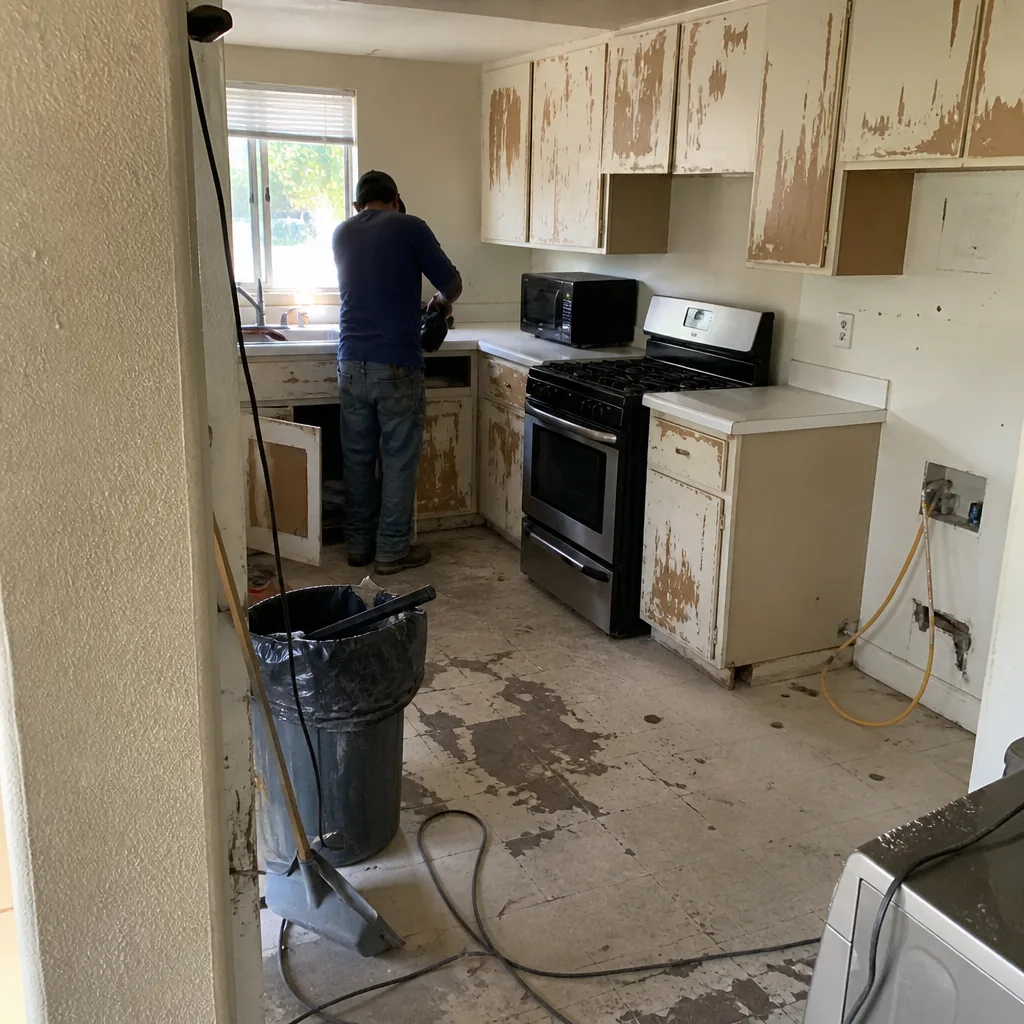 Before
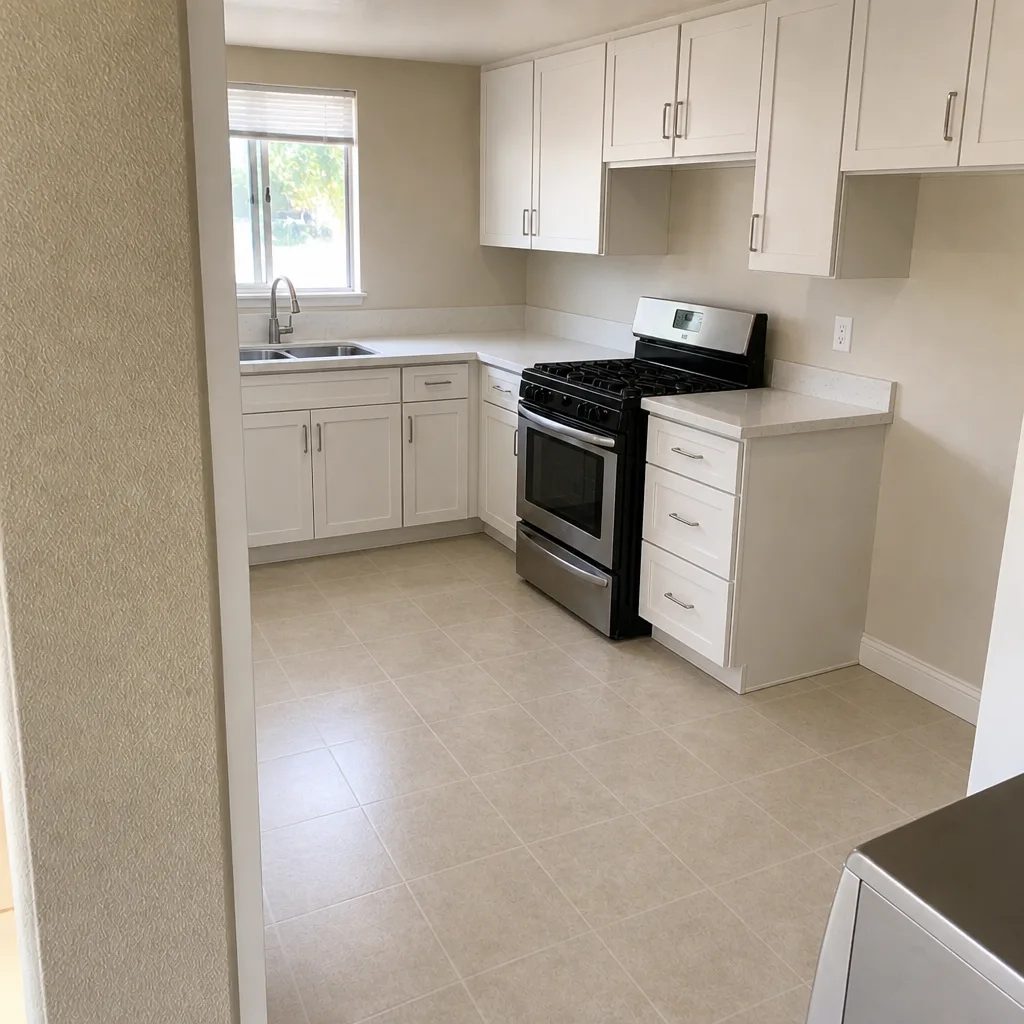 After
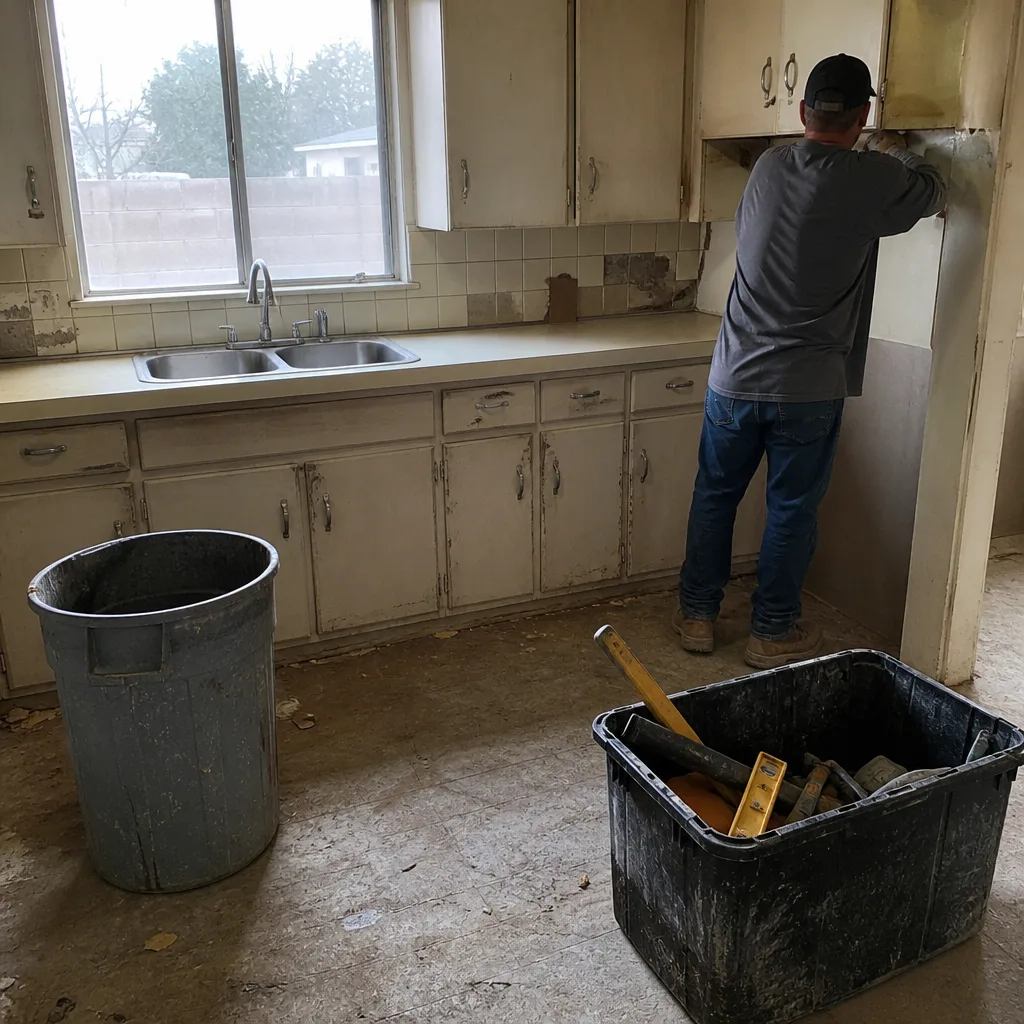 Before
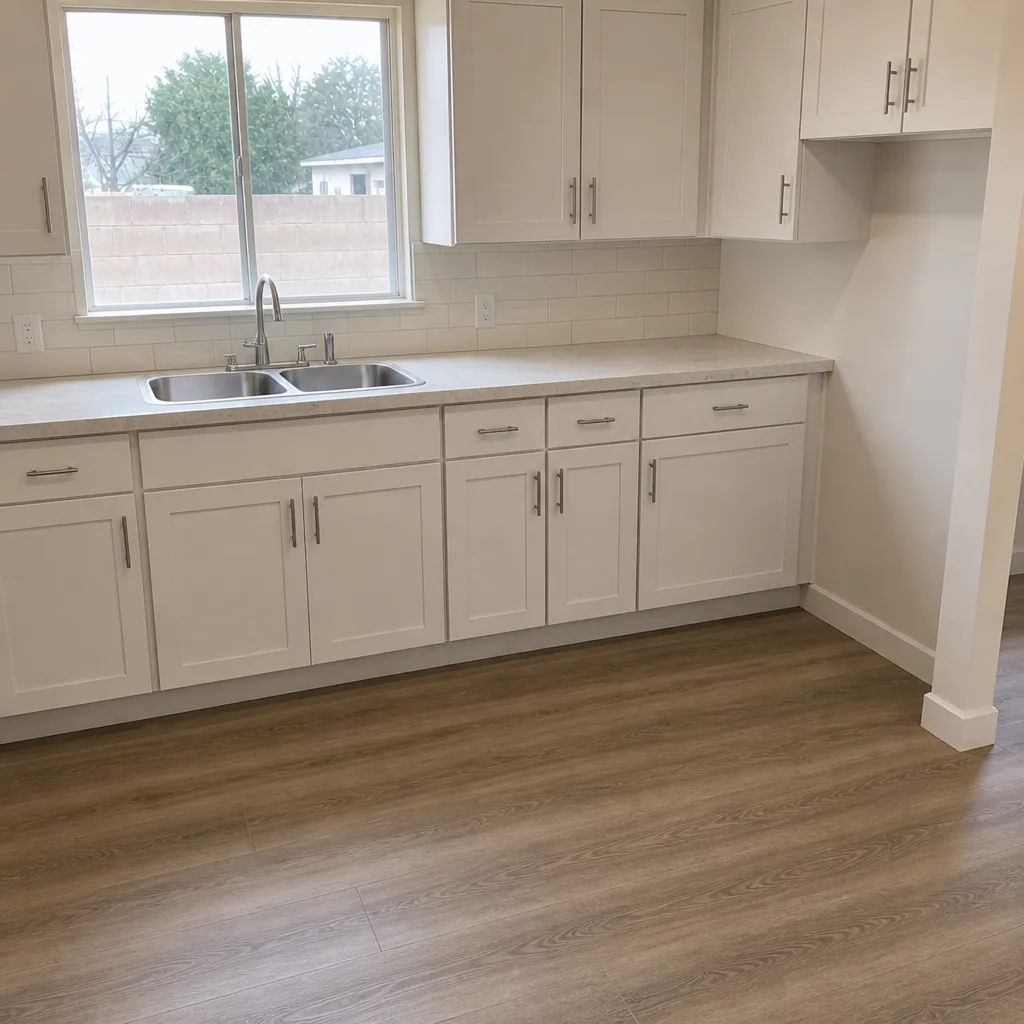 After
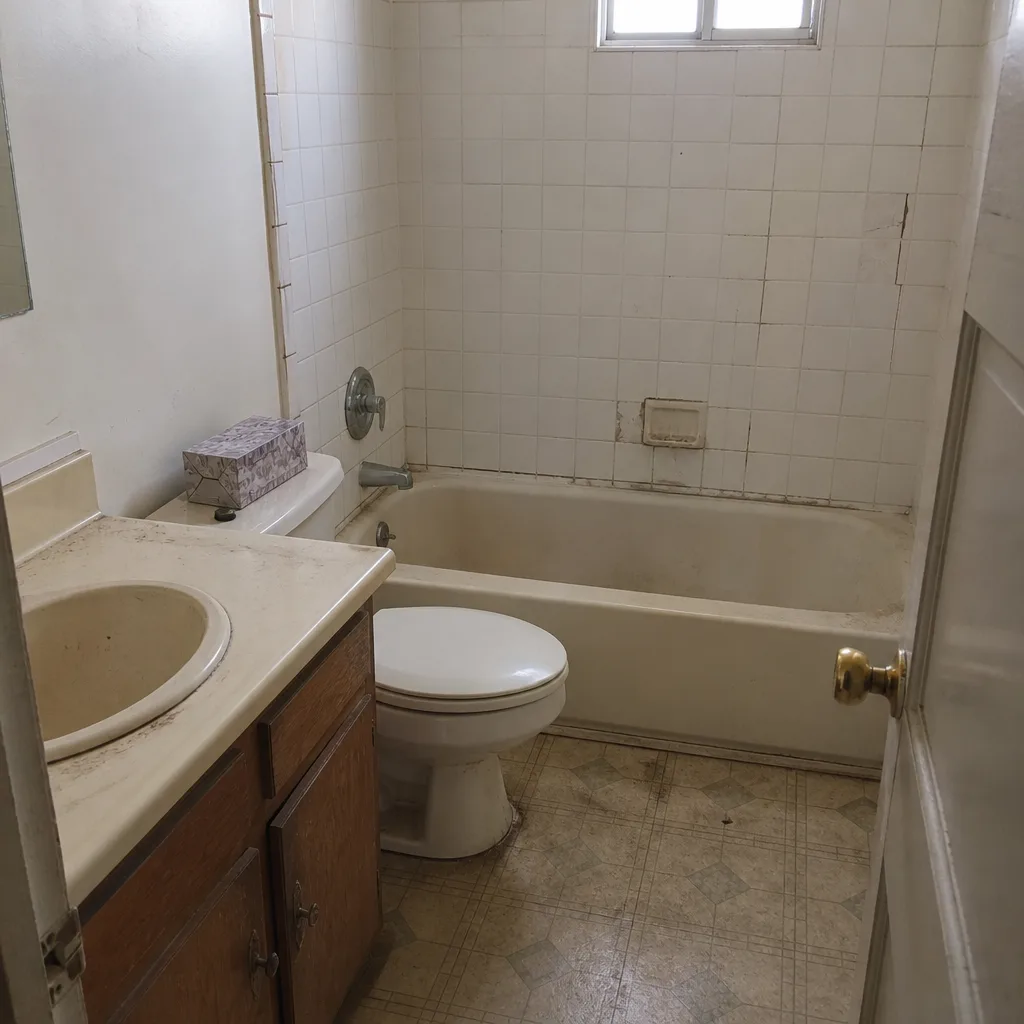 Before
 After
When to Call a Professional
Call a licensed professional any time the job touches structure, electrical, plumbing, gas, a permit, or roof and height work. That includes wall removal, bathroom gut-and-redo, kitchen rewiring, and anything that requires an inspection sign-off before you finish. It also includes any job where the hidden cost of a failure could outrun the savings. If you’re comparing routes for a larger project, our Kitchen Remodeling in Spring Valley and Bathroom Remodeling in Spring Valley pages show what a written-scope project looks like in practice.
Penhallow Remodeling Spring Valley offers free estimates in Spring Valley. Call (844) 797-3346 to schedule yours, and we’ll tell you plainly which parts of the job you can keep and which parts belong in the contractor’s scope.
Frequently Asked Questions

Yes, Nevada allows you to self-permit and perform work on a single-family home you occupy. The right ends the moment you pay someone to help, because that person becomes an unlicensed contractor under the statute. For anything structural, electrical, plumbing, or gas, a licensed contractor should pull the permit.
It can. If the paid work is tied to an unlicensed contractor, your insurer may deny a claim for damage from that work. That’s the real cost of the cheap cash helper, and it doesn’t show up until a claim is filed.
Kitchen remodels in Spring Valley typically run $18,000 to $55,000 depending on layout, cabinet line, and countertop material. The differences come from cabinet brand, whether walls move, and the countertop choice. Call (844) 797-3346 for a written price before any work starts, and estimates are free.
It shouldn’t. We put a written price in front of every homeowner before work begins, so the number on day one is the number on the invoice. Change orders should only happen when the scope changes and you approve it in writing.
Our 365-Day Done Right Promise covers work we perform. If something we did fails within the first year, we come back and fix it at no charge, and that’s in writing on every project. Your own labor has no such safety net, which is the hidden cost of doing it yourself.
Yes. A licensed contractor pulls the permit under their own name and passes the inspections for their scope, so the record is clean when you sell. We’ll also tell you exactly where the line between your DIY work and our permitted scope should sit. Call (844) 797-3346 to talk it through, and estimates are free.
The Bottom Line
In Spring Valley, the DIY-or-hire decision is really about liability and paperwork, not whether you have the skill. Paint, plant, and swap fixtures yourself with confidence. Hand off anything that touches permits, structure, electrical, plumbing, or gas, because the hidden cost of a failure or an uninsured helper can outrun the savings by a wide margin. And remember the warranty gap: a written guarantee on the work is something only a licensed contractor can put in your hands. If a project is on the fence, ask a licensed contractor for a free written estimate before you buy a single board.
Ready to Compare a Written Price?

If you’re weighing a Spring Valley project and want to see the numbers side by side, we’ll come out, walk the scope with you, and put a free estimate in writing before anything starts. There’s no pressure and no verbal ballpark: a written number you can hold us to, a real arrival window, and a 365-Day Done Right Promise on the work. Start at our Penhallow Remodeling Spring Valley home page, or call (844) 797-3346 to schedule your free estimate. A live person answers any hour, and we’ll tell you honestly what you can keep in your own hands and what belongs with us.
Written by the team at Penhallow Remodeling Spring Valley.