Last updated November 17, 2026







Free written scope consultation - allowances, timeline, and change-order rules on paper before a single trade is scheduled
DIY vs Professional Home Remodeling: What’s Safe to Do Yourself
Painting a bedroom and re-tiling a shower both feel like weekend projects. Only one of them can grow mold behind the wall for two years before you ever notice. That gap, between what a mistake looks like and how long it takes to surface, is the real dividing line in remodeling. It has nothing to do with whether you own a miter saw or how confident you feel on a Saturday morning. In Spring Valley, where dry desert air hides slow leaks and stucco walls trap moisture quietly, that distinction matters more than most homeowners realize. This guide gives you a consequence-based framework for deciding what to keep and what to hand off.
Quick Answer
Safe DIY remodeling covers low-consequence cosmetic work: painting, swapping hardware, changing light fixtures on existing circuits, and replacing standard plumbing fixtures like faucets. Anything touching water lines behind a wall, structural framing, gas lines, or the electrical panel belongs to a licensed professional, because the failure isn’t a crooked picture frame. It’s mold, a cracked slab, or a claim your insurer declines. In Spring Valley, unpermitted structural or electrical work can also block a home sale outright.
Styles & brands we work with
- Kitchen remodeling
- Bathroom remodeling
- Home additions & ADU
- Roofing
- Windows & doors
- Driveway & pavers
- Fence
Table of Contents
- The Consequence Tier Framework
- Tier 1: Low-Consequence DIY (Go Ahead)
- Tier 2: Medium-Risk Projects (Proceed With Caution)
- Tier 3: High-Consequence Work (Professional Only)
- Nevada Permits and What Makes DIY Work Unsellable
- How Unpermitted Work Complicates Insurance Claims
- The Real Cost Comparison: Mistakes Included
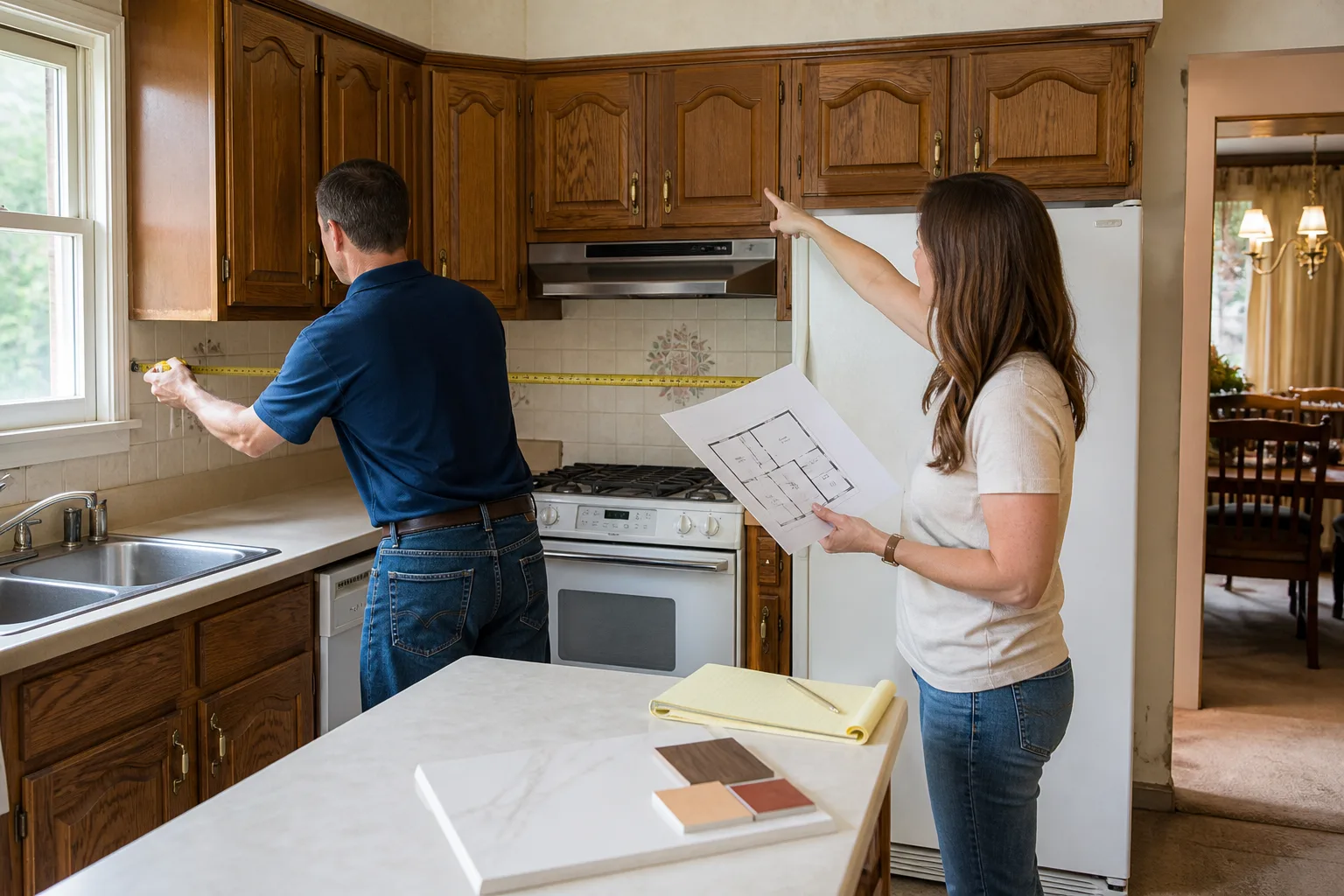
- What a Written Scope of Work Protects You From
The Consequence Tier Framework
Most DIY advice asks the wrong question: can you physically do the task? The better question is what happens if you get it 90% right. A 90% paint job looks fine. A 90% shower waterproofing job looks fine too, until the second winter, when the cement board behind your tile has been quietly feeding a mold colony and the studs have started to soften. By then you’ve spent the money once and you’re paying to tear it out.
We sort projects into three tiers by failure cost, not by skill:
- Tier 1 – Low consequence: A mistake is visible, cheap, and contained. You repaint or re-hang it in an afternoon.
- Tier 2 – Medium risk: A mistake is hidden but slow, or visible and expensive to undo. Flooring is the classic example: a bad plank edge shows, but a missing moisture barrier under it rots silently.
- Tier 3 – High consequence: A mistake is hidden, fast, and dangerous or legally irreversible. Anything carrying water, load, gas, or high current.
The line matters in Spring Valley specifically because our climate lies to you. Relative humidity sits low most of the year, so a slow supply-line weep under a cabinet can evaporate at the surface while the cabinet base and drywall soak it up from behind. In wetter regions, homeowners see the evidence early. Here, they discover it during a cabinet replacement years later. Consequence isn’t just about the work itself. It’s about how long Spring Valley’s dry air lets a problem stay invisible.
Tier 1: Low-Consequence DIY (Go Ahead)
These are the jobs where doing it yourself is genuinely reasonable, saves real money, and carries no serious downside if you botch a step. We tell Spring Valley homeowners to keep them, partly because the money you save here is money you can put toward the projects that actually need a pro.
- Interior painting: Walls, ceilings, trim, and doors. Prep is most of the work: patching, sanding, and a proper primer over patched drywall. Spend on good brushes and a quality roller and the rest is patience.
- Cabinet and door hardware: Knobs, pulls, hinges. Drilling new holes for pulls needs a template, but a mistake is a filled hole and a second try.
- Changing light fixtures on an existing switched circuit: Swapping a fixture where the wiring and box already exist is fair game for a careful homeowner. Adding a new circuit, moving a switch, or opening the panel is not.
- Replacing faucets and showerheads on existing supply connections: A like-for-like faucet swap with the water shut off is a reasonable DIY job. New supply lines, moved drains, or rough-in changes are not.
- Caulking, grout refresh, and minor trim: Cosmetic sealing around tubs and sinks keeps water where it belongs and is a good habit in a dry climate where caulk dries and cracks faster than you’d expect.
- Landscaping, fencing, and exterior cleanup: Non-structural yard work and low fencing. Anything that touches the structure of the house or requires a permit is a different tier.
The common thread: if you can see the whole result and undo it without opening a wall, it’s Tier 1. And even here, when you get to cabinet hardware on a kitchen that’s getting new doors anyway, it’s worth a conversation, because cabinet line and door style change what hardware works. That’s a Kitchen Remodeling in Spring Valley decision more than a hardware-store one.
Tier 2: Medium-Risk Projects (Proceed With Caution)
These sit in the gray zone. A skilled, patient homeowner can absolutely do them. But the failure mode is slower and pricier than Tier 1, and the margin for error is thinner than it looks in a tutorial.
- Floating or click-lock flooring: Doable, but only with an accurate moisture test on the slab first. A slab that reads damp under a floating floor will trap moisture and warp the planks. Spring Valley’s climate reduces the odds of a wet slab, but it doesn’t eliminate a plumbing leak under the slab, and a floating floor hides it.
- Tile on a floor (not a shower): Reasonable for a confident homeowner if the substrate is flat and stable. The tell is whether you’re willing to rent the tools to prep the substrate properly rather than skimping on it.
- Hanging drywall in a dry area: Fine for a closet or a garage wall. Not fine in a bathroom, where the vapor and water load turn a small taping error into a long-term problem.
- Small cosmetic layout changes: Moving a vanity a few inches within an existing bathroom footprint is doable if the plumbing rough-in stays put. Move the rough-in and you’ve crossed into Tier 3.
The honest test for Tier 2 is whether the work is reversible without demolition. A floating floor comes up. Ceramic tile on a bad substrate does not; you break it out and start over, and the substrate underneath goes with it. That’s the point where a Bathroom Remodeling in Spring Valley plan should get a professional set of eyes before the first plank or tile is laid.
Tier 3: High-Consequence Work (Professional Only)
This is where the DIY question stops being a question. These jobs fail hidden, fast, and expensively, and some of them are genuinely dangerous. We’re not going to give you step-by-step instructions for any of them, and no honest guide should. A few of them can put you in the hospital or start a fire, and the rest can cost more to fix than the original project cost to do.
Anything carrying water behind a wall. Shower pans, tub surrounds, and drain rough-ins. A shower that leaks is not a leak you’ll see. It’s a leak you’ll smell under the floor, and by then the subfloor and the framing behind the tile are compromised. The waterproofing layer behind the tile is a system, and getting it wrong by an inch at a curb is the difference between a dry shower for twenty years and a tear-out in three.
Anything carrying structural load. Removing a wall, widening a doorway, opening a closet into a room, anything that changes the span of the house. In Spring Valley, where single-story ranch plans are common, homeowners regularly want to take down the wall between the kitchen and the living room. Some of those walls are bearing load, and some aren’t, and you can’t tell by knocking on it. This is the work a licensed general contractor signs off on, with a permit and an inspection.
Anything touching the electrical panel, gas lines, or major supply plumbing. Panel work is a fire and shock hazard; gas work is a carbon monoxide and explosion hazard. Those two aren’t negotiable at any skill level. Re-piping a house or moving a water heater is Tier 3 too, not because it’ll kill you, but because a slow supply-line leak behind a cabinet for two years causes rot you won’t find until the cabinet fails. This is the work we handle under our General Contractor in Spring Valley umbrella, with a background-checked, uniformed technician on site and the job permitted and inspected.
Safety caveat, plainly: if a project involves a structural wall, the electrical panel, gas, or a shower’s waterproofing system, stop and call a professional. The cost of a consultation is a fraction of the cost of a do-over or an injury. There’s no version of this where a tutorial replaces a licensed contractor’s judgment.
Nevada Permits and What Makes DIY Work Unsellable
Here’s the part most DIY guides skip, and it’s the part that costs Spring Valley homeowners the most: unpermitted work is a resale problem, not just a paperwork problem. Work that requires a permit and doesn’t have one can be flagged at inspection by a buyer’s lender or title company, and the closing can stall until it’s corrected or the price drops.
Which work needs a permit in Nevada varies by local jurisdiction, but the categories homeowners most often get wrong are:
- Structural changes: Removing or modifying a load-bearing wall, adding a room, or changing a foundation.
- Electrical: New circuits, panel upgrades, adding outlets as part of a kitchen or bathroom remodel.
- Plumbing: Relocating fixtures, replacing a water heater, re-piping, adding a bathroom.
- Mechanical: Replacing a furnace or AC system, running new gas lines.
- Anything that changes the footprint or occupancy of the home.
When a homeowner does permit-required work themselves and skips the permit, the house carries a legal defect. A buyer’s inspector finds the unpermitted addition or the panel work, the appraiser notes it, and the deal can fall apart or the asking price has to absorb the risk. We’ve seen a Spring Valley kitchen renovation run into exactly this: the old work had to be opened up, inspected, and brought to current code before a new permit could be pulled for the next remodel. The homeowner paid twice for the same wall. The fix is straightforward when the work is permitted and inspected as it happens, and expensive after the fact.
How Unpermitted Work Complicates Insurance Claims
Your homeowner’s policy pays for accidental loss, not work that was done without the permits and inspections the work required. If a fire starts in a panel that was upgraded without a permit, or a slow plumbing leak causes rot that was never caught because the rough-in was never inspected, the insurer’s adjuster is within its rights to deny or reduce the claim. That’s the part nobody says out loud until it happens. The work that was supposed to save money turns into a claim you can’t collect on.
Unpermitted work also complicates the claim in a subtler way. When an adjuster looks at damage around a kitchen or bathroom, the first thing they ask for is the scope of work and the permits. If there’s no paper trail, the conversation shifts from “what failed and what’s covered” to “when was this installed and by whom.” A Spring Valley homeowner with a two-year-old unpermitted bathroom addition and a water loss has a much harder road than one who can hand the adjuster a permit and a written scope. It’s the same reason we put a written scope of work in every homeowner’s hands before a project begins: the paper protects you at claim time and resale time, not just at invoice time.
The Real Cost Comparison: Mistakes Included
The usual DIY-vs-pro math only counts the upfront savings. It should count the cost of getting it wrong, and in Spring Valley those numbers are real. Here’s the honest comparison across the three tiers, using typical Spring Valley ranges. Treat these as planning numbers, not quotes; every project is different.
- Interior painting (a 12×14 room): DIY runs roughly $150-$400 in materials and a weekend. A pro runs $600-$1,200. DIY wins clearly here; the downside risk is a repaint, not a repair.
- Floating floor (a 200 sq. ft. bedroom): DIY runs roughly $1,200-$2,400 in materials, more if you prep the slab properly. A pro install runs $2,800-$5,500. The catch: if the slab moisture test was skipped and the planks cup, you’re out the material and the do-over, and the total lands above the pro quote.
- Shower tile and waterproofing: A DIY tile job on a properly waterproofed pan runs $1,500-$4,000 in materials. A professional tiled shower runs $6,000-$14,000. If the waterproofing fails, the tear-out plus remediation plus re-tile runs $8,000-$18,000, which is more than the pro job and you did it twice. This is the single most common expensive DIY reversal we see.
- Structural wall removal: The DIY idea saves the contractor’s fee. The cost of an unpermitted or incorrectly supported wall removal is a permit retrofit, an engineer’s review, corrective framing, and a possible resale adjustment. That lands well above what the pro job would have cost from the start.
- Electrical panel or rough plumbing: There is no honest DIY number here. The failure costs include fire, water damage, and a denied claim. Call a licensed pro.
The pattern holds: the higher the tier, the less the upfront savings matter and the more the failure cost dominates the math. Where the stakes are low, doing it yourself is a real win. Where they’re high, the “savings” are borrowed from a future repair.
What a Written Scope of Work Protects You From
A YouTube tutorial teaches you the task. It cannot tell you what’s behind the wall in your specific house, and it cannot protect you when something goes wrong. A written scope of work does both. It’s a document that spells out, in plain language, what’s being removed, what’s being installed, what brands and materials are being used, what permits are being pulled, and what happens if a problem is uncovered once the wall is open. It’s the difference between a handshake and a contract.
At Penhallow, that written scope comes before a single cabinet is pulled or tile is set, and the number on day one is the number on the invoice. That’s the Kingswell standard we operate under: say the price before the work, show up in the window we gave, and leave the place cleaner than we found it. Every project carries our 365-Day Done Right Promise in writing, and if something fails inside that year, we come back and fix it at no charge. The materials we install, from Kohler and Moen fixtures to Cambria quartz counters (which carry their own lifetime warranty alongside ours), are part of the guarantee too. You can read more about how we work on our Penhallow Remodeling Spring Valley home page.
That’s the part a tutorial can’t give you: a document you can hold someone to. Not an estimate range, not a verbal ballpark. A written scope with a real arrival window and a written guarantee, on every job, every time.
Common Mistakes to Avoid
- Treating a shower like a flooring project. Showers are Tier 3 because the waterproofing is hidden. Homeowners skip the pan liner or the cement board (the moisture-resistant layer behind the tile) and the failure shows up a year later as a soft subfloor and a musty smell.
- Skipping the slab moisture test in Spring Valley. Dry desert air hides a damp slab under a floating floor. A $50 test kit or a five-minute read from a pro saves a $3,000 do-over.
- Assuming a wall isn’t load-bearing because it’s short. Spring Valley ranch homes have plenty of short interior walls that carry the roof. Knock test isn’t a structural test.
- Doing permit-required work without a permit. Unpermitted structural or electrical work can stall a closing, complicate an insurance claim, and cost more than the job to correct later. The permit is part of the price of doing the work right.
- Opening the electrical panel for a “quick” addition. Panel work is a fire and shock hazard at any skill level. This is the one to call on, full stop.
- Shopping only on the upfront number. A low DIY bid that ignores the cost of a failed waterproofing or an unpermitted addition isn’t a saving. It’s a deferred expense.
- Starting demo before you have a written scope. Demo day is when surprises show up. If the scope was verbal, the price changes at the door, and you’re the one absorbing it.
See the difference
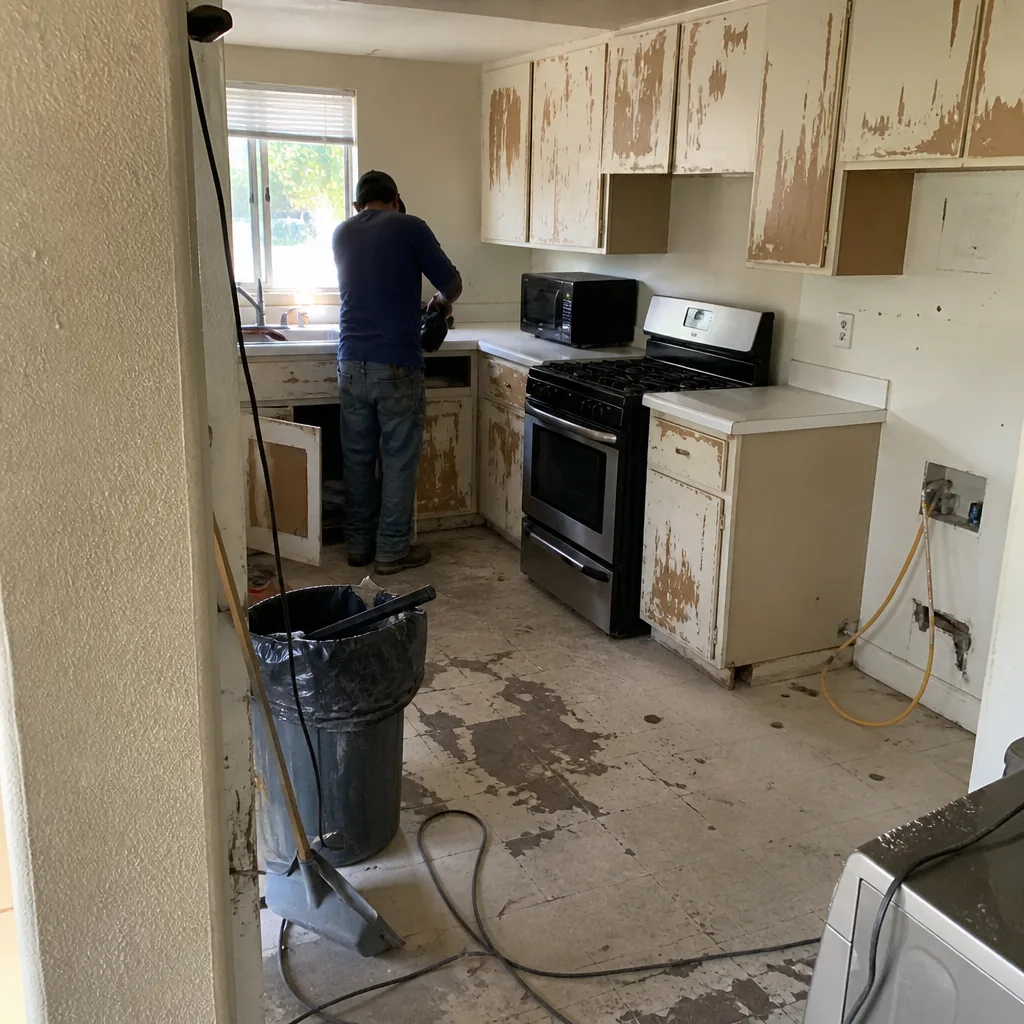 Before
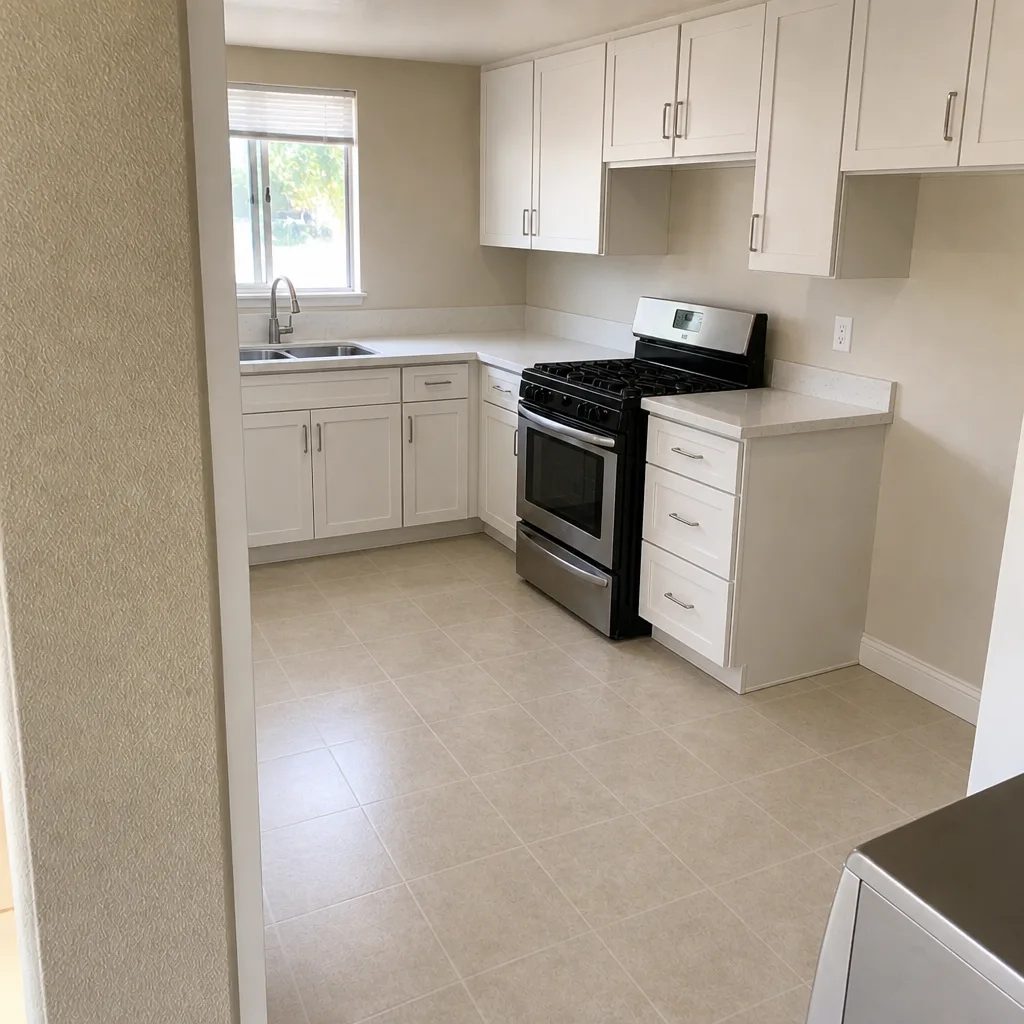 After
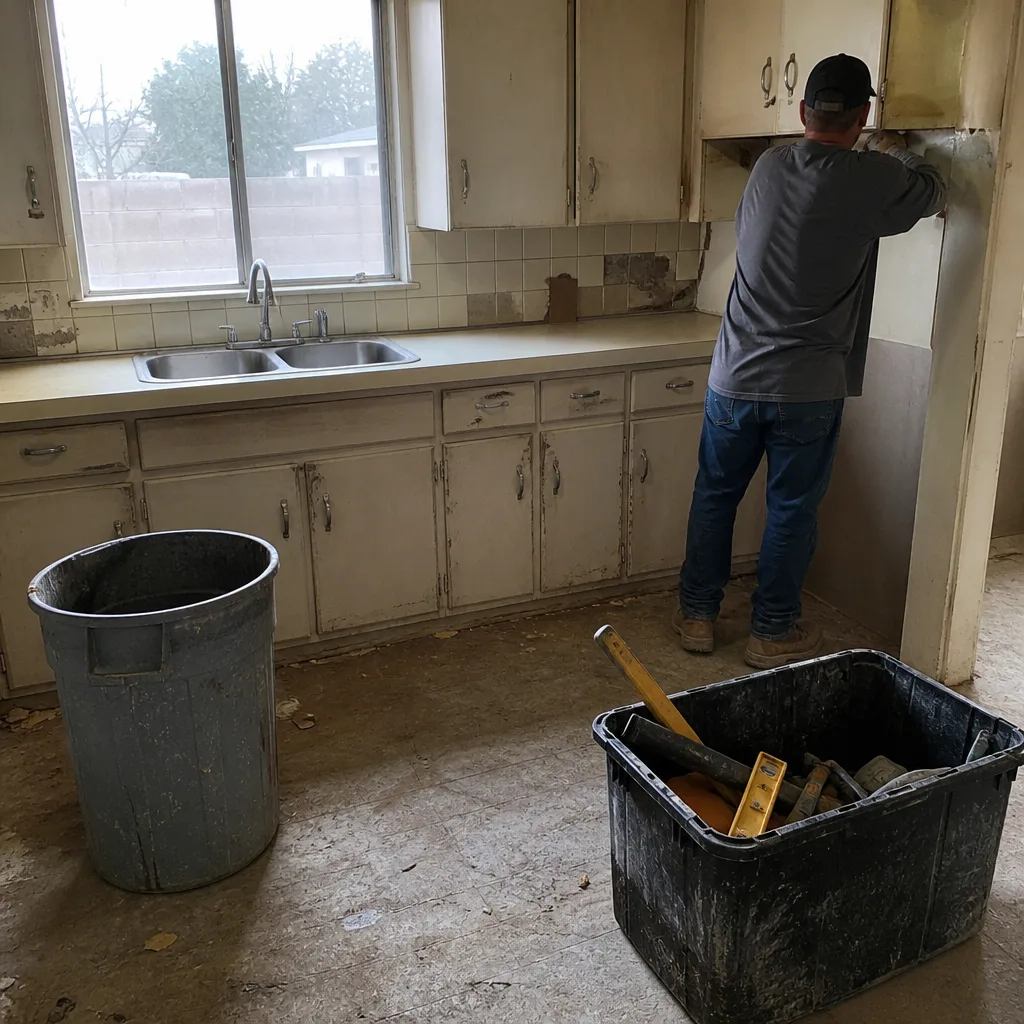 Before
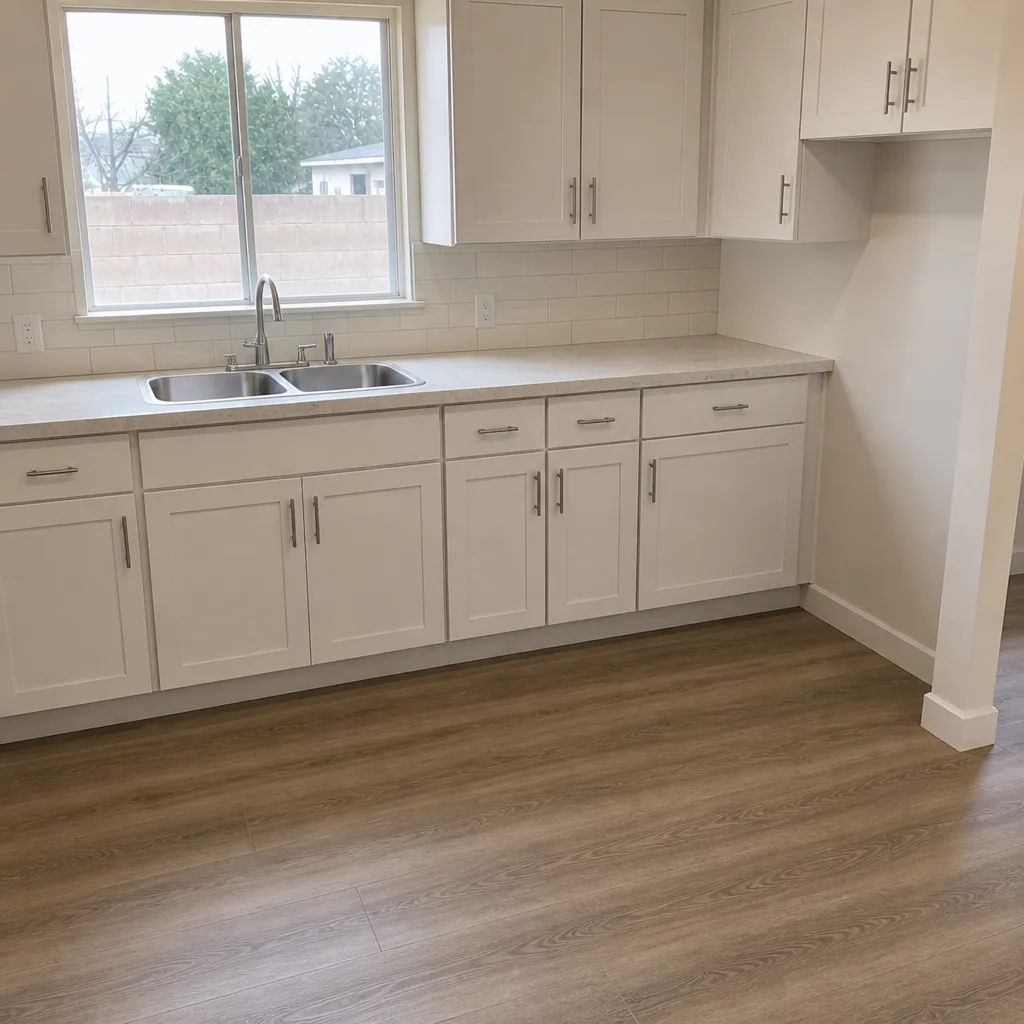 After
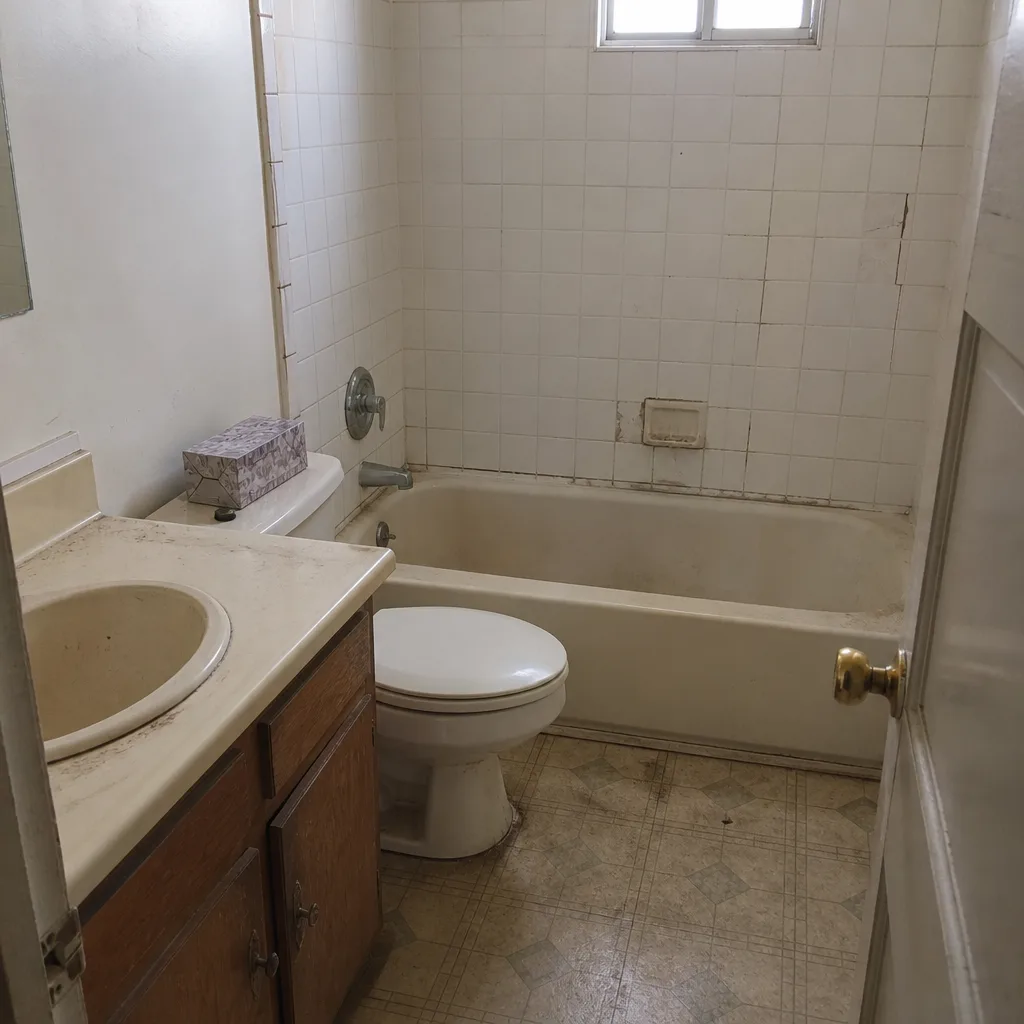 Before
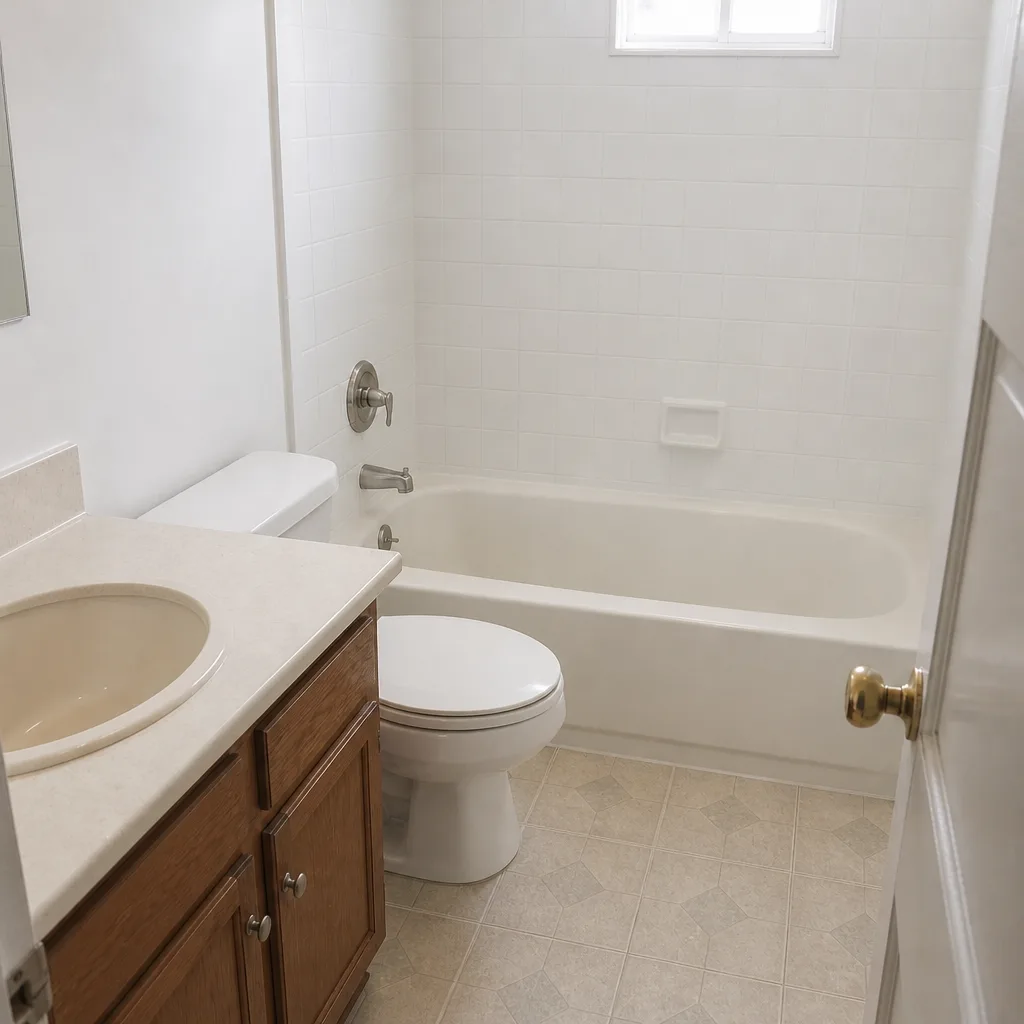 After
When to Call a Professional
Call a pro the moment a project crosses from cosmetic to consequential. That means: any wall that might carry load, anything touching the electrical panel, any gas line, any shower or wet-area waterproofing, any plumbing rough-in change, and any addition or extension. Those jobs are permitted, inspected, and backed by someone who will stand behind the work in writing. Penhallow Remodeling Spring Valley offers free estimates in Spring Valley; call (844) 797-3346 to schedule yours. A live person answers that line around the clock, so you’re not leaving a message in a queue and waiting for a callback. We’ll walk the project with you, hand you a written scope with a real number, and tell you plainly which parts you can safely keep. Sometimes that’s most of the list, and the honest answer saves you money on the parts that don’t need us.
Frequently Asked Questions

DIY is cheaper for low-consequence cosmetics like painting, hardware swaps, and fixture updates, where a mistake costs a repaint or a re-hang. DIY is more expensive once the failure cost is included: a failed shower waterproofing or an unpermitted structural change costs more to fix than the pro job would have cost. The cheap option depends on the tier, not on the skill level.
Structural changes, new or upgraded electrical, plumbing relocations, water heater replacements, new gas lines, and anything that changes the footprint or occupancy of the home typically require a permit and inspection. Local jurisdiction rules vary, so confirm with the city or county before work starts. A permit is part of doing the work legally and protectably.
It can. Insurers may deny or reduce a claim for loss caused by work that required a permit but wasn’t permitted or inspected. Unpermitted work also complicates the adjuster’s review of a kitchen or bathroom loss, because there’s no paper trail of what was installed. The permit and written scope are the paper that protects your claim.
Tile is not the hard part; the waterproofing behind it is. A shower pan and moisture-resistant substrate that’s one inch off at the curb can fail silently for a year before it surfaces. We recommend a professional for shower tile and waterproofing because the fix cost, tear-out plus remediation plus re-tile, lands well above the original price of the job.
A knock test cannot tell you. Load-bearing status depends on where the wall sits in the structure and what spans it carries, and the answer requires a trained eye. Spring Valley has plenty of short interior walls that carry the roof. Removing one without a professional assessment is a Tier 3 mistake with structural consequences.
A written scope spells out what’s removed, what’s installed, the brands and materials, the permits being pulled, and what happens if a problem is uncovered once the wall is open. At Penhallow, it also includes the written price, the arrival window, and the 365-Day Done Right Promise. It’s the document a tutorial can never give you, and it’s what you can hold a contractor to.
The Bottom Line
Draw the DIY line by consequence, not confidence. Low-consequence cosmetics (painting, hardware, fixture swaps, caulking) are genuinely worth doing yourself, and the savings are real. Medium-risk projects (floating floors, dry-area drywall, non-shower tile) belong to the confident homeowner who’s willing to prep properly. High-consequence work (anything touching load, water behind a wall, gas, or the electrical panel) belongs to a licensed professional, every time, because the failure cost and the legal exposure both dwarf the upfront savings. In Spring Valley, unpermitted work can also stall a closing and complicate an insurance claim, which is why the written scope and the permit are part of the job, not paperwork after it. That’s the difference between a weekend project and a decade-long repair.
Need a written number before you commit? Call Penhallow Remodeling Spring Valley at (844) 797-3346 for a free estimate. We’ll walk the project, tell you honestly which parts to keep, and hand you a written scope with a real guarantee behind it. Background-checked, uniformed technicians on every job, a written guarantee on every project, and a live person on the line whenever you call. Reach us today to schedule your free estimate.
Written by the team at Penhallow Remodeling Spring Valley.