
Last updated November 17, 2026








Free written scope consultation - allowances, timeline, and change-order rules on paper before a single trade is scheduled
General Contractor Maintenance Checklist for Spring Valley Homeowners
Here’s the number that should reset how you think about home maintenance: a Spring Valley roof can swing roughly 100°F between a cold January night and a July afternoon. That kind of thermal cycling doesn’t just make your electric bill interesting. It expands and contracts every piece of caulk, stucco, roofing membrane and fastener on the house, on a schedule that has nothing to do with the generic “check for ice dams” advice you’ll find recycled from Midwest and coastal sources. This guide replaces that noise with a desert-specific, month-by-month checklist built around the real stressors a Spring Valley home faces. You’ll learn what to inspect, when to inspect it, and how to document it so any contractor can quote you accurately.
Quick Answer
Spring Valley homeowners should run four maintenance windows a year: April – May for roof coatings and HVAC penetration caulking before summer heat, June for block wall drainage and stucco crack sealing before monsoon season, September for concrete flatwork and caliche heaving, and November – January for the roughly six weeks when pipes genuinely freeze-risk in this valley. Photograph every finding with a date so a contractor can give you a written estimate instead of a verbal guess.
Styles & brands we work with
- Kitchen remodeling
- Bathroom remodeling
- Home additions & ADU
- Roofing
- Windows & doors
- Driveway & pavers
- Fence
Table of Contents
- Why Generic Maintenance Checklists Fail in Spring Valley
- Pre-Summer (April – May): Roof Coatings, HVAC Penetrations and Caulk
- Monsoon Prep (June): Block Walls, Drainage and Stucco Cracks
- Post-Monsoon (September): Concrete and Caliche Heaving
- Winter (November – January): The Only Real Pipe-Risk Window
- How to Document Every Inspection for an Accurate Estimate
- Common Mistakes to Avoid
- Frequently Asked Questions
Why Generic Maintenance Checklists Fail in Spring Valley
Most online maintenance calendars assume four humid seasons and a frost line. Spring Valley has neither. What we have is a high desert: intense UV, a hard monsoon burst in July and August, caliche soil that behaves like concrete when it dries, and a handful of freezing nights each winter. A checklist telling you to clear gutters and watch for ice dams is answering a question your house never asked.
The thermal cycle is the real driver. Roof coatings that flex fine in a mild climate get brittle after eight or nine years of 100-degree daily swings between night and afternoon. Caulk joints around HVAC penetrations crack before they leak, if you catch them in time. Stucco develops hairline fractures that look cosmetic until the first monsoon drives water behind the lath.
Spring Valley is also a mature suburb, which matters. Much of the housing stock here went up in the 1990s and 2000s, which means a large share of homes are hitting the age where original roof coatings, original caulk and original exterior paint are all failing at once. If your home is in that bracket, the checklist below isn’t optional maintenance. It’s catch-up work, and the order you do it in saves real money.
Pre-Summer (April – May): Roof Coatings, HVAC Penetrations and Caulk
This is the most important maintenance window of the Spring Valley year, because everything you seal in April has to survive five months of 100°F-plus afternoons. Once June heat arrives, roofing crews won’t touch a coated roof surface until it cools, and small problems get expensive fast.
Work through this in order:
- Inspect the roof coating. On a flat or low-slope roof, look for chalky patches, hairline alligator cracking, and any spot where the coating has worn thin enough to show the substrate underneath. Elastomeric coatings give you a service life of roughly 8 – 12 years in this climate; past that, patching is a band-aid on a roof that needs recoating.
- Re-caulk every HVAC penetration. The pipes and conduit running from your air handler through the roof are the single most common leak point we find in Spring Valley. Check the sealant collar for cracking and pull-back. Use a quality polyurethane sealant rated for high UV, not a cheap silicone bead that’ll peel by August.
- Check the flashing at parapets and scuppers. Where the roof meets a wall or where water exits, flashing metal lifts and fasteners back out. Look for open seams and rust streaks.
- Walk the exterior caulk joints. Window perimeters, door frames, and any transition between two materials. If you can slide a putty knife under a bead, it’s already failed.
- Test the AC before the first hot week. Not a maintenance task for the checklist per se, but a system that fails on the first 108°F day costs more to fix in a hurry than a spring tune-up.
Roof coating work is genuine height and heat work. We don’t recommend homeowners climb a coated roof in May to do their own patching, and we never send anyone up without fall protection on a two-story home. Inspect from a ladder at the edge if you’re comfortable, photograph what you see, and let a professional handle the repair. If you’re planning exterior work like James Hardie siding replacement, spring is when that conversation should start, since the material and installation details have to account for the same UV and thermal movement the checklist is protecting against.
Monsoon Prep (June): Block Walls, Drainage and Stucco Cracks
Monsoon season in Spring Valley runs roughly July through early September, and the rain comes in bursts heavy enough to overwhelm drainage that’s never been tested. June is your window to fix anything that water would find.
The big items:
- Block wall drainage. Check the base of every perimeter block wall. If soil has piled up against the wall, or if the wall sits at the low point of the lot, water pools there and works into the footing. Look for efflorescence, the white chalky staining that tells you moisture is moving through the block.
- Stucco hairline cracks. Cracks up to about 1/16 inch are common and usually cosmetic, but they still need sealing before monsoon rain. Wider cracks, or any crack that runs diagonally from a window corner, deserve a closer look because they can signal movement behind the stucco.
- Window and door weep screeds. The weep screed is the metal lip at the bottom of your stucco that lets water drain out. If it’s buried by landscaping or caulked shut, water gets trapped in the wall assembly.
- Yard and patio drainage. Check that water flows away from the house, not toward it. If your paver patio or Belgard hardscape has settled and created a low spot against the foundation, that’s a June problem, not an August surprise.
Spring Valley’s soil is the reason this section matters more here than in a lot of places. When it dries out, it shrinks and pulls away from foundations and wall footings, opening gaps that monsoon water pours into. Sealing those gaps in June, before the rain, is one of the highest-value hours you’ll spend on the house all year.
Post-Monsoon (September): Concrete and Caliche Heaving
Once the monsoon passes, walk every square foot of flatwork: driveway, sidewalks, patio slabs, and the apron in front of your garage. September is when the damage from the wet season becomes visible, and it’s also when you want to schedule repair before winter.
Caliche is the local villain. It’s a hard calcium carbonate layer that forms under much of the soil in and around Spring Valley, and it expands when it soaks up monsoon water. Concrete poured directly over shallow caliche will heave, crack, and sometimes lift a slab by an inch or more. What you’re looking for:
- Cracks wider than a hairline, especially cracks that have opened since spring
- Slabs that have lifted or settled out of plane with their neighbors
- Separation where flatwork meets the foundation wall
- Gaps under the garage apron or driveway edges that let water sit
Concrete repair in Spring Valley typically runs $400 – $1,500 for crack filling and slab stabilization on a standard driveway, and a full slab replacement on a patio or walkway usually lands between $2,000 – $6,000 depending on square footage and whether the caliche has to be broken out and re-graded first. If your flatwork is in the path of a planned General Contractor in Spring Valley project, get it quoted together so the site work and the build don’t argue with each other later.
Winter (November – January): The Only Real Pipe-Risk Window
Here’s where the generic advice gets it exactly wrong for Spring Valley. Most checklists assume a long freeze season. We have maybe six to eight weeks of genuine risk, usually the cold snaps between mid-November and early January, and the pipes that actually burst here are almost always in three specific places.
- Exterior hose bibs and their supply lines. Disconnect hoses, shut off the interior valve if you have one, and cover the bib. This is the number one freeze failure we see.
- Pipes in the garage or an unheated laundry room. Garage walls on a Spring Valley home aren’t insulated to the same standard as a cold-climate build. A pipe run along the garage wall will freeze in a hard snap.
- Attic runs near the roof deck. If a supply line crosses the attic close to the roof sheathing, the cold night air gets to it before the house heat does.
What actually needs insulating: the exposed runs in the garage and attic, plus the hose bib lines. Foam pipe sleeves (the cheap gray foam tubes) handle most of it. What does not need insulating: the pipes buried inside heated walls, despite what the internet says. You’re wasting money wrapping pipes that will never see freezing air.
A quick insulation and weatherstripping project in November also pays for itself. If your windows or exterior doors are original to a 1990s build, that’s the same thermal cycling talking. We install Therma-Tru doors when homeowners replace failing entry doors as part of a Penhallow Remodeling Spring Valley home project, and the energy difference is measurable.
How to Document Every Inspection for an Accurate Estimate
The single biggest reason a homeowner gets blindsided by a repair bill is that the contractor shows up, looks at a problem they didn’t know about, and quotes from scratch. You can prevent most of that with a simple documentation habit that costs nothing.
Here’s the routine we recommend:
- Photograph every issue you find, with something in the frame for scale (a coin, a tape measure, your hand).
- Write the date and the location on the photo. “South wall, June 14” beats a photo of a crack with no context.
- Note whether the issue is new this year or worse than last year. Changes matter more than the current state.
- Keep a short note file on your phone or in a kitchen drawer with the contractor’s findings from each season.
When you have photos, dates, and a clear description of what changed, any contractor can quote you accurately from a written scope rather than a guess. That’s the difference between a verbal ballpark that moves on demo day and a written price you can hold someone to. At Penhallow, every project gets a written number before work starts and a written 365-Day Done Right Promise, which only works if both sides know exactly what the job is. Good documentation makes that possible.
See the difference
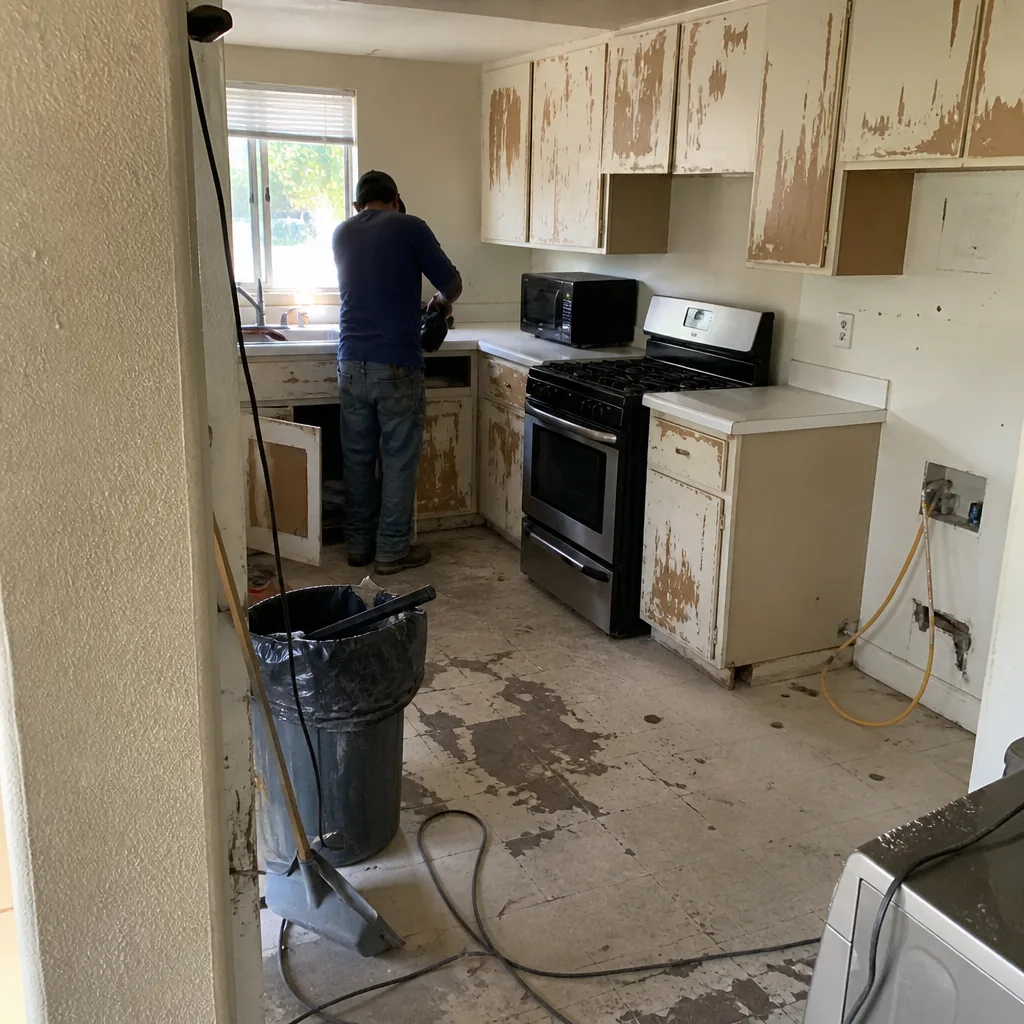 Before
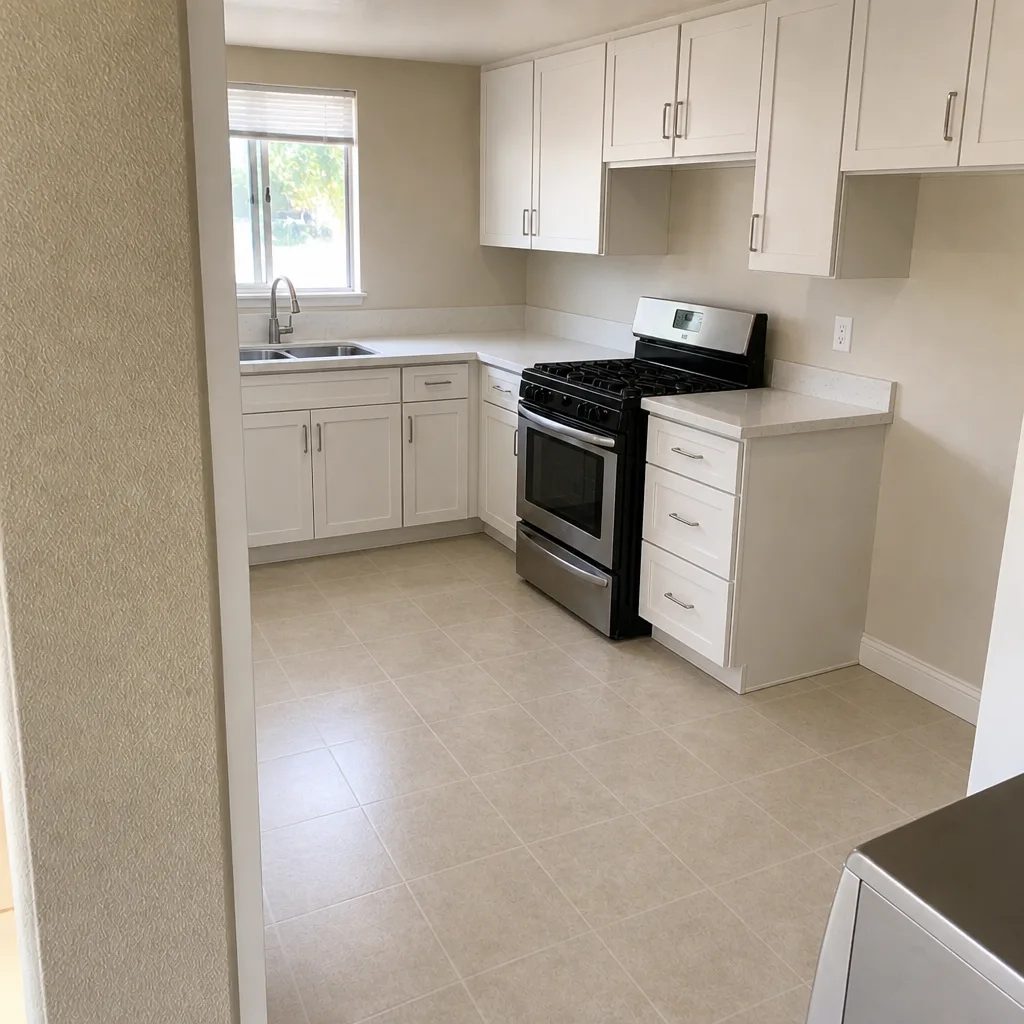 After
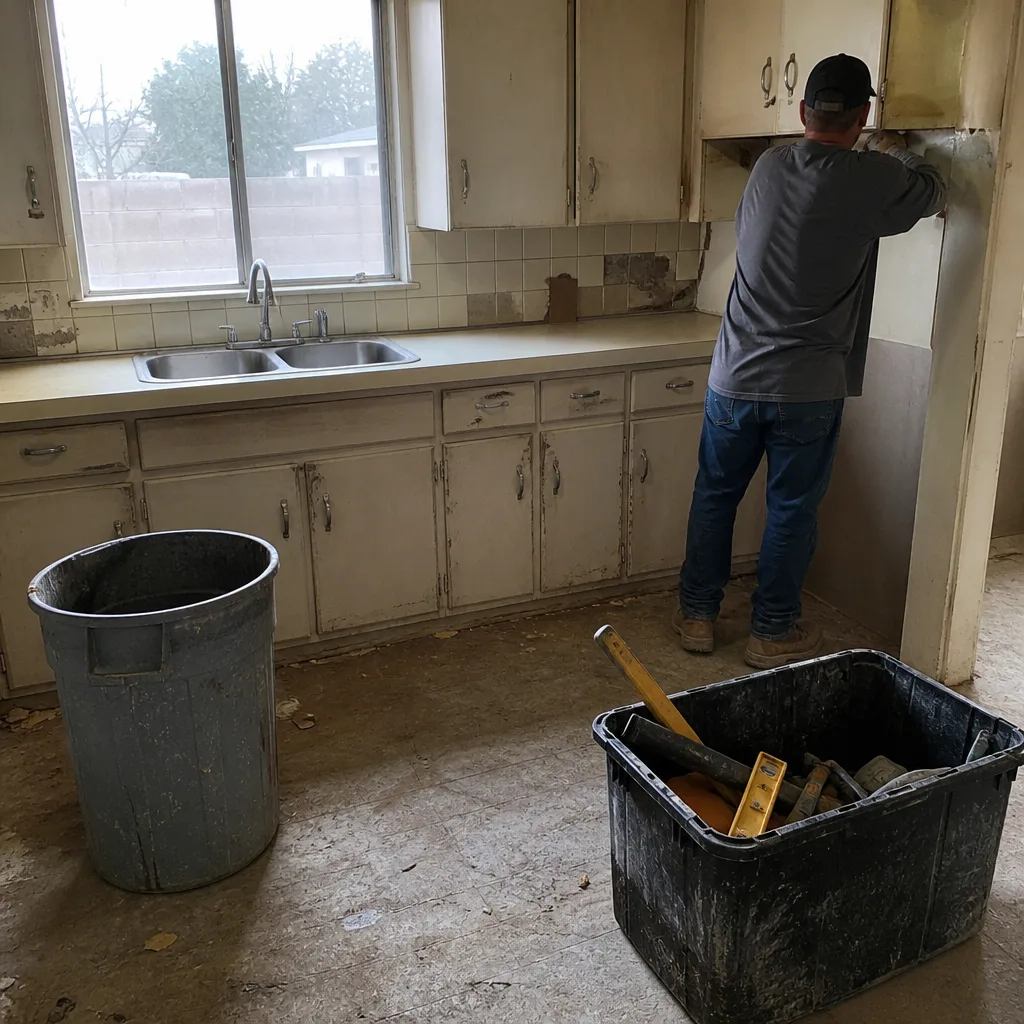 Before
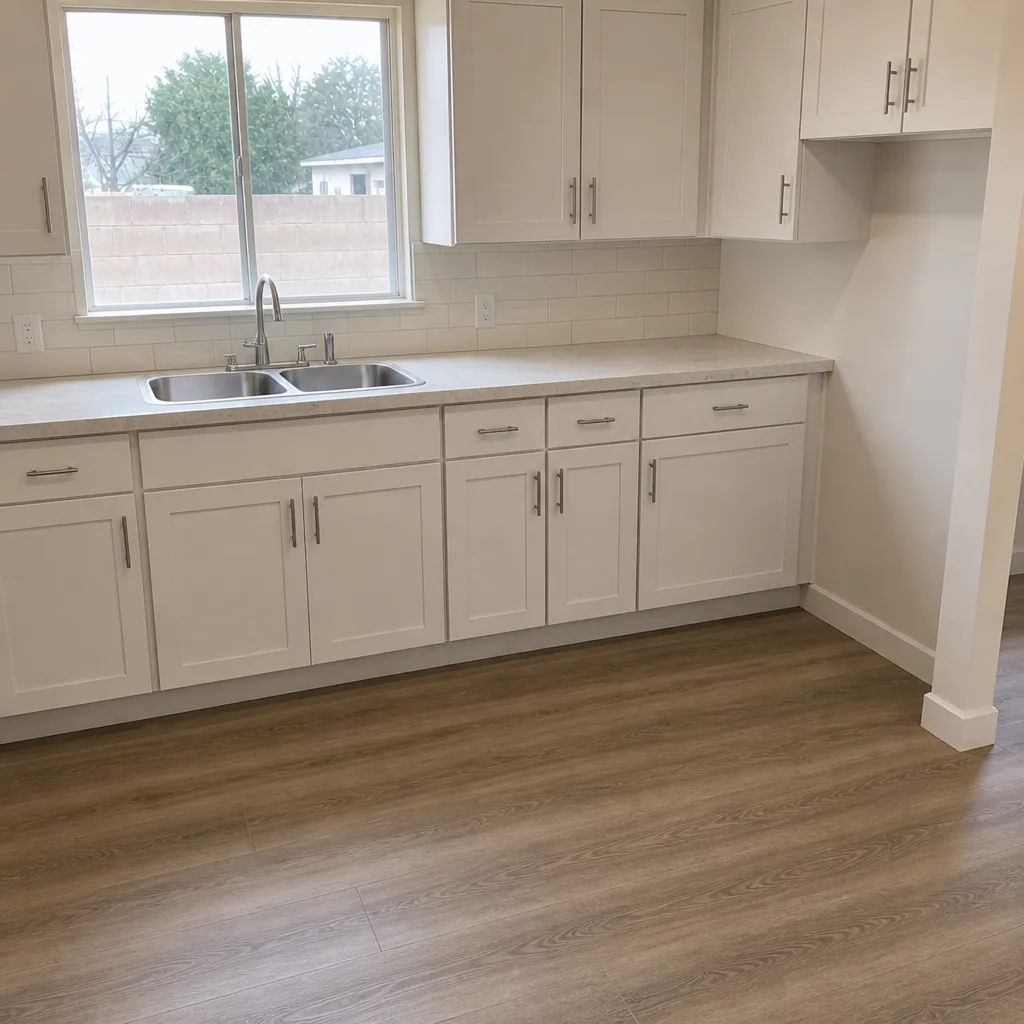 After
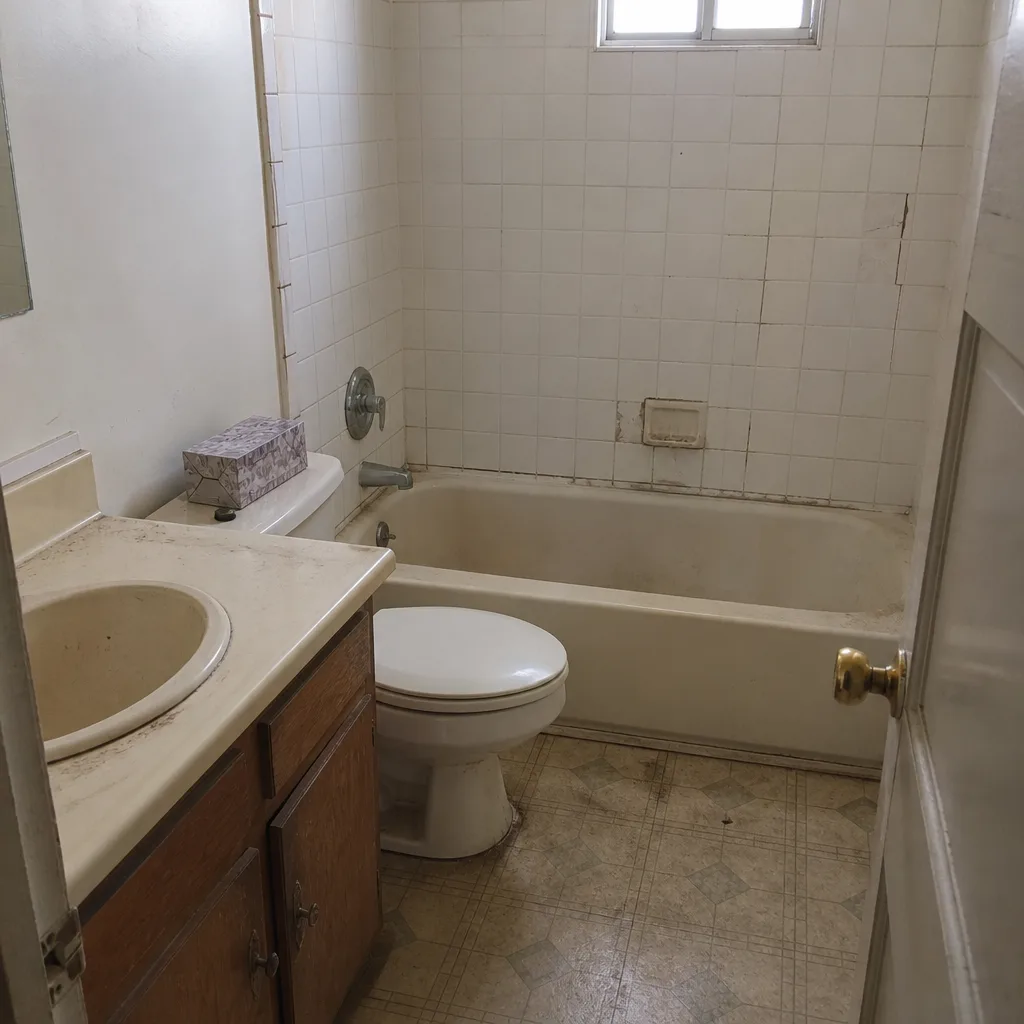 Before
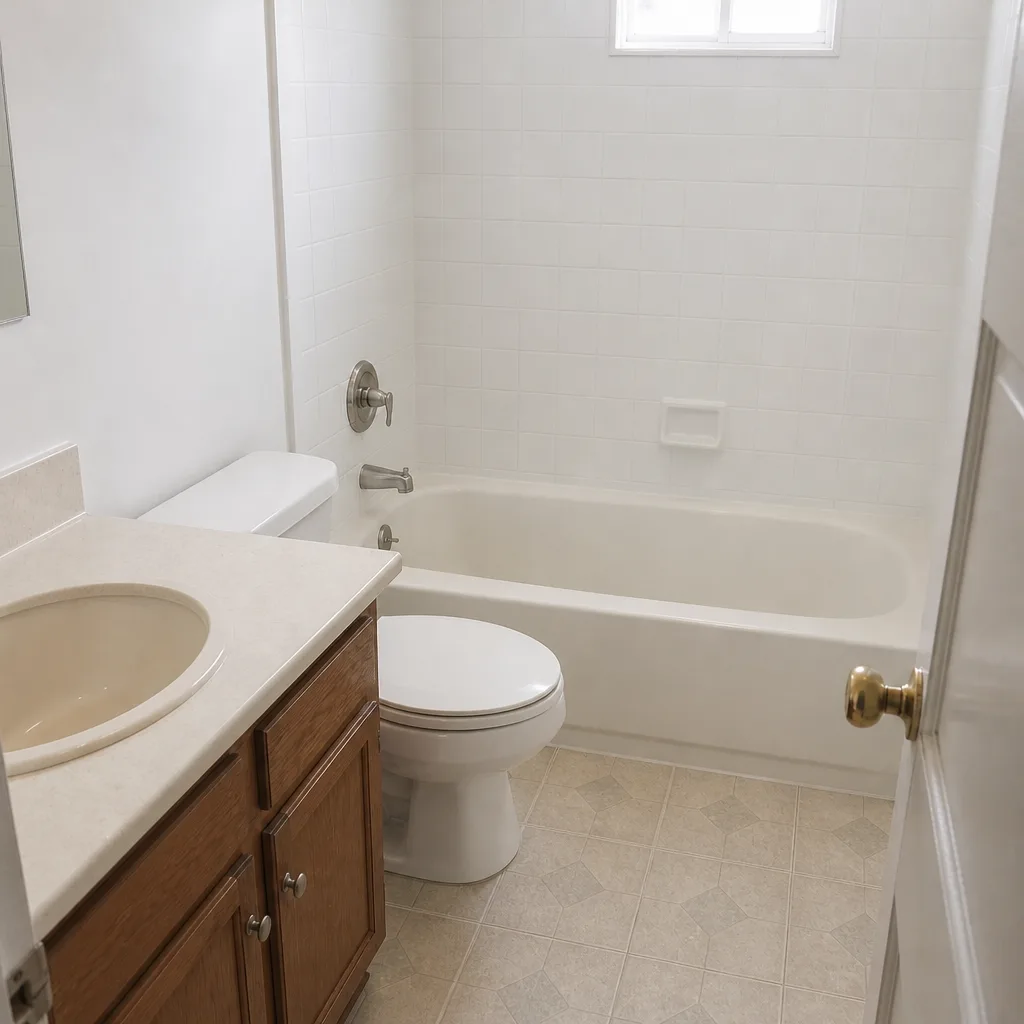 After
Common Mistakes to Avoid
- Following a coastal checklist instead of a desert one. Ice dams, gutter clearing and basement moisture are non-issues in Spring Valley; skip them and spend the time on roof coatings and stucco instead.
- Caulking the HVAC penetrations with interior-grade sealant. The roof surface hits 160°F in July. Cheap caulk will pull away within months, and the leak starts where you already fixed it.
- Sealing stucco hairline cracks with paint. Paint doesn’t bridge a moving joint. You need an elastomeric sealant that flexes with the thermal cycle, or the crack reappears after the first monsoon.
- Waiting until the first cold snap to deal with hose bibs. In Spring Valley, freezing nights often arrive before homeowners have disconnected the hose. Do it in November, not the night it freezes.
- Assuming a settled concrete slab is a cosmetic problem. In caliche country, heaving often signals a drainage issue that will get worse every wet season until the water is redirected.
- Skipping the documentation step. A repair you can’t describe accurately gets quoted with a safety margin, and the safety margin goes into your bill.
- Hiring a contractor who quotes from memory after the inspection. Insist on a written line-item price and a written guarantee before work starts. If the quote changes once demo begins, the contractor wasn’t accurate the first time.
When to Call a Professional
Not every finding on this checklist needs a pro. A cracked caulk line, an uncovered hose bib, a disconnected downspout: handle those yourself. But a few situations genuinely require a professional. Roof coating repair is heat and height work and shouldn’t be a homeowner project. Any stucco crack that runs diagonally from an opening, or widens by more than a hairline between seasons, needs a real inspection, because it can indicate movement behind the wall. Concrete that has heaved more than half an inch or tilted a slab needs site drainage addressed, not just crack filler. And any suspected moisture intrusion into a wall or ceiling should be diagnosed before it produces mold or rot. Penhallow Remodeling Spring Valley offers free estimates in Spring Valley – call (844) 797-3346. We’ll come out, walk the findings with you, and give you a written price for whatever actually needs doing.
Frequently Asked Questions
April or May, before summer heat arrives. Elastomeric coatings on a Spring Valley home typically last 8 – 12 years given the UV and thermal cycling here. Inspect for chalking, alligator cracking and thin spots, and schedule recoating or repair before June heat makes the work harder and the window shorter. Call (844) 797-3346 for a free roof coating assessment.
Spot repairs and re-caulking around HVAC penetrations typically run $250 – $700. A full recoating on a standard low-slope roof usually lands between $1,500 and $4,500 depending on square footage, current coating condition and whether the roof needs prep work first. We give you a written price before any work starts, and the number doesn’t change once we’re up there.
Thermal cycling. Spring Valley temperatures swing as much as 100°F between winter nights and summer afternoons, and stucco, being a brittle material, moves with the temperature. Hairline cracks up to about 1/16 inch are normal and just need elastomeric sealing. Cracks that run diagonally from a window or door corner, or that widen each season, need a professional look because they can signal movement behind the lath.
Some of them, yes, but not the way most generic advice suggests. Only the exposed pipe runs in the garage, attic near the roof deck, and the hose bib supply lines are at real freeze risk during the six to eight weeks of cold snaps each winter. Pipes inside heated walls don’t need wrapping. Focus your money on the exposed runs and hose bib covers.
Caliche is a natural calcium carbonate layer that forms in the soil under much of the Spring Valley area. It expands when it absorbs monsoon water and contracts when it dries, and concrete poured directly over shallow caliche will heave and crack over the years. The fix is usually redirecting the drainage that feeds the caliche, plus repairing or replacing the affected slabs. Crack filling and stabilization typically runs $400 – $1,500; full slab replacement is $2,000 – $6,000.
Some of it, yes. Caulking windows, disconnecting hose bibs, checking drainage around block walls and photographing findings are all homeowner tasks. Roof coating inspection and repair, stucco crack diagnosis, and concrete heaving should be handled by a professional. Call (844) 797-3346 for a free estimate on anything that looks like it needs more than a tube of caulk, and we’ll tell you honestly whether it can wait.
The Bottom Line

A Spring Valley home doesn’t need the maintenance checklist you’ll find recycled online. It needs four inspections a year, timed to the desert: April and May for roof coatings and HVAC caulking before heat, June for monsoon prep on stucco and block wall drainage, September for concrete after the wet season, and November through January for the real freeze-risk window. Photograph every finding, note the date and the change, and keep it on file. When you do call a contractor, that documentation turns a verbal guess into a written price you can hold the company to, and a written guarantee you can hold in return. When the inspection turns up something that needs a pro, call (844) 797-3346 for a free estimate. We give you a written price before any work starts, name what we’ll do and what we’ll leave untouched, and back the repair with a written 365-Day Done Right Promise. If something fails within the year, we come back and fix it, no service call and no re-inspection fee.
Written by the team at Penhallow Remodeling Spring Valley.