
Last updated November 17, 2026








Free written scope consultation - allowances, timeline, and change-order rules on paper before a single trade is scheduled
General Contractor Troubleshooting: Common Problems and How to Fix Them
A cracked tile two months after installation is rarely a tile problem. Nine times out of ten it’s a substrate problem, the layer beneath the tile that gives it something solid to bond to. And the reason no one fixed the substrate is that the original estimate never mentioned it. Most remodeling problems we’re called out to diagnose aren’t construction failures at all. They’re contract failures that showed up later in lumber and tile. This guide teaches you to trace a problem backward from the symptom to the paperwork gap that allowed it, using real examples from Spring Valley jobs, so you know what to look for before you sign and what your options are once something’s already gone wrong.
Quick Answer
Most general contractor problems come down to a gap in the written agreement: an unclear scope, a missing allowance, or no written guarantee. The fix is to trace the symptom back to the paperwork (the clause that was missing or vague), then document the issue in writing with photos and a response deadline. A contractor who put the price and the guarantee in writing up front can correct the problem; one who didn’t leaves you negotiating from scratch.
Styles & brands we work with
- Kitchen remodeling
- Bathroom remodeling
- Home additions & ADU
- Roofing
- Windows & doors
- Driveway & pavers
- Fence
Table of Contents
- The Change-Order Pattern That Tells You Something’s Wrong
- Tracing the Problem Back to the Contract
- Workmanship Guarantee vs. Product Warranty: Who Do You Call?
- What “We’ll Make It Right” Actually Means
- How to Document a Problem So Your Options Survive
- The Five Most Common Post-Project Complaints
- Why Spring Valley Homes See Specific Problems
The Change-Order Pattern That Tells You Something’s Wrong
Three change orders in the first week of a kitchen remodel isn’t bad luck. It’s a diagnostic sign. A change order is a written amendment to the contract that adds or removes work and adjusts the price. One or two is normal on an older home where demo reveals something hidden. But a cluster in the first few days almost always means the original scope was underwritten: the contractor quoted low to win the bid and is now making up the difference one amendment at a time.
Here’s how to read the pattern before it gets expensive:
- Count the change orders in the first 10% of the project. More than two before the job is barely underway is a warning, not a coincidence.
- Read what triggered each one. A genuine surprise (rotted subfloor under a leaky dishwasher) comes with photos and a clear explanation. A vague “additional materials needed” does not.
- Check whether any of it appeared in the original scope. If the change order covers work a careful estimator should have anticipated, the original price was fiction.
- Ask for the revised written total. A contractor who can’t hand you a new number in writing is running a verbal ballpark that will keep moving.
In Spring Valley, we see this most often on 1990s-era homes where the original builder used builder-grade materials that fail during demo. A contractor who walked the house properly should have flagged the likely substrate and plumbing conditions in the written scope, not discovered them after the cabinets came out. When the estimate names those contingencies up front, the change orders don’t surprise anyone.
Tracing the Problem Back to the Contract
When a homeowner calls us about a bubbling grout line or a door that won’t close, the useful question isn’t “what broke?” It’s “what was promised, in writing, about how this would be built?” That reframe turns a frustrating symptom into a solvable problem, because the answer tells you whether you’re dealing with a defect the contractor owns or a condition nobody agreed to address.
Work backward in this order:
- The symptom: What you can see or feel. Cracked tile, a sticking cabinet door, water staining at a shower curb.
- The trade behind it: Tile, carpentry, waterproofing. Name the system that failed.
- The clause that governed it: Does the contract name the substrate, the waterproofing method, the material grade? If it’s silent, that silence is the root cause.
- The written guarantee: Does it cover workmanship for a defined period? If not, “we’ll stand behind it” is a handshake, not a promise.
Nine out of ten times the paperwork gap is one of three things: a scope that never spelled out the prep work, an allowance that let the contractor swap in a cheaper material, or no written guarantee at all. Once you name the gap, you know exactly what you’re asking the contractor to correct, and you’re not arguing about opinion. You’re pointing at a document.
Workmanship Guarantee vs. Product Warranty: Who Do You Call?
A defect covered by a workmanship guarantee and damage covered by a product warranty are two different problems with two different phone numbers, and mixing them up is how homeowners get bounced between a manufacturer and a contractor who each point at the other. Workmanship is how something was installed: the labor, the prep, the setting. Product warranty is the material itself: the tile, the cabinet, the fixture.
The split usually looks like this:
- Workmanship issue: Tile that sounds hollow because it wasn’t properly bedded. A cabinet that sags because it was hung into drywall instead of studs. A shower that leaks because the waterproofing was skipped. Call the contractor, because these are installation failures.
- Product issue: A Kohler faucet cartridge that fails internally. A Cambria quartz countertop with a manufacturing flaw. A cabinet door whose finish peels because of a defect in the factory coating. The manufacturer’s warranty covers the part; the contractor still handles the labor to swap it.
This is exactly why we name the brands on a job. We install Cambria quartz, which carries its own lifetime warranty alongside the written guarantee we put on the work. Homeowners get two layers of protection, and nobody has to argue about who’s responsible. On a repair, the same logic applies: a written guarantee on the labor plus the manufacturer’s coverage on the material means there’s always a clear place to call. If your original contractor handed you a verbal promise and a receipt, ask for the product paperwork now, before you need it.
What “We’ll Make It Right” Actually Means
“We’ll make it right” without a written 365-day guarantee is a mood, not a commitment. It depends entirely on whether the contractor is still in business, still answering the phone, and still inclined to come back once the final check has cleared. With a written guarantee, it becomes something you can hold to: a defined period, a defined remedy, and a defined response.
Here’s the difference in plain terms:
- Verbal “make it right”: No time limit. No definition of what “right” is. No recourse if the contractor stops returning calls. You’re relying on goodwill.
- Written 365-day guarantee: A year of coverage in writing. If the work fails inside that window, the contractor returns and fixes it at no charge. A free second visit if a repair fails, with no service call and no re-inspection fee.
That written commitment is the whole point of the 365-Day Done Right Promise we operate under: if it’s not done right, we make it right, and it’s spelled out on every project before work begins. The promise only has teeth because it’s paired with the written price, a real arrival window, and a clean job site. Say the price before the work. Show up in the window we gave. Leave the place cleaner than we found it. When a homeowner in Spring Valley is weighing two bids and one has a written guarantee and the other has a firm handshake, that’s the line that matters most over the next twelve months.
How to Document a Problem So Your Options Survive
A problem documented properly on day one gives you real leverage. The same problem handled verbally over the phone evaporates the moment the contractor disputes what was said. This isn’t about being adversarial; it’s about giving a fair contractor what they need to fix the issue and giving an unfair one nowhere to hide. Nevada homeowners benefit from keeping a clean paper trail while the work is still governed by the written agreement.
Do it in this order:
- Photograph everything, with context. A tight shot of the crack plus a wide shot showing where it sits. Include something for scale. Date the photos automatically by using your phone.
- Write a short, factual notice. One or two paragraphs: what the problem is, when you noticed it, and what section of the contract or guarantee you believe applies. Email or text it so there’s a timestamp.
- Set a reasonable response deadline. Five to seven business days is fair for a non-emergency repair. State the deadline plainly.
- Keep a log. Every call, who you spoke to, what they said, and the date. Note the arrival window they promised and whether they hit it.
- Don’t fix it yourself before documenting. Once you alter the work, you’ve muddied who’s responsible. Photograph first, then call.
If the contractor does come back and makes it right, the same log protects you both. We like to have the photos and the written notice in hand because it makes the return visit faster and the outcome cleaner. If things escalate, that paper trail is what a lawyer or a licensing board will ask for first, so build it while the details are fresh rather than months later when nobody remembers the timeline.
The Five Most Common Post-Project Complaints
After enough years on both sides of these calls, the same five complaints come up again and again in residential remodeling. Each one traces back to a single contract clause that would have prevented it. When you’re reviewing a bid, these are the clauses to hunt for before you sign.
- Complaint: The price ballooned after demo day. The clause that prevents it is a written price before any work starts, with named allowances and a clear definition of what triggers a change order. Not a range, not a verbal ballpark, a number you can hold the contractor to.
- Complaint: The tile cracked or the grout separated. The missing clause is a written substrate and waterproofing specification. It names the cement board substrate (the moisture-resistant layer behind your tile) and the membrane, so nobody can skip the prep and blame the tile.
- Complaint: The cabinets or fixtures are the wrong grade. The missing clause is a named product line and brand, so the material can’t get silently swapped for a cheaper substitute after signing.
- Complaint: The contractor stopped showing up. The missing clause is a defined arrival window and a schedule of milestones, so there’s an agreed baseline to measure against.
- Complaint: It failed six weeks later and no one came back. The missing clause is the written workmanship guarantee with a defined period and a free return visit, which turns “we’ll make it right” into a remedy.
Notice that none of these are fancy construction problems. They’re all paperwork problems. That’s the thesis of this whole guide: a strong contract prevents most remodeling headaches before a single cabinet is pulled.
Why Spring Valley Homes See Specific Problems
Spring Valley’s housing stock and climate shape which problems show up. Much of the community was built out in the 1990s and 2000s, so a lot of the homes now hitting their first major remodel are carrying builder-grade materials that don’t age gracefully. Combine that with the dry desert climate and the intense summer sun, and you get specific patterns we see repeatedly on jobs around the valley.
Common Spring Valley patterns we run into:
- Sun-baked exteriors and caulk lines. Constant UV exposure breaks down exterior caulk and paint faster than in milder climates, so water finds its way in at window frames and trim. That water shows up later as interior damage, and the fix is prep that a vague scope never included.
- Dried and cracked grout. The low humidity pulls moisture from grout, and combined with a thin substrate the cracks appear quickly. When a bid skips the substrate specification, this is the result.
- Slab and plumbing surprises under older kitchens. Homes from that era often hide original supply lines and drains that fail during demo, which is exactly the change-order trap described earlier, and exactly the kind of contingency a careful written scope flags before someone swings a hammer.
This is where a written guarantee and a written price matter most. A Penhallow project in Spring Valley gets the scope, the material brands, and the 365-Day Done Right Promise in writing before work starts, so the surprises get priced upfront instead of negotiated mid-job. If you’re planning a kitchen or bath and want to see how we handle scope on a local home, our Kitchen Remodeling in Spring Valley and Bathroom Remodeling in Spring Valley pages walk through the process step by step. For a broader map of what we handle, start with our General Contractor in Spring Valley page, or learn more about Penhallow Remodeling Spring Valley home.
Common Mistakes to Avoid
- Treating a low bid as the baseline. The lowest number is often the one most likely to grow through change orders, because the scope was thin to begin with. Compare written scopes, not just prices.
- Accepting a verbal estimate. A ballpark given at the kitchen table can’t be enforced later. Insist on a written number before any work starts, every time.
- Signing without a written guarantee. If the guarantee isn’t on paper with a defined period, it doesn’t exist when you need it. Read the guarantee clause before you read the payment schedule.
- Handling problems only by phone. A verbal complaint doesn’t create a record. Follow every call with a written notice and photos so the timeline survives.
- Fixing it yourself before documenting. Once you start altering the work, you’ve weakened your position on who’s responsible. Photograph and notify first.
- Skipping the material spec. A bid that says “tile” without a brand or line leaves room for a cheaper substitute. Name the products, like the recognized trade brands we source from.
- Ignoring the desert climate in the scope. A Spring Valley exterior or bathroom spec that doesn’t account for UV and low humidity is a spec that will fail early. Ask how the estimate handles it.
See the difference
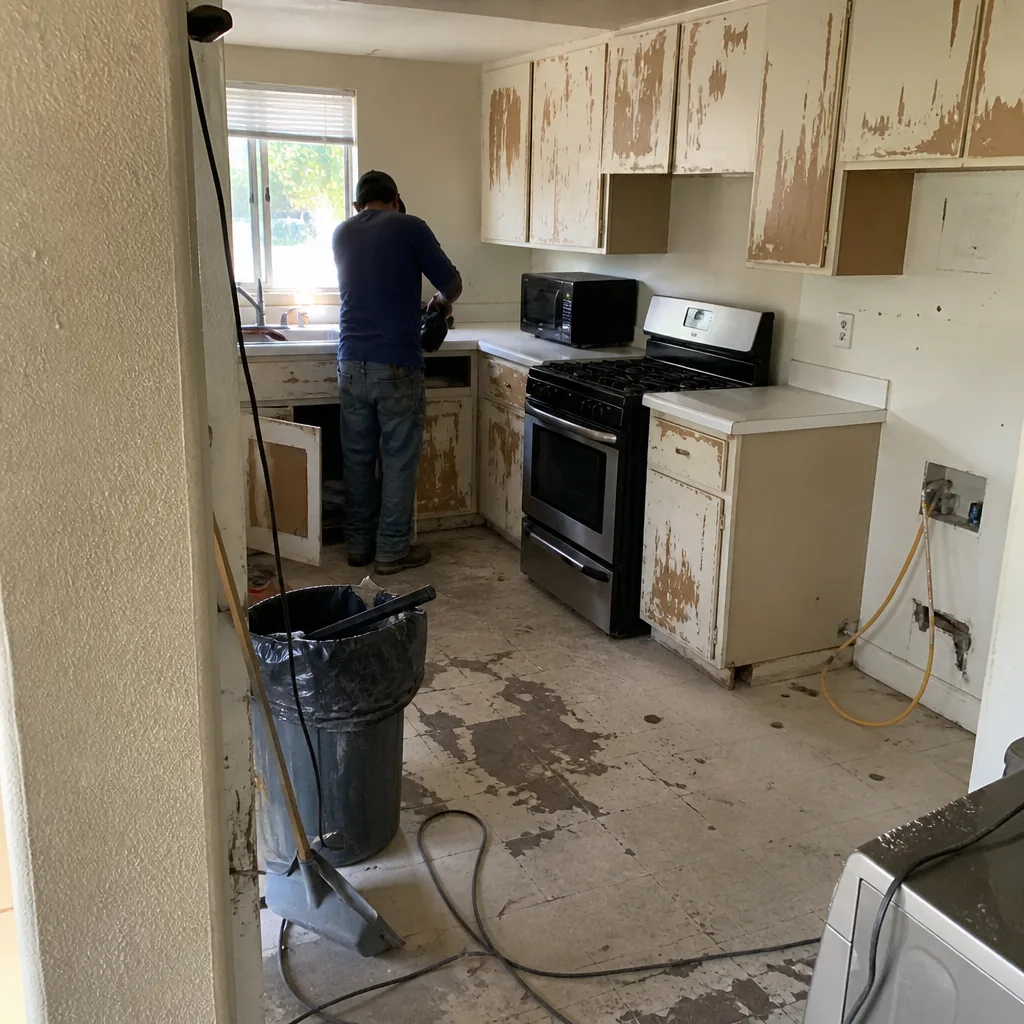 Before
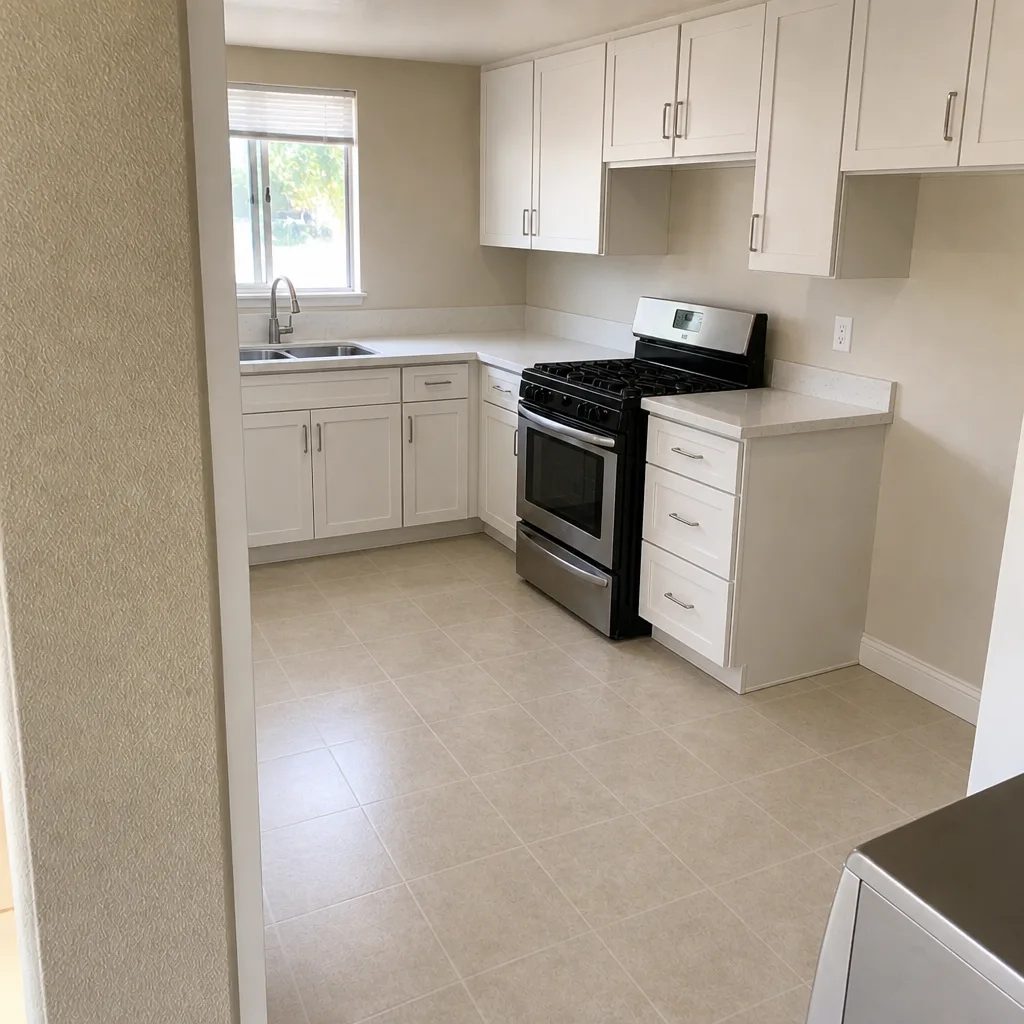 After
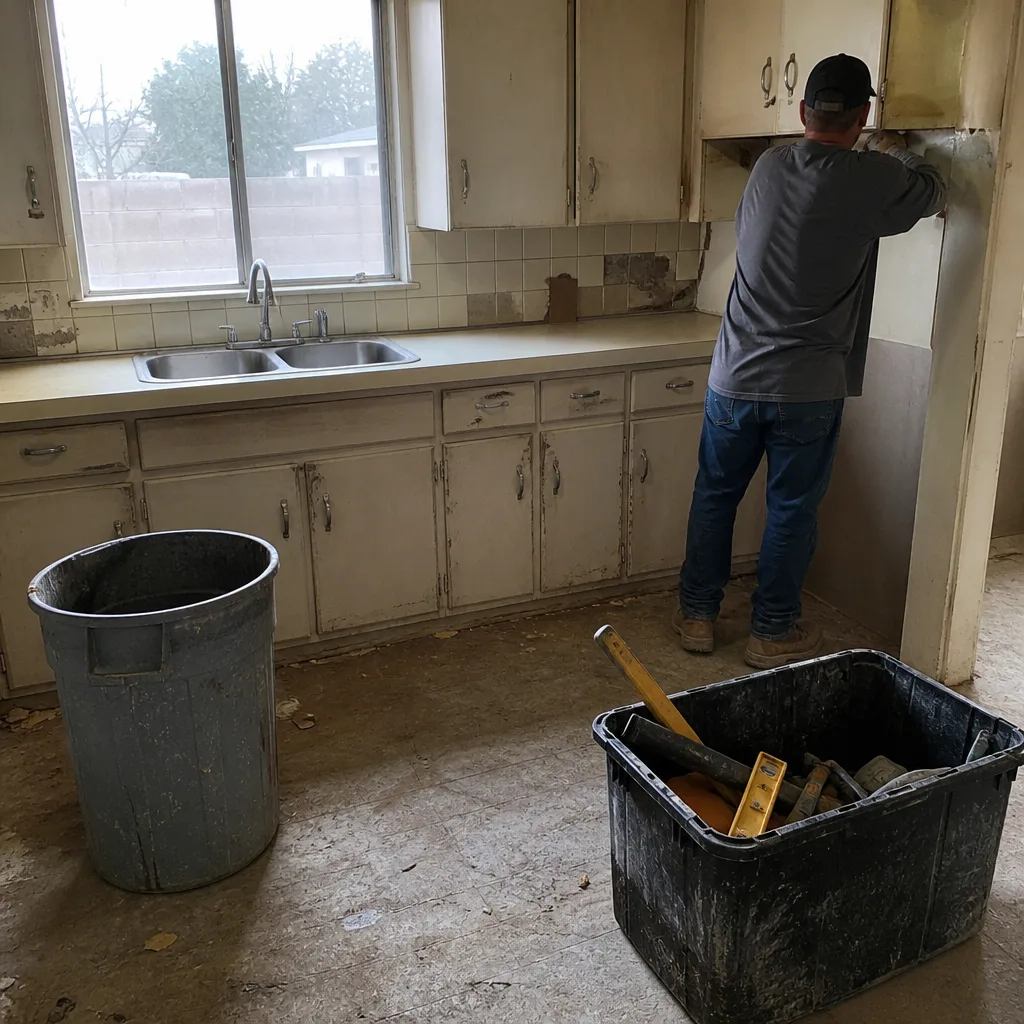 Before
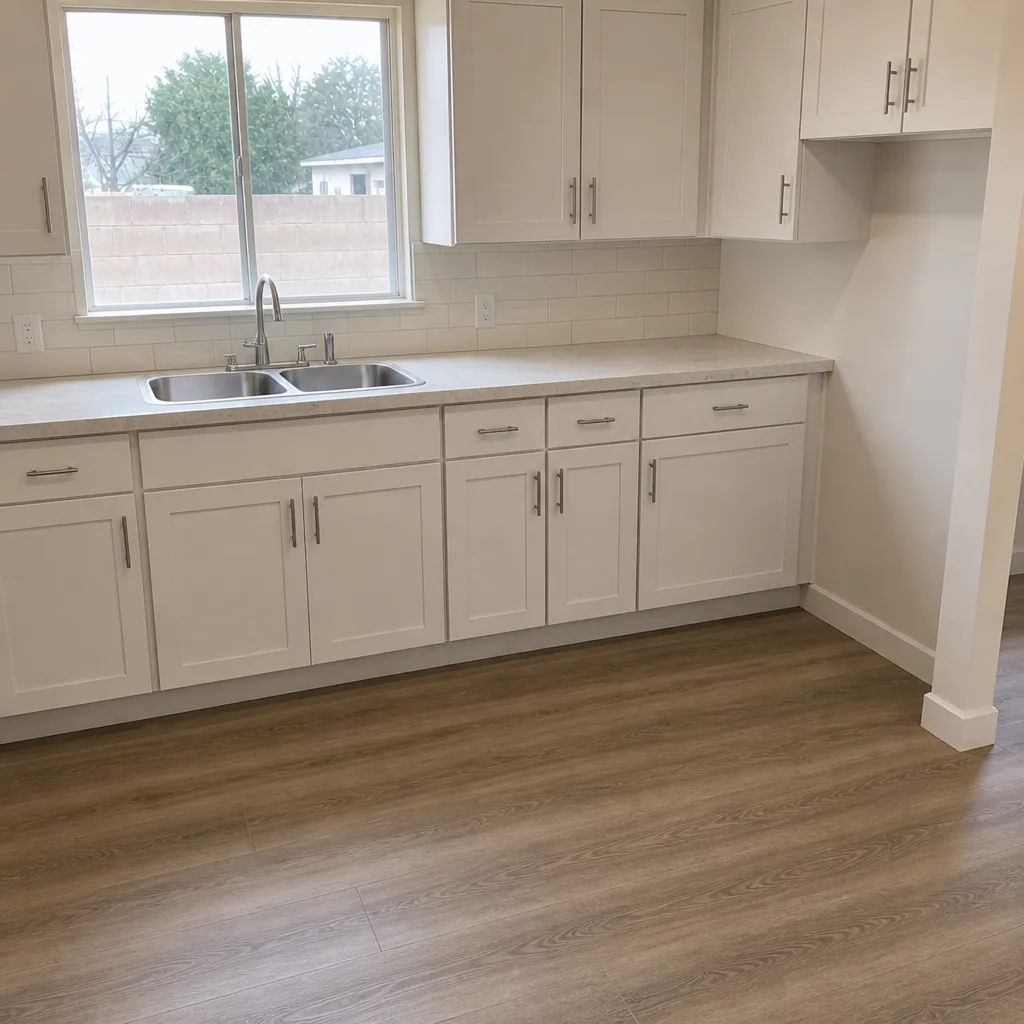 After
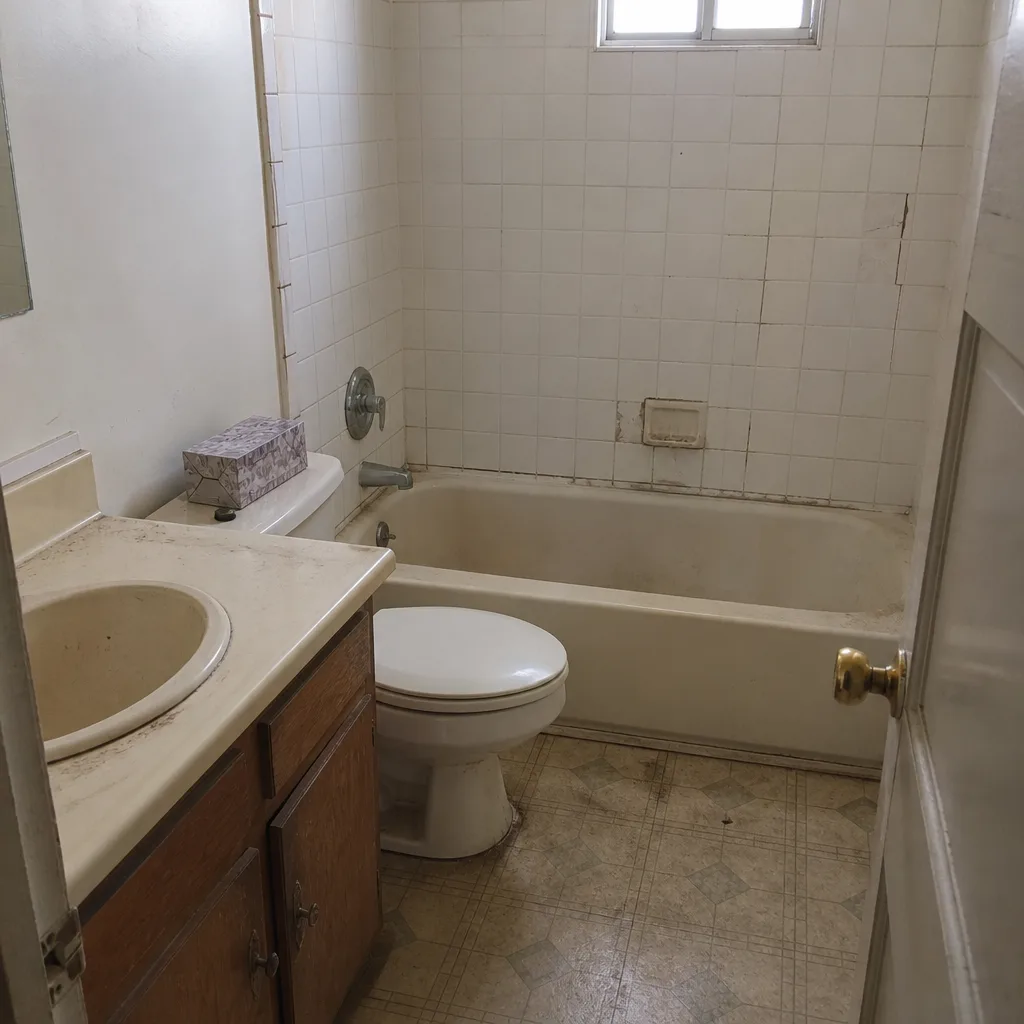 Before
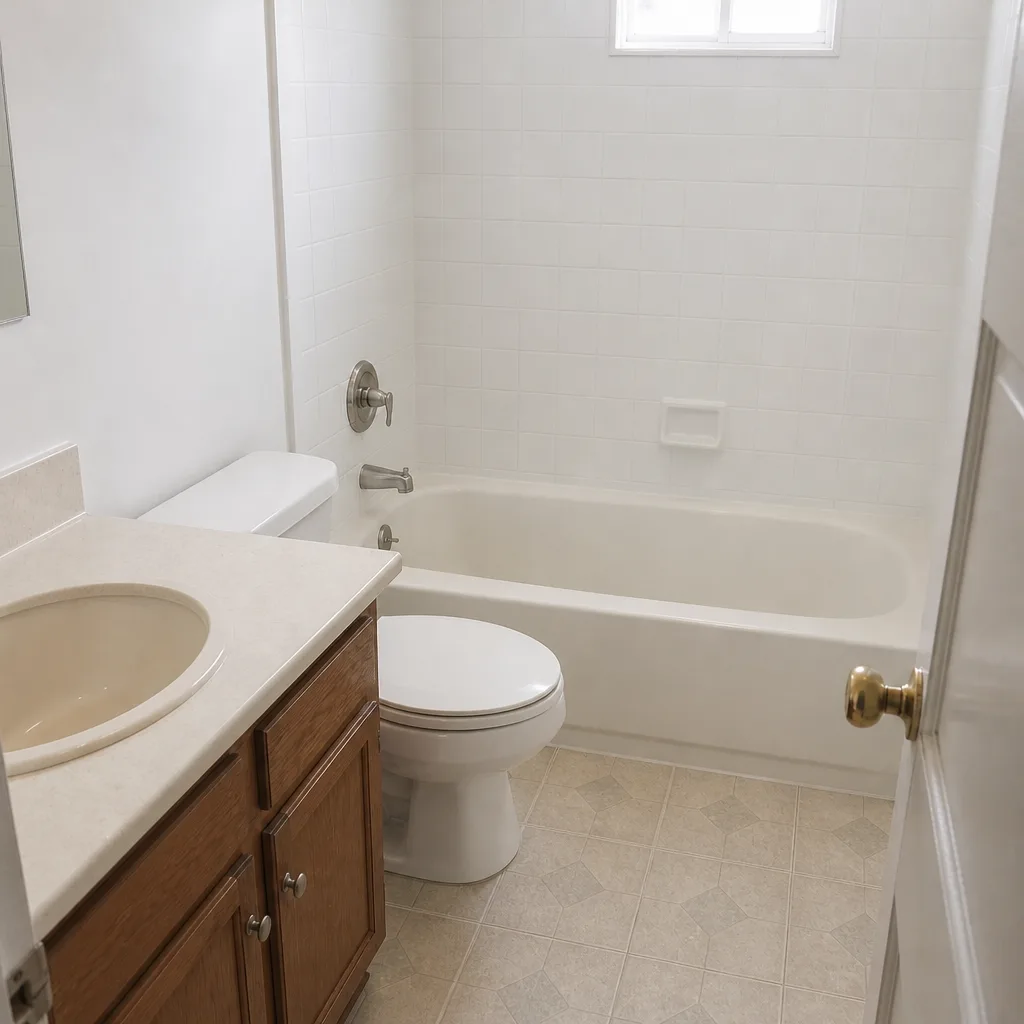 After
When to Call a Professional
Some problems are fine to document and watch. Others need a trained eye before they get worse. Call a professional when the symptom involves water in the wrong place (a leaking shower pan, staining at a curb or window), structural movement (a door that suddenly won’t close, a crack that widens), or failed work inside a guarantee period that the original contractor won’t address. Anything involving electrical, gas, or moving a load-bearing wall is a firm call-a-pro situation, not a weekend project. If demo revealed rot, mold, or failed plumbing, stop and get a written scope before proceeding; those hidden conditions are the ones that turn a small fix into a large bill when handled ad hoc. Penhallow Remodeling Spring Valley offers free estimates in Spring Valley, with a written price and a written guarantee before any work starts. Call (844) 797-3346 to schedule yours.
Frequently Asked Questions

Look at where the failure sits. If it’s about how something was installed (hollow tile, a sagging cabinet, a leaking shower), it’s workmanship and the contractor owns it. If it’s the material itself failing internally (a faucet cartridge, a flawed countertop), the manufacturer’s warranty covers the part. In practice both go through the contractor, who coordinates the fix and the material coverage together.
A written 365-day guarantee covers workmanship for a full year: if the work fails inside that window, the contractor returns and fixes it at no charge, and a failed repair gets a free second visit with no service call or re-inspection fee. The key is that it’s written into the project, so the remedy doesn’t depend on goodwill. Call (844) 797-3346 for an exact quote on your project; estimates are free.
No. More than one or two change orders in the first week usually means the original scope was underwritten to win the bid, not that you got unlucky. Ask what triggered each one and whether it should have been in the original scope. A contractor who can’t give you a revised written total is running a number that will keep moving.
It shouldn’t if the scope and allowances are written clearly up front. A written price before work starts, with named materials and defined change-order triggers, means the number on day one is the number on the invoice. Hidden conditions like rotted subfloor can still surface, but a careful estimate flags the likely ones before demo. Call (844) 797-3346 for a free written estimate.
Photograph the issue with a close shot and a wide shot, send a short written notice by email or text referencing the contract or guarantee, and set a five- to seven-business-day response deadline. Keep a dated log of every call. That paper trail is what a licensing board or attorney asks for first, so build it while the details are fresh.
Yes. Permitted work gets pulled and inspected as part of the project, and the scope and written price reflect it before work starts. Unpermitted work causes problems at resale and can void a guarantee, so it’s not something to skip. Call (844) 797-3346 and we’ll walk through what your specific project needs; estimates are free.
The Bottom Line
Most remodeling problems aren’t mysterious. They’re contract failures that surface weeks later as cracked tile, a price that jumped, or a contractor who stopped calling. Trace the symptom back to the paperwork and you’ll find the gap: a scope that skipped the substrate, an allowance that let materials get swapped, or a verbal “we’ll make it right” with nothing behind it. The fix is prevention and documentation: a written price, a written guarantee, named materials, and a clean record when something does go wrong. That’s how you protect a Spring Valley home from the problems nobody wants to troubleshoot twice.
Ready to Get It in Writing?
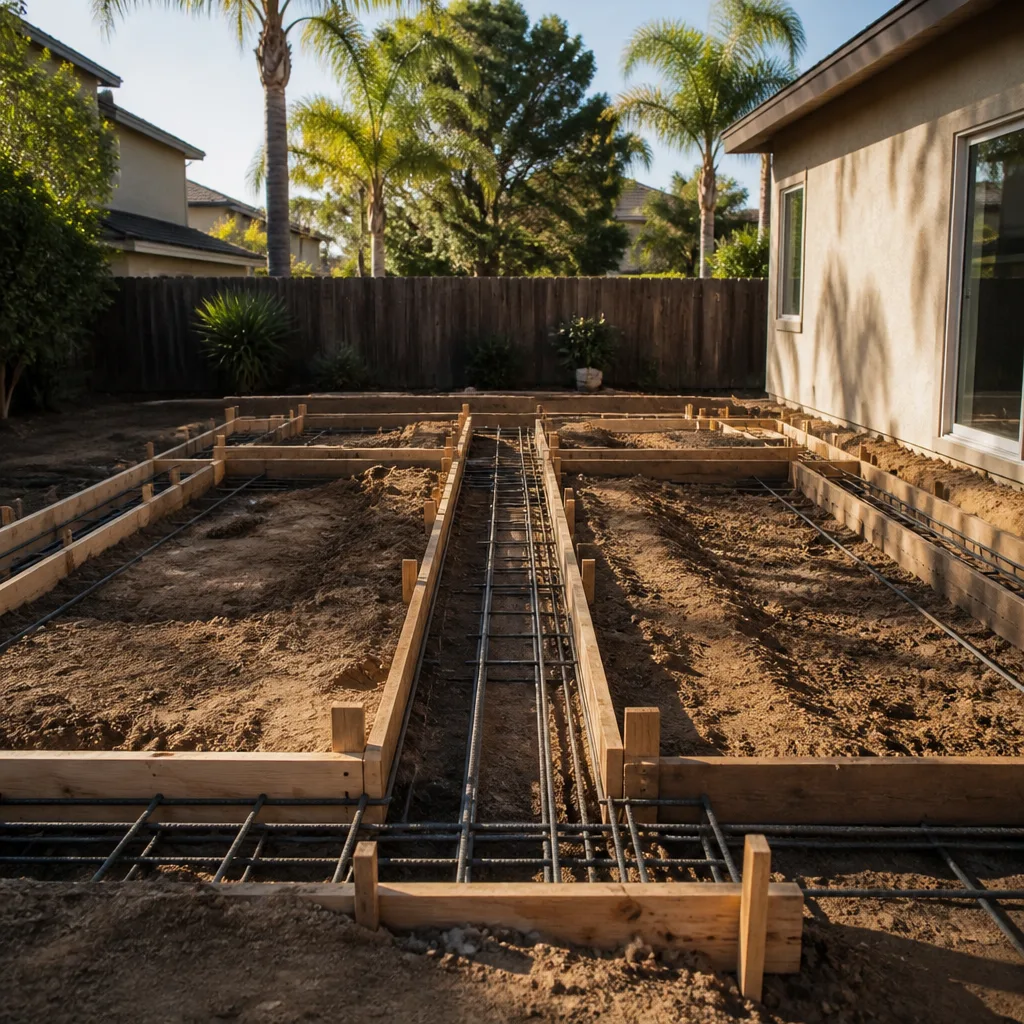
A remodeling project shouldn’t require you to become a contract detective after the fact. Penhallow Remodeling Spring Valley puts the price and the guarantee in writing before a single cabinet is pulled, backs every project with the 365-Day Done Right Promise, and answers the phone with a live person 24/7. Background-checked, uniformed technicians handle every job, and the materials come from recognized trade brands so the products behind the promise hold up. Whether you’re planning a kitchen, a bathroom, or a whole-home remodel, we’ll give you a real number and a real guarantee up front. Call (844) 797-3346 for your free estimate and start your Spring Valley project on solid paperwork.
Written by the team at Penhallow Remodeling Spring Valley.