Last updated November 17, 2026





Free written scope consultation - allowances, timeline, and change-order rules on paper before a single trade is scheduled
DIY vs Professional Bathroom Remodeling: What’s Safe to Do Yourself
Replacing a bathroom faucet yourself is reasonable and low-risk. Setting your own tile over an unverified substrate in a bathroom is how homeowners end up with a mold problem behind new tile six months later, with no contractor to call because they did it themselves. Bathroom remodeling has a sharper DIY line than almost any other room, because water damage from a bad installation hides inside walls long before it shows up as a stain on the ceiling below. In Spring Valley, where slab-on-grade homes and hard water both punish sloppy plumbing work, that line matters even more. This guide draws that line precisely: which tasks you can own with confidence, which ones need a licensed professional, and how to structure a split-scope contract so the risk stays where it belongs.
Quick Answer
You can safely DIY finish work in a bathroom – painting, swapping a faucet or showerhead, replacing a toilet, installing a vanity top, hanging fixtures and mirrors – because a mistake there stays visible and gets corrected quickly. You should hand off anything that touches the water supply, drain lines, waterproofing, or tile substrate to a licensed professional. In Nevada, plumbing and electrical work require a licensed contractor, and a failed shower pan or tile job over the wrong substrate can cause mold damage that costs thousands to fix.
Styles & brands we work with
- Kitchen remodeling
- Bathroom remodeling
- Home additions & ADU
- Roofing
- Windows & doors
- Driveway & pavers
- Fence
Table of Contents
- The Water-Risk Test: How to Decide What’s Safe
- Nevada Plumbing Permits: What You Can and Can’t Do Yourself
- The Substrate Question Most DIY Tile Guides Skip
- Finish Work That’s Genuinely Safe to DIY
- How to Structure a Split-Scope Contract
- Working With a Spring Valley Remodeling Contractor
- Common Mistakes to Avoid
- When to Call a Professional
The Water-Risk Test: A Framework for Deciding What’s Safe
Before you pick up a tool, run every bathroom task through one question: if this fails, will I see it right away, or does the failure hide? That single test separates the safe DIY jobs from the ones that quietly wreck a bathroom.
A failure that stays visible – a dripping faucet, a loose towel bar, a toilet that rocks a little on the flange – tells you something’s wrong within hours or days. You fix it, you move on. A failure that hides inside a wall or under a floor – a shower pan that wasn’t sloped correctly, a tile bed laid over green drywall, a supply line with a bad crimp – can soak framing and insulation for months before you notice. By then you’re not fixing a $40 part. You’re pulling out the wall you just finished.
How to apply the test
- Ask where water goes if the work fails. If the answer is “onto the floor where I’ll see it,” it’s likely a safe DIY task. If the answer is “into the wall cavity” or “under the tile,” treat it as professional territory.
- Check whether the work is behind a closed surface. Anything that gets sealed behind tile, drywall, or a cabinet is a hidden-failure task.
- Check the permit requirement. Work that legally requires a licensed trade is automatically off the DIY list in Nevada, regardless of your skill level.
- Weigh the repair cost against the savings. A $60 tile job you save by doing yourself can become a $4,000 tear-out if the waterproofing fails.
We’ve seen this play out in Spring Valley subdivisions like Rhodes Ranch and the homes off Warm Springs Road, where a DIY shower job laid over a wood subfloor failed within a year because the pan never had the proper pre-slope. The homeowner saved maybe $1,800 on labor and ended up replacing the shower entirely. If you want a fuller picture of what a properly scoped bathroom project includes, our bathroom remodeling in Spring Valley page breaks down the full sequence from demo to final inspection.
Nevada Plumbing Permits: What You Can and Can’t Do Yourself
Nevada is clear about where homeowner DIY ends and licensed work begins. In most Spring Valley homes – which sit largely in unincorporated Clark County – plumbing, electrical, and gas work all require a licensed contractor to pull a permit, and a homeowner cannot legally perform the rough work on their own bathroom remodel even if they’re capable.
The dividing line comes down to “behind the wall” work versus “in front of the wall” work. Here’s roughly how it shakes out:
- Requires a licensed plumbing permit: relocating or adding a drain, moving a supply line, rough-in for a new sink or toilet location, replacing a shower valve in the wall, any work on the main water or sewer line.
- Requires a licensed electrical permit: adding a GFCI outlet, moving a light fixture to a new location, adding a fan or heat lamp, any new circuit.
- Typically allowed as homeowner work: swapping an existing faucet for another at the same location, replacing a showerhead, installing a freestanding vanity that connects to an existing shutoff, and all finish painting and trim.
Sprinkler systems and hose bibs on the same water line get lumped in with plumbing, but they’re a separate permit category – not something to fold into a bathroom job.
One more wrinkle specific to Spring Valley: the valley is on hard water, which means scale buildup is common and shower valve cartridges seize up faster here than in softer-water markets. Replacing a valve cartridge is a small job, but if the valve itself is 20 years old and the cartridge has fused, you can easily split the valve body trying to force it out. That’s a plumber’s job, and the permit footprint for replacing the valve is small.
The Substrate Question Most DIY Tile Guides Skip
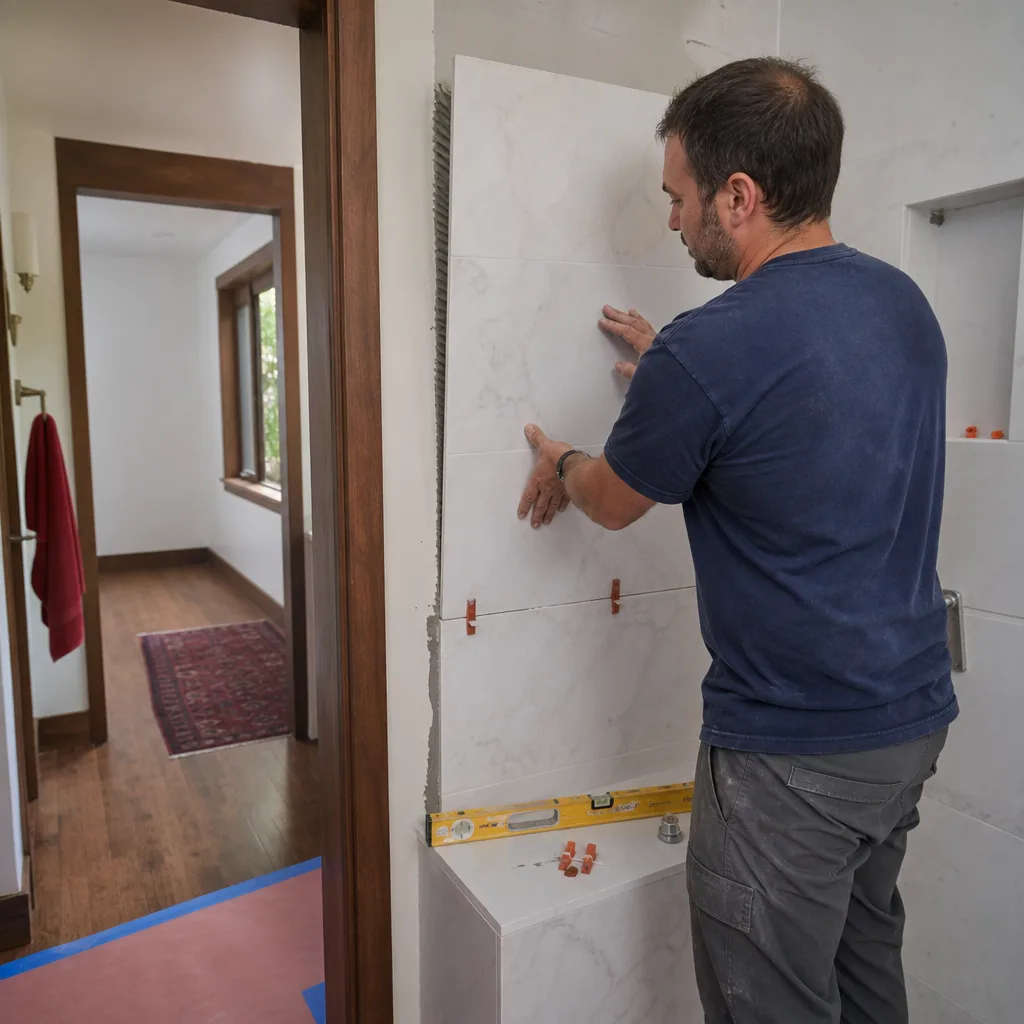
Every online tile tutorial walks you through layout and grout. Almost none of them tell you to verify what’s under the tile before you start. That’s the step that matters most, and skipping it is the single biggest reason DIY bathroom tile jobs fail.
Substrate is the layer the tile sits on – cement board, a mortar bed, or a modern waterproof membrane system. In a bathroom, the substrate is also your waterproofing barrier, which means it has to be correct in ways dry-area tile doesn’t. Get it wrong and no amount of neat grout or careful spacing will save you.
How to verify your substrate before setting tile
- Pull one tile or open a small inspection area. If there’s no existing tile, inspect what’s under the floor – you’ll often find plywood over joists. Plywood is not an acceptable tile substrate in a bathroom; it moves with moisture.
- Confirm there’s a cement board or membrane layer. Cement board (the cementitious backer board made by brands like James Hardie) or a bonded waterproof membrane should separate the tile from the wood. If it’s drywall, green board, or bare plywood, stop.
- Check the floor for flex. Stand in the middle and shift your weight. If you feel bounce, the joists are undersized for tile and no amount of cement board will fix it. That’s a structural conversation, not a tiling one.
- Check the slope in a shower. A shower floor needs a slight slope to drain. If it’s flat or sloping away from the drain, waterproofing will fail.
- When in doubt, don’t. Tear out the suspect layer and rebuild it correctly, or call a professional to evaluate.
Spring Valley soil and slab construction deserve a mention here. Much of the valley is built on expansive clay soils, and homes in older pockets like the neighborhoods near Flamingo and Decatur have settled a bit over time. A slightly out-of-level bathroom floor from settling isn’t a disaster on its own, but it does mean tile setting here often needs a self-leveling underlayment first. Skip that step and you get cracked grout lines within a couple of seasons. The fix belongs to whoever’s setting the tile, which is exactly the point.
If the substrate is wrong and you don’t want to rebuild it yourself, this is the boundary where a pro should take over. Our general contractor in Spring Valley page explains how a properly built bathroom addresses substrate and waterproofing before tile ever gets touched.
Finish Work That’s Genuinely Safe to DIY
Here’s the good news: a real chunk of a bathroom remodel is finish work, and finish work is where you can save without taking on hidden-failure risk. These tasks don’t involve water behind a wall or electrical in a box, and a mistake shows up immediately.
Safe DIY tasks in a bathroom, with the conditions that keep them safe:
- Painting walls, ceiling, and trim. Condition: use bathroom-rated paint rated for high humidity and don’t paint over active moisture or soft drywall. If the drywall feels spongy, find the leak first.
- Replacing a faucet or showerhead. Condition: the new fixture mounts to the existing valve and supply at the same location, and you turn the water off at the shutoff first. Any sign of a corroded valve body means call a plumber.
- Swapping a toilet for another with the same rough-in. Condition: the flange is solid and the floor isn’t rotting. If the flange is glued to the drain and it’s cracked, that’s a plumber.
- Installing a new vanity top on the existing cabinet. Condition: the sink and faucet connect back to the existing supply and drain at the same place. A new sink location is plumbing.
- Hanging mirrors, towel bars, shelving, and hardware. Condition: use proper anchors and avoid drilling into a wall you can’t see behind. Spring Valley homes often have metal studs in newer construction – a stud finder that reads metal is worth the $25.
- Recaulking the tub and shower. Condition: remove all old caulk and let the joint dry fully before applying new. Caulk over moisture and you trap it.
- Installing a freestanding bath mat, shower curtain rod, or accessories. These are zero-risk and genuinely useful to do yourself.
The fixture brands you’ll be choosing – Kohler and Moen are the two we install most, and both have good homeowner-friendly installation guides if you’re doing a like-for-like swap. Just don’t confuse “the guide shows a homeowner swapping a faucet” with “the guide shows a homeowner relocating a valve.” Those are different jobs.
How to Structure a Split-Scope Contract
A split-scope contract lets a licensed contractor handle the rough work and waterproofing while you handle the painting and accessories. It’s a smart way to save real money on a bathroom remodel without gambling on the water-risk tasks. What matters is that the contract is clean, the scope line is clear, and both sides know who’s responsible for what.
A properly written split-scope quote for a Spring Valley bathroom should look like this:
- A written scope of work with an explicit “not included” list. It should state plainly that painting, accessory installation, and finish work are the homeowner’s responsibility, so nobody assumes the other side owns them.
- A fixed price for the contractor’s portion. Rough plumbing, electrical, substrate, waterproofing, tile, and fixtures should all carry a written line-item price. A verbal ballpark or a “depends” is not a scope.
- The permit pulled under the contractor’s license. Confirm in writing that the contractor pulls the plumbing and electrical permits, names the licensed tradespeople doing each part, and takes responsibility for the inspections passing. Do not accept a quote that shifts the permit to you – you can’t pull a plumbing permit in Nevada without a license.
- A defined arrival window and a clean-site commitment. The contract should say when they’ll show and confirm the daily cleanup and haul-off of debris.
- A written guarantee on the work. The contractor’s portion should be covered by a written guarantee that spells out what happens if something fails, for how long, and what a return visit costs (it should not escalate to a separate service fee for covered work).
Our own guarantee lives on every Penhallow project: the 365-Day Done Right Promise backs the whole job in writing, and we send a written price before work starts, not a range. The number on day one is the number on the invoice. That’s a valuable thing to compare when you’re pricing a split-scope job – and easy to ask any contractor to match.
Working With a Spring Valley Remodeling Contractor
If you’ve decided to split the scope, the homeowner side of the deal had better be ready to actually do the work. The most common split-scope breakdown we see isn’t a bad contractor; it’s a homeowner who planned to paint but never got to it, leaving a finished-but-unpainted bathroom for weeks. Budget your own time realistically before you sign anything.
When you interview contractors in Spring Valley, a few things save headaches down the road:
- Ask if they pull the permits themselves and who does the inspections. A licensed general contractor in Spring Valley should have a clear answer, and their designations for plumbing and electrical should be in the trade listings of the quote.
- Ask what guarantee is written versus what’s verbal. “We stand behind our work” is not a guarantee. “This is covered in writing for 365 days, and we’ll return within five business days to fix a failure at no charge” is.
- Confirm who’s on the job site. Background-checked, uniformed technicians on every job is a standard worth asking about regardless of who you hire.
- Pick your materials together. KraftMaid and Wellborn cabinetry and Cambria or Silestone countertops all carry their own warranty support – that warranty is only as useful as the contractor’s install quality, so factor in who’s installing before you commit to a brand.
We handle full bathroom remodels across the Spring Valley area, and you can see how we approach a whole-home scope through our Penhallow Remodeling Spring Valley home page if your bathroom project is part of a larger remodel. For more detail on how we scope a bathroom job, take a look at our bathroom remodeling in Spring Valley page.
Common Mistakes to Avoid
- Setting tile over unverified substrate. This is the single highest-cost DIY mistake in a bathroom. A failed shower pan can run $3,000-$6,000 to tear out and rebuild, versus a couple hundred to check the substrate before you start.
- Caulking over wet or moldy joints. Spring Valley’s dry climate hides moisture longer than a humid market does; a joint that looks dry on top can still trap water under the old caulk. Strip old caulk fully and let it dry before re-caulking.
- Doing plumbing rough-in or drain moves without a permit. Nevada requires a licensed plumber for drain and supply line work. Unpermitted work can delay a future sale, since Clark County inspectors will flag it, and the cost to redo it is higher than the original job.
- Trying to swap corroded valves and shutoffs yourself. Hard water scale in Spring Valley seizes valve bodies over time; a homeowner torquing on a 20-year-old valve often breaks the pipe behind the wall. That’s a plumber call every time.
- Not getting the written scope in a split-scope contract. A handshake over who does the painting is how a split-scope job stalls for weeks. Get the “not included” list in writing.
- Replacing a shower valve without verifying the wall behind. Water that has been seeping inside a wall for months shows up as a soft section of framing, not a leak. If the wall around the shower feels soft, the fixture isn’t the only problem.
- Forgetting the homeowner-side work on the schedule. If you’re the painter and tiler of accessories, build your own time into the plan. The plumber and tile crew will finish; you’re the one who has to be ready to paint when they leave.
When to Call a Professional
Call a licensed professional when the work is behind a wall, involves a permit, or threatens to hide a water failure. That means plumbing rough-in and drain relocation, shower valve replacement, substrate and waterproofing, tile over anything but a verified correct surface, and all electrical work – including adding a GFCI or installing a heated towel bar or heated floor. Call a professional if you’re not sure whether the substrate passes; the inspection is cheaper than the tear-out. And call when you want the whole job to happen in one coordinated sequence with a written guarantee covering the finished work, rather than piecemealed across your own weekends.
Penhallow Remodeling Spring Valley offers free estimates in Spring Valley. Call (844) 797-3346 to schedule yours and get a written price before any work starts.
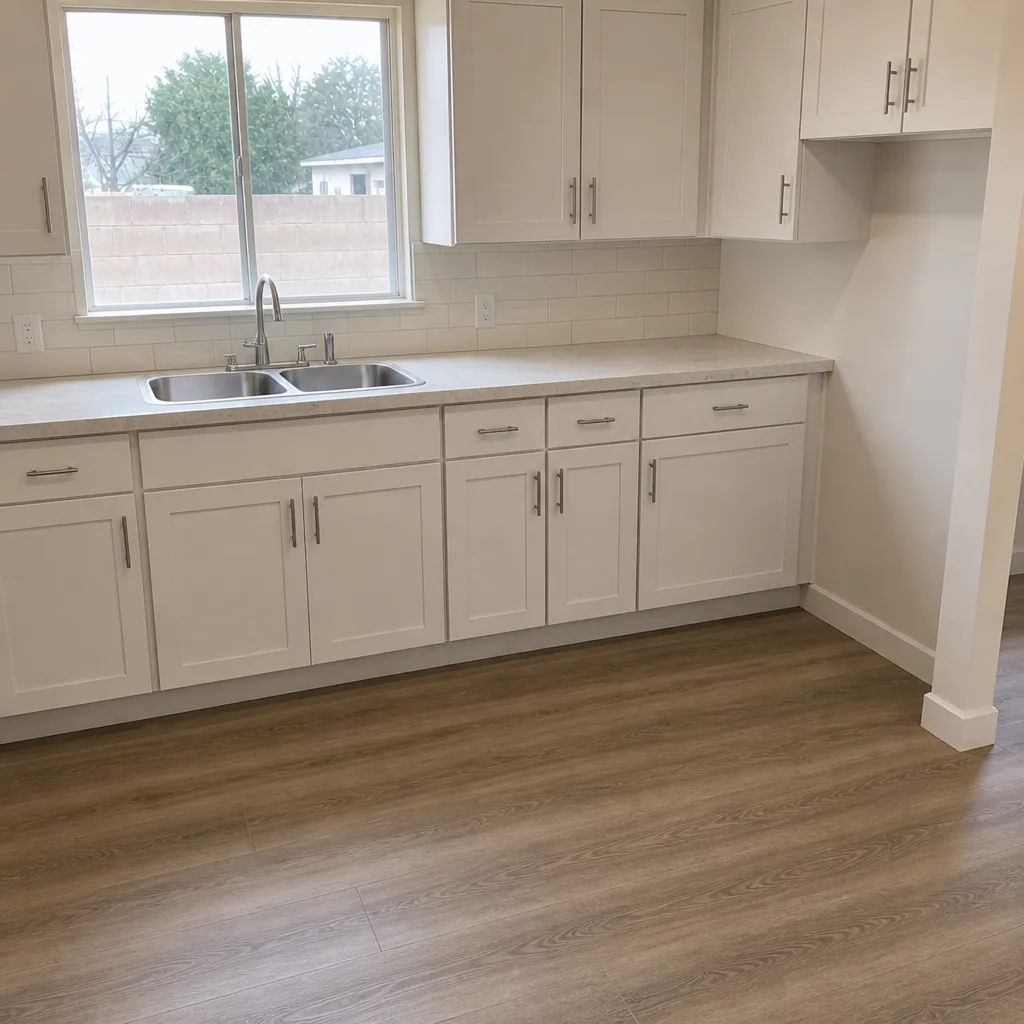
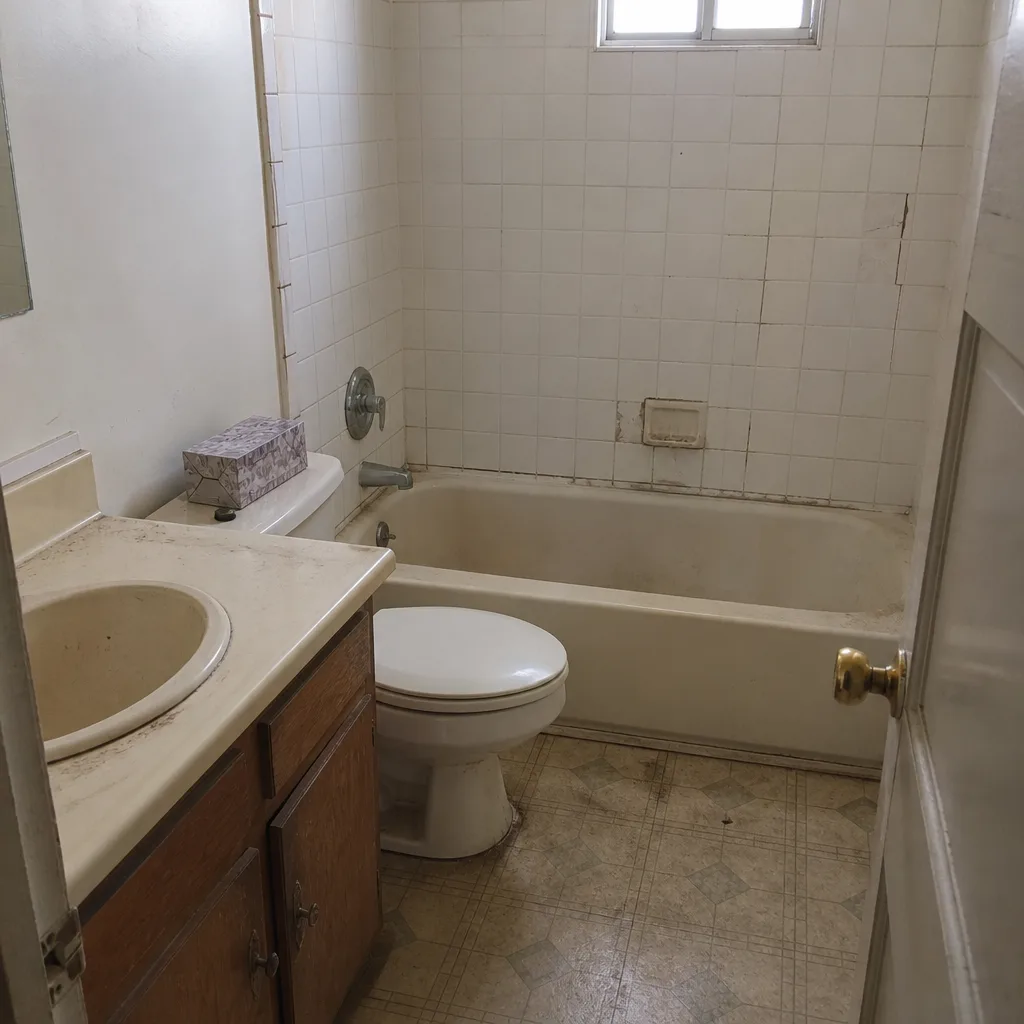
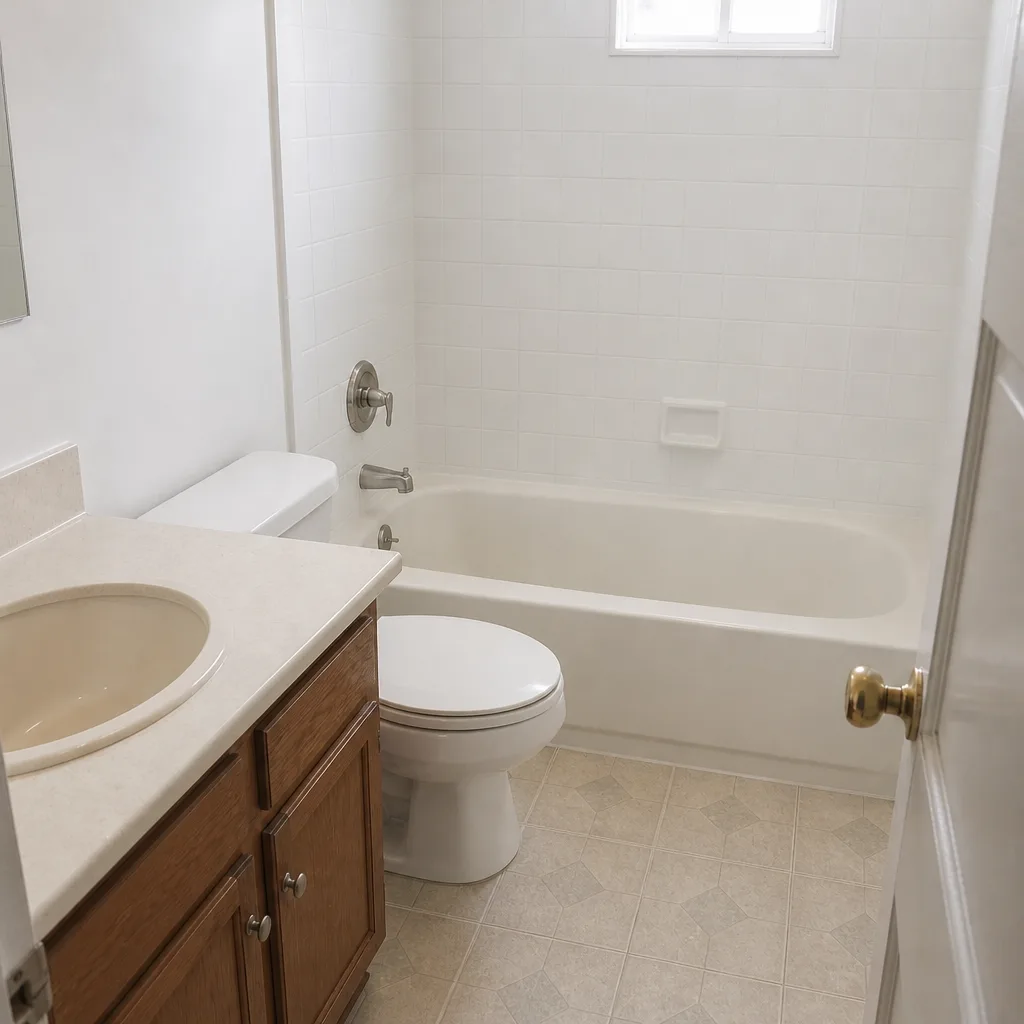
See the difference
 Before
 After
 Before
 After
 Before
 After
Frequently Asked Questions
You can DIY the finish work – painting, replacing a faucet or showerhead, swapping a toilet, installing a vanity top, hanging hardware, and re-caulking. You should hire a licensed contractor for all plumbing rough-in, drain moves, electrical work, substrate, and waterproofing. The dividing line is whether a failure would stay visible or hide inside a wall.
Yes, for any work that touches plumbing or electrical systems behind the wall. In unincorporated Clark County, which covers most of Spring Valley, a licensed contractor must pull the plumbing and electrical permits. Finish work like painting and accessory installation doesn’t require a permit. Call (844) 797-3346 for a free estimate if you’re unsure how a proposed job splits across permitting.
A typical bathroom remodel in the Spring Valley area runs roughly $8,000-$22,000 for a full gut-and-rebuild, or $3,000-$8,000 for a refresh where the layout stays and only finishes change. The cost drivers are tile and fixture selection, whether the layout changes, and whether the shower pan needs rebuilding. Call (844) 797-3346 for a written line-item price – estimates are free.
You can tile a bathroom floor or wall yourself if – and only if – you’ve verified the substrate is correct before you start. That means a proper cement board or waterproof membrane over a floor that doesn’t flex, and a shower floor that slopes toward the drain. If any of those are uncertain, call a professional rather than gambling on hidden moisture.
The biggest risk is a waterproofing or substrate failure that shows no sign for months while it damages framing and insulation. In a slab-on-grade Spring Valley home, water wicks through tile into the subfloor and can cause mold inside a wall before there’s any visible stain. That’s also the failure most likely to cost more than any savings from doing the job yourself.
Yes, homeowner demo is often a reasonable split if your contractor agrees to it in writing and confirms the demo scope in advance – including what stays and what goes. Respect anything bearing load, any plumbing or electrical that stays put, and any wall you’re not certain is safe to remove. Confirm the arrangement in the split-scope quote before you pick up a sledgehammer.
The Bottom Line
Bathroom remodeling rewards a sharp line between what you own and what you hand off. The line runs through the water-risk test: finish work that stays visible is yours to do, and any work where a mistake hides behind a wall belongs to a licensed professional. Verify your substrate before you set tile. Confirm who pulls the permit. Get any contractor’s scope, price, arrival window, and guarantee in writing before work starts – not a verbal ballpark. That’s the difference between a bathroom you enjoy for years and one you have to fix behind the wall six months later.
Written by the team at Penhallow Remodeling Spring Valley.