
Last updated November 17, 2026








Free written scope consultation - allowances, timeline, and change-order rules on paper before a single trade is scheduled
Home Remodeling Troubleshooting: Common Problems and How to Fix Them
Water stains on a freshly painted ceiling, two months after a bathroom remodel upstairs, are almost never a roofing problem. In our experience, they’re usually a P-trap or supply line connection that passed a visual inspection but was never pressure-tested. Knowing that before you call a roofer saves a service call and a week of confusion. Whole-home remodels stack trades on top of each other, and when something fails, the cause often belongs to a trade that packed up three weeks ago. This guide gives you a system for tracing a problem back to its real source before you pick up the phone. It’s written from Spring Valley, where stucco, summer heat and fast subdivision build-outs shape most of what goes wrong.
Quick Answer
Most post-remodel problems trace back to the trade that finished earliest, not the one that touched the area last. Start by identifying which system failed (water, electrical, structural or thermal), then work backward through the order of work to find which contractor’s scope overlapped it. Your permit history at Clark County and dated photos taken during the build are the two fastest tools for settling who’s responsible.
Styles & brands we work with
- Kitchen remodeling
- Bathroom remodeling
- Home additions & ADU
- Roofing
- Windows & doors
- Driveway & pavers
- Fence
Table of Contents
- How to trace a remodel problem to its real source
- The five most common problems in Spring Valley remodels
- What a 365-day written guarantee actually covers
- Using your Clark County inspection record as a diagnostic
- The documentation habit to build during the remodel
- Common mistakes to avoid
- When to call a professional
How to Trace a Remodel Problem to Its Real Source
The instinct when a wall cracks or a breaker trips is to call whoever worked in that spot last. That’s usually the wrong call. A whole-home remodel runs plumbing, electrical and structural work in sequence, and each trade covers the last one’s tracks with drywall, tile or paint. By the time the finish crew leaves, a mistake buried by three earlier trades looks like a brand-new failure.
Work the trace in a fixed order instead of guessing. The system that failed tells you most of the story.
- Name the affected system. Water, electrical, structural or thermal. Each one narrows the suspect list immediately.
- List which trades touched that system. A wet ceiling under a bathroom points at plumbing. Flickering lights in a new kitchen point at the electrician, not the cabinet installer.
- Order the trades by completion date. The earliest finisher is the most likely cause, because their work was covered and never re-checked.
- Look for the overlap point. The failure almost always sits where two trades’ work met – a floor register under a newly framed wall, a supply line behind new tile.
- Check the permit record for skipped inspections. A missing rough-in inspection tells you where the cause is hiding.
When we manage a Penhallow Remodeling Spring Valley home project, the sequence is documented as we go, so the trace is a matter of reading the file rather than tearing open a wall to find out. That’s the whole point of a written record: it turns a blame argument into a lookup.
The Five Most Common Problems in Spring Valley Remodels
Spring Valley’s climate, soil and building stock push certain failures to the front. These five show up again and again, and each one has a known cause.
1. Stucco cracking at new window headers
New windows and doors change how a stucco wall flexes. When the header wasn’t reinforced or the stucco wasn’t given a proper control joint (a deliberate gap that lets the wall move without cracking), you’ll see hairline cracks radiating from the corners. Spring Valley’s summer heat swings widen that movement. The fix starts at the framing and flashing, not with a tube of caulk over the crack.
2. HVAC imbalance after wall changes
Knock down a wall or add a room and the duct system that was balanced for the old layout is suddenly pushing too much air into one zone and too little into another. A bedroom that never cools, or a room that freezes while the rest is fine, is a ducting and balancing problem, not a failing air conditioner. Rebalancing the registers and checking the return path usually solves it.
3. Circuit breaker trips after a kitchen upgrade
A new kitchen with a bigger range, a dishwasher and under-cabinet lighting draws more than the original 1990s circuit was built for. Trips that started after the remodel point to load on the old panel, not a defective appliance. The real fix is a dedicated circuit for each major appliance and a load calculation, which is why the electrician’s scope matters as much as the tile.
4. Door frames racking after subfloor work
If doors start sticking or a frame goes out of square weeks after a floor replacement, the subfloor moved. In Spring Valley’s expansive clay soils, a subfloor that wasn’t properly fastened or leveled shifts under foot traffic. Racking frames are a symptom pointing down, not a door problem.
5. Paint peeling near exterior walls
Paint that bubbles or peels on an interior wall next to the exterior usually means moisture is getting in from outside – often a bad stucco patch or a flashing gap that lets water wick through. The paint is the messenger. Fix the exterior path first, or the new coat peels too.
If your project is a kitchen remodeling in Spring Valley, most of these overlap directly, which is why the kitchen is where a good troubleshooting system pays off fastest.
What a 365-Day Written Guarantee Actually Covers
In a multi-contractor project, the most common dispute is two contractors pointing at each other. One says the plumber’s rough-in caused the leak. The other says the tile setter covered it without testing. A written guarantee removes the argument by naming who stands behind what.
The 365-Day Done Right Promise means that if the work fails inside the guarantee period, we come back and fix it at no charge. It’s in writing on every project. When the job involves several trades, the guarantee is only useful if it’s matched to a written scope that says which trade did what and in what order.
- Written price before work starts. The number on day one is the number on the invoice, so a surprise repair bill can’t hide in a scope change.
- Scope tied to each trade. Each task names the trade responsible, so a failure has a clear owner.
- Free return visit if the repair fails. No service call fee, no re-inspection charge.
- Written guarantee on every repair, not just the big-ticket items.
That’s the standard we work to, under The Kingswell Way: say the price before the work, show up in the window we gave, leave the place cleaner than we found it. It’s also why our general contractor in Spring Valley work is documented trade by trade – so the guarantee has something concrete to attach to.
For products, the guarantee stacks. We install Cambria quartz countertops, for example, which carry their own lifetime warranty alongside ours. Fixtures on our jobs favor brands like Kohler and Delta, so when a part fails there’s a manufacturer path back to a replacement as well as a call to us.
Using Your Clark County Inspection Record as a Diagnostic
Your permit history is one of the most useful troubleshooting tools a homeowner has, and most people never look at it. When a permit is pulled for a remodel, the county inspects the work at set stages – rough framing, rough electrical, rough plumbing, insulation, final. A failed or skipped inspection is a map to where a problem started.
- Look up your permit record through Clark County’s online permit search using your address.
- Match inspection dates to the order of work. Rough plumbing and electrical inspections should come before drywall. If they’re missing, that’s your first suspect.
- Read the failure notes. An inspector’s comment like “not tested” or “needs correction” is a specific clue about what was hurried.
- Cross-reference with your photos. If you photographed the wet-wall plumbing before tile went up, compare it to the inspection date to see what was covered and when.
We’ve seen Spring Valley homes where a bathroom passed final inspection but the rough-in plumbing was never pressure-tested because a prior contractor skipped that stage. The ceiling stain showed up months later. Pulling the record would have pointed straight at the plumbing before anyone climbed onto the roof.
The Documentation Habit to Build During the Remodel
The best time to solve a troubleshooting problem is before it happens, and it costs you nothing but a phone habit. A few minutes of documentation each week during the build makes every after-the-fact dispute faster and cleaner.
- Photograph every wall before it closes. Date the photos. Wet-wall plumbing, electrical runs and framing all disappear behind drywall – capture them first.
- Keep the inspection dates. A simple note of when each inspection passed tells you what came before what.
- Record material lot numbers. Tile, paint and flooring lots change between runs. If a repair needs matching material, the lot number saves a repaint or a mismatch.
- Save your written scope and change orders. A signed change order is the only proof of what was agreed after day one.
- Note the date each trade finished. A simple list of who finished when is the fastest way to trace a failure to the earliest finisher.
When we run a project, the crew leaves you on a defined arrival window and a clean site at the end of each day, and the record travels with the job. That matters more in a whole-home remodel than anywhere – a bathroom remodeling in Spring Valley that connects to three other systems is exactly where a clean record saves you from a blame hunt.
Common Mistakes to Avoid
- Calling the last contractor first. The last trade to touch an area is rarely the cause. Identify the system before you call anyone, or you’ll pay for the wrong service call.
- Caulking over a new stucco crack. In Spring Valley, a fresh crack at a window corner points at header or flashing movement. Caulk hides it for one season and it comes back.
- Replacing an appliance when the breaker trips. Trips after a kitchen upgrade usually trace to an overloaded old circuit. Spend the money on a dedicated circuit, not a new range.
- Skipping the permit record before a repair. A skipped rough-in inspection tells you exactly where the failure lives. Check before tearing anything open.
- Taking a verbal guarantee. “We stand behind it” means nothing in a dispute. Get the guarantee in writing, with the failure remedy and the time period spelled out.
- Rebalancing nothing after wall changes. If you moved walls and the HVAC wasn’t rebalanced, the new room will never be comfortable. The ductwork needs attention, not the thermostat.
- Repainting a wall that’s wicking moisture. Paint peeling near an exterior wall is usually a flashing or stucco-patch problem. Fix the outside path or the next coat peels too.
When to Call a Professional
Some problems are safe to trace yourself. Others are not. Anything involving the electrical panel, gas lines, structural framing or high-tension connections should go to a trained professional – the risk of doing it yourself is real, not theoretical. We flag those early because a misstep with wiring or gas doesn’t just cost more to fix, it can endanger the people in the house.
Call a professional when a wet ceiling or wall persists after a day, when a breaker trips repeatedly on the same circuit after a remodel, when a door frame racks after floor work, or when paint peels near an exterior wall and you can’t find the moisture path. Also call when a previous contractor left an inspection missing and the work is now covered and unverified.
Penhallow Remodeling Spring Valley offers free estimates in Spring Valley. Our technicians have up to 22 years of experience, are background-checked and arrive in uniform, and we write the price and the guarantee down before any work starts. Call (844) 797-3346 to schedule your free estimate.
See the difference
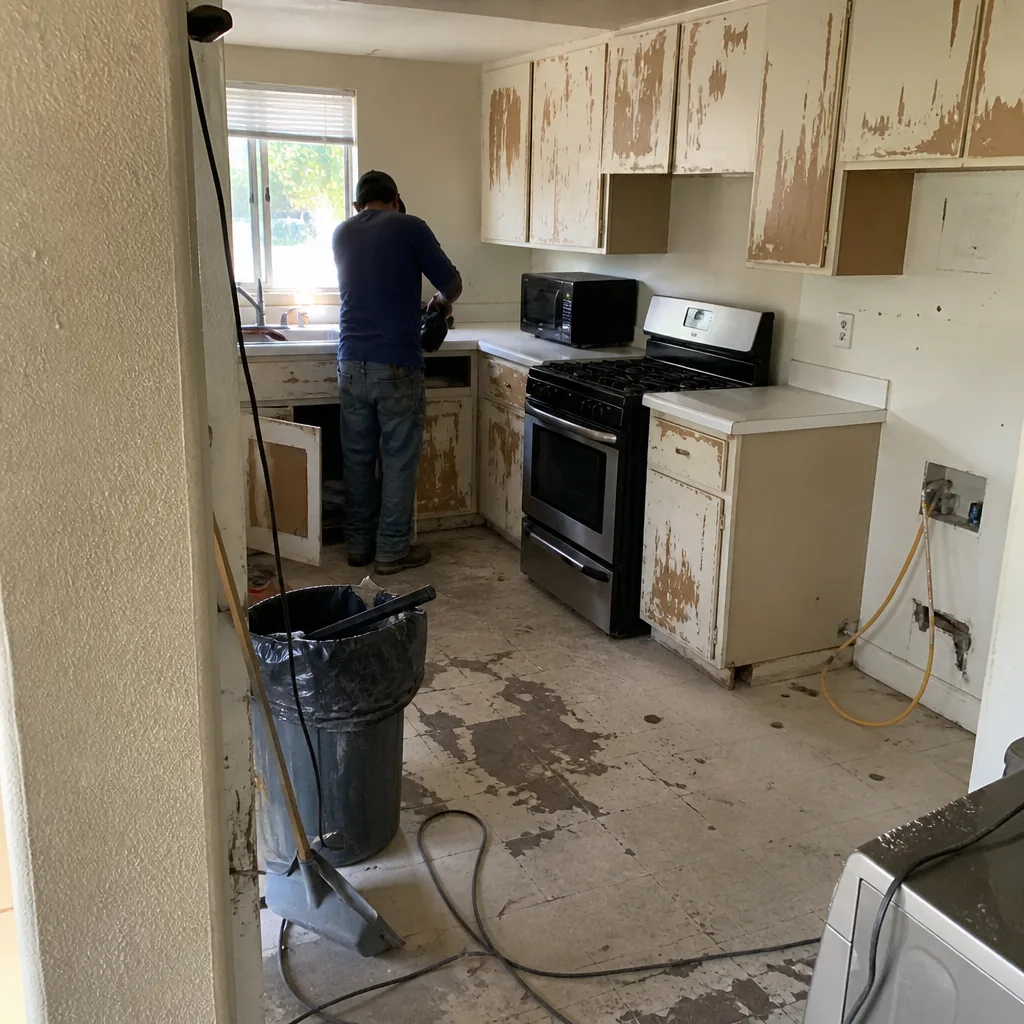 Before
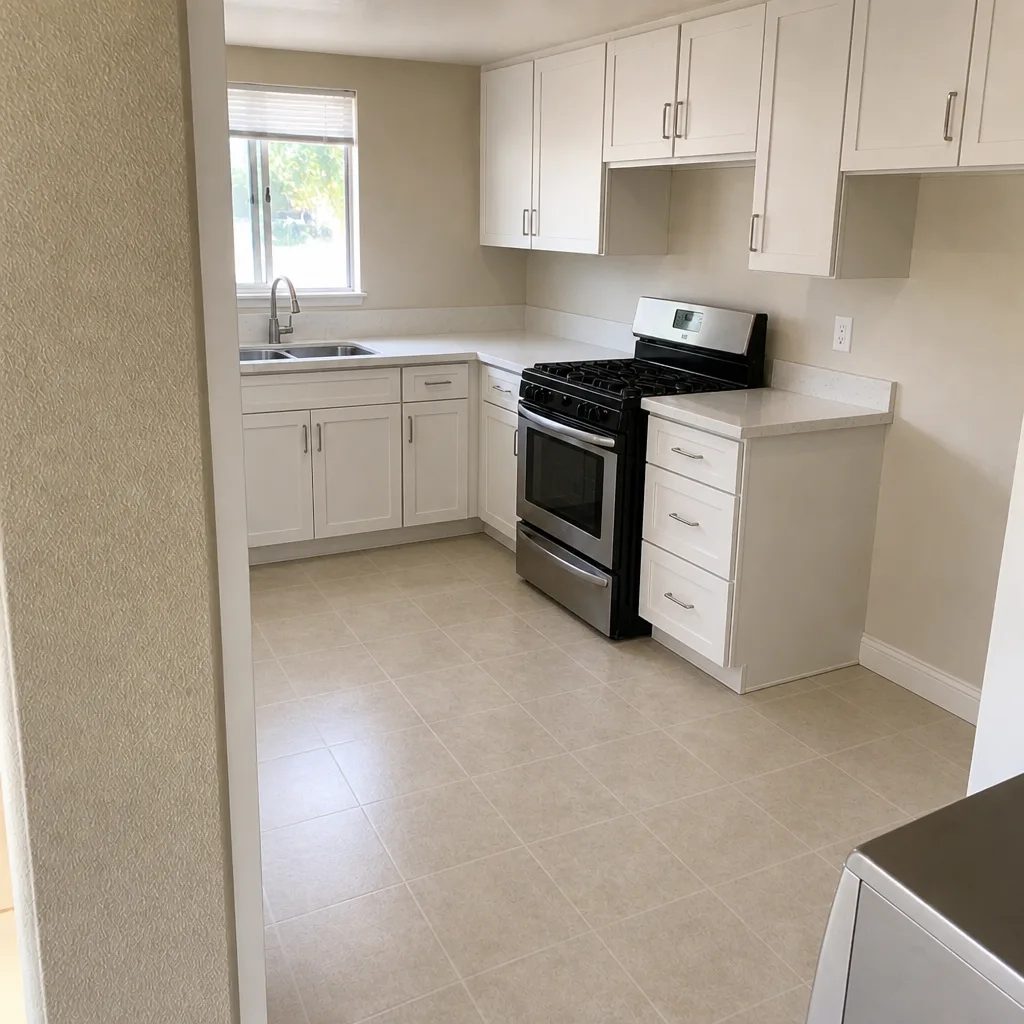 After
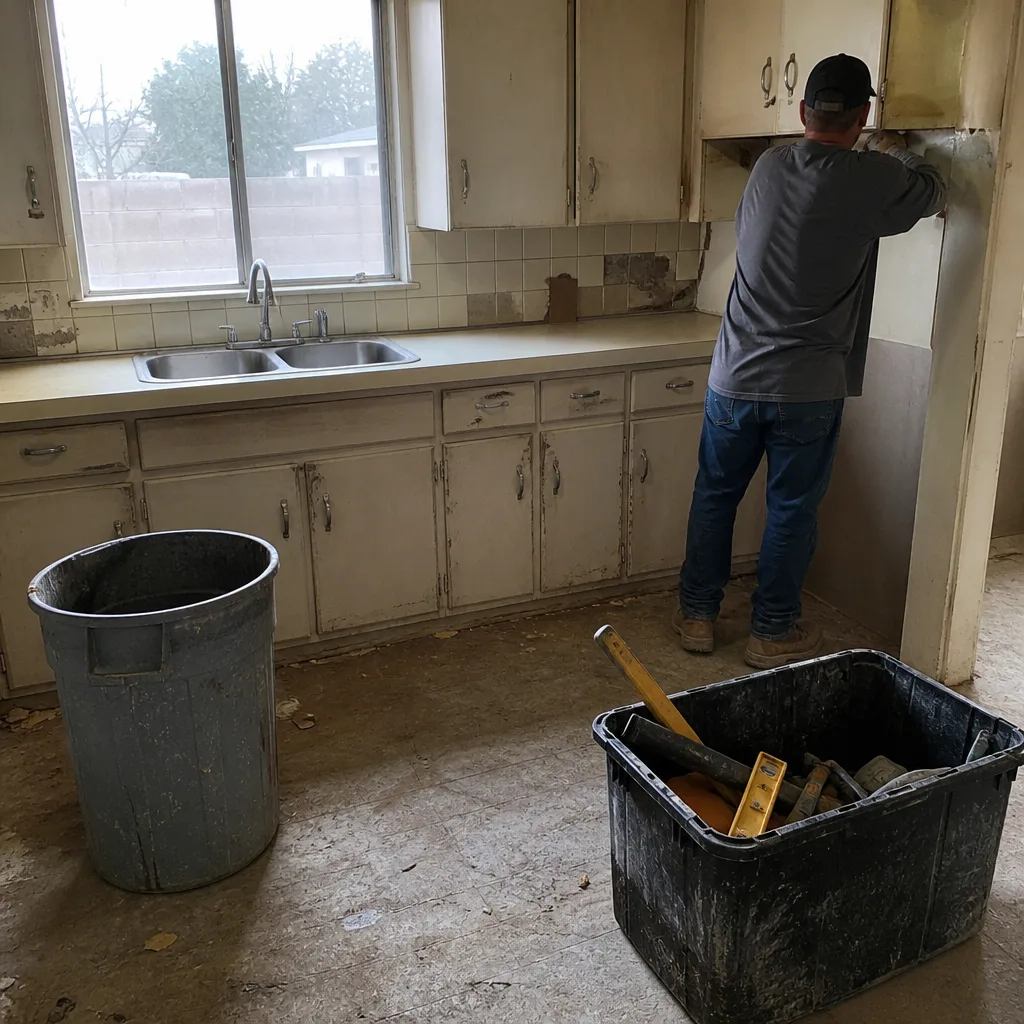 Before
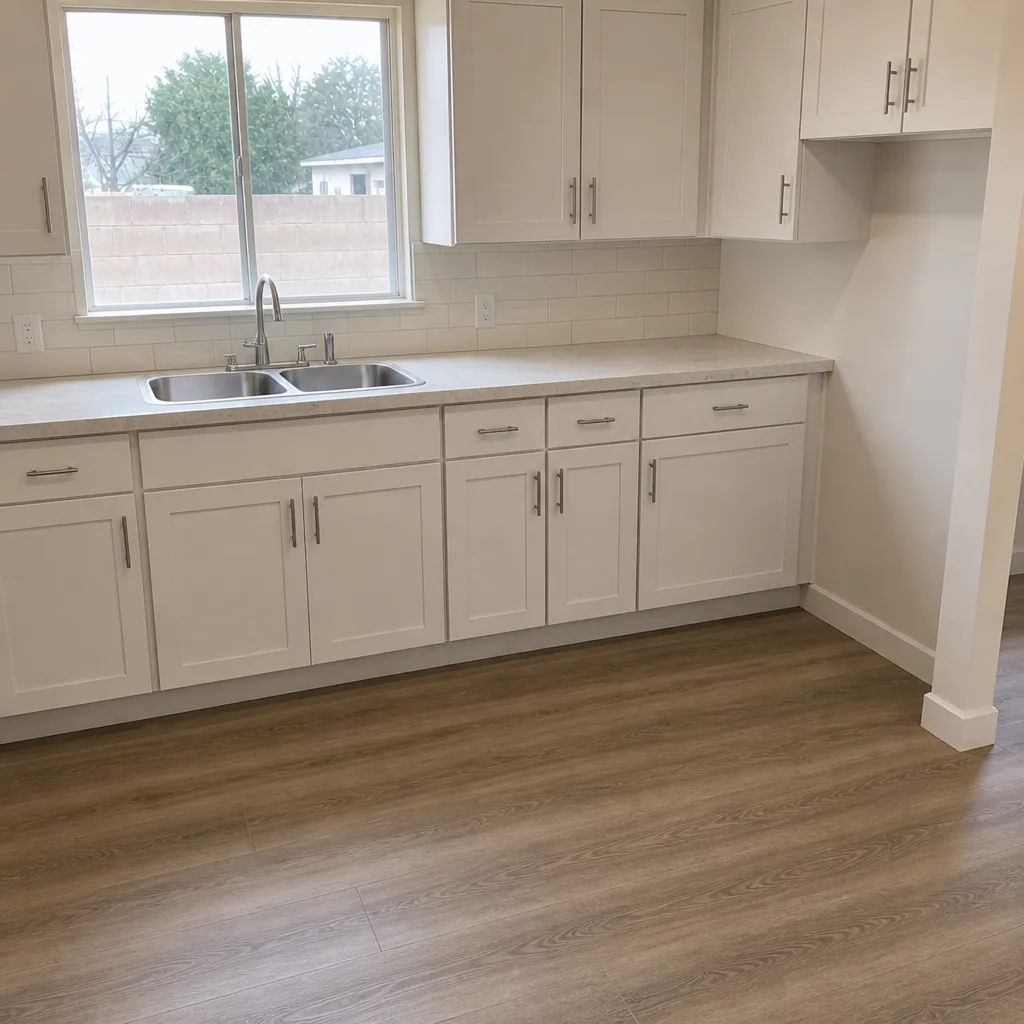 After
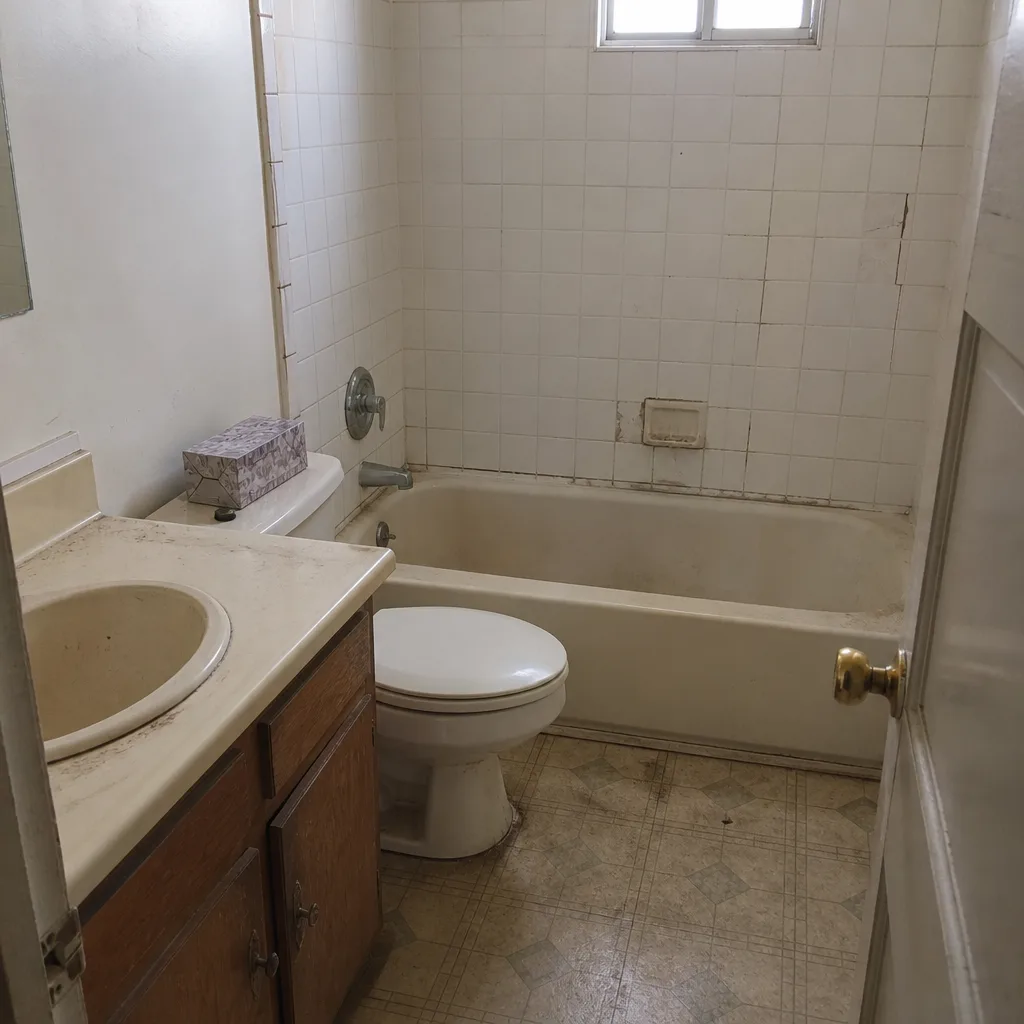 Before
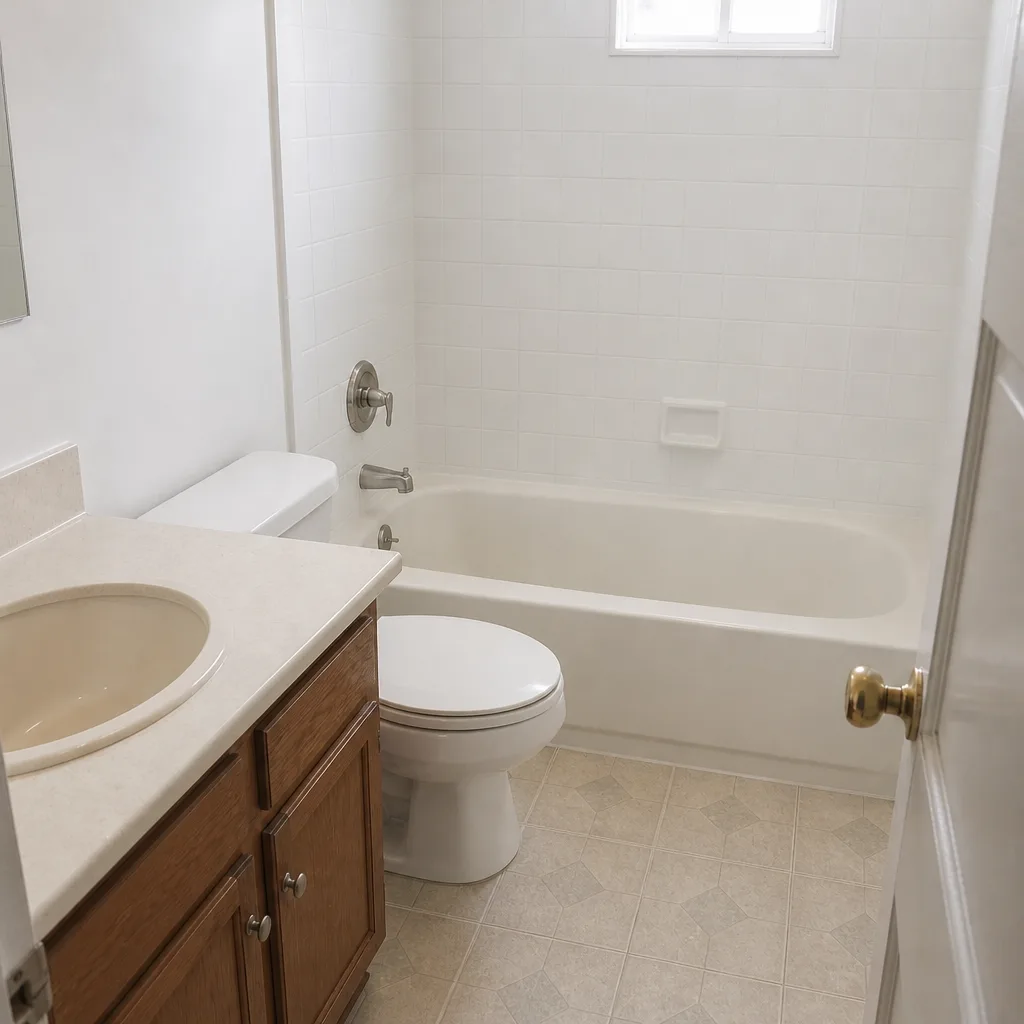 After
Frequently Asked Questions

Start with the system that failed, then list which trades touched it and in what order – the earliest finisher is usually the cause. Check your Clark County permit record for skipped or failed inspections, and use your dated photos to confirm what was covered when. If you can’t tell, a contractor can help you trace it.
It trips because the new kitchen draws more than the original circuit was built for, not because the appliance is defective. A dedicated circuit for each major appliance and a load calculation fixes it. A licensed electrician should do that work – call (844) 797-3346 for a free estimate.
It depends on the cause. Hairline cracks can mean the stucco wasn’t given a control joint, but a wider crack or one with movement behind it can point at a header or flashing problem that lets water in. In Spring Valley, summer heat swings widen the movement, so get it looked at early rather than caulking over it.
It means the company that wrote it comes back and fixes a failure at no charge inside the guarantee period. In a multi-trade project, the guarantee is only useful when it’s matched to a written scope that names which trade did what. Get the guarantee and the scope in writing, and a failure has a clear owner.
A sticking door after floor work usually means the subfloor shifted, not that the door failed. In Spring Valley’s expansive clay soils, a subfloor that wasn’t properly leveled or fastened can move under foot traffic and rack the frames. The fix is at the floor, not the door.
Yes, for anything structural, electrical or plumbing – repairs to covered work usually need a permit so the county can inspect it. Pulling your permit history first tells you what was already inspected and what needs a new permit. Call (844) 797-3346 for an exact scope and a free written estimate.
The Bottom Line
Most post-remodel problems come from a trade that finished weeks ago, not the one that touched the area last. Name the system that failed, order the trades by completion date, and check your Clark County inspection record and dated photos. In Spring Valley, watch for stucco cracking at new headers, HVAC imbalance after wall changes, breaker trips after kitchen upgrades, racking door frames, and paint peeling near exterior walls. Build the documentation habit during the build. And get the price and the guarantee in writing, with a 365-day promise to make it right, before the first cabinet comes out.
Contact

If you’re staring down a remodel problem and want a straight answer instead of a guess, call Penhallow Remodeling Spring Valley at (844) 797-3346 for a free estimate. We’ll trace the cause, write the price down, and put the 365-Day Done Right Promise behind the work in writing before anything starts.
Written by the team at Penhallow Remodeling Spring Valley.