
Last updated November 17, 2026








Free written scope consultation - allowances, timeline, and change-order rules on paper before a single trade is scheduled
Home Remodeling Warning Signs Every Homeowner Should Know
A contractor who can’t give you a written price before demo day isn’t protecting you from surprises. He’s protecting himself. That one behavior predicts more blown budgets than any structural problem you’ll find behind the walls. In our experience across Spring Valley, the jobs that go sideways almost always showed their tells in the hiring phase: the ballpark number that never became a document, the arrival window that drifted, the guarantee that lived only in conversation. This guide teaches you to read the room before work begins, covering the contractor red flags, the contract language that matters, the signs hiding in finished work, and what a missing written guarantee actually means in Nevada when something fails eight months later.
Quick Answer
The most reliable home remodeling warning signs appear before construction starts: no written price, a vague scope of work, no fixed arrival window, no written guarantee, and pressure to pay a large deposit in cash. If a contractor won’t commit to those four things in writing, the risk of overcharging, underdelivering, or disappearing rises sharply. What happens during the build matters – but the tells almost always come first.
Styles & brands we work with
- Kitchen remodeling
- Bathroom remodeling
- Home additions & ADU
- Roofing
- Windows & doors
- Driveway & pavers
- Fence
Table of Contents
- The hiring-stage red flags nobody warns you about
- What a vague contract really tells you
- The four things you should demand in writing
- Warning signs hiding in the finished work
- Seven markers of a contractor who overdelivers
- What a missing written guarantee means in Nevada
- How to spot-check work during a walkthrough
- When to bring in a professional
The hiring-stage red flags nobody warns you about
Ask ten homeowners who got burned what went wrong and most will describe a construction problem: cracked tile, a leak, a cabinet that no longer closes. But when you trace the story back, the failure started at the kitchen table. The contractor who overcharged or disappeared was telegraphing it on day one, and Spring Valley homeowners see the same handful of patterns we do.
Here’s what to watch for the moment you start interviewing:
- No written price before work begins. A verbal ballpark that “we’ll firm up after demo” is the single biggest predictor of a budget that balloons. Demo-day surprise pricing is a choice, not bad luck.
- No arrival window. “Sometime Tuesday” tells you how the whole relationship will run. A real window – two hours wide, given the day before – is a promise. Anything looser is a guess.
- Pressure to sign fast. Good contractors have backlogs because the work earns them. If you’re told a price disappears Friday, walk.
- Large cash deposit. A deposit should cover materials and scheduling, be documented, and run a sensible percentage – not 50% in an envelope.
- No referral base you can verify. Ask for two recent jobs in your part of Spring Valley and knock on the door.
- Uniforms and crew you can’t identify. On any serious remodel, you should know exactly who walks in each morning.
In this market, some of those patterns appear in the most opportunistic of forms: a contractor who bids low to win a kitchen, then puts his real price in front of you once the cabinets are out and you’re stuck. Nobody at the end of that conversation has negotiating power. The homeowner signs or loses the day’s progress. That’s not a schedule issue – it’s a choice made at the start to never commit to a real number.
What a vague contract really tells you
A vague contract isn’t just annoying paperwork. It’s a forecast of how any dispute will be resolved later, and the forecast almost never improves. Look at what the document commits to on each side. If it commits a price but not a scope, the contractor can charge for anything and argue it was “extra.” If it commits a scope but not a schedule, every delay gets blamed on circumstances outside his control. If it commits neither, you’ve signed an agreement that pays the contractor and binds them to nothing.
Three specific phrases to be skeptical of:
- “Allowance” without a number and a defined process. An allowance is meant to cover a material choice you haven’t finalized – for example, a tile allowance for the bathroom floor. Real allowances are written as dollar figures. A vague allowance is a hole where the price can grow.
- “TBD” in the schedule column. The arrival window is part of the contract, not a courtesy. If your start date is blank, plan for it to slip.
- “Extra work” with no change-order process. If the contract doesn’t spell out how a change gets priced and signed before it happens, expect the price to drift – and expect to lose any argument about it.
In our experience in Spring Valley, the clearest signal of a healthy contract is what it looks like before demo day: a scope broken out by room and phase, a price with line items, an arrival window, and a clause describing the guarantee. You shouldn’t need a lawyer to read it. If someone tells you a written price and defined scope are “overkill for a bathroom,” they’re telling you they don’t plan on writing much down later either. We keep that in mind on every project we run. For a deeper look at how a documented arrangement works in practice, see the Bathroom Remodeling in Spring Valley page, where the scope and guarantee are spelled out in plain terms.
The four things you should demand in writing
Homeowners often leave the first meeting uncertain about what to ask for. The truth is small: a serious contractor will commit to four things on paper before a single cabinet comes out, no matter what room you’re remodeling. Make them non-negotiable when you interview anyone.
- Scope of work. Every room, phase, and material list. Your scope should read like a recipe, not an outline. For a kitchen, that means specifying cabinetry brand and line – KraftMaid and Wellborn are two we work with – countertop material with a named sample, and fixture brand. “Nice cabinets” isn’t a scope.
- Price. A written number, not a range. The number you see day one should match the invoice. If a contractor hands you “somewhere between forty and sixty thousand,” ask what would make it sixty. That conversation is the contract.
- Arrival window. A defined start date and daily arrival window – and the procedure for what happens if the crew misses it. A committed arrival window protects you from a crew that disappears for a week to start another job.
- Guarantee. What’s covered, for how long, and what happens if something fails. Write it down, keep a copy, and make sure the guarantee is a document, not a sentence. We put the 365-Day Done Right Promise in writing on every project – if it fails inside the year, we come back and fix it at no charge.
Four sentences in writing on day one will do more to protect your budget than any number of permits, samples, or second opinions. If a contractor balks at one of the four, ask him why. If he can’t answer clearly, he’s told you something useful.
Warning signs hiding in the finished work
Most of what goes wrong on a remodel is visible long before it fails – you just have to know where to look. When you walk through the finished job, don’t look at the pretty parts first. Look at corners, joints, and transitions.
- Misaligned tile and grout lines. Run a finger along a grout line on the floor. It should feel continuous and straight. Large-format tile that wanders, or joints that widen and narrow, is a sign of a fast install without a true substrate.
- Caulk where grout should be. Caulk in corners and at floor-to-wall transitions is correct in wet areas. Caulk where the plan calls for grout, used to hide gaps, dries, shrinks, and peels – usually within a year.
- Skipped backer board. Cement board substrate (the moisture-resistant layer behind your tile) is the part you can’t see after the job is done. Ask for photos of the wall before tile went up. If the crew can’t produce them, ask why.
- Doors and drawers that don’t sit flush. Run a hand along cabinet faces. Misalignment at install usually points to rushed framing or a unit hung without leveling.
- Painted-over outlets, drywall dust in vents. Small oversights under time pressure become bigger problems later. A clean, finished job looks finished everywhere.
- A caulk-only seal around a shower pan or tub. That seal is doing the waterproofing work of a proper pan. On a new install with a written scope, that shouldn’t be the case.
Spring Valley’s dry climate hides water damage in exactly this way – a small leak in a tub surround can circulate behind a wall for months before anything shows. A walkthrough is your chance to ask about the parts you can’t see. Companies that take the substrate seriously tend to keep photos. Ours does, because the work behind the tile is where the guarantee actually lives. If your remodel includes a walk-in shower or a full bath gut, our bathroom remodeling in Spring Valley page covers the substrate and waterproofing steps we use in detail.
Seven markers of a contractor who overdelivers
The warning signs have a mirror image. A contractor who will deliver on budget and stand behind the work tends to show the same pattern in the interview phase. Here are the markers we’ve seen consistently across jobs in Spring Valley:
- A written price before work starts. Not a range, not a ballpark – a number you can hold him to. If he hands you a written number at the first meeting, that’s the strongest signal in this whole guide.
- A real arrival window. A defined window, given the day before – the kind of commitment that governs how a company does business. On our jobs, arrival windows are part of The Kingswell Way.
- A written guarantee. On every project, not just the big ones. A repair job should carry the same written promise as a full remodel. Ours does: the 365-Day Done Right Promise.
- Background-checked, uniformed technicians. You should know exactly who’s walking into your home, not just the person who sold the job.
- Named material brands. A Cambria quartz countertop, a Kohler faucet, a Wellborn cabinet line – named products carry their own warranties, which stack behind the contractor’s guarantee. A contractor who names brands is often one who plans on being around when they matter.
- A live person on the phone. If you have to leave a voicemail and wait, that’s a preview of how the project runs.
- A documented procedure for when things go wrong. Because they do sometimes. Ask what happens on day 30 if something fails. If the answer is a procedure, not a shrug, you’ve found a professional.
The pattern in all seven is written commitment. Everything else – the sample books, the showroom, the website – is decoration. For how that plays out across the whole home, see the General Contractor in Spring Valley guide, which walks through what a documented project looks like from first estimate to final walkthrough.
What a missing written guarantee means in Nevada
When a repair fails at month eight and no one is contractually obligated to return, the homeowner ends up paying for the same fix twice. In Nevada, that’s the practical reality of a missing written guarantee. If the failure falls inside a contractor’s stated guarantee, the contractor can be held to it. If no guarantee was written, you’re relying on the contractor’s goodwill – legally, that’s about it.
What’s worth knowing:
- Licensing matters. Nevada requires contractors to be licensed for the work they perform, and a license number is verifiable with the state contractor’s board. Ask for it in writing, on the contract.
- A written guarantee is your repair plan. It describes what’s covered, how long, and what happens if the work fails. Ask for a copy before signing and keep it with your contract.
- Nevada’s dry climate stresses joints, caulk, and paint. Exterior and interior work both dry out faster here than in coastal markets, and a guarantee written in plain terms tells you what the contractor stands behind.
- State law has claims channels if a licensed contractor won’t honor the terms. But those channels work best when a written agreement exists. In our experience, the contractor who documents the price on day one is the same one who honors the guarantee at month eight.
Nevada’s dry air is what makes a written guarantee matter more here than homeowners expect. A caulk joint that fails in July can open a gap that draws dust and dry air into a wall cavity for months. If your contractor commits to nothing in writing, that repair is yours to pay for. Our 365-Day Done Right Promise exists precisely for this window: if the work we did fails within a year of completion, we come back and make it right at no charge. It’s written into every project, and it’s why we put the price, the window, and the promise in the same document on day one.
How to spot-check work during a walkthrough
You don’t need to know the trade to walk a finished job with a trained eye. These seven steps will tell you more in twenty minutes than an hour of conversation:
- Start at the lowest point in the room. Check floor drains, shower pans, and the base of any tiled wall for signs of water pooling or swelling trim.
- Run your hand along every grout line and tile edge. Flat and continuous is what you’re looking for. Wide-narrow variations are a warning.
- Open every cabinet and drawer. They should sit flush when closed and feel smooth. Drawers that catch are a sign of a rushed install.
- Look at everywhere tile meets a surface. Check the tile-to-wall joint, tile-to-floor joint, and where ceramic meets any metal trim.
- Ask for photos of the wall before tile went up. Skip this only if the guarantee document is already in your hand.
- Check outlet and switch plate edges. They should be flush and clean – not painted over or wallowed out.
- Ask what happens at month eight if something fails. The answer to that question, in writing, is the real test of the walkthrough.
Ten minutes on-site with a written guarantee in hand will tell you more than any showroom tour. That’s the difference between a contractor who plans to be reachable at month eight and one who plans to be busy on another job. If you’re ready to see how a documented project actually runs, our kitchen remodeling in Spring Valley page breaks down the line items, the arrival window, and the guarantee for a typical full kitchen job.
Common Mistakes to Avoid
- Hiring on price alone. The lowest bid wins the job and loses the homeowner. It almost always reveals an inexperienced contractor bidding to win, then passing every cost increase back to you once demo is underway.
- Accepting a verbal estimate on demo day. A number given at the trailer isn’t a price. It’s a number. Ask for it in writing before you sign, and if the contractor won’t commit, that’s your answer.
- Not checking the guarantee in writing. A guarantee described verbally is a conversation, not an obligation. When something fails at month eight, you’ll need the document to have any legal standing in Nevada.
- Skipping the walkthrough inspection. The details that fail first are visible at the walkthrough – misaligned tile, caulk where it doesn’t belong, cabinets that don’t sit flush. Look before you pay.
- Choosing a contractor because he’s the only one who answered the phone. Availability is a signal, but the wrong one to lead with. Look for the documented price and the written guarantee, not the fastest callback.
- Paying a large deposit in cash on the spot. A deposit should be documented and tied to a written contract, and a professional won’t mind if you want to review the paperwork first.
- Ignoring the “sometime Tuesday” window. An arrival window that isn’t defined is a scheduling habit that will follow the whole job. If the crew can’t commit to a time, expect it to show up wherever in the day it likes.
Spring Valley homeowners who plan a remodel before summer tend to see the same pattern: the contractor who quoted a verbal number and wanted to start “as soon as possible” is the one whose truck was missing three weeks into the job. That pattern shows up in our inbox as often as it shows up on the porch. If you’re interviewing contractors in the next month, the Penhallow Remodeling Spring Valley home page walks through what a documented first meeting looks like, from written scope to a fixed arrival window to a signed guarantee.
See the difference
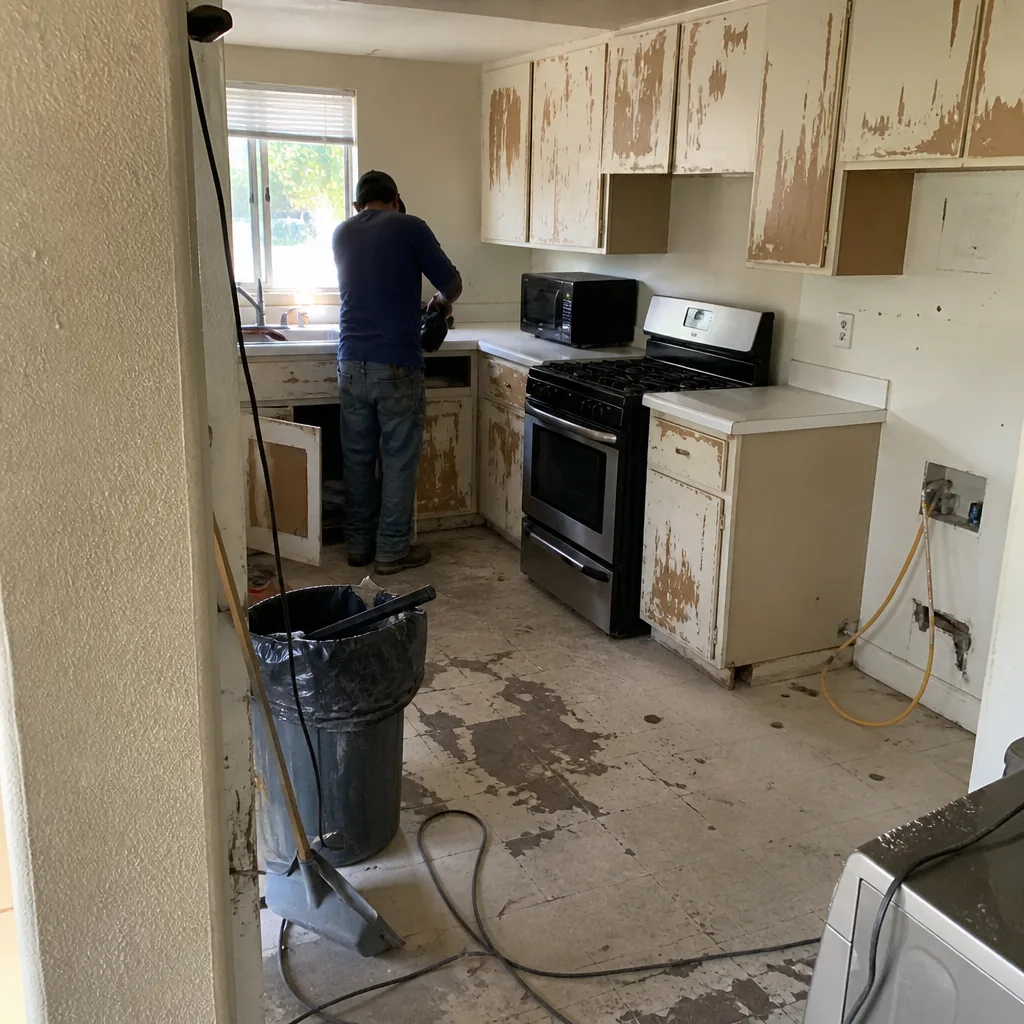 Before
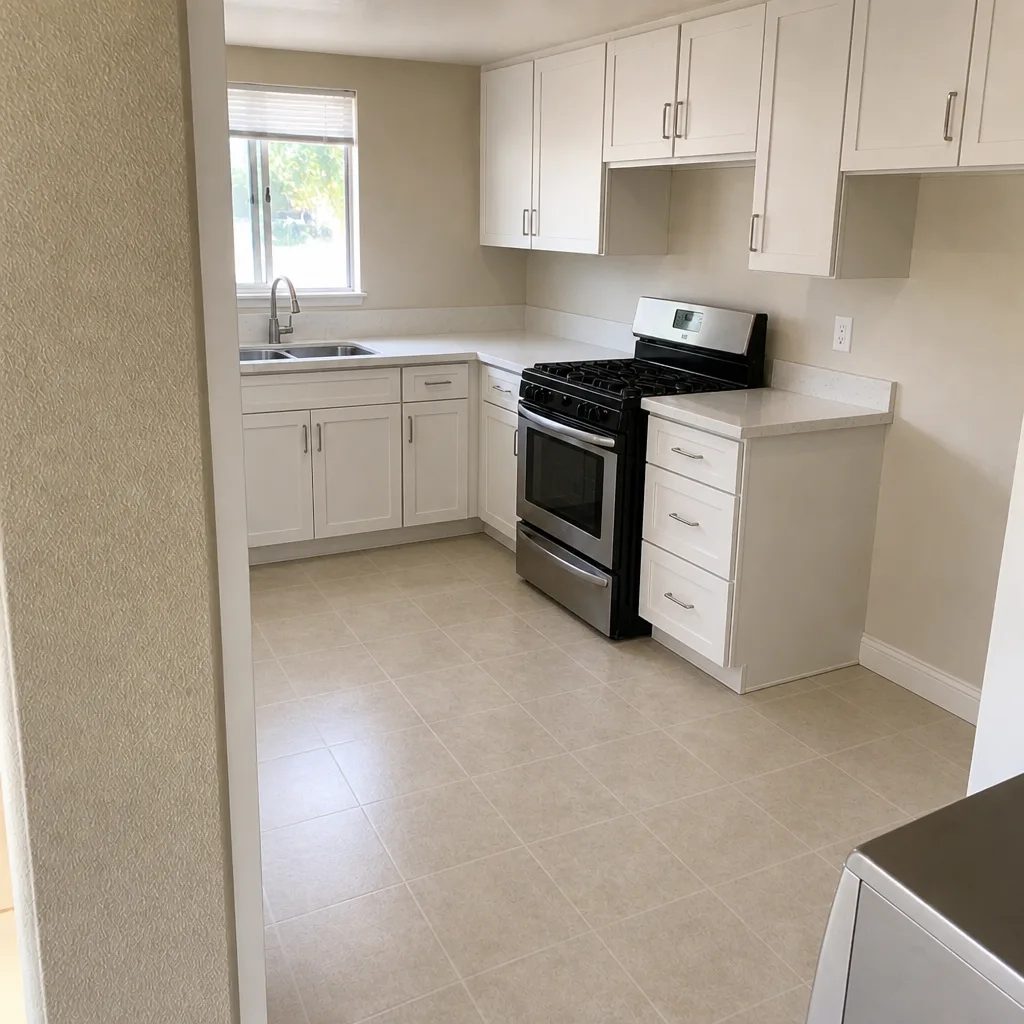 After
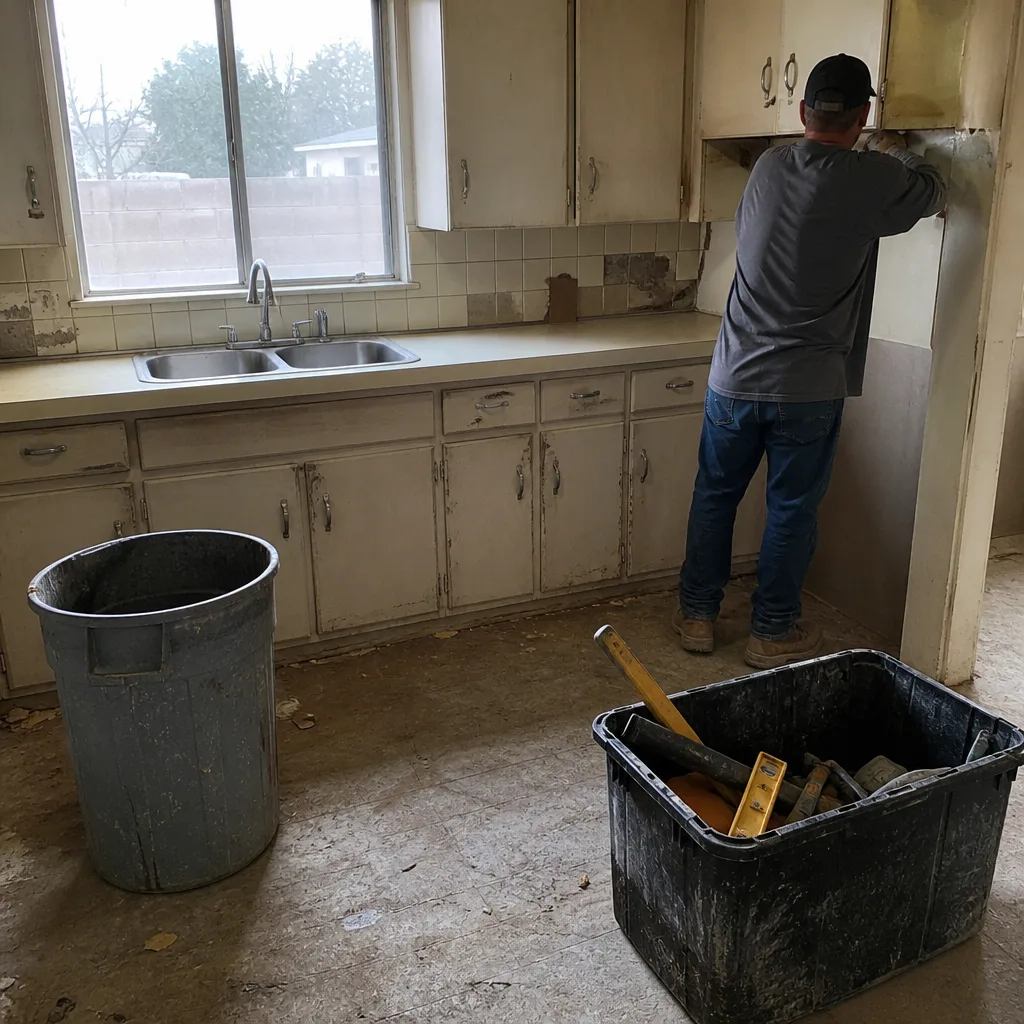 Before
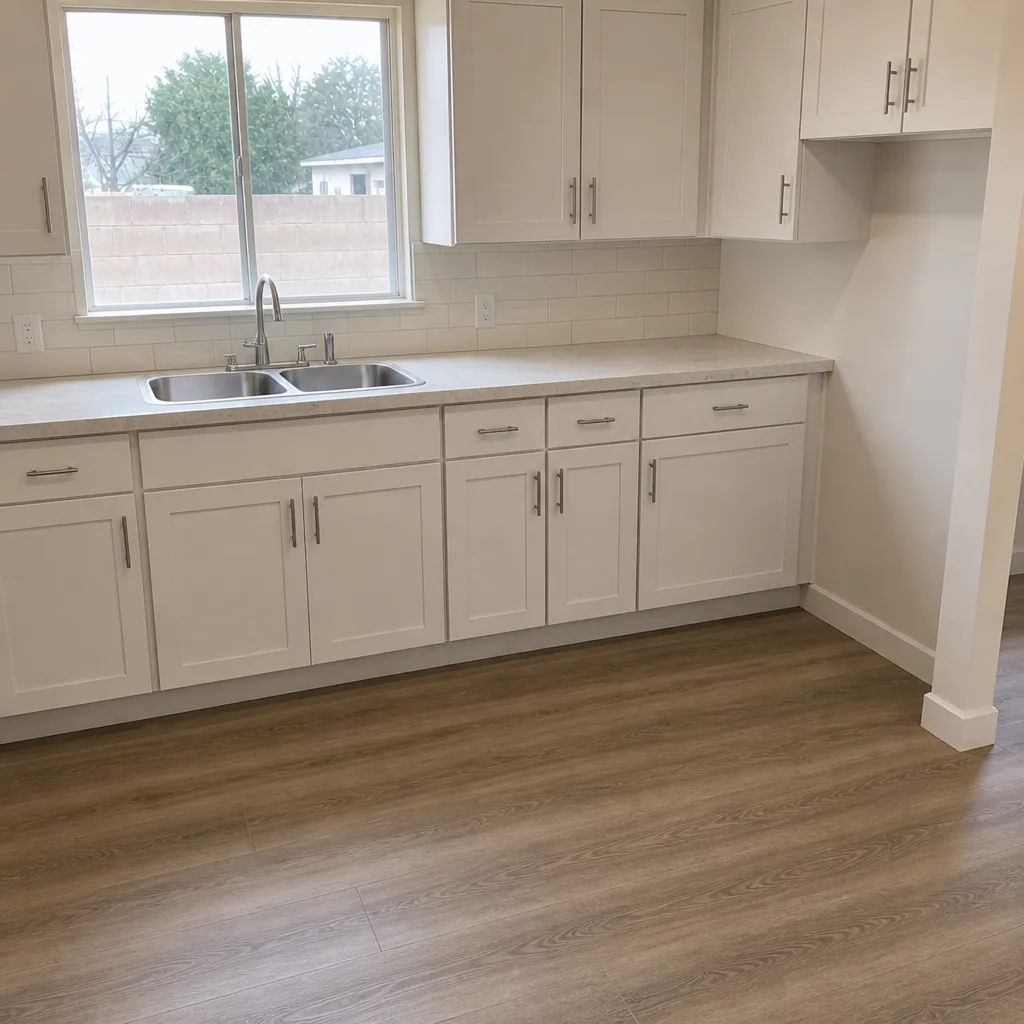 After
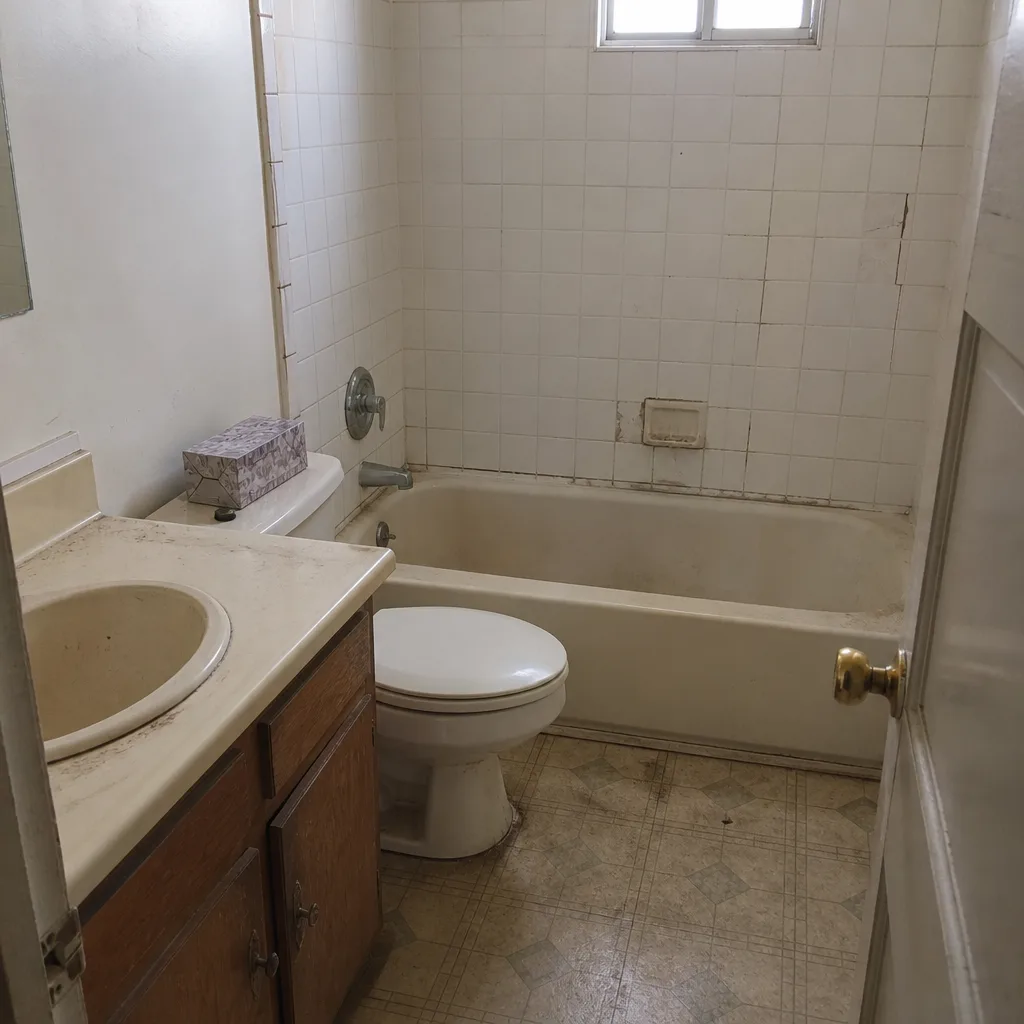 Before
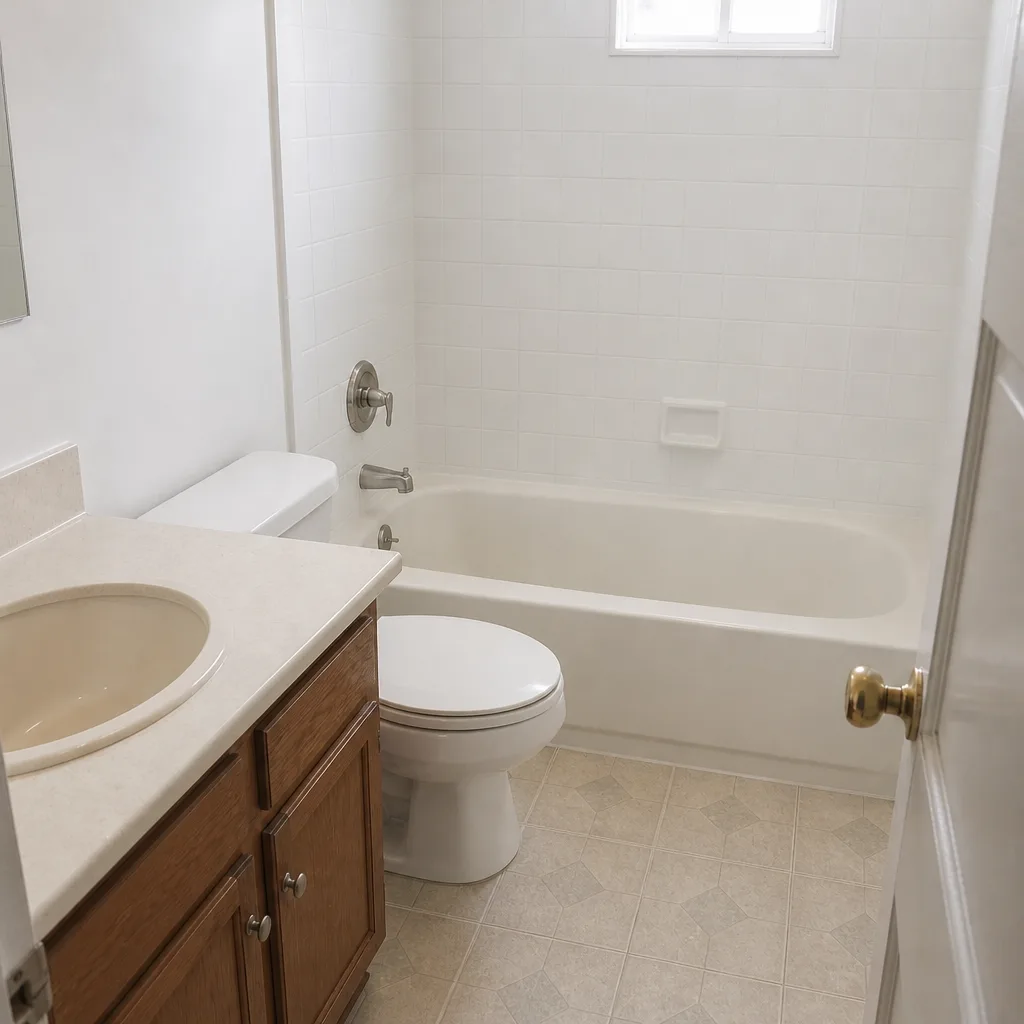 After
When to Call a Professional
Some warning signs are yours to spot. Failed work is a different matter. If you’re seeing repeated tile cracking, a shower pan that pools or stays wet, a leak showing on the ceiling below a remodeled bathroom, or cabinet doors that no longer close or sit flush after only a few months, that’s a professional’s call – and sooner is better than later, because water damage compounds in Spring Valley’s dry heat. The same goes for anyone with a signed guarantee that the original contractor isn’t honoring. One walkthrough by an experienced set of eyes costs less than the repair it prevents. Penhallow Remodeling Spring Valley offers free estimates in Spring Valley – call (844) 797-3346.
Frequently Asked Questions

No written price before work starts. A contractor who won’t put a number on paper is the one whose price can change after demo day. A written price, scope, arrival window, and guarantee on day one is the strongest sign you’ll get that the project will stay on budget and on schedule.
Four things: the scope of work by room and phase, a written price, a defined arrival window, and the guarantee terms – including what happens if work fails and how long the promise runs. Get all four in a single document before signing. Call (844) 797-3346 to schedule a free estimate.
It means you have almost nothing to hold the contractor to when the work fails at month eight. Nevada licensing and claims channels help, but they work best when a written agreement exists describing what was promised. The practical result of no written guarantee is one you’ll pay for twice. Ask for the written guarantee before you sign.
Start at the low points – shower pans and wall-tile bases. Then check grout lines for continuity, look for caulk where grout is required, run your hand along cabinet faces, and ask for photos of the wall before tile went up. Ten minutes on-site will tell you more than a showroom visit. When in doubt, a professional can walk it with you for less than a repair.
A licensed local contractor with a documented process can remediate failed work – but the repair isn’t covered under the original guarantee unless that guarantee was written. This is the argument for putting the guarantee in writing on day one. If you’re in that situation now, Penhallow Remodeling Spring Valley handles remediation projects and offers free estimates in Spring Valley – call (844) 797-3346.
No. Even a repeat contractor should put the scope, price, arrival window, and guarantee in writing. Verbal arrangements are honest right up until something goes wrong, and then they’re a conversation with no document. The written version costs nothing to ask for.
The Bottom Line
The warning signs of a home remodeling job gone wrong almost always appear before demo day. No written price, no fixed arrival window, no written guarantee, and a scope that reads like an outline are the four tells that predict an overcharged, delayed, or abandoned project more reliably than any construction problem. When you’re ready, ask for those four commitments in writing, check the work at the walkthrough against the scope, and keep the guarantee in a folder where you can find it at month eight. If a contractor won’t commit to a written number and a written promise on day one, you’ve already gotten your answer. That’s the whole lesson, and it costs nothing to apply.
Penhallow Remodeling Spring Valley puts the price, the scope, the arrival window, and the 365-Day Done Right Promise in writing before work starts, because a number on day one should be the number on the invoice. We install materials from recognized trade brands – Cambria quartz, Kohler fixtures, and KraftMaid and Wellborn cabinetry – so the products behind the guarantee hold up alongside it. A live person answers our phone 24/7. Call (844) 797-3346 to schedule your free estimate in Spring Valley.
Written by the team at Penhallow Remodeling Spring Valley.