
Last updated November 17, 2026








Free written scope consultation - allowances, timeline, and change-order rules on paper before a single trade is scheduled
General Contractor Maintenance Schedule: What to Do and When
Most homeowners do nothing after a remodel until something breaks. The contractors who gave you a one-year workmanship guarantee are quietly counting on that, because some warranty claims only stay valid if you can show documented maintenance. A caulk joint that failed because nobody touched it in twelve months is a different claim than one that failed because the tile was set wrong. This guide gives you a maintenance calendar organized by the work that was actually done to your house, not by the seasons, with first-year checkpoints, a paper-trail system, and the handoff checklist a good general contractor should hand you at close. It’s written from Spring Valley, where the climate changes the schedule.
Quick Answer
After a remodel, schedule a walk-through inspection at month one, month six, and month eleven to catch workmanship defects before your one-year guarantee closes. New kitchen and bath installations need caulk and grout checks every six months in a desert climate, added square footage requires an HVAC load recheck within the first year, and every visit should be logged in writing with photos. Ongoing, plan on annual checks for everything a trade touched during the project.
Styles & brands we work with
- Kitchen remodeling
- Bathroom remodeling
- Home additions & ADU
- Roofing
- Windows & doors
- Driveway & pavers
- Fence
Table of Contents
- The First-Year Inspection Windows Your Guarantee Depends On
- Caulk and Grout in a Las Vegas Climate
- Maintenance by Trade: What Each Remodeled Space Needs
- HVAC and Ventilation After Added Square Footage
- How to Log Maintenance for a Warranty Claim
- The Handoff Checklist a Good GC Should Give You
- The Spring Valley Seasonal Calendar
The First-Year Inspection Windows Your Guarantee Depends On
Your workmanship guarantee is a window, not a permanent net. Most remodelers write theirs to cover defects in installation for twelve months, and a defect that surfaces at month thirteen is usually your problem. That’s why the first year matters more than any year after it.
We recommend three documented inspections inside that window:
- Month one. Look for settling cracks at seams, cabinet doors that no longer close flush, caulk lines that have pulled away from a wall, and grout that has cracked at inside corners. These are the earliest signs of a real installation problem, and they’re cheapest to fix now.
- Month six. This is when seasonal movement shows up. In Spring Valley, the jump from a mild spring to a 110°F summer puts stress on every joint in the house. Check the same items plus any exterior penetrations.
- Month eleven. Your last chance before the guarantee closes. Walk the whole project with the original punch list in hand and file anything that looks off in writing, with photos, before day 365.
What you’re looking for at each visit is consistent: movement that didn’t exist at handoff, water where water shouldn’t be, and anything that feels loose. If you find something, call the contractor who did the work, not a new one. A second party touching the installation can void the guarantee on that item, which is the last thing you want in month ten.
One more thing worth knowing: if your project was managed through a General Contractor in Spring Valley, the written guarantee and the documented inspection schedule should both be in your closeout packet. If they aren’t, ask for them.
Caulk and Grout in a Las Vegas Climate
National maintenance guides tell you to reseal grout once a year and check caulk when you think of it. Those guides were written for a temperate climate, and they’re wrong for the desert.
The attic above a remodeled bathroom in Spring Valley regularly hits 120°F or more in July. That heat drives expansion through the framing, the cement board substrate (the moisture-resistant layer behind your tile), and the tile itself. Every material moves at a slightly different rate. Caulk and grout are the flexible joints that absorb that movement, and they take the abuse first.
What that means in practice:
- Caulk: check every six months in wet areas, not annually. Look at the seam where the tub or shower pan meets the wall, and around the sink backsplash. If it’s cracked, discolored, or pulling away, it needs replacing before water gets behind it.
- Grout: inspect every six months and reseal once a year. Hairline cracks at inside corners are normal movement. Cracks through the middle of a field of tile are not, and they’re worth a call.
- Exterior caulk: check every spring before the heat arrives. UV in southern Nevada destroys exterior caulk faster than almost anywhere in the country.
This is also where material choice pays off. We specify cement board substrate under tile rather than drywall, and we use grout and caulk rated for high-movement applications. A quality install buys you time, but no install eliminates the desert’s effect on joints entirely.
Maintenance by Trade: What Each Remodeled Space Needs
The maintenance calendar should follow the trades that touched your house, because each one leaves behind something that needs watching. Here’s how we break it down for Spring Valley homeowners.
Kitchen
- Check under-sink cabinet floors for moisture every three months. Slow leaks from a supply line show up there first.
- Inspect cabinet hinges and drawer slides twice a year. A hinge that’s loosened is a five-minute fix and a five-hundred-dollar problem if the door drops.
- If you have stone countertops, check the caulk at the backsplash seam every six months. Cambria and Silestone are non-porous, so they don’t need sealing, but the joints around them do.
- Clean the range hood filter monthly. It’s the most-skipped item on every kitchen list we hand out.
Bathroom
- Run the exhaust fan during every shower and for twenty minutes after. In a sealed, well-insulated house, moisture has nowhere to go without it.
- Check the toilet base for movement every six months. A rocking toilet means a failed wax ring, and that’s a floor-damage problem if you ignore it.
- Inspect the shower valve trim and the caulk around it annually. Kohler and Moen fixtures are built to last, but the seal behind the trim is what protects the wall.
Whole-Home and Exterior
- Walk the perimeter every spring and fall. Check where new siding, trim, or patio work meets the original house. That’s where water gets in.
- If your project included hardscape, inspect the pavers or patio joints once a year. Products like Techo-Bloc and Cambridge Pavers are engineered for freeze-thaw and heat, but the sand joints between them still need topping off.
- Check gutters and downspouts twice a year, even in the desert. One monsoon season is enough to clog them.
For a deeper look at what a full kitchen or bath project involves, our pages on Kitchen Remodeling in Spring Valley and Bathroom Remodeling in Spring Valley walk through the scope.
HVAC and Ventilation After Added Square Footage
If your remodel added square footage, an addition, a converted garage, a bumped-out primary suite, your HVAC system is probably now oversized or undersized for the house, and nobody told you.
HVAC sizing is based on a load calculation, which is a room-by-room estimate of how much heat the house gains and loses. Add 400 square feet of conditioned space and that calculation changes. A system that was perfectly sized before the addition may now run short in August, and a system that was already oversized will short-cycle, which costs you money and wears out the compressor.
What to do in the first year:
- Get a load calculation on the updated house. A qualified HVAC contractor can run one in an afternoon. If the system is now wrong-sized, you’ll know before the first full summer.
- Verify the returns. New rooms need return air, not just supply. A bedroom with a supply vent and no return will pressurize and push conditioned air out through any gap it can find.
- Check the ventilation in wet rooms. A new bathroom needs an exhaust fan sized for the room’s cubic footage, vented to the exterior, not into the attic.
Spring Valley summers make this urgent, not optional. A house that runs 4°F warm all July is telling you the load calculation is off.
How to Log Maintenance for a Warranty Claim
A warranty claim in month ten is only as strong as your paper trail. Here’s the system we recommend, and it takes about five minutes a month.
- Keep a single folder, digital or paper, with the original contract, the written price, the guarantee document, and the closeout packet.
- Photograph every inspection. Date-stamped photos of caulk lines, grout, and cabinet interiors. Take the same angles each time so you can compare.
- Write a one-line note after each inspection. “March 3: checked guest bath caulk, intact, no action. Kitchen under-sink dry.” That’s enough.
- Log every repair, even the ones you did yourself. If you replaced a caulk line, note the date and the product. It shows you maintained the joint, which matters if the underlying install is ever questioned.
- Report problems in writing, immediately. An email or text on the day you notice something starts the clock and creates a record. Don’t wait for the next inspection.
This is the difference between “the caulk failed” and “the caulk failed despite documented maintenance.” A contractor operating in good faith honors the second claim quickly. The first one invites a debate you don’t want to have.
If your project didn’t come with a documented guarantee at all, that’s worth addressing before you build the log. Our main Penhallow Remodeling Spring Valley home page explains how the written guarantee works on our projects.
The Handoff Checklist a Good GC Should Give You
At project close, a good general contractor hands you a packet, not just a handshake. Here’s what should be in it.
- Written workmanship guarantee, with the coverage period and what’s included spelled out.
- Product warranties for every fixture and material installed. Cabinet lines, countertops, and fixtures each carry their own.
- The closeout punch list, signed off by both parties.
- A maintenance schedule, ideally customized to your project, not a generic photocopy.
- Manufacturer care instructions for stone countertops, tile, and cabinetry.
- Contact information for warranty claims, with a named process for how a claim gets filed.
If your contractor didn’t give you this, ask for it in writing, even months later. If they can’t produce a written guarantee, treat any verbal promise as nonexistent and adjust your maintenance plan accordingly, which usually means more frequent inspections and no expectation of covered repairs.
The written price and the written guarantee are the two documents that separate a real remodeling contract from a handshake. If you’re planning a whole-home project and want to see how that works, our General Contractor in Spring Valley page covers the process start to finish.
The Spring Valley Seasonal Calendar
Season matters here more than in most of the country. Here’s how the calendar breaks down.
- February-March: exterior inspection. Check caulk, siding, and hardscape joints before the heat arrives. This is the best window for exterior touch-ups.
- April-May: HVAC check. Have the system serviced and, if you added square footage, confirm the load calculation before the first 100°F day.
- June-August: wet-area caulk check. Desert heat peaks and joints move most. Inspect bathrooms and under-sink areas.
- September-October: monsoon-season damage review. Look for water intrusion around new penetrations, windows, and doors after rain.
- November-January: the quieter season. Good months for resealing grout, touching base on warranty items, and planning next year’s work.
Common Mistakes to Avoid
- Skipping the month-eleven inspection. Waiting for the one-year mark to think about warranty claims means you’ve already blown through the window. File anything in writing before day 365.
- Treating caulk as a one-time job. In a Spring Valley bathroom, caulk is a six-month item. Ignoring it is the most common cause of water damage we see behind tile.
- Hiring a second contractor to “fix” a defect. That usually voids the original workmanship guarantee on the item. Call the original contractor first, every time.
- Forgetting the HVAC when you add square footage. A new room with no return air is a comfort problem you’ll fight for years.
- No written record. Verbal complaints about a defect leave you with no proof it was reported inside the guarantee window.
- Skipping the exterior walk after monsoon season. Water intrusion around new siding and windows is easiest to fix the week it happens, hardest six months later.
- Assuming stone countertops need sealing. Cambria, Silestone, and Caesarstone are non-porous and don’t. The caulk around them does.
See the difference
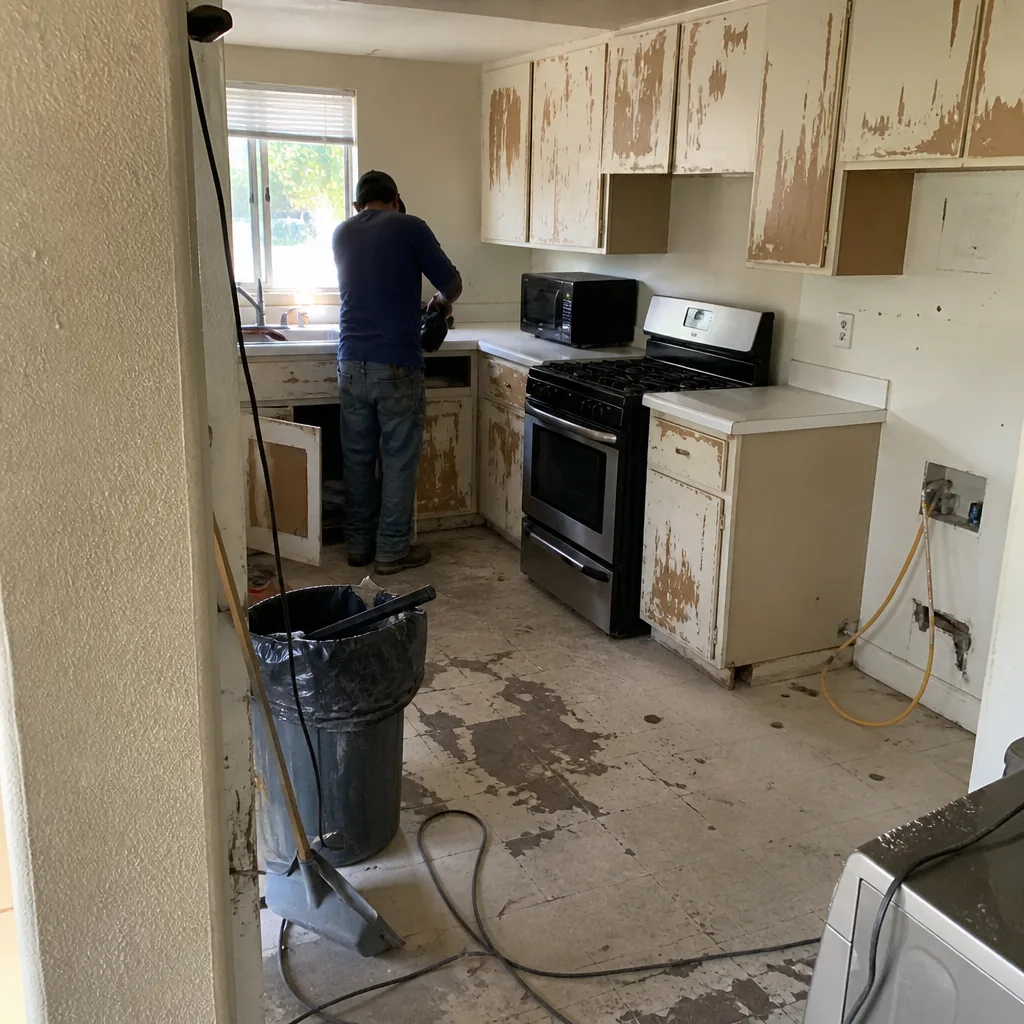 Before
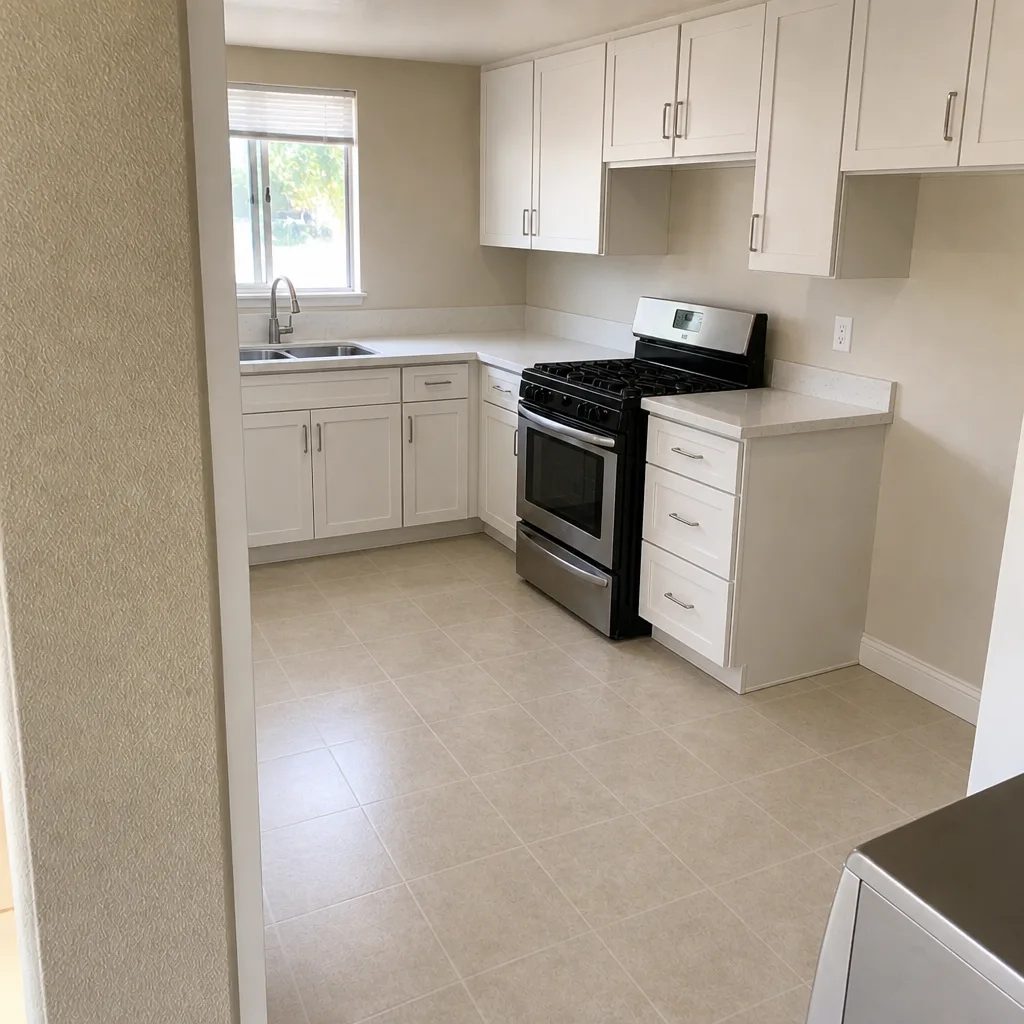 After
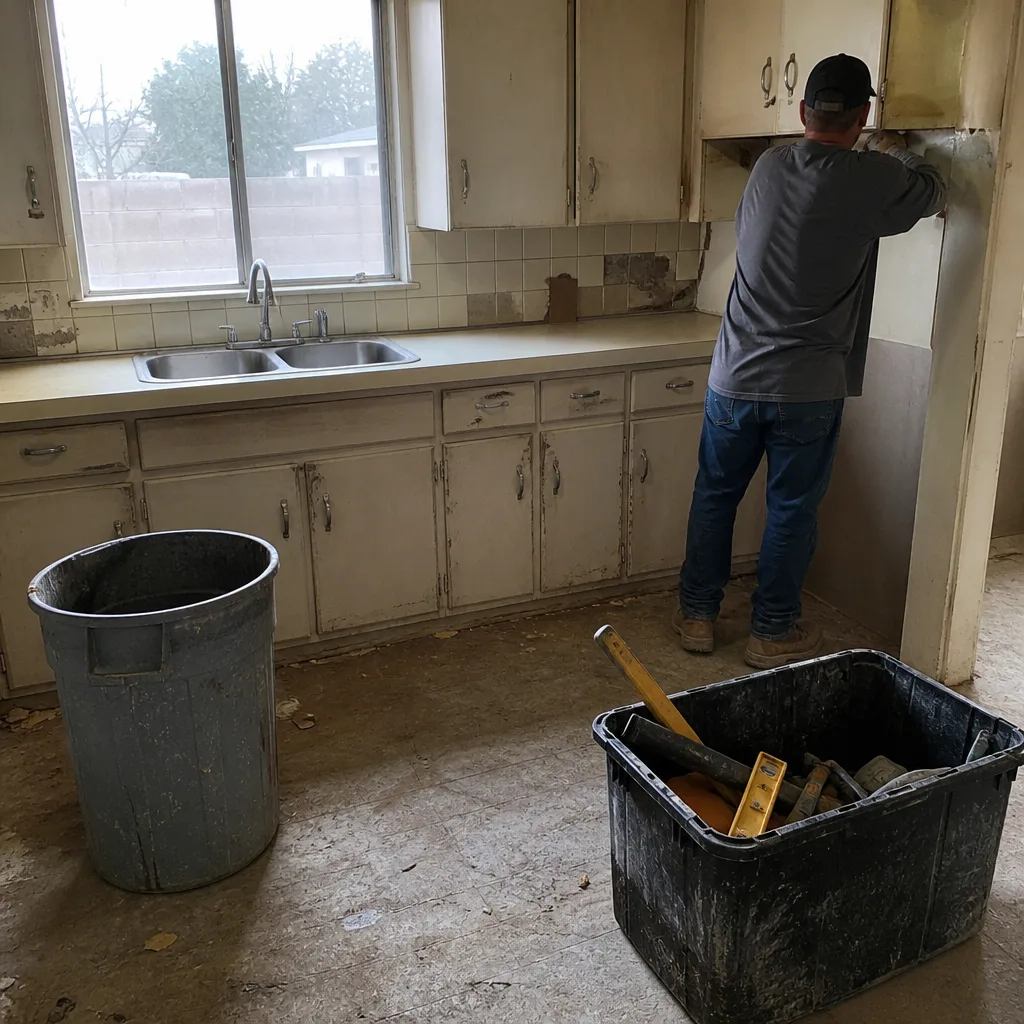 Before
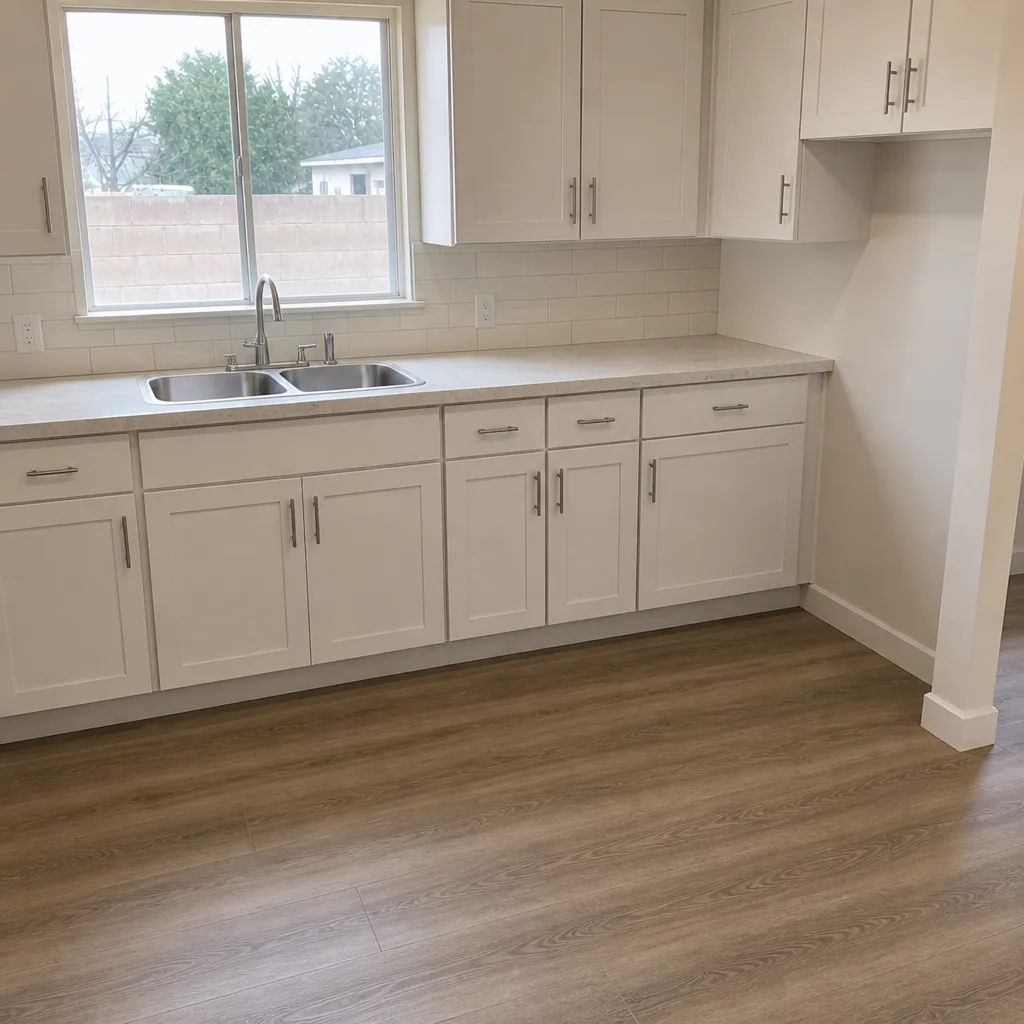 After
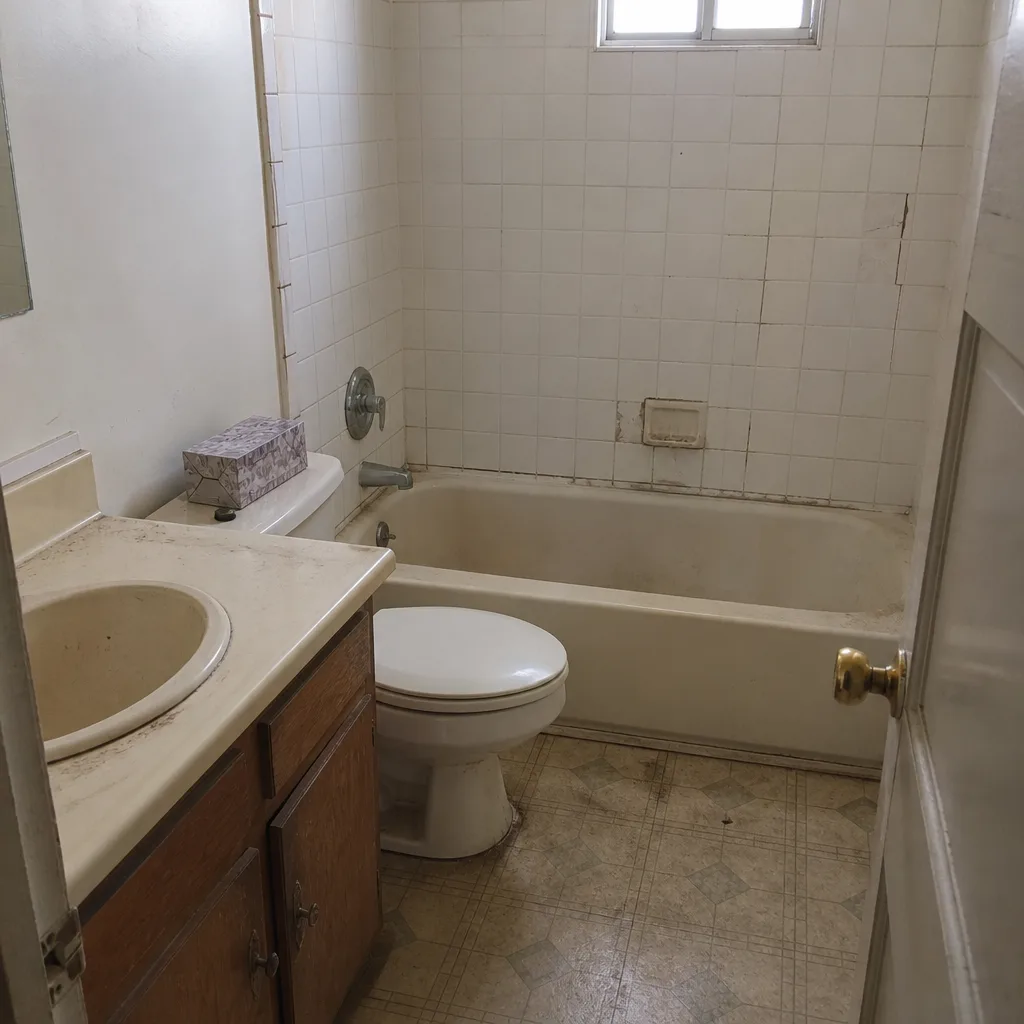 Before
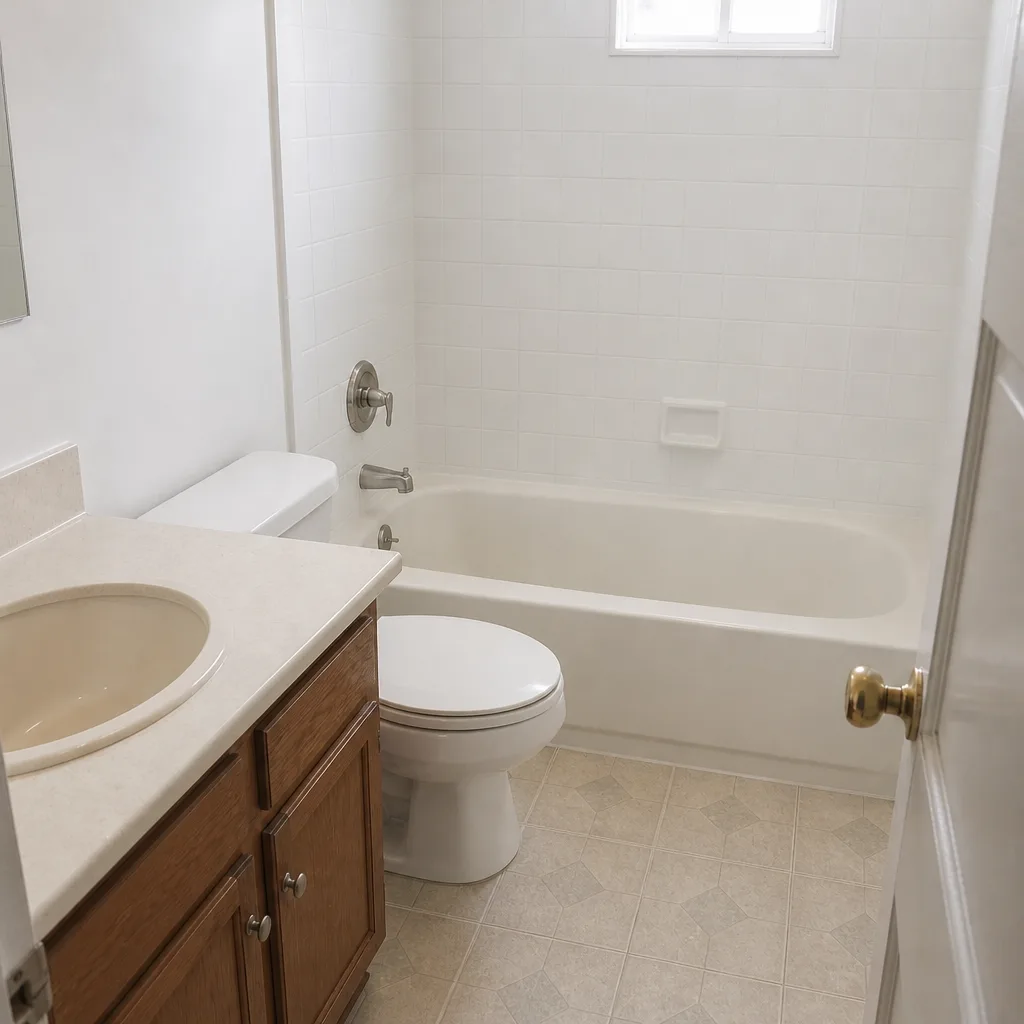 After
When to Call a Professional
Most maintenance is yours to handle. These situations call for a trained professional:
- Water staining or softness anywhere behind tile, under a sink, or at a shower pan.
- A crack through the field of tile, not just the corners.
- Any change to your HVAC system’s performance after an addition.
- A warranty claim on workmanship during the first year.
For warranty items during your guarantee period, call the contractor who did the work. If you’re in Spring Valley and need a written second opinion, free estimates are available. Penhallow Remodeling Spring Valley offers free estimates in Spring Valley. Call (844) 797-3346.
Frequently Asked Questions

At month one. The first inspection catches settling issues while they’re still small. Check cabinet alignment, caulk lines, grout at inside corners, and any seam in new construction. Document what you find with photos. Call (844) 797-3346 if you need a free estimate on a repair outside the guarantee period.
It can. Most workmanship guarantees cover defects in installation, not damage from neglected maintenance. If caulk fails because it was never touched, the contractor can reasonably argue the joint wasn’t maintained. Keep a written record of inspections. Call (844) 797-3346 to schedule a free inspection if you’re unsure of the condition.
Once a year, after an annual cleaning and resealing cycle that accounts for the desert’s heat. Check the grout every six months for cracks. If the cracks stay at inside corners, reseal. If they run through the tile field, that’s an installation issue and worth a call. Call (844) 797-3346 for a free estimate if you’re not sure what you’re looking at.
Yes. Added square footage changes how much heating and cooling the house needs. A system sized for the pre-remodel house may not keep up in July in Spring Valley. Get a load calculation in the first year. Call (844) 797-3346 if you’d like a free estimate on what the correction would cost.
A written workmanship guarantee, product warranties for every installed material, a signed closeout punch list, manufacturer care instructions, and a maintenance schedule customized to your project. If you didn’t receive these, ask for them in writing. Call (844) 797-3346 for a free estimate if you’re planning a project and want to see what the closeout looks like.
Caulk and grout failure in wet areas, followed by cabinet hinge and drawer issues. Both are small, and both get much more expensive if ignored. In a Spring Valley climate, the heat accelerates joint movement, so those claims are most common at the six-month mark. Call (844) 797-3346 for a free estimate if a claim has been denied and you need a second opinion.
The Bottom Line
A finished remodel needs a maintenance plan, and the plan should follow the trades that touched your house. Schedule inspections at months one, six, and eleven inside your guarantee window. Treat caulk and grout as six-month items in a Las Vegas climate, not annual. Recheck your HVAC load calculation if you added square footage. Keep a written, photographed log and start every warranty claim in writing the day you notice it. And if your contractor didn’t hand you a written guarantee at closeout, treat any verbal promise as a reason to be more careful, not less.
If you’re planning a project in Spring Valley or need a written second opinion on work you’re not sure about, call (844) 797-3346 for a free estimate. Every project gets a written price before any work starts, a real arrival window, and the 365-Day Done Right Promise in writing, so the maintenance conversation starts with a guarantee you can actually hold.
Written by the team at Penhallow Remodeling Spring Valley.