Last updated November 17, 2026








Free written scope consultation - allowances, timeline, and change-order rules on paper before a single trade is scheduled
DIY vs Professional General Contractor: What’s Safe to Do Yourself
Painting your own accent wall in a Spring Valley living room saves $400 and carries almost no downside. Opening a wall without knowing whether it’s load-bearing can cost $15,000 to fix and stall a home sale for months. Those two projects sit at opposite ends of the same question, and the distance between them is what this guide is about.
Most DIY-vs-contractor advice asks “can I do this?” That’s the wrong test. The right test is: which parts of this project will void a future contractor’s warranty, fail a resale inspection, or leave you on the hook for a repair you can’t undo if I do them myself? We’ve walked into enough half-finished Spring Valley projects to know the answer isn’t about skill. It’s about liability, permits, and paperwork. Here’s where to draw the line so you save money in the right places.
Quick Answer
Finish work is usually safe to do yourself: painting, swapping fixtures, installing trim, laying floating floors, tiling a backsplash, and hanging drywall patches. Work that touches structure, electrical, gas, plumbing rough-in, or anything a permit covers is not – Nevada requires licensed contractors for that, and unpermitted work must be disclosed at resale. The savings from doing finish work yourself are real; the savings from doing permitted work yourself rarely survive the inspection.
Styles & brands we work with
- Kitchen remodeling
- Bathroom remodeling
- Home additions & ADU
- Roofing
- Windows & doors
- Driveway & pavers
- Fence
Table of Contents
- The Line That Actually Matters
- What Nevada Law Requires You to Hire Out
- The Resale and Insurance Cost of Unpermitted Work in Clark County
- Tasks Where DIY Saves Real Money With Zero Downstream Risk
- How to Split a Project With Your Contractor
- Why ‘Disclose Later’ Costs More Now Than It Used To
- Common Mistakes to Avoid
- Frequently Asked Questions
The Line That Actually Matters

There’s a reason contractors wince when a homeowner says “I’ll handle the rough-in and you finish.” It’s not territorial. It’s that the finish depends on the rough, and when two parties touch a system, nobody owns the failure. If your tile cracks six months after a Spring Valley bathroom remodel, the tile setter says the substrate wasn’t flat, and the homeowner who framed it says the tile was thin. That’s a warranty conversation no one wins.
The clean line is between concealed work and visible work. Concealed work is anything that gets buried behind drywall, under flooring, inside a wall, or below grade: plumbing, electrical, gas lines, framing, insulation, waterproofing membranes. Once it’s hidden, every problem it causes is expensive because someone has to open the wall again. Visible work is anything you can see, touch, and replace without demolition: paint, trim, hardware, surface flooring, light fixture swaps, cabinet hardware, caulk, and grout.
Concealed work is where permits, inspections, and warranties live. Visible work is where your weekends can actually save money. That’s the whole framework. Everything below is application.
What Nevada Law Requires You to Hire Out
Nevada doesn’t require a licensed contractor for a homeowner doing work on their own primary residence, but it does require a properly licensed contractor for work that needs a permit, and for most work performed for compensation. The moment a project triggers a permit in Clark County, you’re in licensed-contractor territory – and if you build without the permit, you own the consequence at resale. Here’s what triggers a permit in Spring Valley:
- Structural changes. Removing or modifying a load-bearing wall, cutting a new opening in an exterior wall, adding a beam, or altering a header.
- Electrical work beyond a fixture swap. New circuits, panel changes, added outlets, subpanel work, and anything in a wet location.
- Plumbing rough-in. Moving a drain, relocating a toilet, adding a bathroom, or re-piping supply lines.
- Gas line work of any kind. This includes extending a line for a new range or dryer vent conversion.
- Water heaters. Replacement generally requires a permit and inspection.
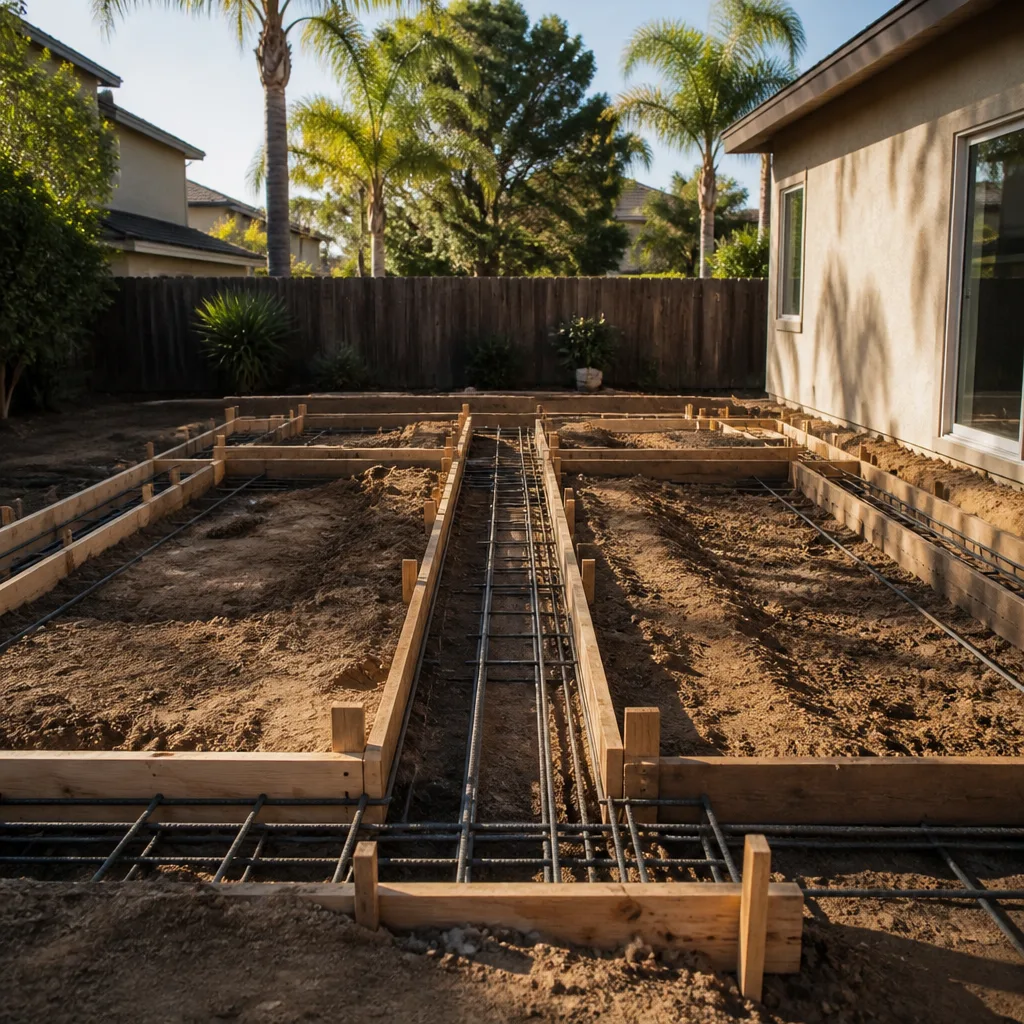
- Room additions, garage conversions, and enclosed patios. These add square footage and always require permits.
- Re-roofing and structural repairs to a roof. Sheathing and framing repairs are permit work.
- Pools, spas, and fencing over a certain height. Fencing rules tighten around pools – check before you dig.
We work in Spring Valley every week, and the permit triggers that catch homeowners off guard most often are the small ones: moving a toilet six inches for a better layout, adding an outlet in a garage that shares a wall with a bedroom, converting a hall closet into a laundry. None of them feel structural. All of them are.
The Resale and Insurance Cost of Unpermitted Work in Clark County

Here’s the part that changes the math. In Nevada, sellers must disclose known defects and known unpermitted work. That’s not a technicality – it’s a written obligation, and it shows up on the Seller’s Real Property Disclosure Form. If you remodeled a bathroom without a permit and later sell, you either disclose the unpermitted work (which buyers price down aggressively) or you don’t (which is a misrepresentation with real legal exposure).
Buyers’ inspectors in Clark County know exactly where to look:
- Electrical panels. Inspectors check for unlabeled breakers, missing GFCI protection in kitchens and baths, and double-tapped breakers from amateur circuit additions.
- Bathroom waterproofing. A moisture meter on the wall behind a shower is standard practice now. Unpermitted shower rebuilds show up as elevated moisture.
- Structural openings. Any wall opening wider than a doorway gets a hard look. No beam, no permit, no sale without a price cut.
- Water heater and HVAC replacements. Age and installation dates get cross-checked against permit records.
- Garage conversions and enclosed patios. If the square footage doesn’t match the county assessor’s record, it’s a flag.
The insurance side is worse. If a fire or water loss traces back to unpermitted electrical or plumbing work, your homeowner’s policy can deny the claim or reduce the payout. That’s the scenario where a $400 electrical savings turns into a five-figure loss. It’s also the reason a written price up front – with permits pulled and inspections passed – is worth more than a lower bid from someone who skips the paperwork.
Tasks Where DIY Saves Real Money With Zero Downstream Risk
There’s a real list here, and it’s longer than most contractors will tell you. These jobs save money, look good when done well, and never put a future warranty or inspection at risk:
- Interior painting. A 400-square-foot room runs $300 – $700 to paint professionally in Spring Valley; rollers and paint are $80 – $150. This is the highest-return DIY job on the list.
- Cabinet hardware and pulls. Swap-out costs $40 – $120 in materials. Swapping is easy; the hard part is measuring twice so the holes line up.
- Light fixture swaps. Replacing a fixture in an existing box, with the breaker off, is a homeowner job. Adding a fixture where none existed is not.
- Floating and click-lock flooring. Laminate and luxury vinyl plank over a flat subfloor in a dry room is a weekend job. Glue-down and tile are not.
- Tile backsplash. A kitchen backsplash over drywall with premixed adhesive and grout is forgiving. Shower tile is a different animal – that’s waterproofing, and it belongs to a professional.
- Interior trim and baseboards. Cutting and installing baseboard, casing, and shoe molding with a miter saw and a brad nailer.
- Caulk, grout, and re-sealing. Refreshing grout and caulk in kitchens and baths is cheap maintenance that protects larger investments.
- Hardware, vents, and register covers. Replacing outlet covers, registers, and door hardware is cosmetic and reversible.
- Sanding and patching drywall. Patches smaller than a hand – patching a hole in a wall is fine. Cutting a new opening is not.
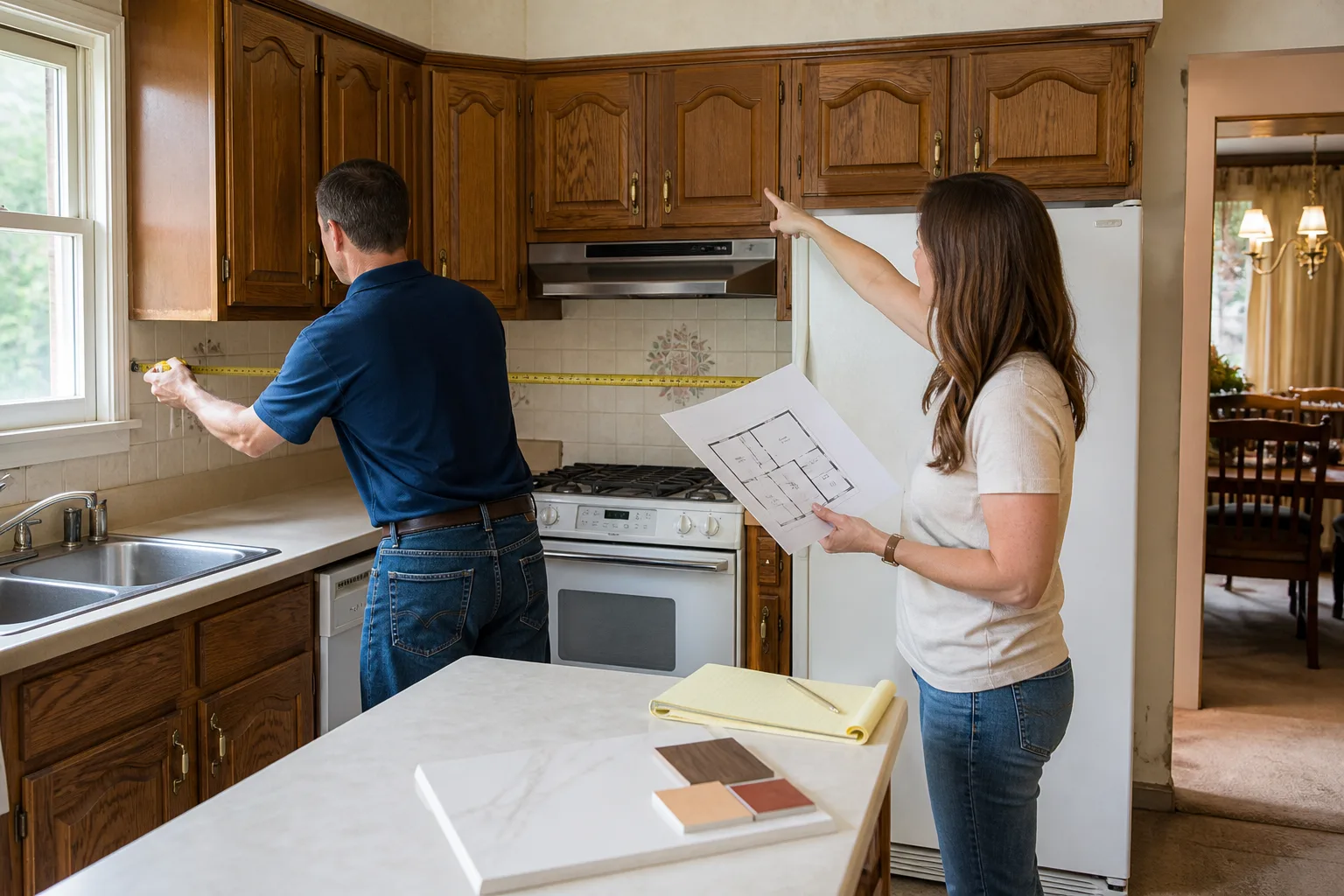
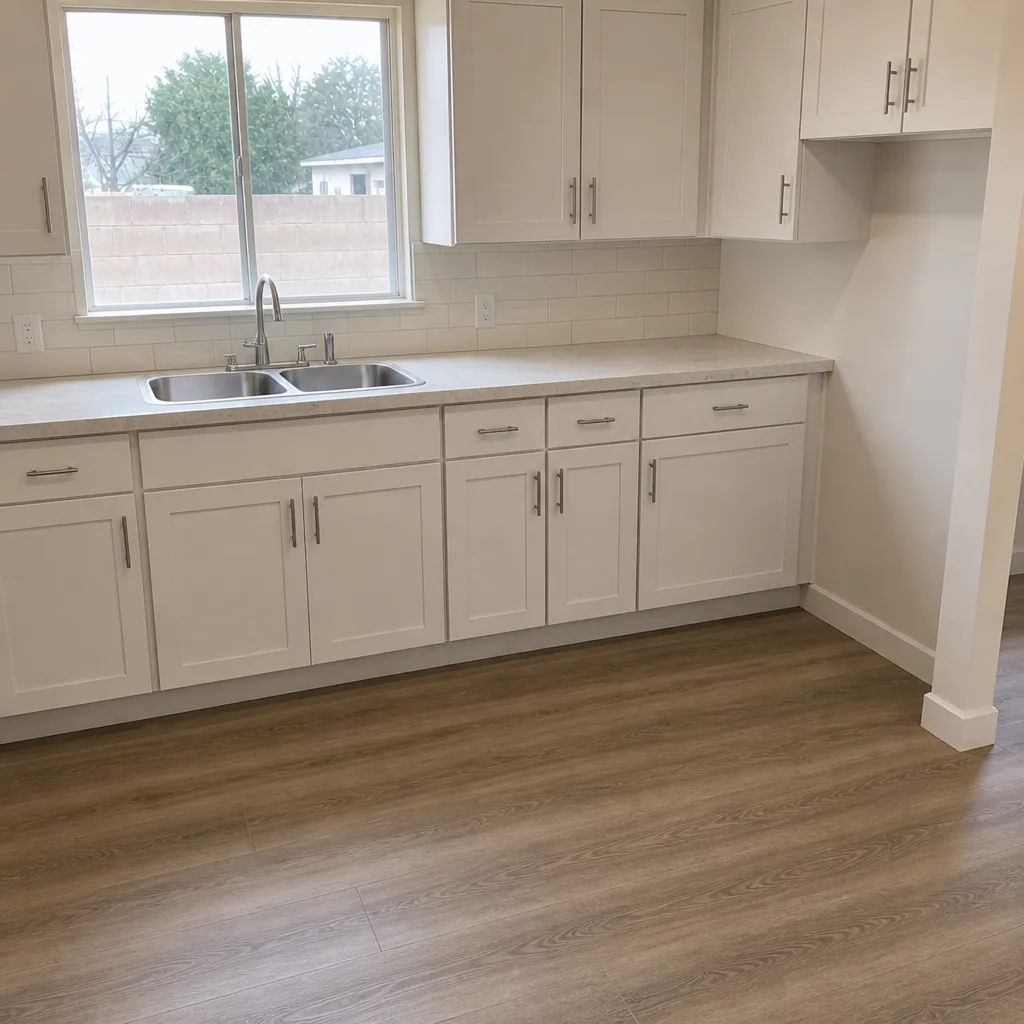
We’ve seen this list save Spring Valley homeowners real money on a Kitchen Remodeling in Spring Valley budget by carrying the backsplash, cabinet hardware, and painting themselves – often $2,000 – $4,500 of the total.
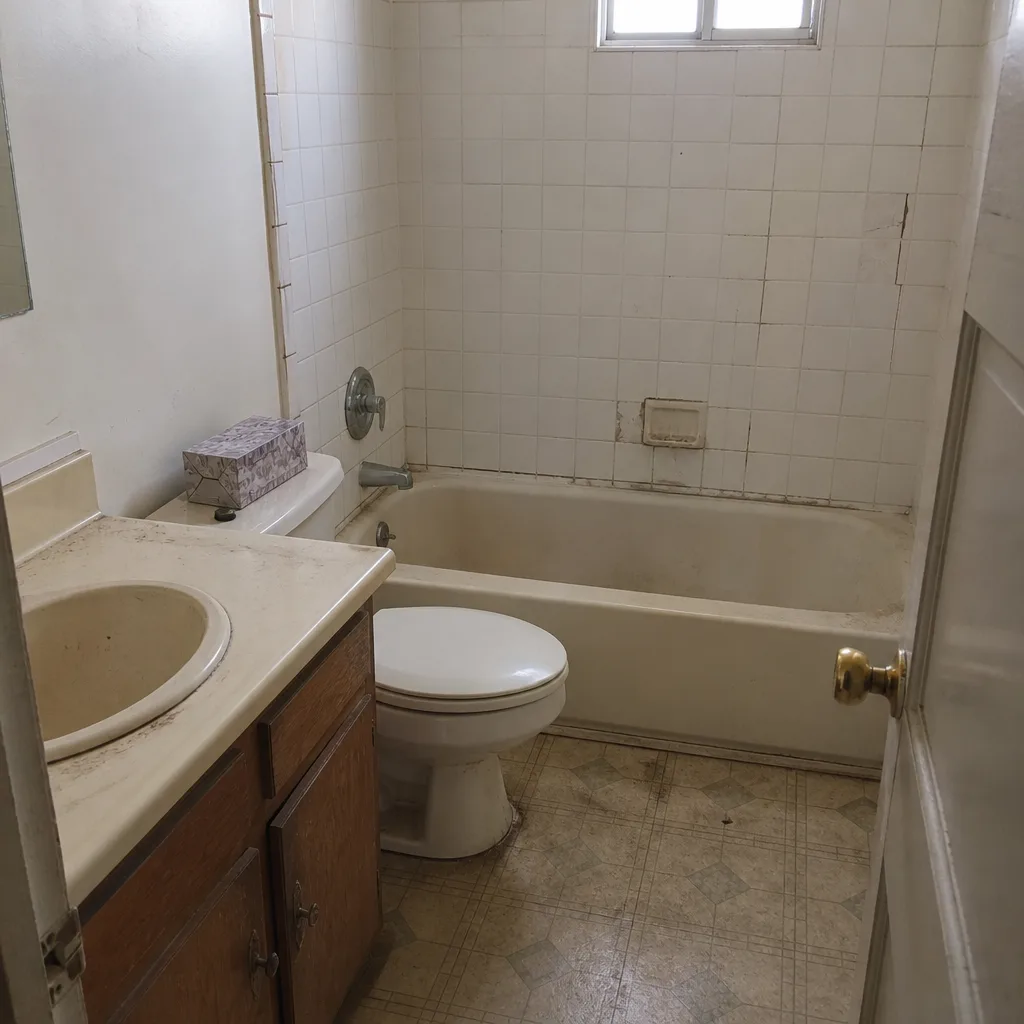
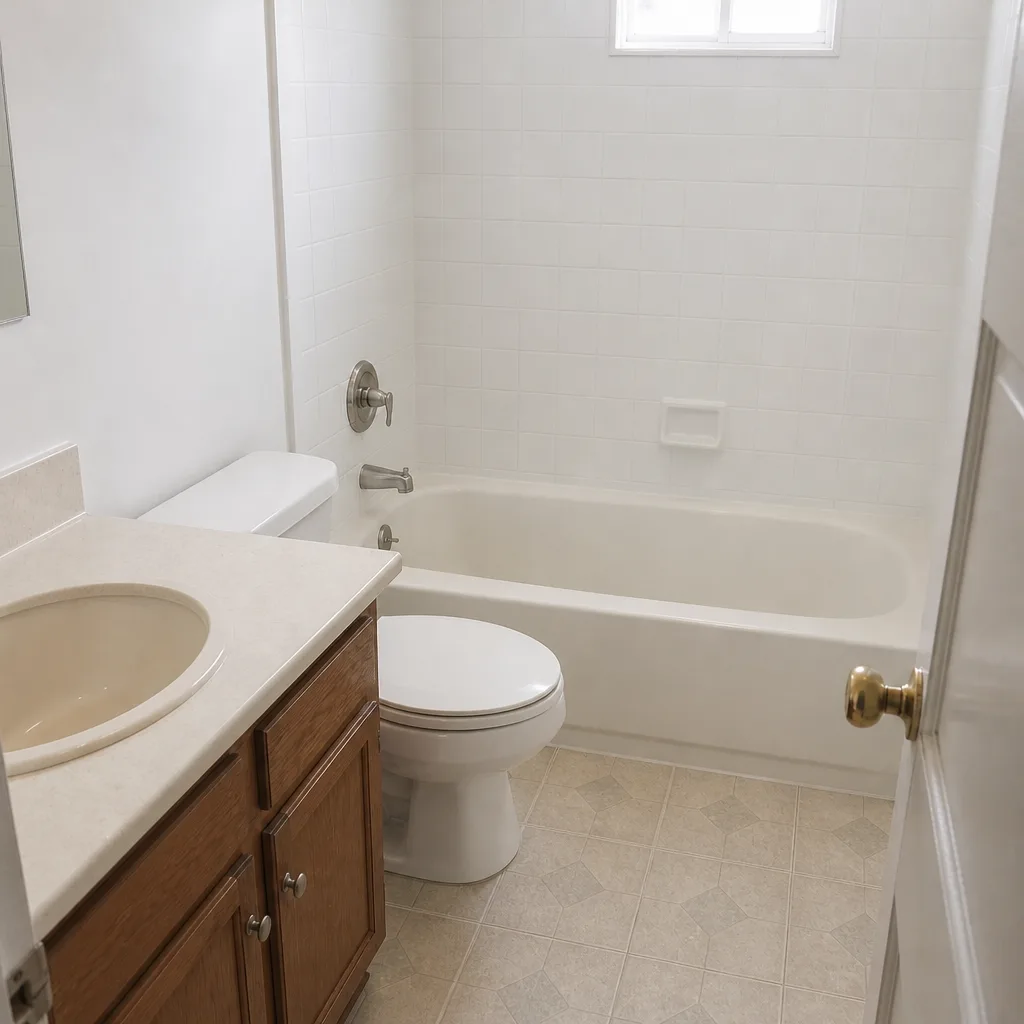
See the difference
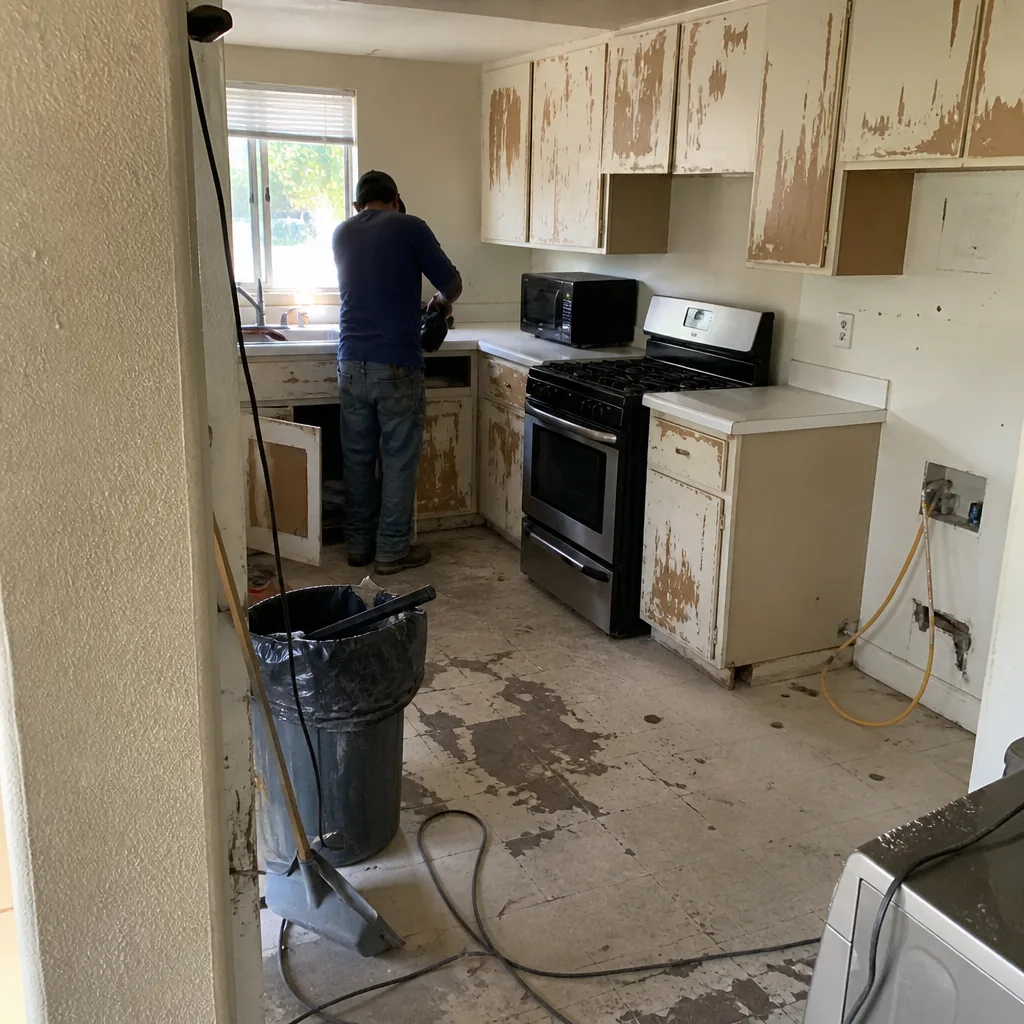 Before
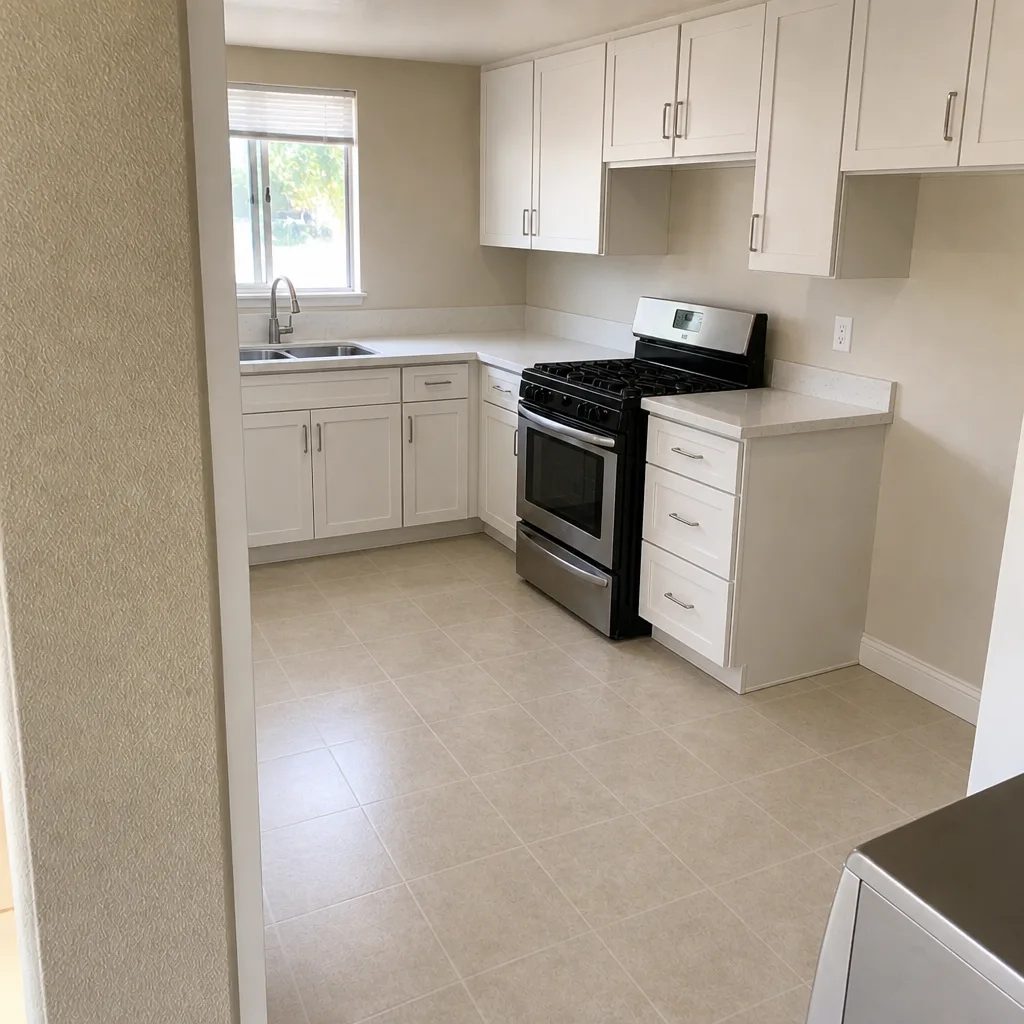 After
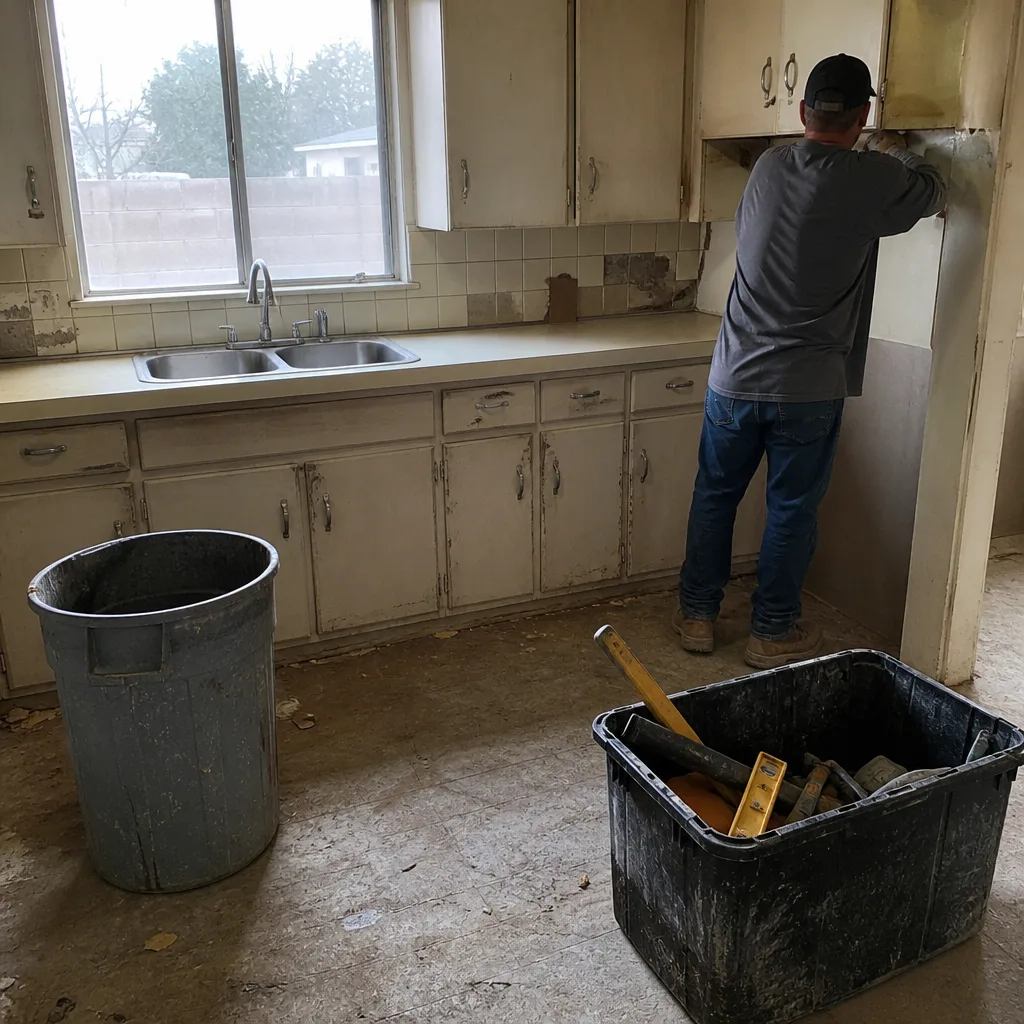 Before
 After
 Before
 After
How to Split a Project With Your Contractor
You can split a project. You can’t split it verbally. The scope division needs to be in writing, in the contract, with the trade boundaries named. Here’s the sequence we recommend when a homeowner wants to handle some of the work:
- Decide who owns the permit. The permit holder is responsible for the inspected work. If your contractor pulls the permit, they own the rough-in and the inspection. You don’t touch it.
- Write the handoff line into the contract. Example: “Contractor provides and installs all plumbing rough-in, electrical rough-in, and waterproofing substrate. Homeowner provides and installs paint, cabinet hardware, and backsplash tile.” Both parties sign it.
- Name the inspection gate. The handoff happens after rough-in inspection passes, not before. Schedule the inspection together.
- Agree on the sequence in writing. If your tile goes down before the contractor does their finish, who’s responsible for the substrate? Write down the order, with dates.
- Get a written line-item price for the contractor’s portion. Not a range, not a verbal estimate. A written number you can be held to. The number on day one is the number on the invoice – that’s the standard, and it should be in the contract.
- Confirm the warranty terms on both halves. A contractor’s workmanship warranty usually covers only their work. Anything you install yourself is not covered by the guarantee. That’s fair, but it needs to be said out loud.
If you’re pulling a permit for a whole-home remodel, ask for a written arrival window and a written guarantee on every phase before work starts. The Kingswell Way, which we follow on every job, says it plainly: say the price before the work, show up in the window we gave, leave the place cleaner than we found it. When the scope is split, that gets written down, not discussed.
Why ‘Disclose Later’ Costs More Now Than It Used To
Spring Valley’s resale market has tightened. Buyers here have more information than they did five years ago, and the inspection process has gotten more forensic. Moisture meters are standard. Permit histories are public and easy to pull. The “I’ll just do it myself and disclose later” strategy used to cost a seller a small negotiation; today it costs them the sale or a significant price adjustment, and sometimes it costs them a claim after closing.
The Spring Valley neighborhoods where this bites hardest are the older ones – the 1990s and early-2000s builds near Rhodes Ranch and the eastern Spring Valley streets – where small unpermitted changes from previous owners have stacked up over two decades. A buyer’s inspector walks through, finds three things that don’t match the permit record, and the deal reopens. The seller has no receipts, no inspection papers, and no way to prove the work was done correctly.
The math has flipped: a permitted, inspected bathroom remodel carries a paper trail that adds to resale value and removes negotiation leverage from the buyer. An unpermitted one carries risk that gets priced into the offer. On a full Bathroom Remodeling in Spring Valley project, the permit and inspection cost is often under 3% of the total – far less than the discount a buyer will demand.
Common Mistakes to Avoid
- Assuming a wall isn’t load-bearing because it’s short. A six-foot wall can carry a beam just as well as a twenty-foot one. In Spring Valley’s tract homes, interior partition walls are often structural, and only a structural engineer or a licensed contractor can tell you which is which. We’ve seen a homeowner remove a closet wall and crack a hallway ceiling within a month.
- Skipping the permit because “it’s just a small change.” Moving a toilet, adding an outlet, or converting a closet into a laundry all require permits. The size of the change has nothing to do with the permit trigger.
- Buying materials before the scope is set. Homeowners often buy a discounted tile from a clearance sale, then find the tile doesn’t suit a wet area or the layout needs more square footage than what’s on the pallet. Buy after the layout, not before.
- DIYing the waterproofing in a shower. A shower pan that leaks into a subfloor is one of the most expensive repairs we see in Spring Valley. Waterproofing layers have to be continuous, and inspections catch what the eye doesn’t.
- Handing off work verbally to the contractor. “You do the plumbing and I’ll do the tile” sounds clear; it’s not. Put the division in the contract, with dates and inspection gates.
- Ignoring that some brands want to be installed by a licensed pro. James Hardie siding is a good example – the manufacturer’s warranty is stronger when the installer is a licensed contractor, and product warranties frequently get voided by unpermitted or unqualified installation.
- Assuming the disclosure form is optional. It isn’t. In Nevada, sellers must disclose known defects and known unpermitted work. The “I’ll disclose later” approach doesn’t reduce the risk; it delays and compounds it.
When to Call a Professional
Call a professional the moment a project touches structure, electrical, plumbing rough-in, gas, or waterproofing in a wet area. Call for anything that requires a permit. Call for anything you can’t fully see once it’s finished. Call for a whole-room remodel where the layout is changing.
And call when you’ve already started and the project has gotten bigger than you planned – we’ve walked into plenty of kitchens where a homeowner opened a wall for a “quick” change and found old wiring, water damage, or a header that needed replacing. The faster the professional is on site in those situations, the lower the fix.
Penhallow Remodeling Spring Valley offers free estimates in Spring Valley – call (844) 797-3346. You’ll get a written price before work starts, a real arrival window, and a written guarantee on every job. Our technicians have up to 22 years of experience, are background-checked, and arrive in uniform. A live person answers the phone around the clock, so you’re not leaving a voicemail and waiting.
Frequently Asked Questions
Painting, swapping fixtures and hardware, installing trim, and laying floating floors in dry areas are all safe. Plumbing rough-in, shower waterproofing, electrical work beyond a fixture swap, and anything that requires a permit are not. The permit triggers are the dividing line, and they’re set by Clark County, not by whether you feel confident.
Yes. Moving a toilet changes the drain location, which is plumbing rough-in work and requires a permit in Clark County. It also requires a licensed plumber, because the drain slope and venting have to be correct. This is one of the most common unpermitted changes we find in Spring Valley homes, and it’s one that buyers’ inspectors flag. Call (844) 797-3346 if you want an estimate for doing it correctly.
It can. If a loss traces back to unpermitted electrical, plumbing, or structural work, your homeowner’s policy may deny the claim or reduce the payout. That’s the risk that’s hard to see until you need to make a claim, and it’s why a written permit trail is worth more than the cost of pulling one.
Kitchen remodels in Spring Valley typically run $18,000 – $55,000 depending on layout, cabinet line, and countertop material. That range assumes permits are pulled and inspections are passed. A cheaper bid that skips permits isn’t cheaper – it just moves the cost to resale, where buyers price unpermitted work down aggressively.
Yes, and it’s a reasonable way to control cost on a kitchen or bath project. The catch is that the split must be in writing – decide who owns the permit, write the handoff line into the contract, and name the inspection gate. Verbal splits are where things go wrong. Call (844) 797-3346 to talk through a scope division for your project.
The contractor’s workmanship warranty typically covers only their work, so anything you install yourself isn’t covered by their guarantee. That’s normal, but it should be written into the contract so there are no surprises later. If a failure is caused by your work, the contractor’s fix will be a paid service call rather than a free return visit.
The Bottom Line
The right DIY question isn’t “can I do this?” It’s “which parts of this project will cost more later if I do them myself?” Painting, trim, backsplash, floating floors, fixture swaps, and cabinet hardware are real savings with no downstream risk. Structural work, electrical beyond a fixture, gas, plumbing rough-in, and anything requiring a permit in Clark County belong to a licensed professional, full stop. The paperwork you skip today becomes a negotiation on resale tomorrow.
If you’re planning a remodel in Spring Valley and want to know exactly which parts of the project you can safely carry yourself – and how to write that split into a contract – the team at Penhallow Remodeling Spring Valley is glad to talk it through. We work under the Kingswell Guarantee, which means a written price before any work starts, a 365-Day Done Right Promise, and a free return visit if a repair fails. That’s the standard we hold on every job, whether you carry half the work or none of it.
To learn more about how we approach remodels in the area, start at the Penhallow Remodeling Spring Valley home page. And when you’re ready to price the project, call (844) 797-3346 for a free estimate. A live person answers around the clock.
Written by the team at Penhallow Remodeling Spring Valley.