
Last updated November 17, 2026








Free written scope consultation - allowances, timeline, and change-order rules on paper before a single trade is scheduled
How to Hire a Construction Contractor in Spring Valley: A Step-by-Step Guide
Nevada’s contractor licensing board received over 1,200 complaints in a recent year, and the most common pattern isn’t fly-by-night operators. It’s licensed contractors who gave verbal estimates that grew 30% to 50% once the job was underway and the walls were already open. The homeowner did nothing wrong except trust a number that was never written down. This guide shows you how to avoid that trap in Spring Valley, from checking a license classification to structuring a payment schedule so you’re never more than one phase ahead of completed work.
Quick Answer
To hire a construction contractor in Spring Valley, verify the contractor’s license number and classification directly on the Nevada State Contractors Board website, get a line-item written estimate before any work starts, and require a written guarantee of at least one year. The one non-negotiable: the price and the guarantee go in writing before demo day, not after.
Styles & brands we work with
- Kitchen remodeling
- Bathroom remodeling
- Home additions & ADU
- Roofing
- Windows & doors
- Driveway & pavers
- Fence
Table of Contents
- Step 1: Verify the License and What the Classification Means
- Step 2: Get a Line-Item Written Estimate
- Step 3: Nail Down the Arrival Window
- Step 4: Read the Contract for These Red Flags
- Step 5: Structure a Payment Schedule That Protects You
- Step 6: Understand the Warranty Before You Sign
- What to Know About Remodeling in Spring Valley
- Common Mistakes to Avoid
Step 1: Verify the License and What the Classification Means
Nevada requires a state license for any construction job over $1,000 in labor and materials. A contractor who can’t produce a license number on request is not someone you want opening your walls. Verification takes about five minutes on the Nevada State Contractors Board (NSCB) website, and it’s the single most important check you can run.
What the database tells you:
- License status. Look for “active.” A suspended or expired license means the contractor can’t legally work in the state right now.
- Classification. Nevada licenses are classified by trade and scope. A Class B (general building) license covers most residential remodels. A Class C license is specialty-only, meaning the contractor is limited to a specific trade such as cabinetry or flooring. If you’re hiring for a full kitchen remodel and the license says specialty, ask who’s pulling the permit and who carries the general liability for the whole job.
- Complaint history. The NSCB lists disciplinary actions and complaints. A single old complaint isn’t necessarily disqualifying; a pattern of unresolved ones is.
- Bond and insurance. Nevada requires licensed contractors to carry a surety bond. The database shows whether that bond is current.
In Spring Valley, the unincorporated Clark County status means permits run through Clark County rather than a city building department. Ask your contractor which jurisdiction they’re pulling the permit from, and confirm the license classification matches the scope of your project. If you’re planning a whole-home remodel, that’s general contractor territory, not a specialty license. Our General Contractor in Spring Valley page explains what a full-scope project requires.
Step 2: Get a Line-Item Written Estimate
A written estimate is not a number scribbled on the back of a business card. It’s a document that separates labor from materials, names the products going in, and defines exactly when the price can change. This is the step that prevents the 30% to 50% post-demo surprise, and it’s the one most homeowners skip because they’re relieved to finally have a number at all.
Here’s what a legitimate written estimate includes:
- Line-item scope. Each phase broken out separately: demolition, rough framing, electrical rough-in, plumbing rough-in, drywall, cabinetry install, countertop template and install, tile, paint, trim. A single lump-sum number hides where the costs actually live.
- Allowance disclosures. An allowance is a placeholder dollar amount for a material not yet selected, such as tile or fixtures. Ask what happens if you go over the allowance. A fair contract states the overage is billed at actual cost with your written approval, not folded into a mystery line item later.
- Change-order trigger language. A change order is the written amendment that adjusts price or scope when something changes mid-job, like discovering water damage behind a shower wall. The estimate should define what triggers a change order, who signs it, and that no additional work proceeds without your signature.
- Product names. “Quartz countertops” is vague. “Cambria quartz, color specified, fabricated and installed by a licensed fabricator” is a line item. Recognizing the brands means recognizing what you’re paying for.
In our experience, the estimate that names the material and the brand is the one a homeowner can actually hold the contractor to. Precision up front costs a contractor an hour of paperwork; ambiguity costs the homeowner thousands.
Step 3: Nail Down the Arrival Window
“We’ll be there in the morning” is not a schedule. It’s a placeholder that lets a contractor show up at 7 a.m. or 2 p.m. and technically keep their word. A legitimate arrival window is a specific, defined time range the contractor commits to in writing, with a stated policy for what happens if the crew is delayed.
What a real arrival window looks like versus a vague promise:
- Vague: “We’ll start Tuesday morning.” Real: “Crew arrives Tuesday between 7:30 and 8:00 a.m. You’ll receive a call if we’re running more than 30 minutes behind.”
- Vague: “Someone will be in touch.” Real: A named point of contact or a phone number that a live person answers, not a voicemail prompt.
- Vague: “The job takes about three weeks.” Real: A phase-by-phase schedule with the understanding that unexpected conditions, like a hidden plumbing issue, trigger a written schedule revision.
The reason this matters in Spring Valley specifically: many homeowners here are managing a remodel while working full-time or commuting to the Strip, and a contractor who shifts the schedule without notice means a lost workday. A written arrival window is a commitment, and a contractor who won’t put one in writing is telling you something about how the whole job will go.
Step 4: Read the Contract for These Red Flags
The contract is where a smooth job becomes a disputed one. Read it slowly. Here are the flags that should make you pause:
- “Cost plus” language. A cost-plus contract bills you for materials at cost plus a percentage markup, often 15% to 25%, with no ceiling. It’s a legitimate structure for some commercial work, but for a residential remodel it means your budget has no upper bound. A fixed-price contract is the safer choice.
- Missing lien waiver provisions. A lien is a legal claim against your property by a subcontractor or supplier who wasn’t paid. The contract should require the contractor to provide lien waivers from every subcontractor and supplier at each payment phase. Without that language, you could pay the general contractor in full and still face a lien from the electrician.
- Warranty terms shorter than one year. A one-year workmanship warranty is the floor, not the ceiling. Anything less, particularly on a kitchen or bathroom remodel, means the contractor doesn’t expect the work to hold up past a few months.
- No stated start date. A contract without a defined start date gives the contractor unlimited freedom to push your job to the back of the queue.
- Arbitration clauses you can’t opt out of. Some contracts require binding arbitration, which can limit your ability to pursue certain remedies. Read the dispute resolution section carefully.
If a contractor pushes back when you ask for these terms in writing, that’s information. A professional expects the questions and answers them without defensiveness.
Step 5: Structure a Payment Schedule That Protects You
Nevada law limits how much a contractor can collect as a down payment, but the more useful principle is simpler: never be more than one phase ahead of completed work. If you’ve paid for the tile install and the tile isn’t in, you’ve given the contractor an interest-free loan and lost your leverage.
A fair payment schedule for a typical Spring Valley kitchen remodel might look like this:
- Deposit: A modest down payment at signing, enough to secure materials and schedule the crew. Nevada caps this at a specific percentage of the contract price.
- Rough-in phase: Payment upon completion and inspection of framing, electrical, and plumbing rough-in.
- Drywall and finish phase: Payment when drywall is hung, finished, and primed.
- Cabinet and countertop install: Payment when cabinets are set and countertops are installed.
- Final punch list: A holdback of 10% to 15% released only after you’ve walked the job and signed off on every item.
The final holdback is your most important protection. It ensures the contractor has a financial reason to come back and fix the small things, like a door that doesn’t close flush or a caulk line that needs redoing. For a complete walkthrough of what a finished bathroom budget looks like in this market, see our Bathroom Remodeling in Spring Valley page.
Step 6: Understand the Warranty Before You Sign
A warranty is only as good as its terms. “We stand behind our work” is not a warranty. A warranty is a written document that states exactly what’s covered, for how long, what happens if something fails, and whether the return visit is free.
Questions to ask before you sign:
- What does the warranty cover? Workmanship only, or materials too? Many product warranties are separate and must be registered by the manufacturer.
- How long does the workmanship warranty last? One year is the minimum you should accept.
- What happens if a repair fails inside the warranty period? The answer should be specific: a return visit at no charge, not a new service call fee.
- Does the warranty transfer if you sell the home? A transferable warranty is a meaningful resale asset.
When we quote a Spring Valley kitchen remodel, the written guarantee goes in the same folder as the written price. The two documents together are what make the job a contract instead of a handshake.
What to Know About Remodeling in Spring Valley
Spring Valley sits in unincorporated Clark County, which shapes the permitting process in ways that surprise homeowners moving from cities with their own building departments. Permits for a kitchen or bathroom remodel run through Clark County’s building department, and the inspection schedule is set by the county, not the contractor. Ask your contractor how they handle Clark County inspections, and confirm the permit is pulled in the homeowner’s name or the licensed contractor’s name, not left to a subcontractor.
The climate matters too. Spring Valley’s dry desert air and summer heat push over 110°F regularly, and that has real consequences for cabinetry, wood flooring, and grout. Wood products installed at the wrong humidity level can shrink or crack within a season. Tile grout left uncured in a hot garage before install can fail early. In our experience, the contractors who account for the desert climate in their material staging and install schedule produce work that holds up past the first summer.
Spring Valley’s housing stock is also a factor. Many homes were built in the 1990s and 2000s, which means a kitchen remodel often uncovers original plumbing and electrical that’s due for an upgrade. Budget for a contingency of 10% to 15% for exactly this. And if you’re comparing contractors across the valley, our overview of Kitchen Remodeling in Spring Valley covers the typical scope and pricing you should expect.
Common Mistakes to Avoid
- Skipping the license check because the contract looks professional. A polished contract is not a license. Two minutes on the NSCB website tells you more than an hour of conversation.
- Accepting a verbal estimate to avoid delay. The verbal number is the one that grows after demo day. A written estimate costs an extra day and saves you thousands.
- Paying more than one phase ahead. If you’ve paid for work that isn’t done, the contractor has no reason to finish on your schedule.
- Not asking about the permit. In Spring Valley, an unpermitted remodel can complicate resale and insurance claims for years. Confirm the county permit is pulled before the first hammer swings.
- Assuming the warranty covers materials. Workmanship and product warranties are separate documents with different terms and different claim processes.
- Choosing the lowest bid without checking the scope. The lowest number often means an allowance-free estimate that looks cheap until you select the tile and the price jumps. Compare line items, not bottom lines.
- Ignoring the arrival window in writing. A contractor who won’t commit to a time is telling you how the whole job will run.
See the difference
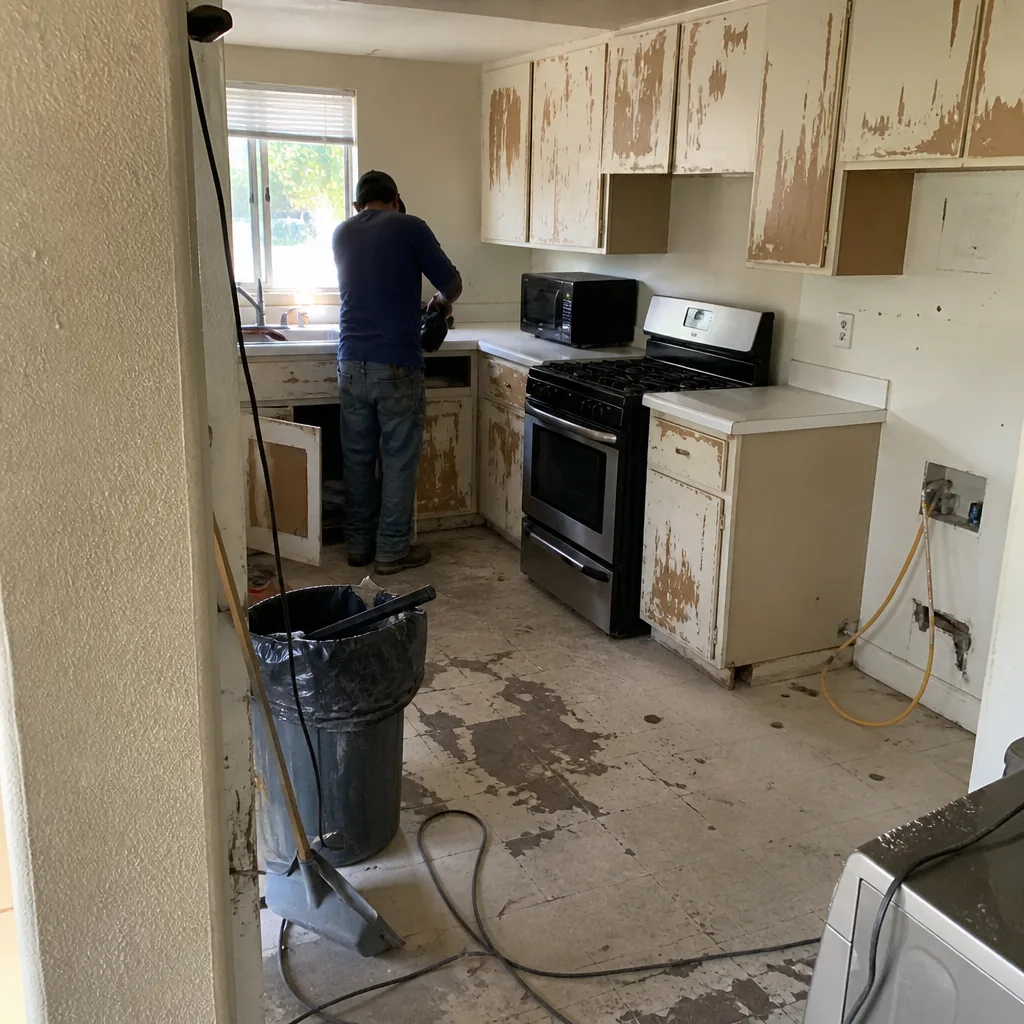 Before
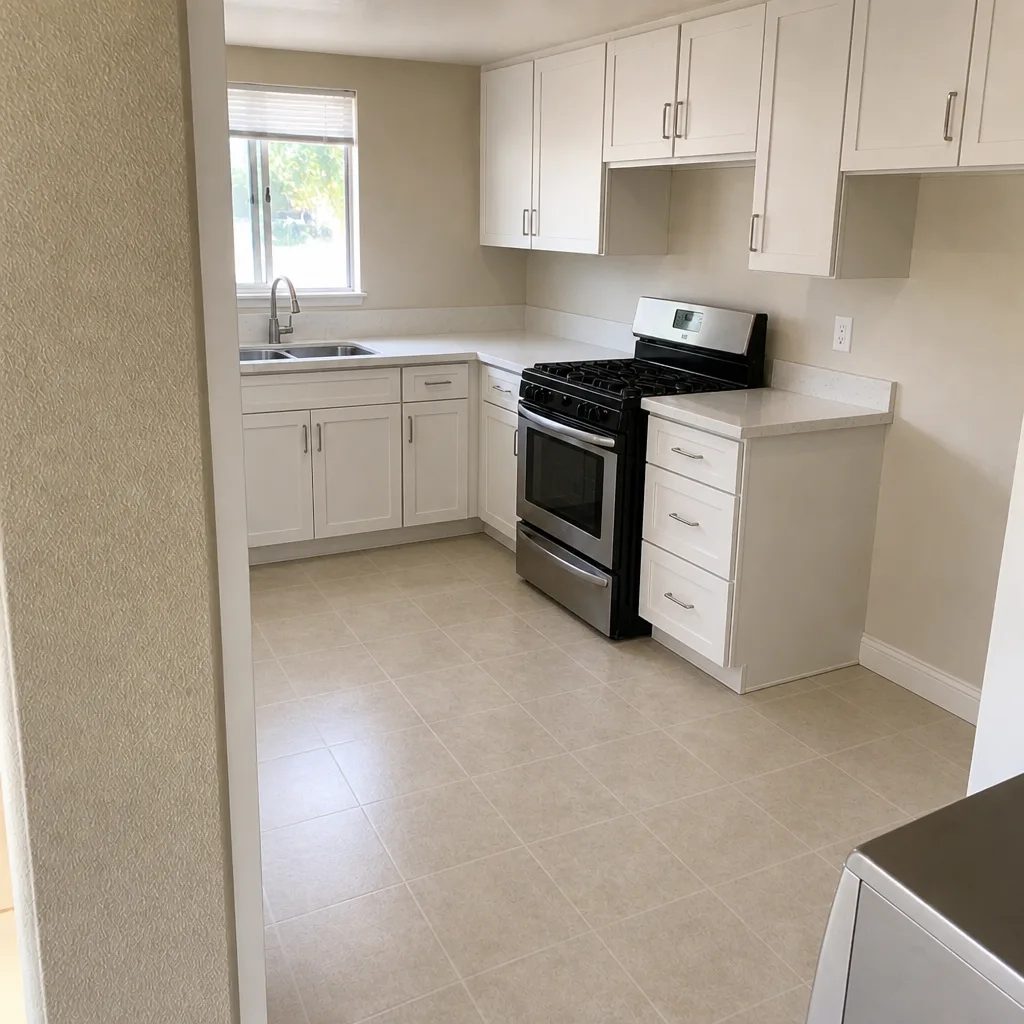 After
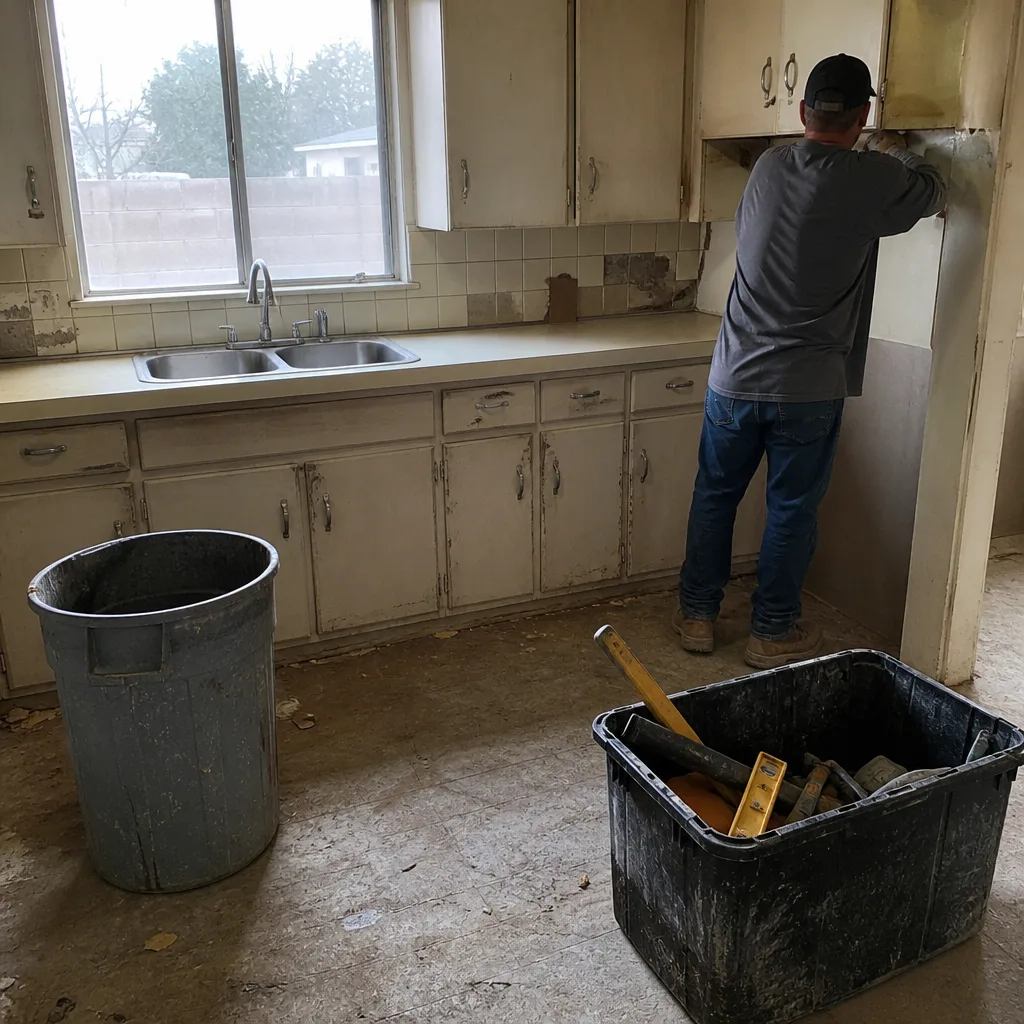 Before
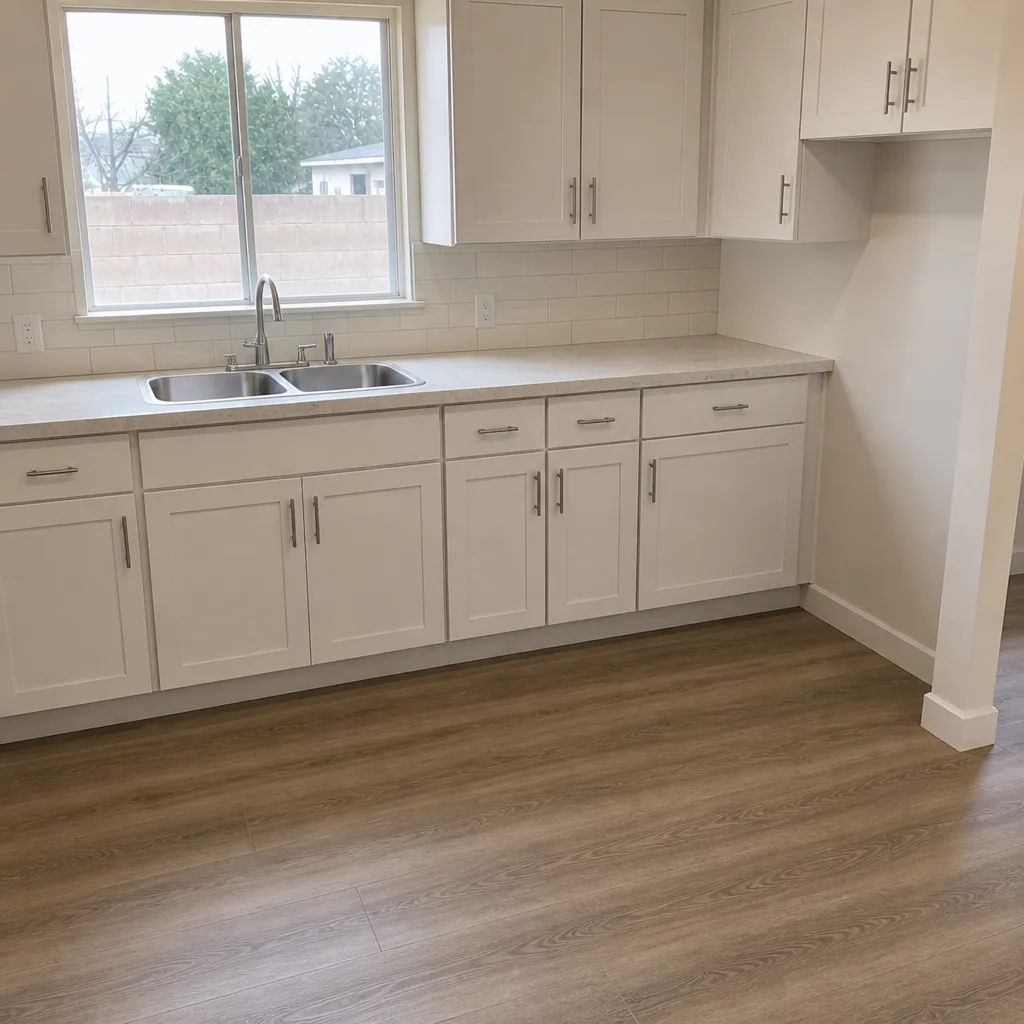 After
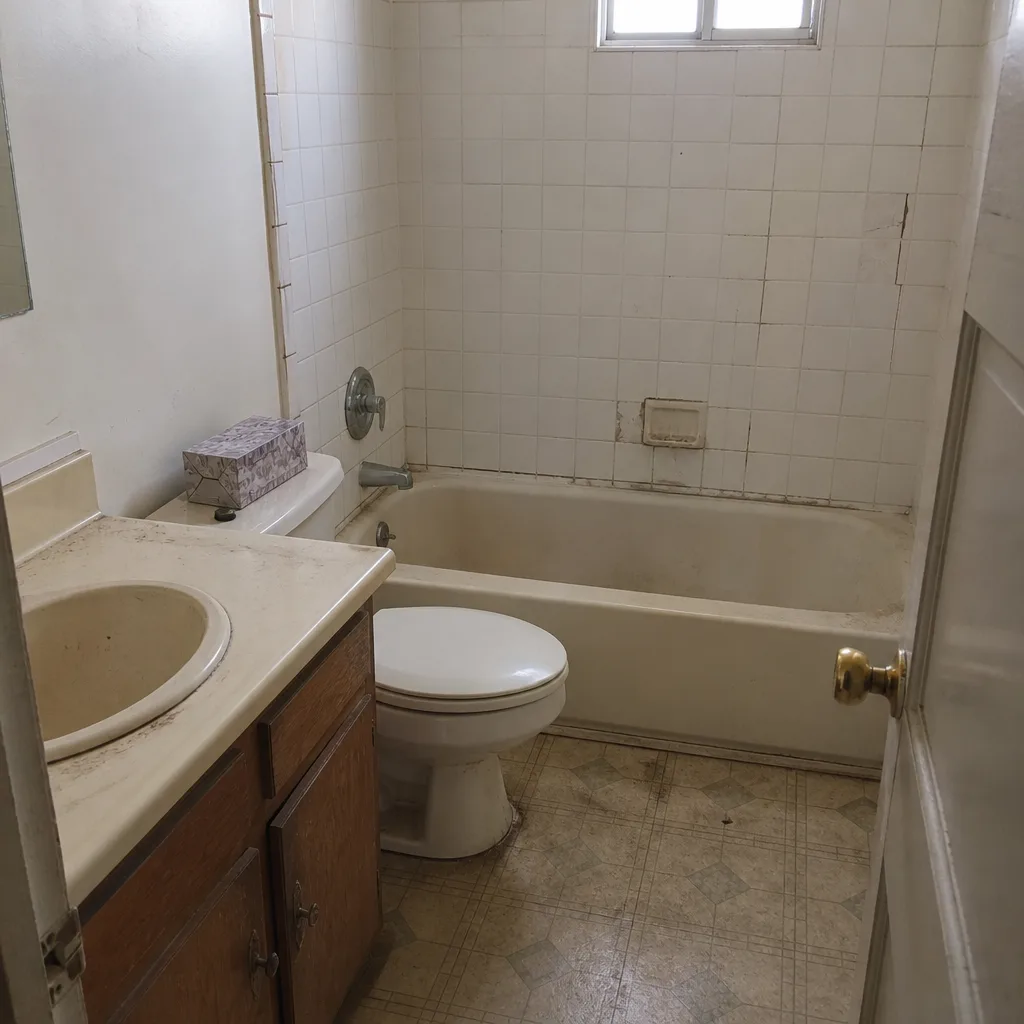 Before
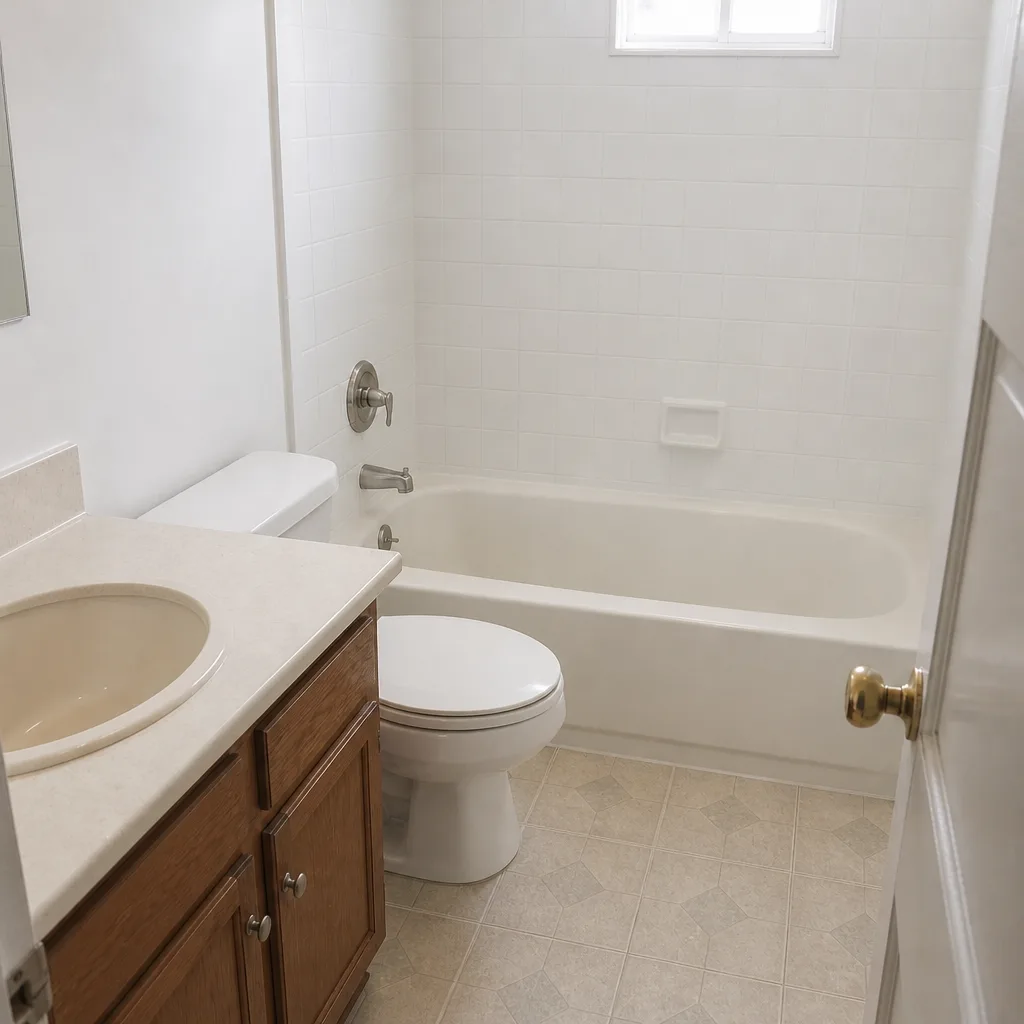 After
When to Call a Professional
Some jobs don’t belong on a homeowner’s to-do list. If your project involves moving a wall, relocating plumbing or gas lines, upgrading an electrical panel, or pulling a county permit, you’re past DIY territory. Those tasks require a licensed contractor because the failure modes range from expensive to genuinely dangerous, and an unpermitted change can surface at resale. If you’ve been burned by a contractor before and you want the price and the guarantee in writing before anyone touches your home, that’s exactly the conversation we’re set up for. Penhallow Remodeling Spring Valley offers free estimates in Spring Valley. Call (844) 797-3346 to schedule yours. Our technicians have up to 22 years of experience, and we install from recognized trade brands like Moen and Delta fixtures so the products behind the guarantee match the promise.
Frequently Asked Questions
Go to the Nevada State Contractors Board website and search the contractor’s license number. Confirm the license is active, the classification matches your project scope, the bond and insurance are current, and check the complaint and disciplinary history. It takes about five minutes and it’s the most important pre-hiring step.
A written estimate should break the job into line items by phase, name the specific materials and brands going in, disclose every allowance amount and what happens if you exceed it, and define exactly what triggers a change order and who signs it. A single lump-sum number is a red flag. Call (844) 797-3346 for a written estimate with those line items spelled out.
Nevada caps the down payment a contractor can collect, and beyond that cap the principle is to never be more than one phase ahead of completed work. Keep a final holdback of 10% to 15% until you’ve walked the job and signed off on every punch list item. That holdback is what brings the contractor back for small fixes.
Yes, for most kitchen and bathroom remodels. Spring Valley is in unincorporated Clark County, so permits run through the Clark County building department rather than a city office. Ask your contractor to confirm the permit is pulled before work starts and that the county inspections are scheduled and passed.
A one-year workmanship warranty is the minimum you should accept. Ask specifically what’s covered, whether a return visit for a failed repair is free, and whether the warranty transfers if you sell the home. Product warranties from manufacturers like Moen are separate documents with their own terms.
A typical kitchen remodel runs six to ten weeks depending on cabinet lead times, countertop fabrication, and whether the county inspection schedule adds delay. Ask for a phase-by-phase written schedule, and treat a verbal “about three weeks” as information about how the contractor plans.
The Bottom Line

Hiring a construction contractor in Spring Valley comes down to one discipline: get the price and the guarantee in writing before demo day. Verify the license and classification on the NSCB website, demand a line-item estimate with allowance disclosures and change-order triggers, require a defined arrival window, read the contract for cost-plus and missing lien waiver language, structure payments so you’re never more than one phase ahead, and confirm the warranty terms. The contractor who answers these questions without flinching is the one worth your kitchen. The one who doesn’t is telling you how the job will go. Call (844) 797-3346 for a free estimate before you sign anything, and visit the Penhallow Remodeling Spring Valley home page to see how we put those terms in writing.
Written by the team at Penhallow Remodeling Spring Valley.