
Last updated November 17, 2026








Free written scope consultation - allowances, timeline, and change-order rules on paper before a single trade is scheduled
Seasonal Construction Care for Spring Valley: Year-Round Homeowner’s Guide
Spring Valley gets roughly 4 inches of rain per year, and almost all of it can land in a handful of violent afternoon storms in July and August. That single fact reshapes how you should care for a house here. A flat or low-slope roof section that looked perfect all spring can send water across a living room floor in twenty minutes. The calendar seasons most guides talk about don’t match what actually happens to Spring Valley homes. What matters here is pre-heat, monsoon, cool-dry, and the short cold window. Each one attacks your house through a different mechanism, and each one asks for a different inspection and repair priority. This guide walks through all four, with real numbers and a rolling budget you can actually plan around.
Quick Answer
Home care in Spring Valley runs on four real seasons, not the calendar: pre-heat (March – May), monsoon (July – August), cool-dry (October – November), and the brief cold window (December – February). Handle exterior painting, caulking, and concrete crack repair in pre-heat before thermal expansion locks seams shut; clear scuppers, downspouts, and grading before monsoon; inspect stucco in fall before nighttime freezes push moisture into wall cavities; and check exposed plumbing runs in winter. A rolling seasonal budget of roughly $1,200 – $3,500 a year covers most preventive work and keeps small repairs from becoming emergency remodels.
Styles & brands we work with
- Kitchen remodeling
- Bathroom remodeling
- Home additions & ADU
- Roofing
- Windows & doors
- Driveway & pavers
- Fence
Table of Contents
- Why Spring Valley’s Seasons Don’t Match the Calendar
- Pre-Heat Season (March – May): The Only Real Window for Exterior Work
- Monsoon Season (July – August): Drainage, Scuppers, and Flash-Flood Checks
- Fall Transition (October – November): Stucco Inspection Before the Freeze
- Winter (December – February): The Limited but Real Freeze Risk
- How to Build a Rolling Repair Budget by Season
- The Spring Valley Seasonal Inspection Calendar
- Common Mistakes to Avoid
Why Spring Valley’s Seasons Don’t Match the Calendar
Most national home-care advice is written for a place with four evenly spaced seasons and steady rainfall spread across the year. Spring Valley is the opposite on both counts. Rain is rare but intense. Summer heat is relentless and long, pushing surface temperatures on west-facing walls and roofs well past the air temperature. Nights cool off sharply in fall and winter, which is when the damage that started months earlier finally shows itself.
Here’s what that means in practice. Thermal expansion isn’t a minor annoyance in Spring Valley, it’s the primary driver of exterior failure. A hairline crack in stucco or a seam in caulk that opens in March closes back up by June. If you paint or seal in June, you’re sealing over an open joint that will split again the moment the wall cools. The work has to happen while the material is still in its contracted state. That window is roughly March through May, and it’s shorter than most homeowners assume.
The second reality is that water damage here doesn’t come from steady drizzle. It comes from a single inch of rain falling in under an hour, overwhelming a drainage system that was never sized for that intensity. Downspouts, scuppers, and site grading all get tested to failure in a way that a homeowner in a wetter climate never experiences. Spring Valley homes fail at the drainage point, not the roof surface, more often than not.
We’ve walked through enough Spring Valley houses after monsoon season to know the pattern: the roof membrane is usually fine, and the water came in at a clogged scupper, a downspout that discharged onto the foundation, or a low spot in the yard that pooled against the stucco. The fix is often a few hundred dollars. The damage it caused is often ten times that.
Pre-Heat Season (March – May): The Only Real Window for Exterior Work
March through May is when Spring Valley exterior materials are at their most contracted and most workable. This is the season to paint, caulk, seal, and repair concrete, because once summer heat sets in, thermal expansion holds joints and cracks open and any coating you apply will fail at the seam within a season or two. Miss this window and you’re effectively waiting until the following spring.
Prioritize in this order:
- Concrete crack repair. Walk the driveway, walkways, and patio slab. Small cracks widen under summer heat and become trip hazards and water entry points. Fill them while they’re tight.
- Caulk and joint sealing. Check every penetration: window frames, door frames, hose bibs, dryer vents, and the joint where stucco meets trim. Caulk applied in cool weather adheres and cures properly; caulk applied in July skins over before it bonds.
- Exterior painting. If the stucco or trim is due, spring is the season. Paint on a hot wall cures too fast and fails early. This is also the time to spot-prime any bare patches before they take on sun damage.
- Roof inspection. Get up on the roof (or have it inspected) before the heat. Look at flashing, sealant around vents and chimneys, and the condition of any flat or low-slope sections. If your roof is nearing the end of its life, Owens Corning, IKO, Atlas, and Tamko all make shingle lines suited to desert UV exposure, and replacing before monsoon is far cheaper than repairing water damage after.
One note specific to Spring Valley: wind-driven dust settles into every open crack and joint during the dry months, and it has to be blown out before caulk or sealant goes in. Caulk over dust is caulk that fails by fall. We’ve seen this on new builds and on twenty-year-old homes alike.
Monsoon Season (July – August): Drainage, Scuppers, and Flash-Flood Checks
Monsoon season is when Spring Valley’s 4 inches of annual rain arrives, usually in a handful of storms that drop an inch or more in under an hour. The roof surface itself rarely fails. What fails is everything downstream of it. Your job before July is to make sure water has somewhere to go and can get there fast.
Run this check every year in late June, before the first storm:
- Scuppers. On flat or low-slope roofs, scuppers are the openings at the roof edge that let water drain off. They clog with desert dust, leaves, and windblown debris. Clear every one. A single blocked scupper can pond water deep enough to find a seam.
- Downspouts. Confirm every downspout is connected and discharging at least 4 to 6 feet away from the foundation, ideally onto a splash block or into a graded swale. A downspout that dumps at the wall is the most common cause of stucco moisture intrusion we see in Spring Valley.
- Site grading. Soil should slope away from the house at roughly a 6-inch drop over the first 10 feet. Desert soils settle and shift, and a grade that was correct when the house was built may now run back toward the wall.
- Window and door weep holes. Make sure the small drainage slots at the bottom of frames aren’t painted over or packed with dust.
- Yard drainage. Check that any low spots, retaining walls, or hardscaping don’t channel water toward the house during a heavy storm.
The architectural feature that matters most in Spring Valley is the flat or low-slope roof section, common on additions, patio covers, and garage roofs. These sections rely entirely on scuppers and drains, and they have no pitch to shed water on their own. If your home has one, that’s your priority inspection every single year.
Fall Transition (October – November): Stucco Inspection Before the Freeze
October and November are when Spring Valley nights start dropping, and that’s the deadline for catching moisture intrusion. Stucco is the dominant exterior finish here, and it’s a breathable material that absorbs small amounts of moisture and releases it slowly. That works fine when nights are warm. When nighttime temperatures drop into the 30s, any moisture trapped behind stucco or inside a wall cavity can freeze, expand, and crack the finish from the inside out. The damage shows up in December and January, months after the water got in.
Fall inspection should focus on:
- Stucco cracks and hairline fractures. Any crack wider than a hairline should be sealed before the first hard freeze. Look especially at corners, around windows, and where stucco meets a different material.
- Signs of moisture intrusion. Discoloration, efflorescence (the white powdery residue that shows up when water moves through masonry), soft spots, or bubbling paint on interior walls near the ceiling or floor.
- Roof flashing and penetrations. Check the sealant around vents, skylights, and chimneys. Fall is your last chance to fix them before winter.
- Gutters and roof-edge drainage. Clear them one last time so fall and winter rain doesn’t back up.
This is also the season to handle any exterior repairs you deferred in spring, because a small failing patch of stucco in October is a repair, and the same patch in January after a freeze cycle is a cavity repair. The cost difference is significant. We’ve seen a $400 stucco patch turn into a $3,500 wall repair after one hard freeze in Spring Valley.
Winter (December – February): The Limited but Real Freeze Risk
Spring Valley winters are mild compared to most of the country, but “mild” doesn’t mean “no freeze risk.” Overnight temperatures do drop below freezing several times each winter, and the homes most at risk are the ones that were never built for it. Which plumbing runs are actually exposed matters more than the average low temperature.
Exposed plumbing in Spring Valley typically falls into a few categories:
- Exterior hose bibs and spigots. These are the most common freeze point. Disconnect hoses, drain the line if it has a shutoff, and cover the bib during cold snaps.
- Plumbing in unheated garages or crawlspaces. Many Spring Valley homes have plumbing running through an unheated garage wall or a vented crawlspace. If yours does, a foam pipe sleeve on the exposed section is cheap insurance.
- Pool equipment and irrigation lines. If you have a pool or an irrigation system, winterize it properly. A cracked pump housing or a burst irrigation line is a common January repair here.
- Attic plumbing. Less common but worth checking, especially in older homes where a supply line runs through the attic space.
Winter is also a good time for interior projects: kitchen and bathroom remodels, cabinet replacement, flooring, and any work that doesn’t depend on the weather. If you’ve been planning a kitchen remodeling in Spring Valley, winter is when scheduling is easiest and the work doesn’t compete with exterior projects. The same goes for a bathroom remodeling in Spring Valley, where the bulk of the work is interior and the seasonal timing is largely irrelevant.
How to Build a Rolling Repair Budget by Season
The homeowners who get hurt worst in Spring Valley aren’t the ones who skip maintenance. They’re the ones who budget for emergencies instead of planning for seasons. A repair fund that’s earmarked by season is easier to stick to and catches problems while they’re still cheap.
A reasonable annual rolling budget for a typical Spring Valley single-family home runs $1,200 – $3,500, split roughly like this:
- Pre-heat (March – May): $400 – $1,200. Caulk, paint touch-ups, concrete crack repair, and a roof inspection. The largest share goes to painting and any roof sealant work.
- Monsoon prep (June): $150 – $450. Scupper and downspout clearing, grading touch-ups, and any drainage fixes. This is the cheapest season to spend money and the most expensive one to skip.
- Fall (October – November): $300 – $1,000. Stucco inspection and repair, flashing reseal, and gutter cleaning. If a stucco repair is needed, it can push toward the top of the range.
- Winter (December – February): $200 – $600. Pipe insulation, hose bib covers, and winterizing pool or irrigation equipment. Larger if a freeze event causes a burst line.
That leaves $150 – $250 a season for the unpredictable: a failed water heater, a cracked tile, a screen door that needs replacing. The point isn’t to predict every repair. It’s to make sure the seasonal work gets done before it turns into the emergency that blows the whole budget.
If you’d rather not manage the sequencing yourself, a general contractor in Spring Valley can walk the property once and give you a written, prioritized list with real dollar figures. That’s the difference between guessing and planning.
The Spring Valley Seasonal Inspection Calendar
If you only do one thing with this guide, put these six checkpoints on your calendar. Each one is a fifteen-minute walk-around that catches the most common Spring Valley failure points before they compound.
- March 1: Walk the exterior. Photograph any new cracks in stucco, concrete, or caulk joints. Schedule repair work for April or May while the weather is still cool.
- May 15: Roof and attic inspection. Check flashing, vents, and any flat roof sections. Confirm scuppers are clear and drains are open before the heat sets in.
- June 15: Full drainage check. Clear every scupper, confirm downspouts discharge away from the foundation, and verify site grading. This is your monsoon prep deadline.
- September 1: Post-monsoon walk-through. Look for water staining on interior ceilings and walls, efflorescence on stucco, and any new cracks that opened during the storms.
- October 15: Stucco and flashing inspection. Seal any cracks before the first freeze. Reseal roof penetrations.
- December 1: Winterize. Disconnect hoses, cover hose bibs, insulate exposed pipes, and winterize pool and irrigation systems.
That’s the whole system. Six dates, one walk-around each, and a rolling budget to fund the work they turn up. In our experience, homeowners who follow this calendar spend noticeably less over five years than homeowners who call only when something breaks.
Common Mistakes to Avoid
- Painting or caulking in summer. Spring Valley heat cures exterior coatings too fast for them to bond. Work applied in June or July fails at the seams within a season. Wait for the following spring or plan ahead.
- Waiting for the first monsoon to check drainage. By the time the storm hits, it’s too late. Clear scuppers and downspouts in June, every year, before the first drop falls.
- Ignoring hairline stucco cracks in fall. A hairline crack in October becomes a cavity repair in January once water freezes behind it. The fall inspection is the single highest-value habit in this guide.
- Discharging downspouts at the foundation. Water that runs off the roof and pools against the wall is the most common cause of stucco moisture damage in Spring Valley. Extend every discharge point at least 4 to 6 feet out.
- Assuming mild winters mean no freeze risk. Spring Valley does drop below freezing several times each winter, and the exposed plumbing runs are the ones that fail. A few dollars of pipe insulation prevents a much larger repair.
- Budgeting for emergencies instead of seasons. Homeowners who set aside money by season spend less overall because they catch problems while they’re small.
- Skipping the roof because it “looks fine.” Desert UV degrades sealant and shingles from the top down. What looks fine from the ground can be failing at every penetration. Have the roof inspected every spring before the heat.
See the difference
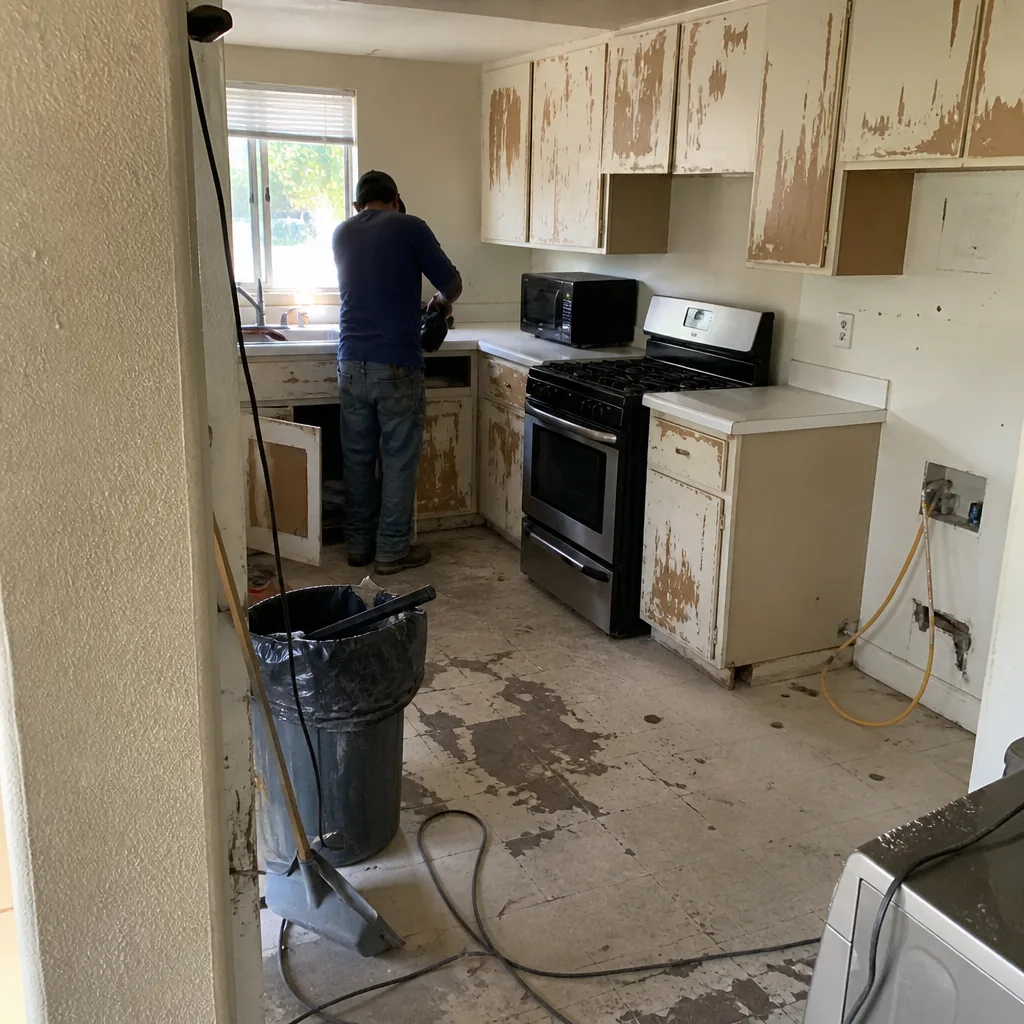 Before
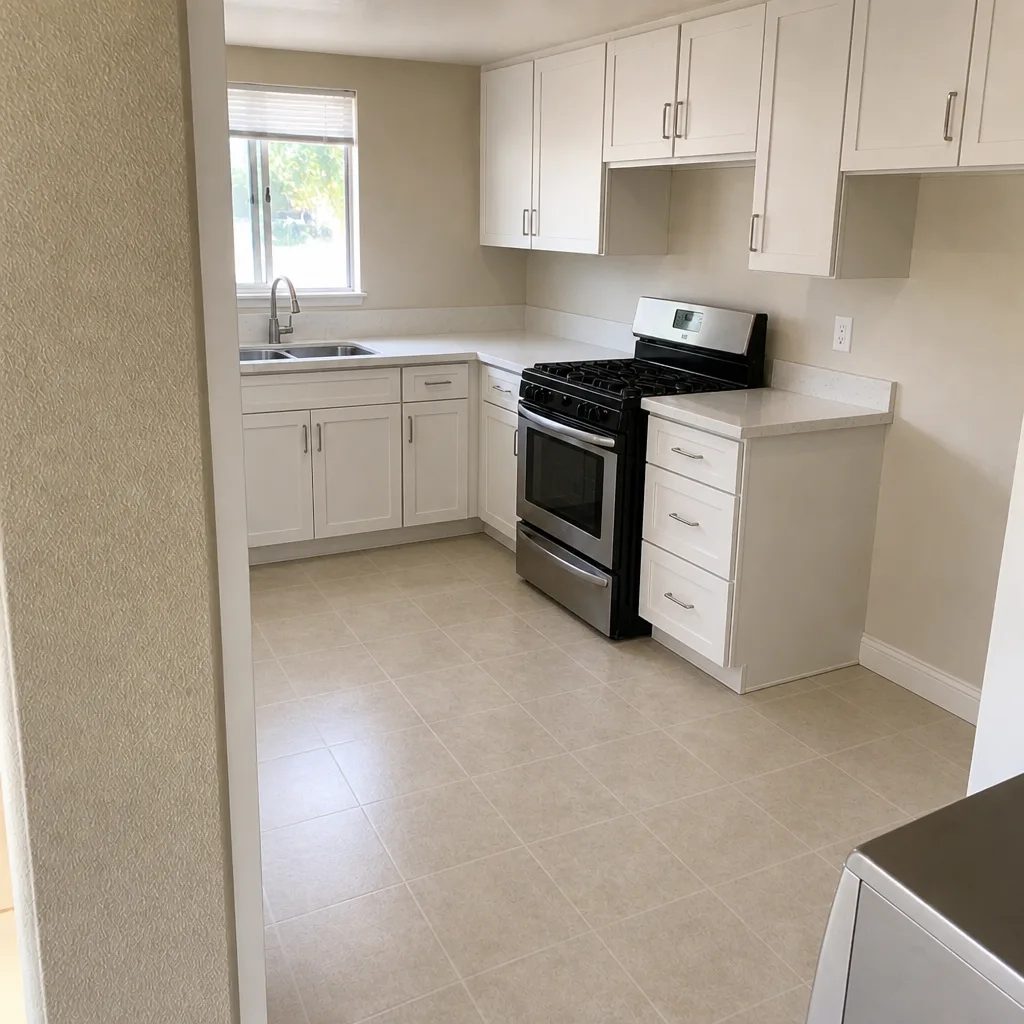 After
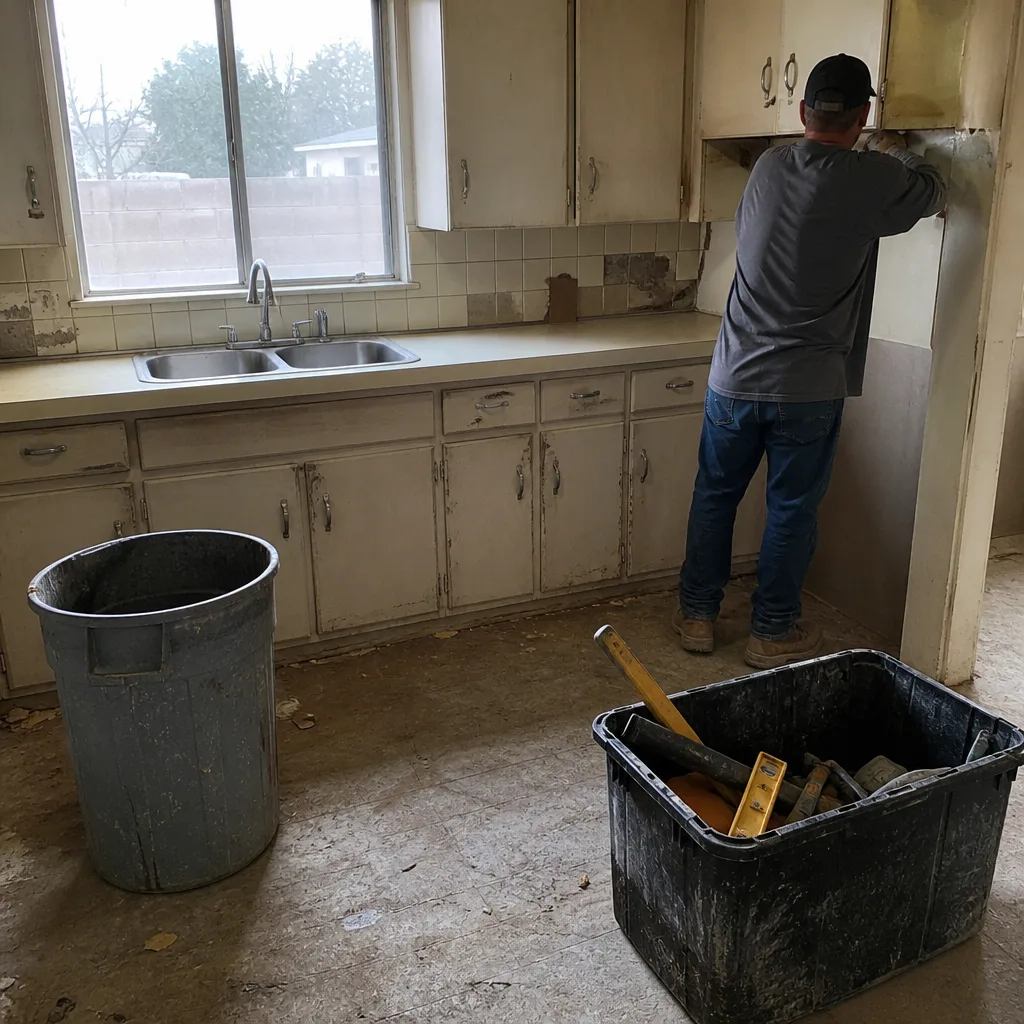 Before
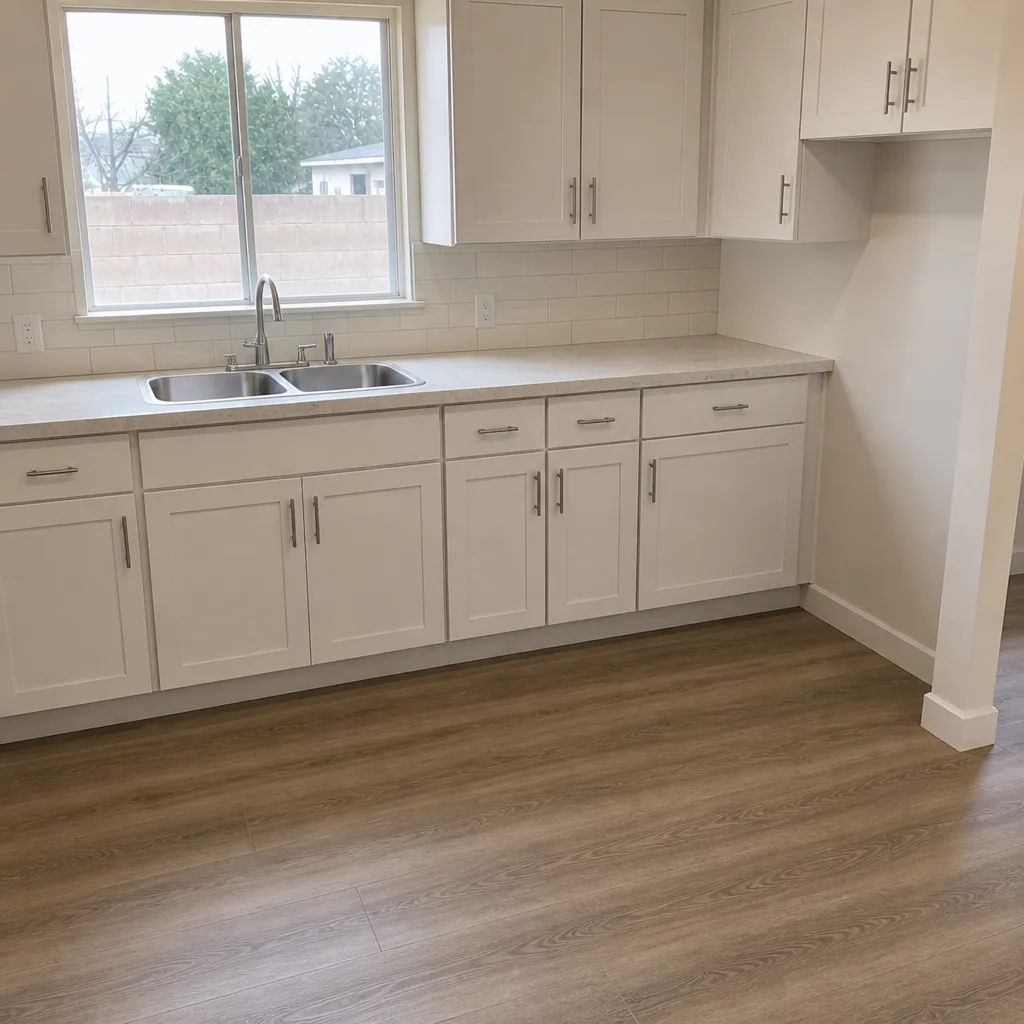 After
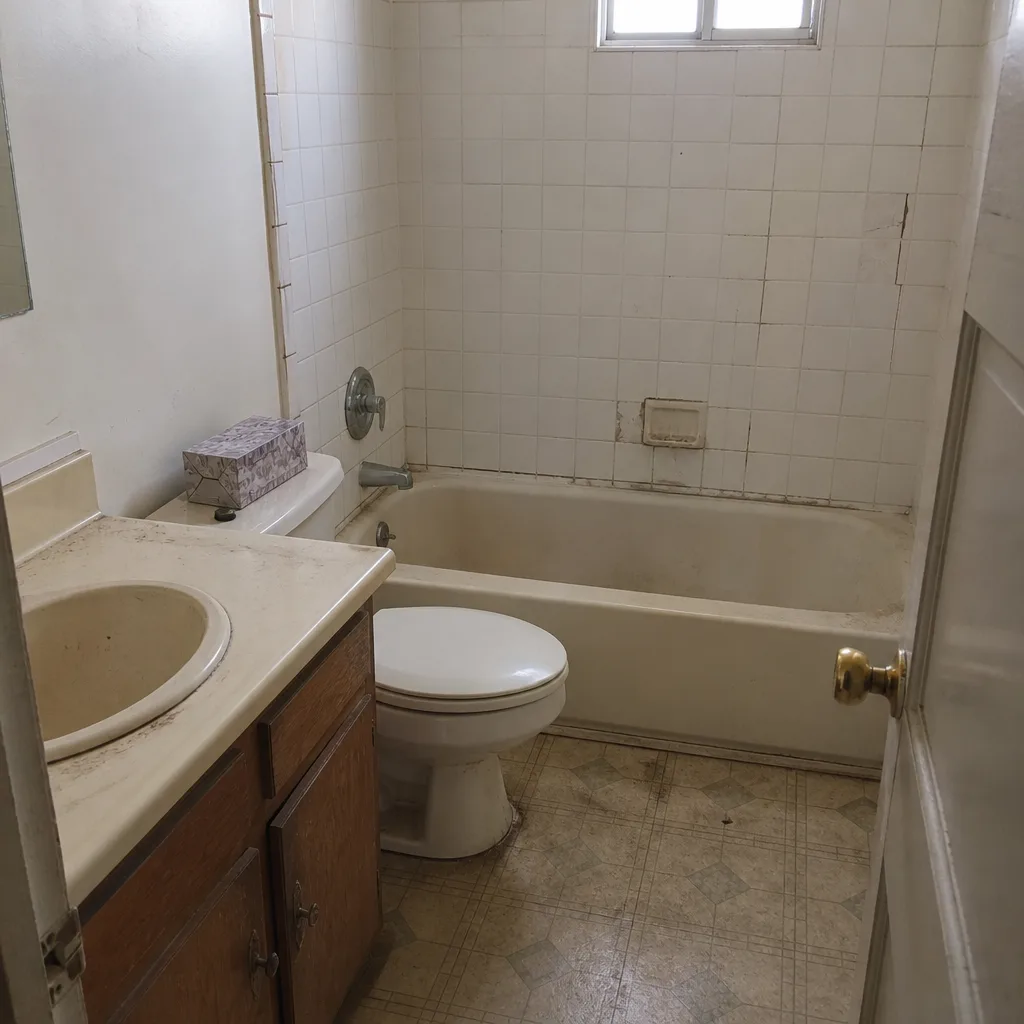 Before
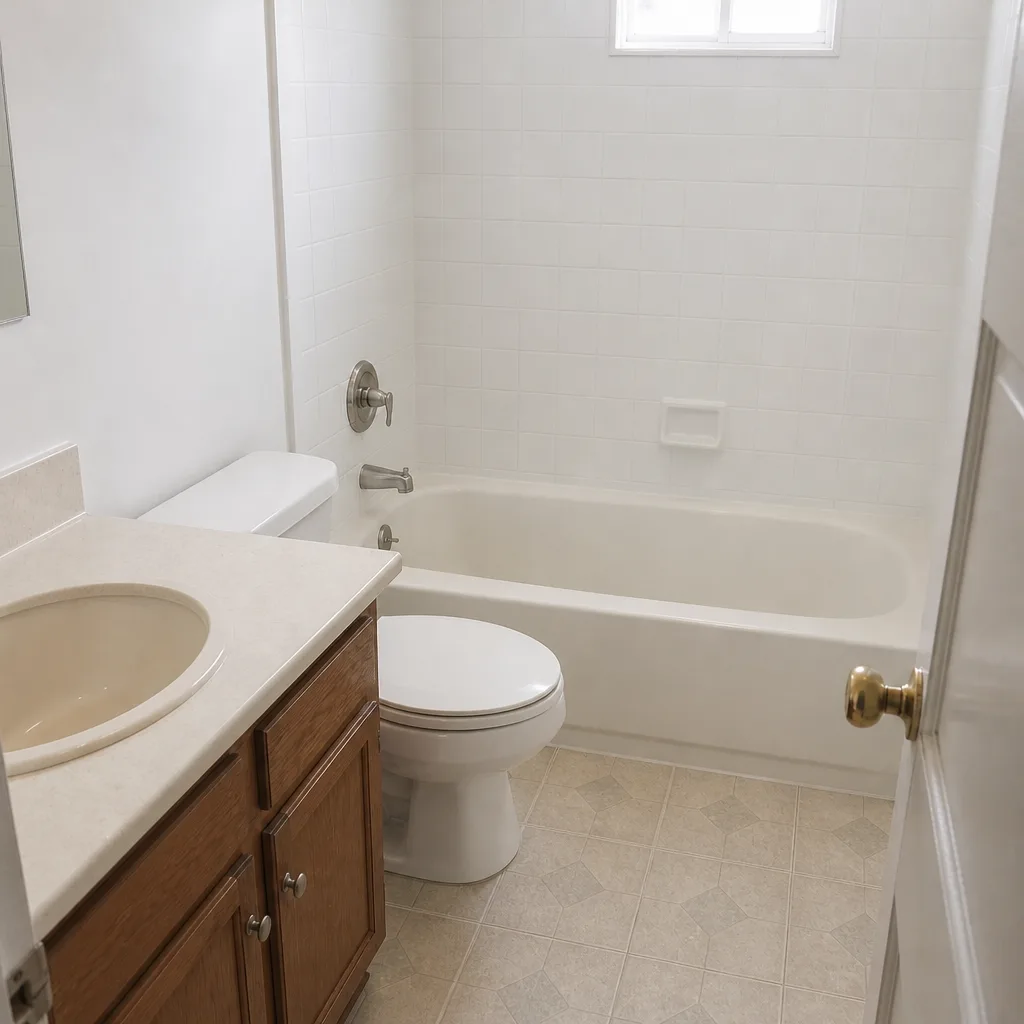 After
When to Call a Professional

Some seasonal work is genuinely DIY: clearing scuppers, extending a downspout, covering a hose bib. But several of the repairs in this guide involve real risk and are worth handing off. Anything that requires getting on a steep or low-slope roof, repairing stucco where moisture has already entered the wall cavity, or chasing a leak that shows up on an interior ceiling but can’t be traced from outside should go to a professional. Freeze damage to plumbing is the same story: a burst line behind a wall is not a weekend project. If you’re unsure whether a crack is a surface issue or a structural one, get it looked at. A written inspection is cheap; guessing is not.
Penhallow Remodeling Spring Valley offers free estimates in Spring Valley. Our technicians have up to 22 years of experience, arrive background-checked and in uniform, and every project gets a written price before any work starts, backed by our 365-Day Done Right Promise. A live person answers the phone 24/7. Call (844) 797-3346 for a free estimate.
Frequently Asked Questions
Clearing scuppers and downspouts before monsoon season in late June is the highest-value task on the calendar. Spring Valley gets roughly 4 inches of rain a year, but it arrives in violent bursts that overwhelm drainage systems. A single clogged scupper can pond water deep enough to find a seam and cause thousands in interior damage. Call (844) 797-3346 for an exact quote on any drainage or roof repairs – estimates are free.
March through May, before summer heat sets in. Thermal expansion holds exterior joints open in summer, so paint and caulk applied then fail at the seams within a season or two. In Spring Valley, the pre-heat window is the only reliable time for exterior painting, caulking, and concrete crack repair. Call (844) 797-3346 to schedule a free estimate before the window closes.
Yes. Overnight temperatures drop below freezing several times each winter, and the risk is concentrated in exposed runs: exterior hose bibs, plumbing in unheated garages or crawlspaces, and pool or irrigation equipment. If your home has exposed plumbing, a foam pipe sleeve and a hose bib cover are cheap prevention. Call (844) 797-3346 if you need help identifying which runs are exposed – estimates are free.
Plan on $1,200 – $3,500 a year, split by season: roughly $400 – $1,200 in pre-heat for paint, caulk, and concrete; $150 – $450 in June for drainage; $300 – $1,000 in fall for stucco and flashing; and $200 – $600 in winter for freeze protection. Homes with flat or low-slope roof sections or older stucco tend to land toward the top of each range. Call (844) 797-3346 for a written, prioritized list with real numbers – estimates are free.
October and November, before the first hard freeze. Stucco absorbs small amounts of moisture, and if that moisture is still trapped in the wall cavity when nighttime temperatures drop, it freezes and cracks the finish from the inside. Fall is the deadline for sealing cracks and fixing flashing. Call (844) 797-3346 to schedule a stucco inspection – estimates are free.
Not with us. Every homeowner receives a written price before any work begins, so the number on day one is the number on the invoice. If something unexpected turns up during the job, we stop and give you a written revision before proceeding. Our 365-Day Done Right Promise backs every project in writing. Call (844) 797-3346 for a free estimate.
Yes, where permits are required. Spring Valley and Clark County permitting rules vary by project type, and we handle the paperwork and inspections as part of the job. A written price before work starts includes permit handling for covered work. Call (844) 797-3346 to talk through your project – estimates are free.
Most seasonal maintenance items – caulking, downspout extension, grading touch-ups, hose bib covers – are a few hours of work. Stucco repair and roof flashing resealing typically take a day or two depending on scope. Larger repairs, like a wall cavity fix after moisture intrusion, run longer. Call (844) 797-3346 for a written scope and timeline – estimates are free.
The Bottom Line

Spring Valley’s four real seasons each attack the house through a different mechanism. Pre-heat is the only window for exterior coatings and concrete repair. Monsoon is where drainage fails, not the roof. Fall is the last chance to catch stucco moisture before a freeze pushes it into the wall cavity. Winter brings a limited but real freeze risk concentrated in exposed plumbing. Build a rolling seasonal budget of $1,200 – $3,500, put the six inspection dates on your calendar, and the small repairs stay small. The homeowners who follow this spend less over five years and avoid the emergency calls entirely.
Whether you need a seasonal inspection, a stucco repair, a drainage fix, or a full remodel, we’re here to help. Visit our Penhallow Remodeling Spring Valley home page to learn more, or call (844) 797-3346 for a free estimate. We answer the phone 24/7 with a real person.
Written by the team at Penhallow Remodeling Spring Valley.